Tesla's robotaxis have had 14 crashes in the first nine months of service, four times more frequent than human drivers
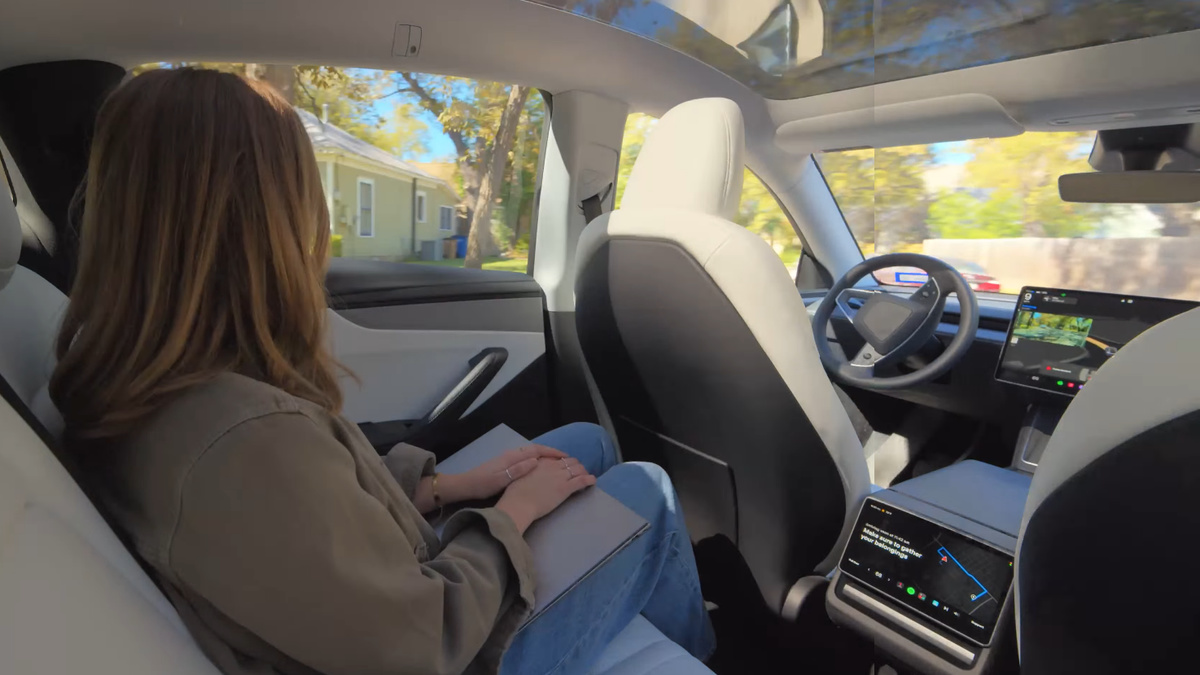
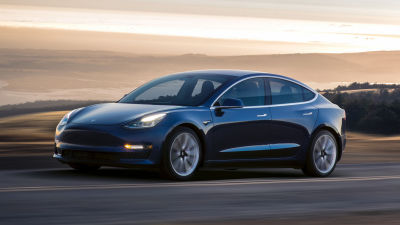
Tesla has been operating robotaxis in Austin, Texas since June 2025. According to data from the National Highway Traffic Safety Administration (NHTSA), Tesla's robotaxis have been involved in 14 crashes within nine months of launching the service, causing accidents at a rate roughly four times faster than human drivers.
Tesla 'Robotaxi' adds 5 more crashes in Austin in a month — 4x worse than humans | Electrek
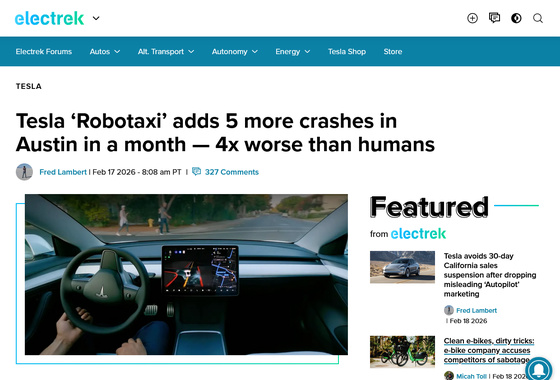
In January 2026, Tesla submitted five new accident reports to NHTSA covering accidents that occurred in December 2025 and January 2026. The newly reported accidents include a collision with a fixed object while traveling straight ahead at approximately 27 km/h, contact with a stopped bus, a collision with a large truck while traveling at approximately 6 km/h, and contact with a utility pole or tree while backing up. All of the accidents occurred with the Autopilot system active, and safety monitors were present on board.
Of particular note is the fact that one of the accidents reported in July 2025 was initially reported as 'property damage only,' but was later revised in a December 2025 update to state 'minor injuries with hospitalization.' This revision indicates that one of the people involved received hospital treatment after the accident, making Tesla a late change to the accident report. Electrek, a media outlet covering news on electric vehicles and self-driving cars, criticized Tesla, saying, 'Tesla is the only self-driving company to systematically conceal accident details from the public, citing NHTSA confidentiality regulations.'
According to Electrek, based on Tesla's revenue mileage data for the fourth quarter of 2025, Tesla's robotaxis are expected to have driven approximately 800,000 miles (approximately 1.29 million km) since the service launched, the latest reported figure being mid-January 2026. There have been 14 accidents since the service launched, which equates to one accident every 57,000 miles (approximately 91,700 km).
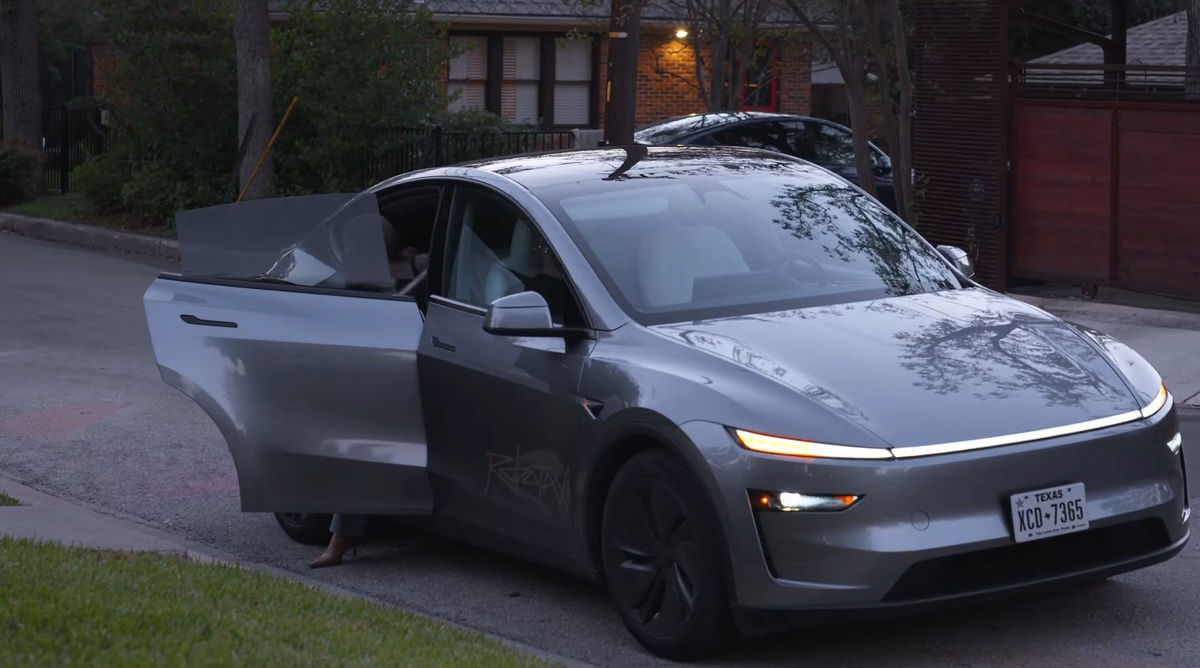
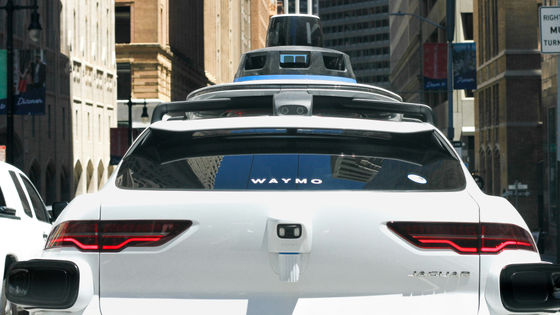
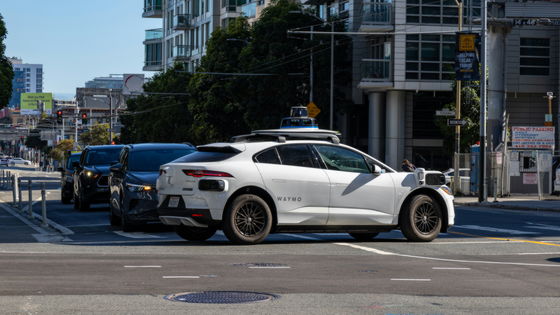
Tesla's published safety report calculates the accident rate for the average American driver as 'a minor crash approximately every 229,000 miles (approximately 370,000 km),' meaning Tesla robotaxis crash nearly four times as often. Furthermore, the broader crash average reported by NHTSA is approximately one crash every 500,000 miles (approximately 800,000 km), meaning Tesla robotaxis crash roughly eight times as often as humans. Meanwhile, rival self-driving car company Waymo claims to have reduced injury crashes by 80% and serious injury crashes by 91% compared to human drivers.
According to self-driving experts, Tesla's 'fully self-driving' may be different from similar features offered by other companies. Manufacturers that have released fully self-driving vehicles equip their vehicles with LIDAR , which uses infrared laser light to measure the distance to distant objects, as well as radar and cameras. However, Tesla has been moving towards relying solely on computer vision using camera images since 2021, and experts have expressed concern that this could increase the risk of accidents, stating that 'computer vision has an accuracy rate of 97%, meaning that it will make three mistakes in 100 attempts.'
Why is Tesla's 'fully automated driving' dangerous compared to other manufacturers? - GIGAZINE
Electrek points out that while the high accident rate of Tesla's robotaxis is problematic, it also points out the bigger problem of transparency. Most self-driving technology companies, such as Waymo and Aurora, provide detailed reports of crashes. However, Tesla does not disclose what caused the robotaxi to cause the accident, whether the accident was caused by the robotaxi or other road users, or whether the accident was avoidable or difficult to avoid, making it impossible to evaluate the data.
Tesla also began offering fully autonomous robotaxis in Austin, Texas, in January 2026, without a safety monitor in the passenger seat. However, Electrek points out that there are reports that all fully autonomous vehicles are being followed by a tracking vehicle equipped with a safety monitor, and that the uptime and driverless driving that Elon Musk touted have hardly been achieved. Furthermore, Electrek points out that the government's response is also problematic, saying, 'The fact that regulators are not getting involved speaks volumes about the current state of affairs in the US and Texas governments.'
Related Posts:
in Vehicle, Posted by log1e_dh