Microsoft's use of 'Harry Potter' as an example of its AI usage guide was a hot topic, and the page was deleted immediately after it was revealed
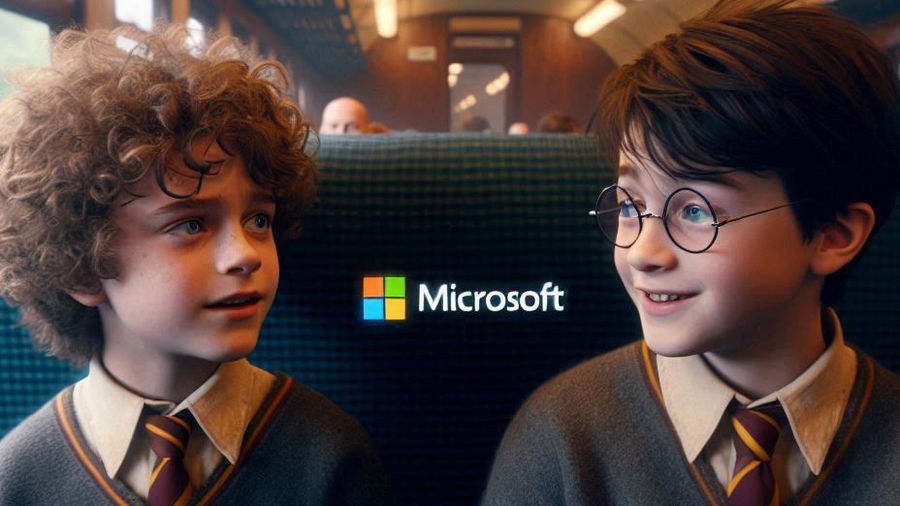
A guide published by Microsoft explaining 'How to Incorporate Generative AI into
Microsoft guide offers to pirating Harry Potter series for LLM training | Hacker News
https://news.ycombinator.com/item?id=47067759
The page 'LangChain Integration for Vector Support for SQL-based AI applications' published by Microsoft on November 19, 2024, has been deleted at the time of writing, but can be viewed from the Internet Archive.
LangChain Integration for Vector Support for SQL-based AI applications - Azure SQL Devs' Corner
https://archive.is/D9vEN
This page announces that SQL Server , Microsoft's database management system, now supports native vector search functionality in Azure SQL and Microsoft Fabric SQL databases. While traditional SQL databases excel at accurately searching tabular data, they generally lack semantic-based search capabilities, such as 'searching for positive sentences.' The addition of 'vector search,' which allows SQL to search for sentences with similar meanings based on mathematical distance, makes it easier to manage database content using SQL alone without a dedicated vector database, facilitating the development of AI applications such as search augmentation generation (RAG) .
Furthermore, the 'LangChain Integration for Vector Support for SQL-based AI applications' page provides guidance on how to use LLM to add generative AI capabilities to your own applications with just a few lines of code. After installing the newly released 'langchain-sqlserver python' package and loading a dataset from Azure Blob storage and splitting it into smaller chunks to accommodate input token limitations, functions for embedding generation and chat completion are defined. By initializing a Vector Store and inserting documents into Azure SQL along with their embeddings, similarity searches can be performed.
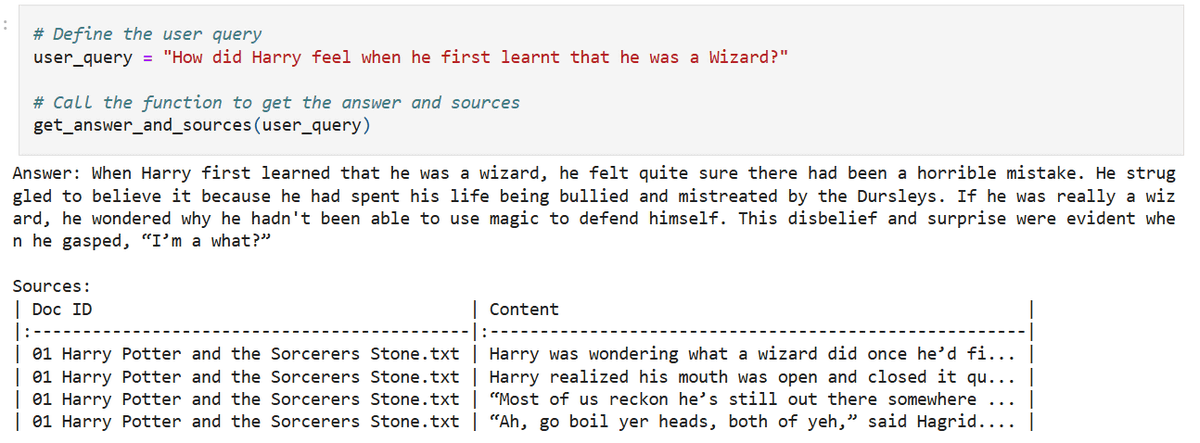
Microsoft used ' Harry Potter and the Philosopher's Stone ' as this 'vector search example.' Microsoft explains that 'using a well-known dataset allows us to create examples that are familiar and appealing to many people.' In fact, by incorporating vector search into a database containing the content of 'Harry Potter and the Philosopher's Stone,' Microsoft shows examples such as answering semantic and emotion-based questions such as 'How did Harry feel when he was first told he was a wizard?' and creating your own story based on the world of 'Harry Potter and the Philosopher's Stone.'
The page also featured AI-generated visuals based on the content of 'Harry Potter and the Philosopher's Stone.'
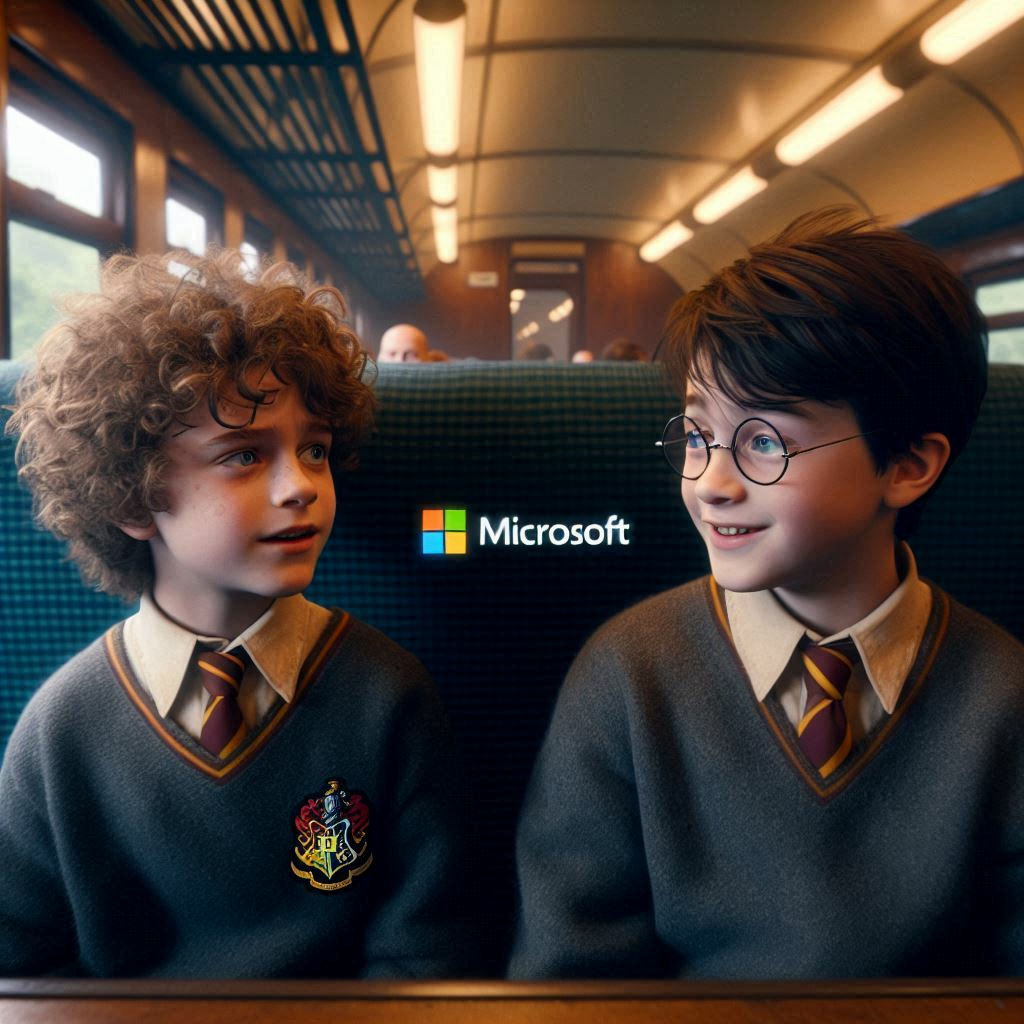
This Microsoft page was published on November 19, 2024, but was picked up by the social news site Hacker News on February 19, 2026, and copyright issues were raised regarding the inclusion of 'Harry Potter and the Philosopher's Stone' in the generative AI and its use as an example guide without explanation of whether or not permission was granted, as well as the inclusion of AI-generated images. Questions have also been raised about Microsoft's stance in publishing such clearly problematic content as is.
About two hours after the Hacker News thread was created, it was reported that Microsoft had removed the page in question. Many people expressed surprise, saying things like, 'The 2024 article had been up for over a year, and now it's become a hot topic. Did someone at Microsoft see this thread?'
Related Posts:




in AI, Posted by log1e_dh