Night owls are at higher risk of heart attack and stroke

Some people are morning people, while others are night owls. Sometimes it can be hard to juggle your lifestyle with work or school schedules. A study analyzing data from over 320,000 participants found that night owls have a higher risk of heart attack and stroke than non-night owls.
Chronotype, Life's Essential 8, and Risk of Cardiovascular Disease: A Prospective Cohort Study in UK Biobank | Journal of the American Heart Association
Major Study Links Being a Night Owl to Higher Heart Attack And Stroke Risk : ScienceAlert
https://www.sciencealert.com/major-study-links-being-a-night-owl-to-higher-heart-attack-and-stroke-risk
Circadian rhythms, which vary over a 24-hour cycle, not only regulate sleepiness and wakefulness, but also affect various bodily functions, such as organ system synchronization, heart rate, blood pressure, stress hormones, and metabolism. Each person's circadian rhythm is different, and previous research has shown that people with evening circadian rhythms are more likely to have health problems and have higher rates of risk factors such as higher smoking rates and lack of exercise.
A research team led by Sina Kiannelsi, a visiting researcher at Harvard Medical School in the United States, used data from the UK Biobank , a large health database collected in the UK, to analyze sleep patterns (chronotypes) and the risk and factors for developing cardiovascular disease.
The study included 322,777 middle-aged and elderly people aged 39 to 74 with no history of cardiovascular disease. Based on self-reported sleep patterns, 8% were 'night types' who are active both physically and mentally in the evening and at night, about a quarter were 'morning types' who are most productive during the day and go to bed early, and the rest were 'intermediate types' who were somewhere in between.
In addition to the participants' risk of developing a myocardial infarction or stroke, the research team also investigated their ' Life's Essential 8 ,' a set of eight risk factors recommended by the American Heart Association for improving heart health. Life's Essential 8 calculates a score based on eight risk factors: vigorous physical activity, avoiding smoking, adequate sleep, a healthy diet, blood pressure, cholesterol, blood sugar, and weight. A higher score indicates better cardiovascular health.
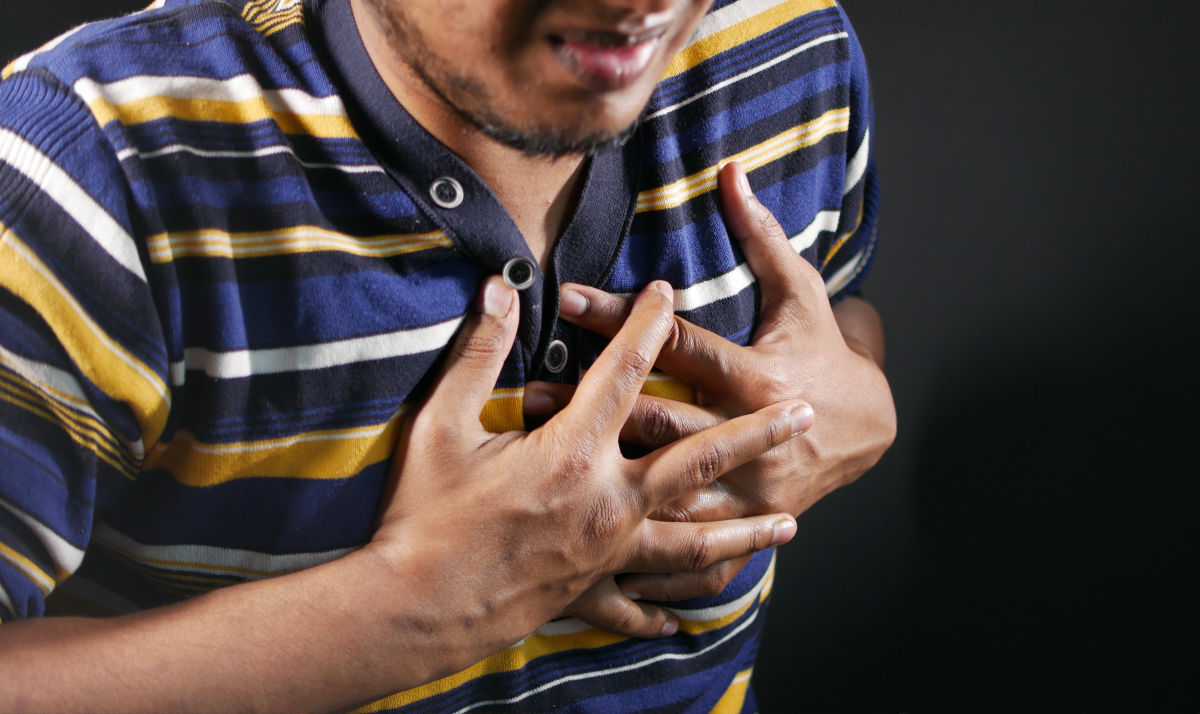
The analysis found that night owls had a 16% higher risk of developing cardiovascular disease over a 14-year follow-up period than non-night owls. Furthermore, night owls also had poorer scores on the Life's Essentials 8 scale overall, with women especially prone to poorer scores.
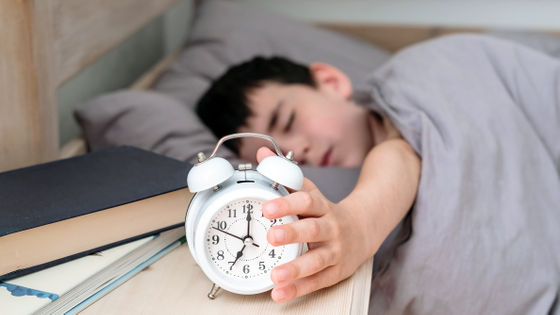
The main reasons why night owls are at higher risk of developing cardiovascular disease are thought to be smoking, lack of sleep, and unhealthy eating habits. Although night owls naturally go to bed and wake up later, modern society generally caters to morning and intermediate types, so their circadian rhythms often don't match their daily rhythms.
A mismatch between circadian rhythms and daily rhythms can have a negative impact on not only sleep duration but also various other areas. For example, while eating a nutritious breakfast is important for good health, it can be difficult for night owls to eat breakfast late at night. Also, many restaurants are already closed by the time night owls go out, making it difficult for them to eat a healthy diet.
'Night owls aren't doomed to bad health. The problem is the mismatch between your body clock and your circadian rhythm,' said Chianells, who also tends to be a night owl. He recommended quitting smoking as one of the basic pieces of advice for protecting your heart health.

Related Posts:



in Free Member, Science, Posted by log1h_ik