Scientists explain why water feels 'ice cold' after using mint toothpaste or mouthwash
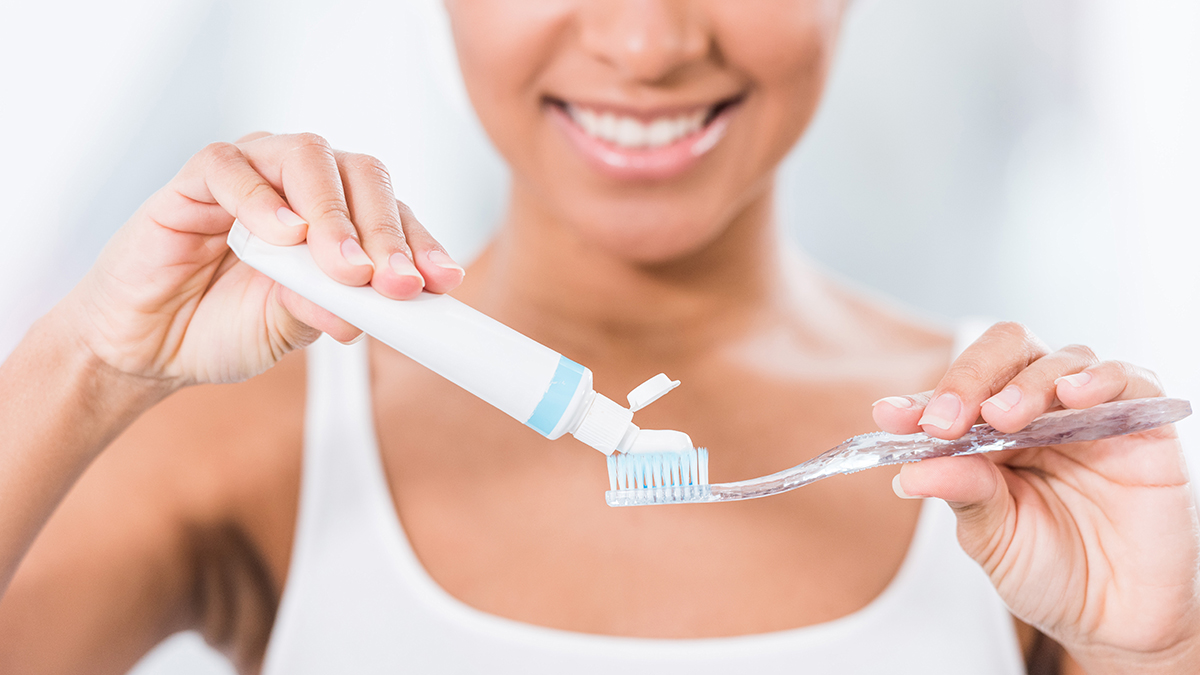
Christopher Stevens, an associate professor of sport and exercise science at Southern Cross University, explains why drinking water immediately after brushing your teeth with mint toothpaste or rinsing your mouth with mouthwash can feel icy cold.
Why does mint make water taste so cold? A scientist explains | The Conversation
The ' menthol ' contained in mint is at the heart of the refreshing feeling of mint. According to Stevens, menthol activates the cold receptor ' TRPM8 ' located at the end of nerve fibers in the mouth. TRPM8 is an ion channel that opens at low temperatures and is known to be activated at temperatures below approximately 26°C.
This receptor normally detects a temperature drop, but when menthol binds to it, the receptor changes shape, allowing calcium to flow in and sending a signal to the brain, which the brain interprets as a 'cold' sensation, making it easier to sense cold even when the temperature hasn't changed significantly, Stevens explains.
The reason why water feels 'unusually cold' after brushing your teeth with mint toothpaste is because the menthol in the toothpaste remains in your mouth, and the water and air spread, stimulating more receptors. Because the receptors are 'highly reactive,' Stevens says, even water that isn't that cold or air that is slightly cooler feels colder than it actually is.
Menthol is also used in toothpaste, gum, throat lozenges, etc. to create a refreshing feeling as a sign of cleanliness.
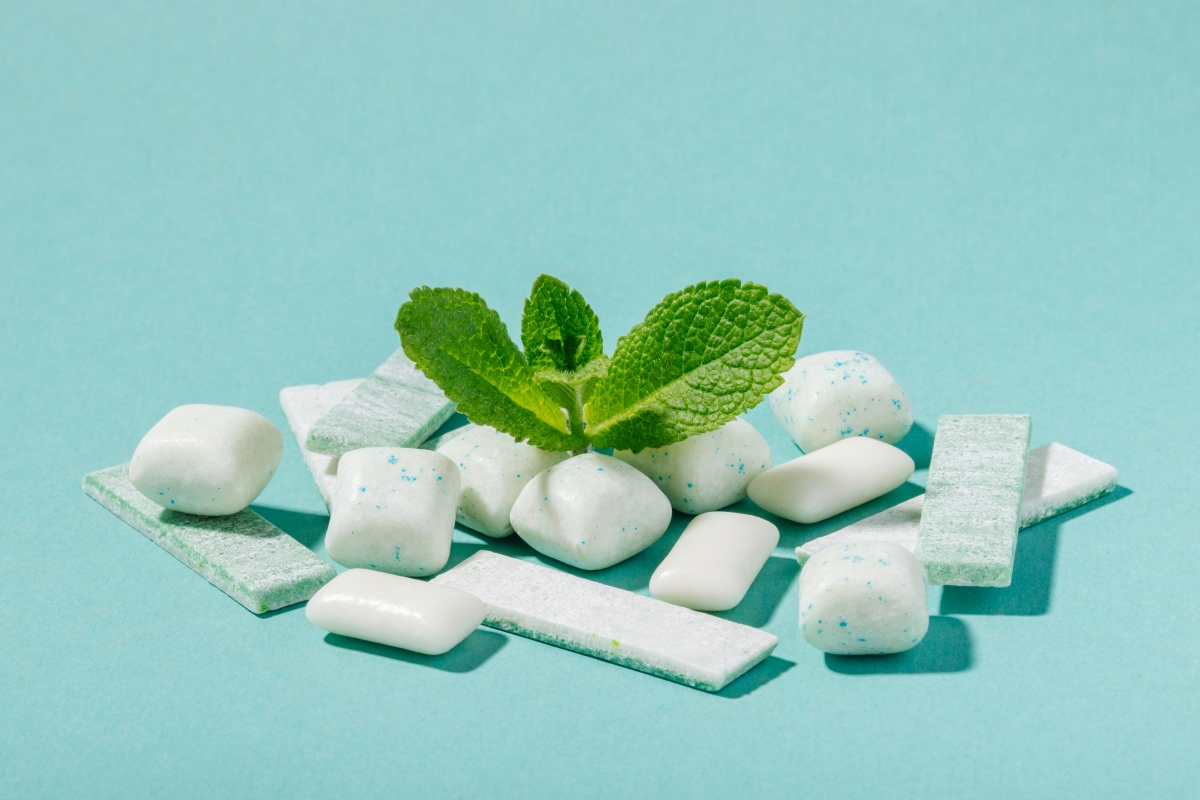
The feeling of airway clearing that comes from licking a throat lozenge is similar to the feeling of cold water after brushing your teeth. Menthol doesn't physically relieve stuffy noses, but rather increases the cooling sensation in the airways, which makes you feel like your airways are cleared, says Stevens.
The same receptors are found in the skin, so menthol is also used in topical creams. Stevens says that menthol acts as a counterirritant, first stimulating pain receptors, then acclimatizing them to the stimulus, making them less likely to respond, thereby relieving pain in the affected area.
Furthermore, the cooling sensation of menthol also affects the sensation during exercise. Stevens cited a study in which rinsing the mouth with menthol in a hot environment (33°C) reduced the perceived heat and improved the time of a 5km run, and concluded that 'reducing subjective heat may be more effective for making running easier than drinking a beverage that physically lowers body temperature.'
On the other hand, there are concerns that the effect of menthol in hot weather can make people feel like they can still go further than their physical limits, so Stephen concludes that care should be taken when using it.
Related Posts:






in Science, Posted by log1b_ok