OpenAI launches Prism, a free scientific writing workspace powered by GPT-5.2
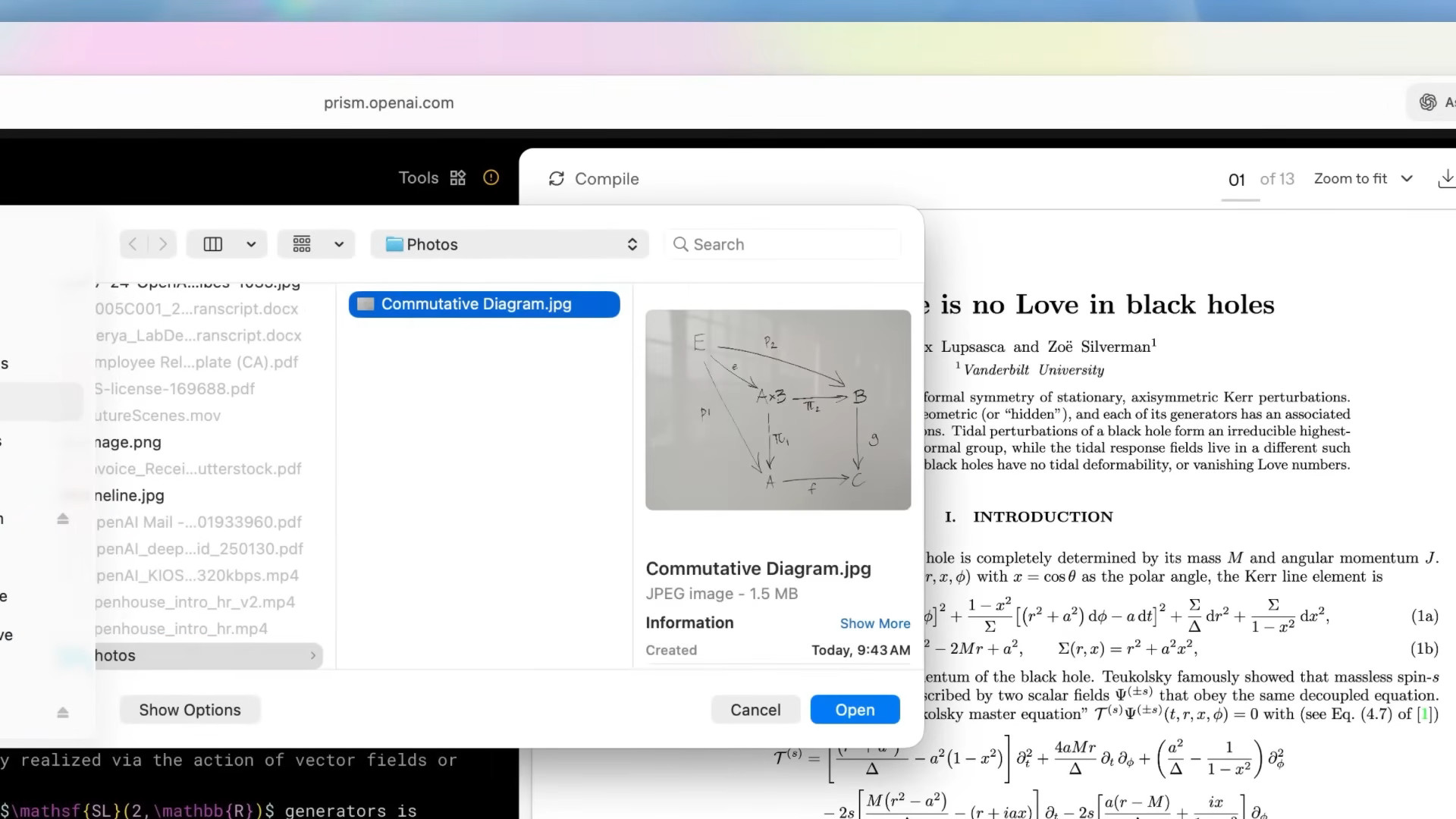
OpenAI has announced that it will release Prism , a free AI workspace powered by
Prism | OpenAI
https://openai.com/ja-JP/prism/
Introducing Prism | OpenAI
https://openai.com/ja-JP/index/introducing-prism/
Prism is a cloud-based LaTeX workspace ideal for writing long scientific papers, eliminating the need for local installation, environment management, or tool switching. Prism was originally based on Crixet , a cloud-based LaTeX platform acquired by OpenAI, and evolved from Crixet as a GPT-5.2 integrated product. OpenAI says this allows it to integrate AI in a way that blends naturally into scientific workflows, building on a mature writing and collaboration environment.
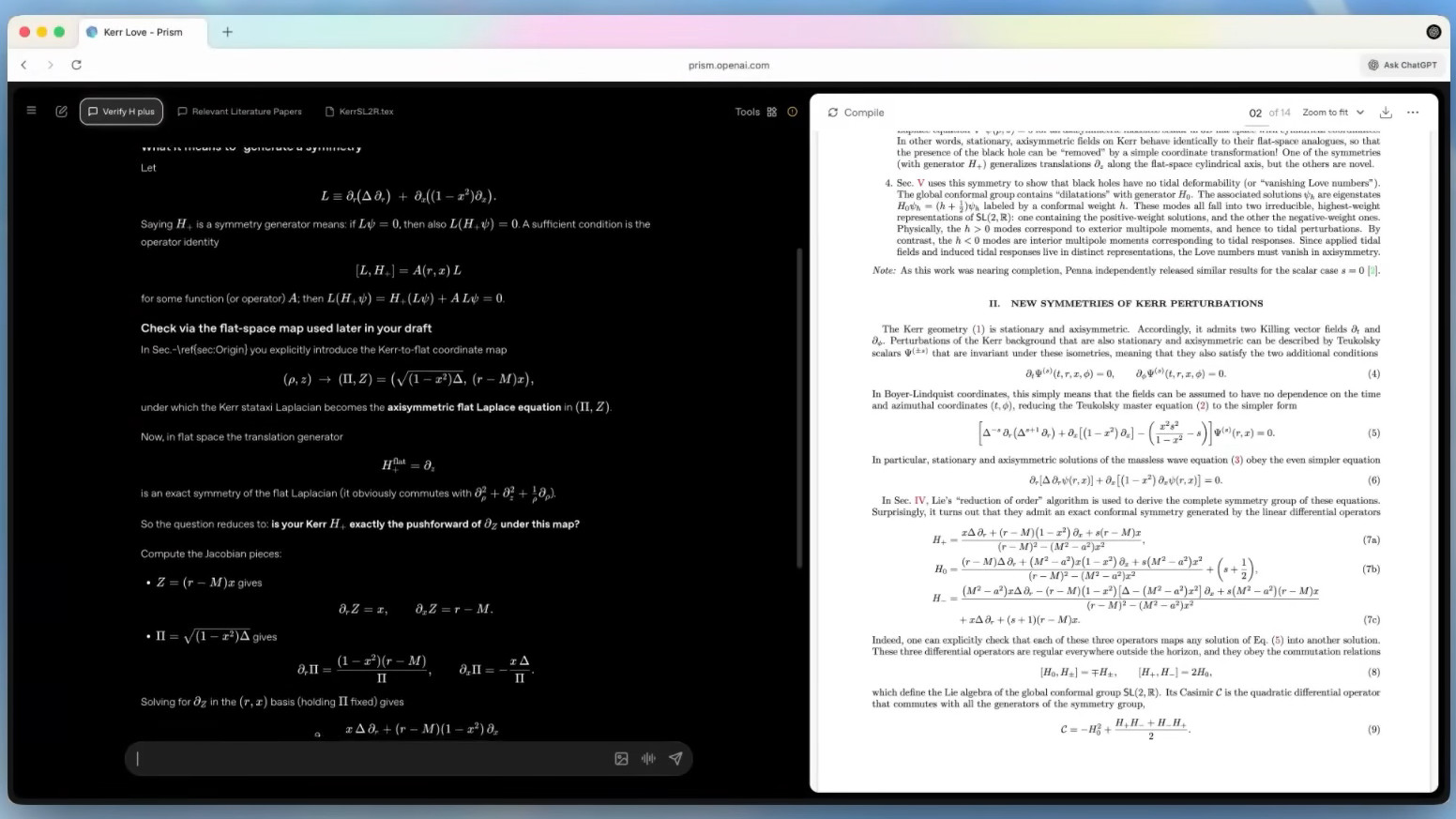
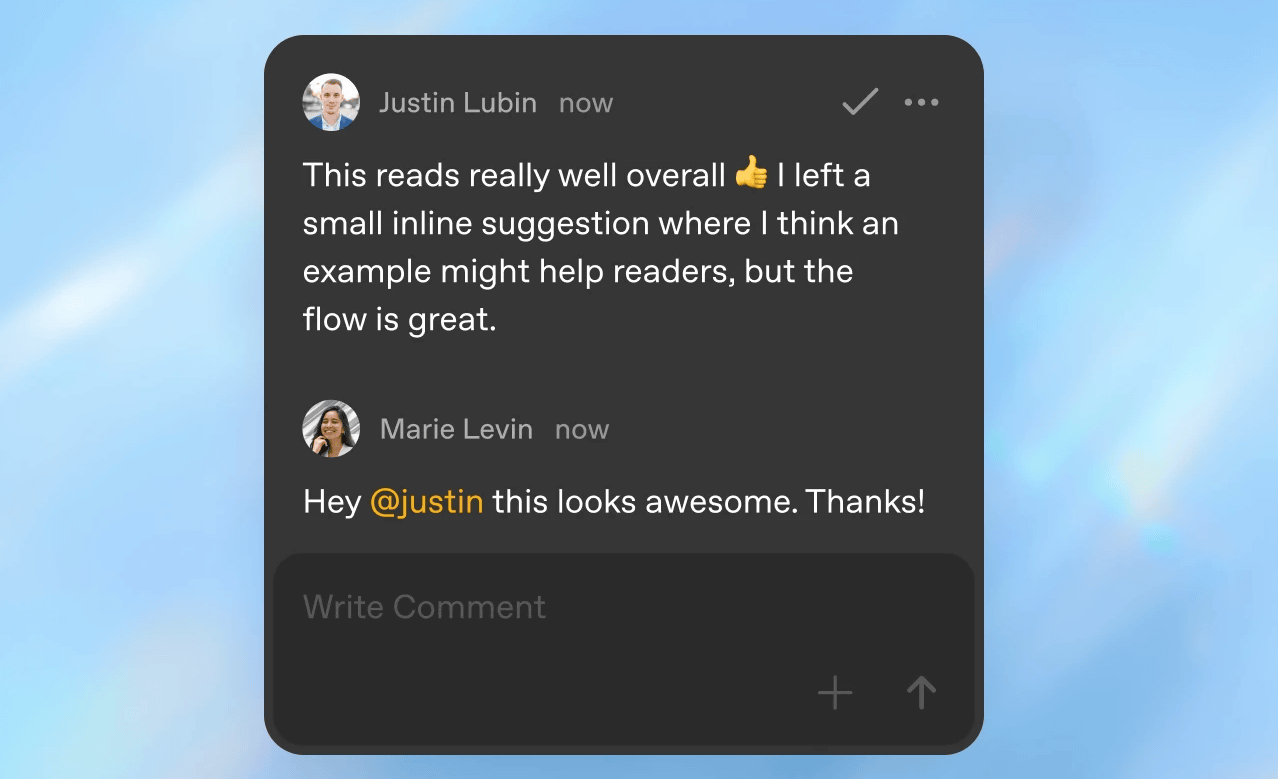
Prism allows you to collaborate with as many colleagues as you need with real-time editing and instant previews, eliminating version conflicts, manual merges, and time-consuming compile-debug cycles, allowing your team to focus on their work.
What's more, the AI works across the entire project, understanding the full context of the manuscript, including previous drafts and revisions, and interacting with GPT-5.2 Thinking to consider ideas in context, test hypotheses, and reason about complex scientific questions.
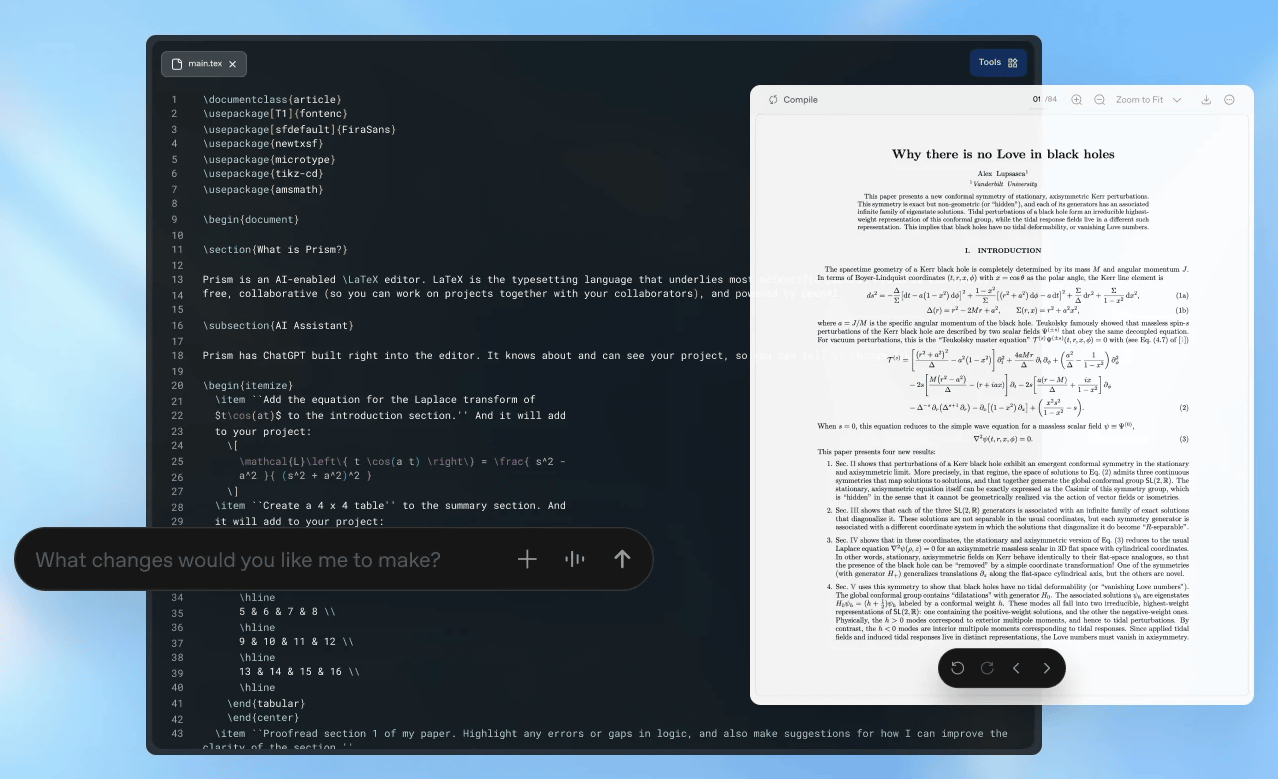
Additionally, AI helps clarify ideas, check logical progression, and organize structure, updating equations, tables, sections, and references as you work. Built-in LaTeX rendering, citation management, equation conversion, and automatic error checking reduce manual post-processing and formatting, saving you time while keeping your writing clear and consistent.
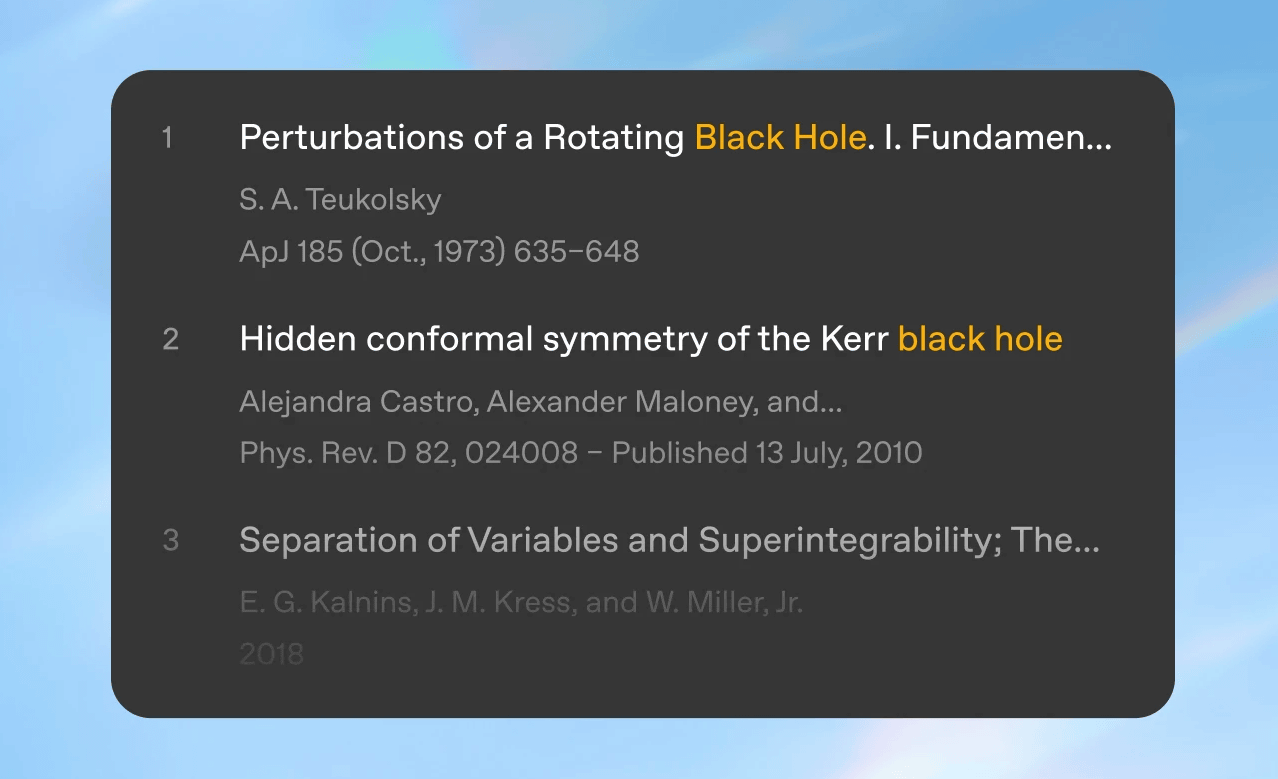
Prism is available immediately and for free to anyone with a ChatGPT account. OpenAI says, 'By making high-quality scientific tools more accessible and widely available, we want to empower more researchers, regardless of their institution, field of expertise, or career stage, to fully participate in the scientific research process.'
OpenAI said, 'In 2025, AI fundamentally changed the way software was developed. In 2026, we see a similar shift happening in science, as AI begins to substantially accelerate discovery in multiple ways, not the least of which is reducing the friction associated with everyday research tasks. Prism is an early step towards that future.'
Related Posts:





in AI, Web Service, Posted by log1i_yk