Meat eaters are more likely to live to 100 than vegetarians
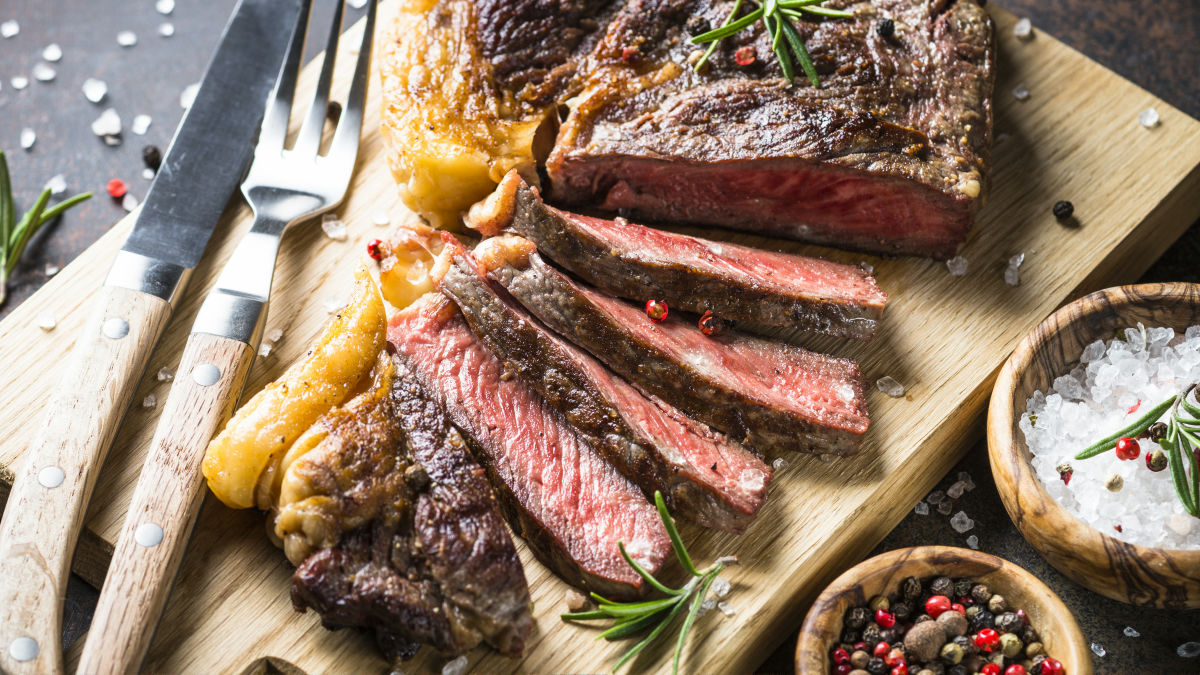
A plant-based diet centered on vegetables and fruits is said to be good for your health, but a study by a Chinese research team showed that 'meat eaters are more likely to live to 100 than vegetarians.'
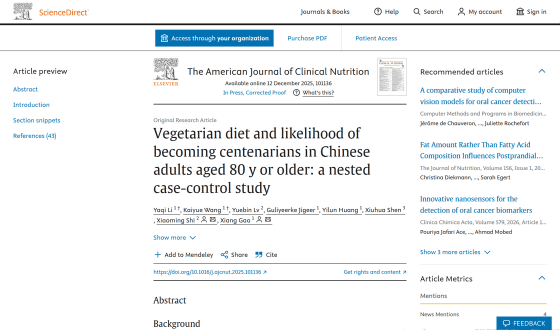
Vegetarian diet and likelihood of becoming centenarians in Chinese adults aged 80 y or older: a nested case-control study - ScienceDirect
Are meat eaters really more likely to live to 100 than non-meat eaters, as a recent study suggests?
https://theconversation.com/are-meat-eaters-really-more-likely-to-live-to-100-than-non-meat-eaters-as-a-recent-study-suggests-273861
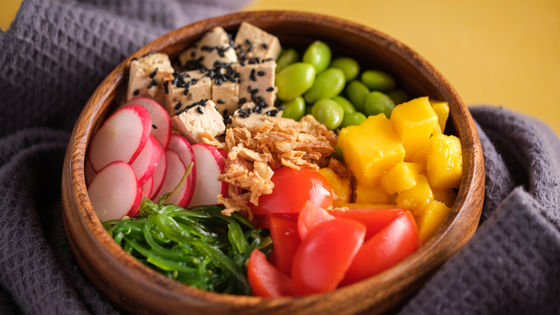
A plant-based diet is known to reduce the risk of heart disease, stroke , diabetes , and obesity . These benefits are primarily due to increased fiber intake and reduced saturated fat intake.
To investigate the relationship between longevity and diet, a Chinese research team analyzed 5,203 elderly people aged 80 years or older who participated in the Chinese Longitudinal Healthy Longevity Survey, which began in 1998. Of the subjects, 1,459 had reached the age of 100 by 2018, and 3,744 had died before reaching 100. The research team grouped these people based on their intake of animal-derived foods.
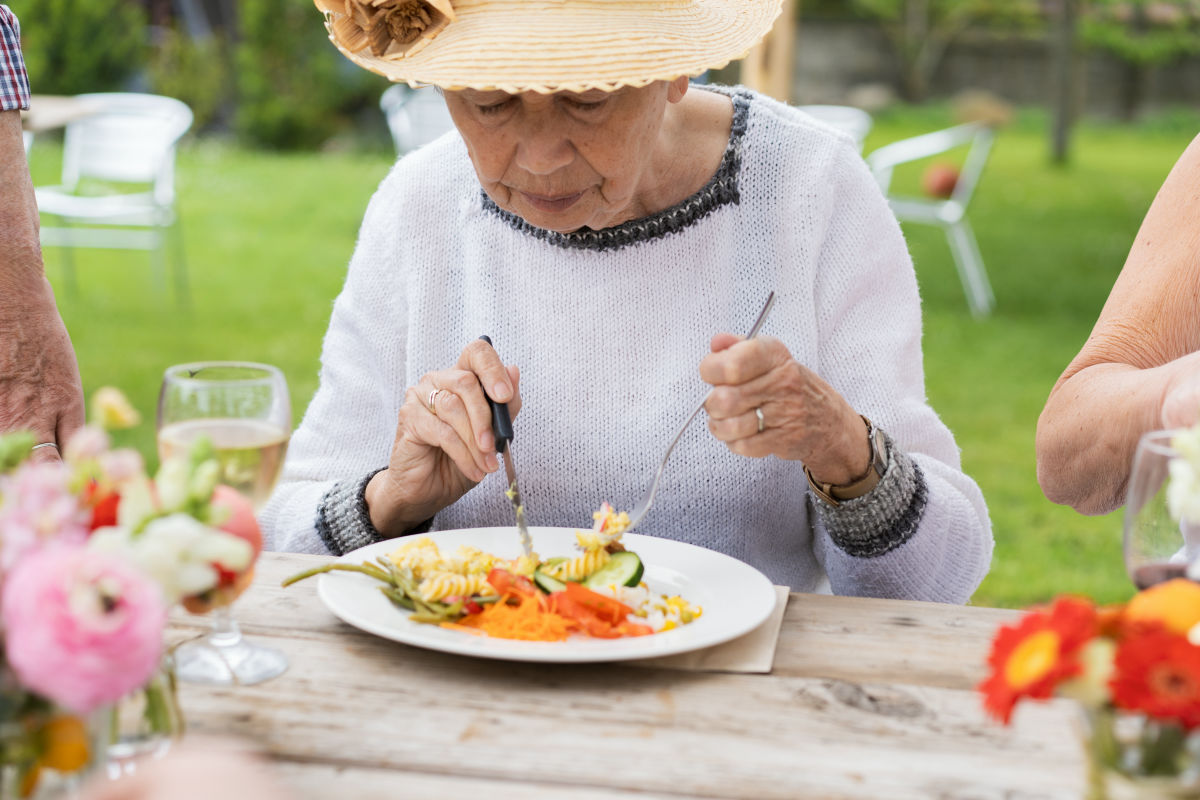
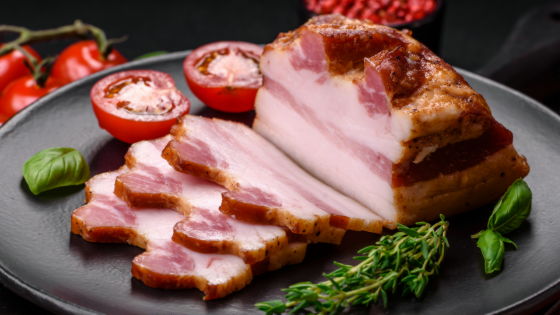
The analysis revealed that compared with meat-eating elderly people, vegetarians were more likely to die before reaching the age of 100. At first glance, this result may seem to suggest that meat-eating people live longer, which contradicts previous research showing that a plant-based diet is good for health.
However, Chloe Casey, a nutritionist at
The first thing to consider, says Cayce, is that the body's nutritional needs change with age. Age-related biological changes in the human body result in decreases in energy expenditure, muscle mass, bone density, and appetite, increasing the risk of malnutrition and frailty.
Much of the evidence regarding the health benefits of a plant-based diet is based on studies of young adults, rather than frail elderly people. Therefore, the results of this study, which was limited to elderly people, do not necessarily mean that a plant-based diet is bad for the health of everyone. Some research has shown that elderly people who limit their meat intake have a higher risk of fractures due to low calcium and protein intake, so it is important to consume nutrients appropriate for your age.
'As we age, our nutritional priorities change. Instead of focusing on long-term disease prevention, our goals become maintaining muscle mass, preventing weight loss, and getting enough nutrients in every bite,' said Casey. 'Therefore, these findings may reflect nutritional challenges in later life, rather than issues specific to a plant-based diet. Importantly, these findings do not undermine the well-established health benefits of a plant-based diet in young, healthy adults.'
One notable aspect of this study is that the correlation between vegetarians and those with a lower likelihood of living to age 100 was only observed in underweight participants with a body mass index (BMI) below 18.5. Among participants with a healthy weight, there was no association between not eating meat and not surviving to age 100.
Body weight may be important in explaining these results, as being underweight in older adults is strongly associated with frailty and increased risk of death .
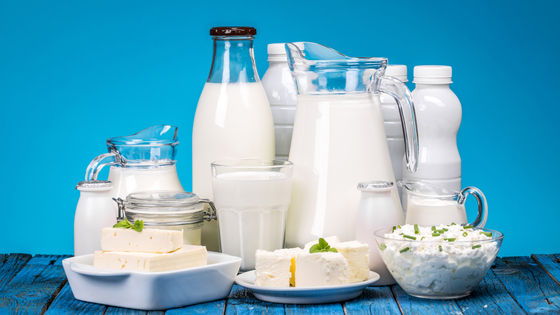
Furthermore, people who do not eat meat but include animal products such as fish, dairy products, and eggs in their diets have the same chance of reaching 100 years of age as those who eat meat. These foods are rich in nutrients essential for maintaining muscle and bone health, such as high-quality protein, vitamin B12, calcium, and vitamin D. The research team suggests that consuming a moderate amount of animal products may prevent nutritional deficiencies and muscle mass loss in the elderly.
'The key message is that rather than focusing on whether one diet is universally better than another, nutrition should be tailored to the stage of life. Energy expenditure decreases with age, but the need for some nutrients increases,' said Casey. 'In older adults, preventing malnutrition and weight loss is often more important than preventing long-term chronic disease.'
Related Posts:



in Free Member, Science, Food, Posted by log1h_ik