The 'modern American dream' is on the rise, with influencers and OnlyFans models leveraging their large followings to apply for 'individuals with extraordinary abilities' visas
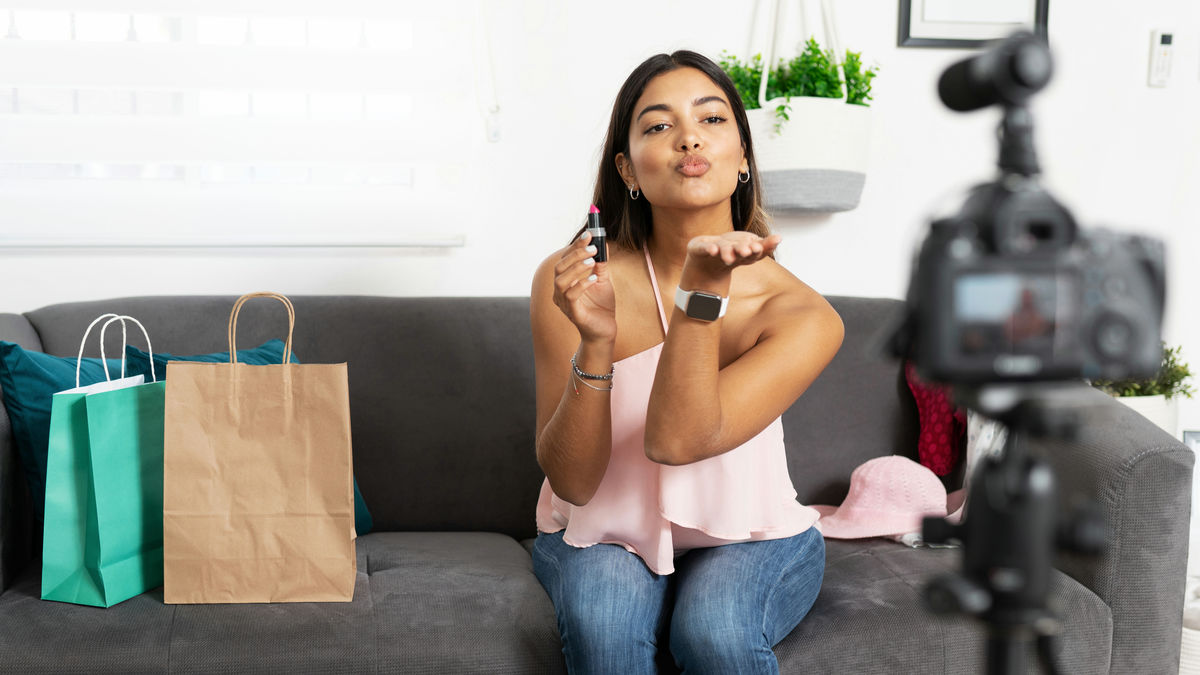
There are many types of work visas in the United States, including the H-1B visa for professionals used by many foreign workers and the L-1 visa for those transferring to an overseas branch. However, there is also the O-1 visa, which is issued to foreigners with 'extraordinary ability.' Applications for the O-1 visa, which is reserved for those with outstanding achievements, have been increasing rapidly among social media content creators and influencers.
Influencers and OnlyFans models are increasingly requesting O-1 visas: 'This is the American dream now' | US immigration | The Guardian
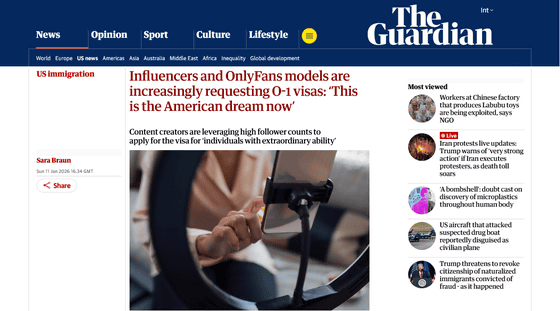
Influencers and OnlyFans models dominate US 'extraordinary' artist visas
https://www.ft.com/content/8816fcec-4148-4cda-be7f-fc59d5bcbf59
Non-immigrants need a visa to work temporarily in the United States. There are two types of O-1 visas: the O-1A visa, which is for individuals with exceptional ability in the fields of science, education, business, and sports, and the O-1B visa, which is for individuals with 'extraordinary ability or achievement.' There is no limit on the number of O-1 visas issued and no lottery system, but they are issued in small numbers, less than one-tenth the number of H-1B visas.
According to a report in the Financial Times, the most recent data available indicates that the number of O-1 visas issued will increase by more than 50% between 2014 and 2024. This is a significant increase compared to the roughly 10% increase in the total number of non-immigrant visas issued.
Traditionally, the criteria for an O-1B visa included 'having played a leading role in a well-known production,' 'having a track record of commercial success,' and 'having received high professional acclaim,' but in recent years these conditions have been adjusted to suit online influencers. Lawyer Fiona McEntee said, 'A growing number of followers and a large income are grounds for commercial success, securing an endorsement contract for a particular brand can be considered a talent endorsement, and appearing at a store opening event can be considered starring in a prestigious production. Given how many people use social media every day and how few actually make a living from it, social media really is a skill.'
On the other hand, immigration attorney Protima Daryanani questioned the issuance of O-1 visas to influencers, saying, 'There are cases where people who should not have been approved have been approved for O-1 visas. The validity of the O-1 visa is diminished simply because the applicant meets the criteria.' There are also concerns that the adoption of online reach as a measure of success could disadvantage artists who do not focus on online presence.
The Guardian, a major British magazine, interviewed several influencers who have successfully obtained or are working towards obtaining an O-1 visa.
Julia Ain, who has 1.3 million followers on TikTok, earns millions of yen per month through the subscription platform Fanfix , and her profitability helped her obtain an O-1B visa. When applying for her O-1 visa, Ain reportedly stated, 'I have 200,000 followers on this app, 300,000 followers on this app, and 10 million people watch my videos every month.' She also noted, 'Many of my followers don't just watch my videos; they actively pay for my content every month.' Ain emphasized the power of influencers, saying, '50 years ago, the American Dream might not have been what people imagined it to be. But it's the American Dream today.'

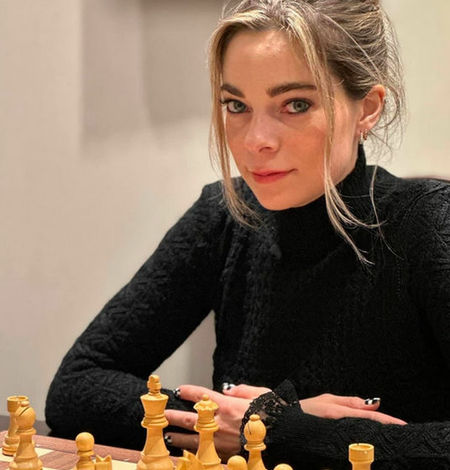
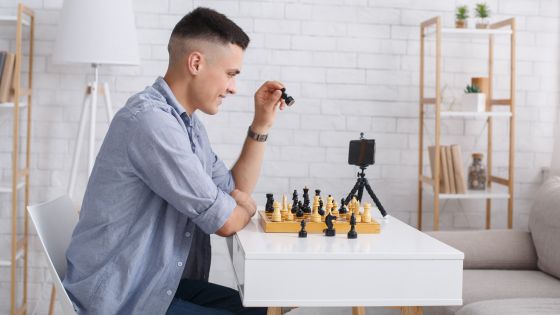
Dina Belenkaya, a Russian-Israeli chess player, said social media was an essential element of her O-1B visa application, listing the number of followers she had on Instagram, Twitch, and YouTube.
While there is no set number of followers required, the social media-focused music group Boy Throb is running a campaign to reach 1 million followers on TikTok in order to qualify for an O-1B visa.
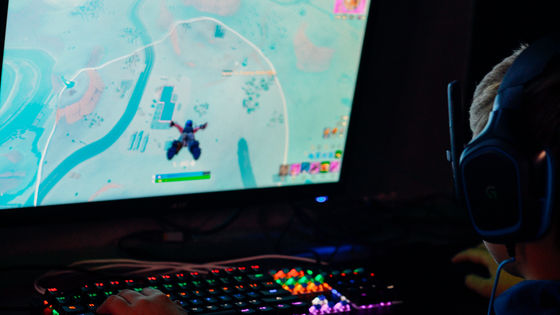
In addition to influencers, esports players who earn prize money and advertising revenue by playing games, and models who gained popularity on the UK social network OnlyFans , which primarily generates fanbases by providing nude and pornographic content, have also reportedly begun applying for O-1 visas. According to lawyer Michael Wills, whose clients include Pele , arguably the greatest soccer player of all time, and Irish musician Sinead O'Connor , he has recently been assisting social media influencers and Twitch streamers with visa issuance.
The changes to the O-1 visa have also been a hot topic on Hacker News, where discussions have been held about influencers and online models obtaining the visa. Some have questioned the granting of O-1 visas to nude models active on platforms like OnlyFans. Others have commented , 'While it's undesirable to prioritize influencers over scientists, O-1B visas were originally issued to entertainment celebrities like actors, musicians, and athletes, so influencers, esports athletes, and OnlyFans models are all entertainers .' Many have also questioned the O-1 visa being offered to 'online artists' rather than 'celebrities who have a significant reason to come to the U.S.' One user stated, 'This means that the intent isn't to provide in-person access to popular entertainment, but rather to bring influential and financially powerful individuals to the U.S., and the authorities don't care about anything other than how much money they make.'
Related Posts:



in Web Service, Posted by log1e_dh