What do moles do underground?
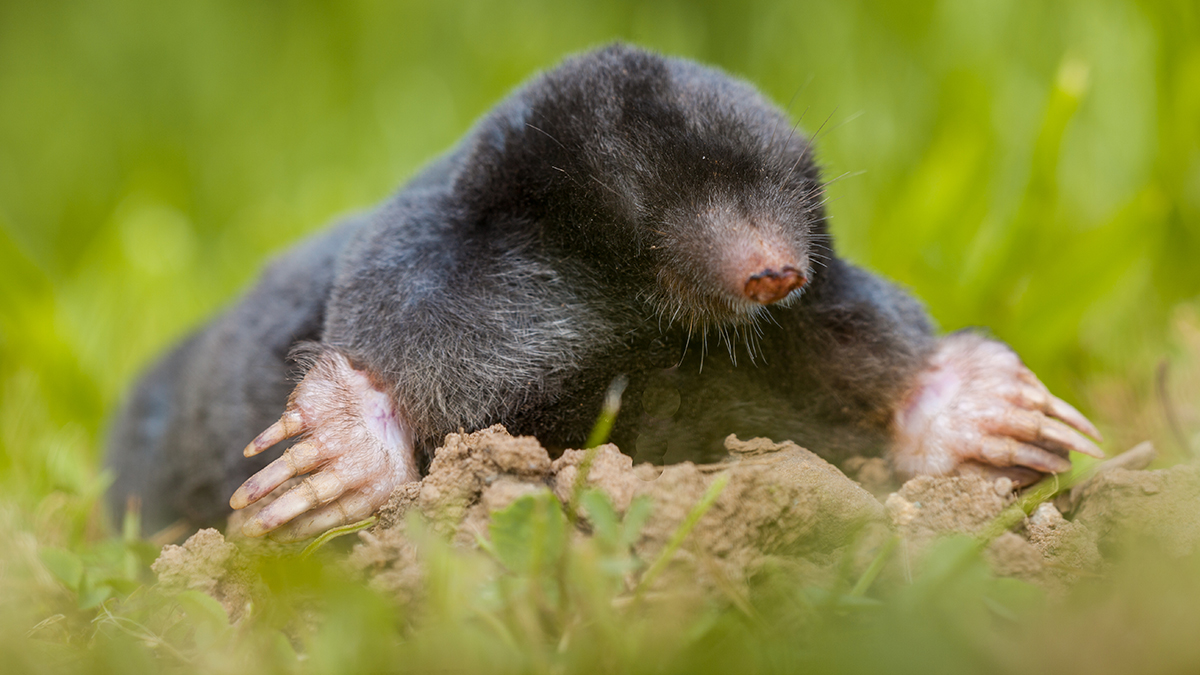
While people walking on the ground don't notice, moles are digging tunnel networks underground beneath our feet. The Nature Network summarized the behavior of moles, saying that their underground life is 'more complex and interesting than we expected.'
The Secret Life Of Moles: What They're Really Up To Underground – The Nature Network
The tunnels that moles build aren't just random holes. They're divided into sections for sleeping, food storage, defecation, and raising children, and are structured like planned communities with multiple levels and corridors. They can sometimes span several acres .
The tunnels do not all have the same function, but rather have separate functions: the main tunnel acts as a highway for travel, while the smaller side tunnels are used as feeding areas for captured prey.
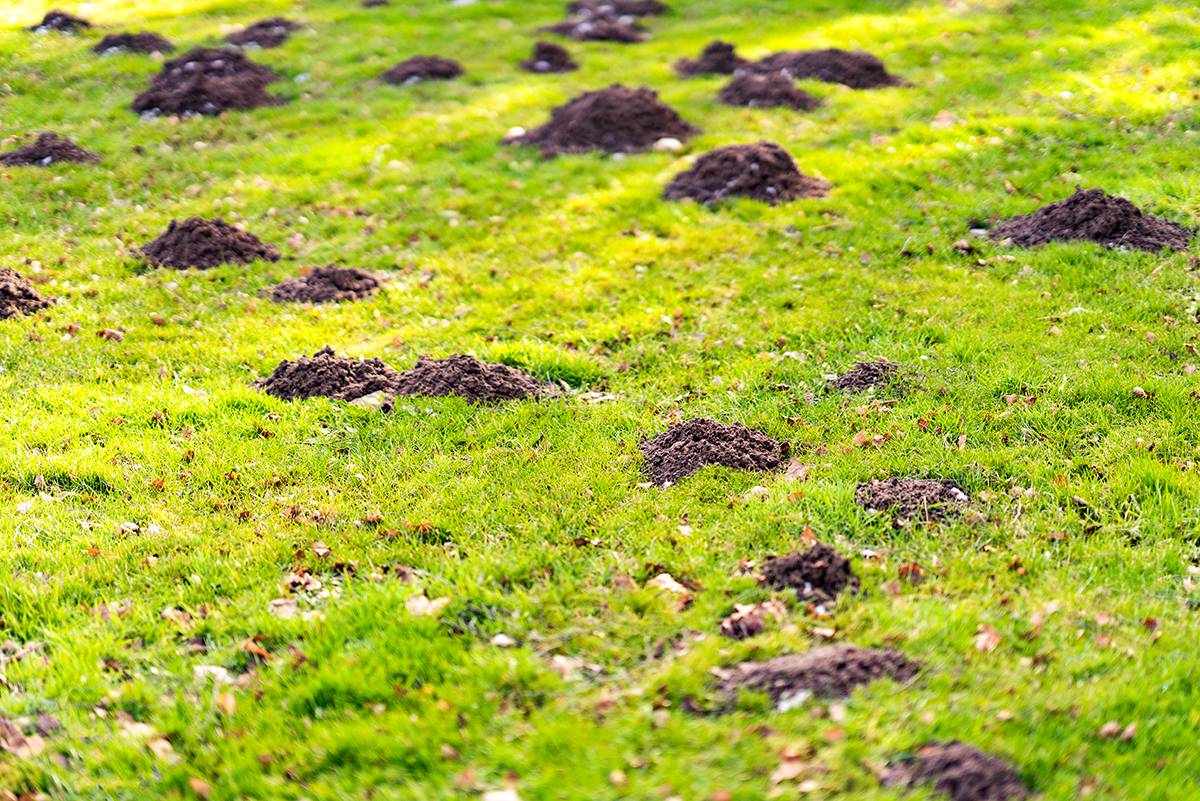
◆Digging tunnels and hunting
Moles use their strong front legs and shoulders to dig through the soil like they're swimming, and can dig up to 18 feet (5.5 meters) of tunnels in an hour. Under the right conditions, they can even create 150 feet (46 meters) of new tunnels in a single day.
Their vision is so weak that they can only distinguish between light and dark. Instead, they rely on touch and vibration detection to understand their surroundings. Their snouts have over 100,000 nerve fibers, which The Nature Network says is 'six times the number in a human hand.' These senses allow moles to detect tiny vibrations in the soil, allowing them to hunt even in complete darkness.
◆ Food is kept alive
Moles don't just eat their prey immediately after catching it; they also build underground food storage areas to keep food alive. Mole saliva contains a toxin that immobilizes prey, allowing them to preserve it without killing it, so it can 'keep fresh for weeks.' It seems that these food storage areas can sometimes hold hundreds of earthworms.
On the other hand, even if the tunnel network is large, moles do not live together. Moles are very solitary animals, and if their territory is invaded, it can lead to a life-or-death fight. Although they only come into contact with each other during the breeding season, these interactions are short and tend to be aggressive.
Always eating
The Nature Network explains that moles have a high metabolism and need to constantly eat, meaning they can starve to death if they go 12 hours without food. Their main diet is earthworms, but they also eat larvae and insects, and in some cases, they can eat more than 200 earthworms a day.
◆Ensuring air circulation, maintaining body temperature, and preparing for emergencies
Because moles live underground, it's important for them to have access to air. They achieve this by creating 'vertical holes and spaces that allow fresh air to enter the tunnels and expel stale air to the surface.' Openings to the surface can also provide natural ventilation and cooling.
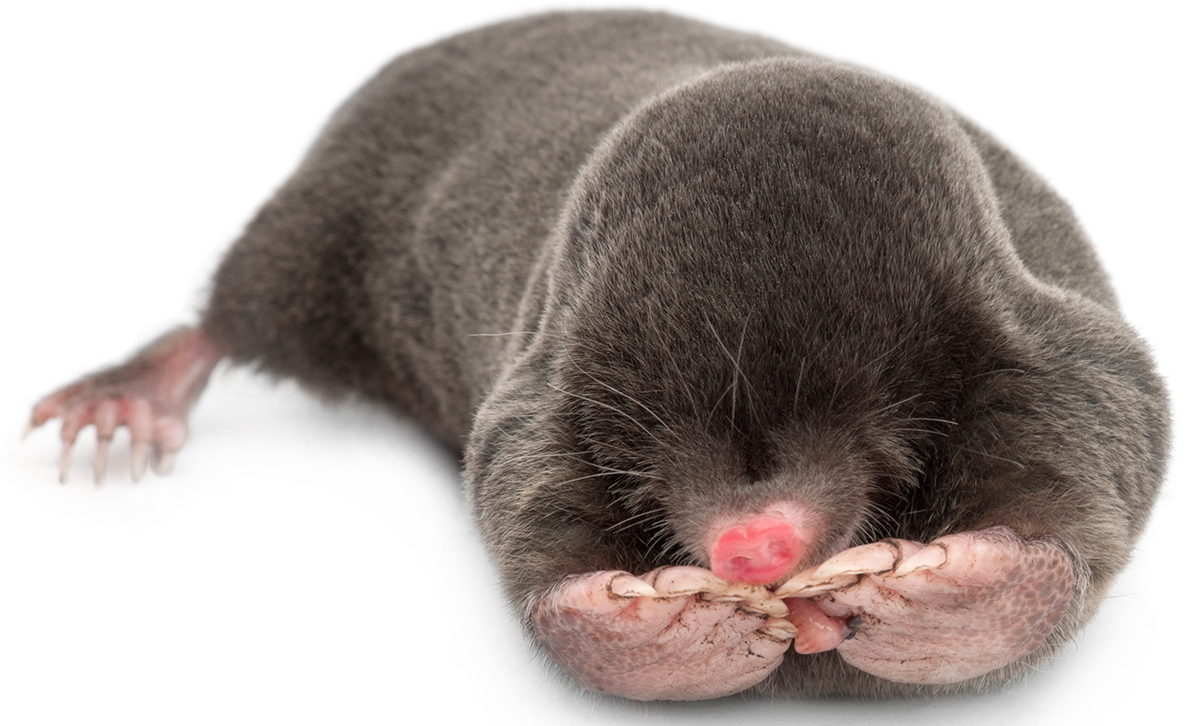
Mole fur plays an important role in maintaining body temperature. Mole fur is very dense—'thicker than seal fur,' according to The Nature Network. Its 'eyes' are less noticeable even when spun against the grain, and it traps air well, helping it maintain body temperature even in cold, damp underground environments. Mole fur also repels dirt and moisture.
Moles also prepare multiple exits and dead ends to escape from threats such as predators or human activity, and may even create separate escape routes in case their main tunnel is threatened.
According to The Nature Network, moles can intentionally slow their heart rate to conserve oxygen, they can swim, and can even survive underwater for a few minutes.
◆ Changing the soil and reshaping the underground environment
When moles dig, they mix the soil layers, improving aeration and changing the way water flows. Their droppings and organic matter can change the soil's pH and nutritional status, and areas where moles are active can have different soil chemistry than the surrounding area.
The Nature Network claims that moles communicate primarily through ground vibrations, creating patterns of vibrations through digging and other activities that can be used to mark territory, call for mating, or signal danger.
Given these characteristics, The Nature Network describes moles as ' ecosystem engineers ' that dramatically change the underground environment.
Related Posts:








in Science, Posted by log1b_ok