Why don't giant trees eat up their surroundings?
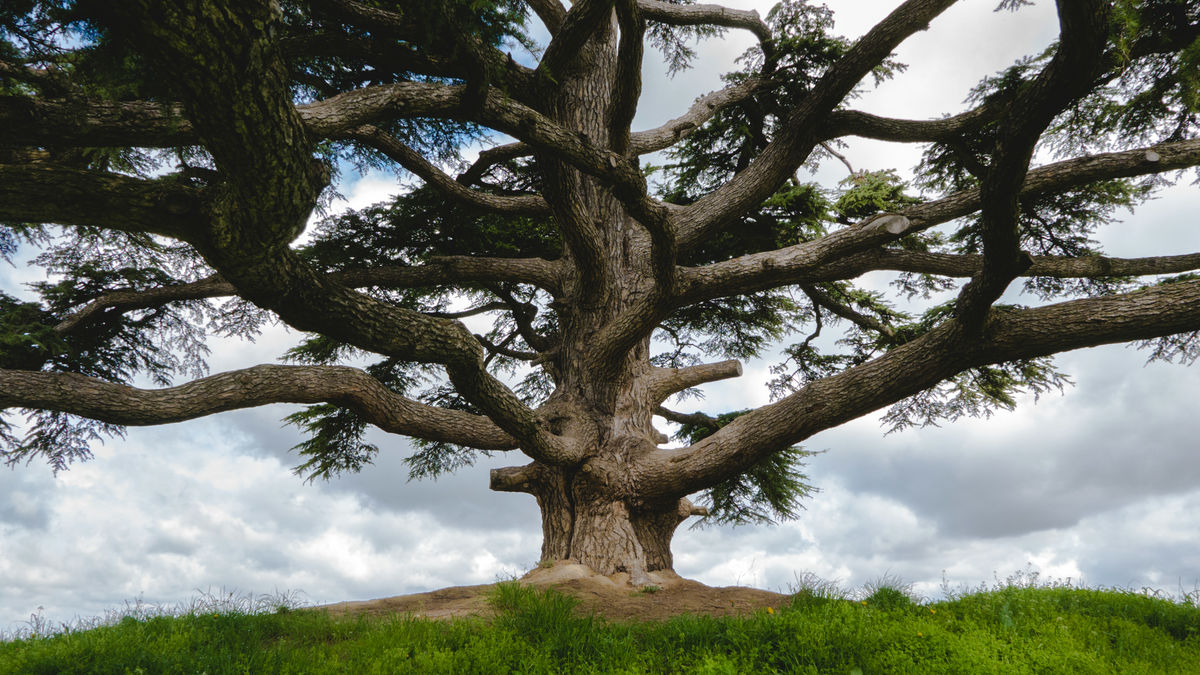
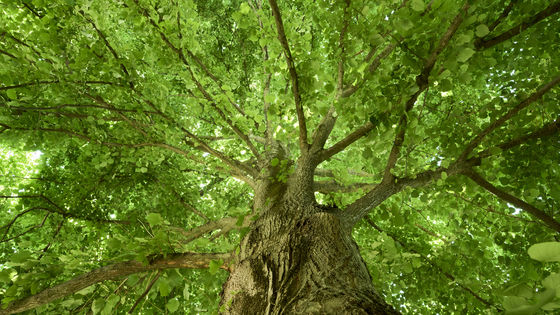
Some large trees weigh up to 2,000 tons, equivalent to the weight of 10 blue whales, the largest animal on Earth. However, while giant creatures can eat up all the food around them, there is no such phenomenon as 'nutrient depletion' around large trees. The science YouTube channel Kurzgesagt explains the mechanism by which trees can grow so large without damaging the surrounding environment.
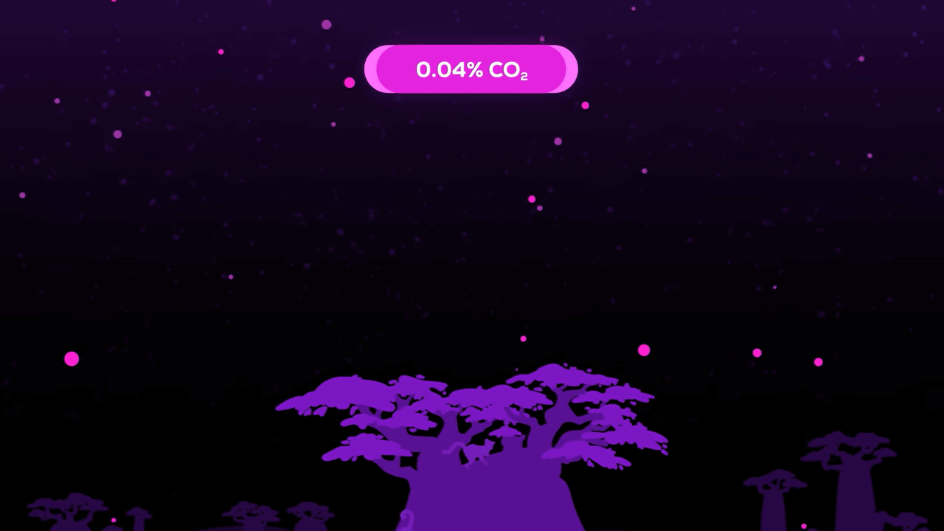
The first important factor for plant growth is carbon dioxide in the air. Carbon is the most valuable substance for all living things, and one of the reasons plants have thrived is their excellent ability to absorb carbon. However, carbon dioxide only makes up about 0.04% of the air, so for a large tree to obtain one ton of carbon as nutrients, it needs to process about 6,000 tons of air, or about 5 million cubic meters of air in size.
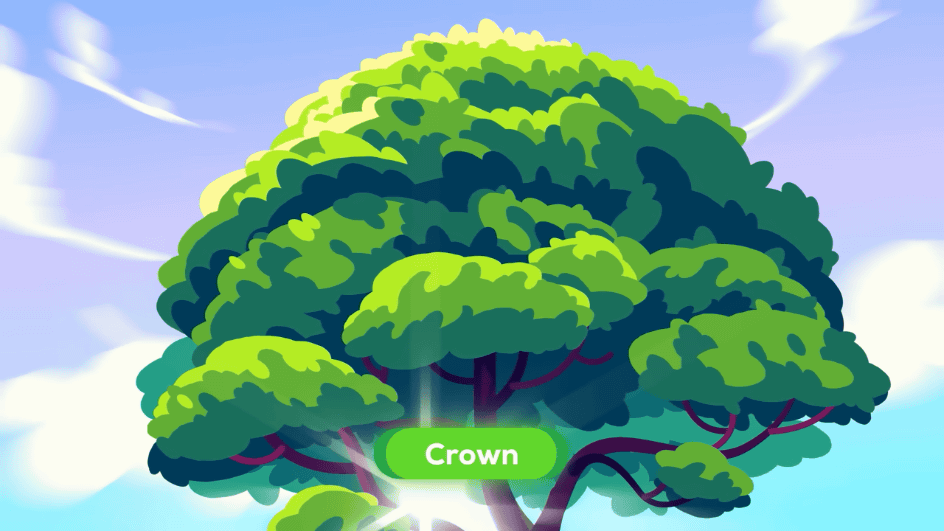
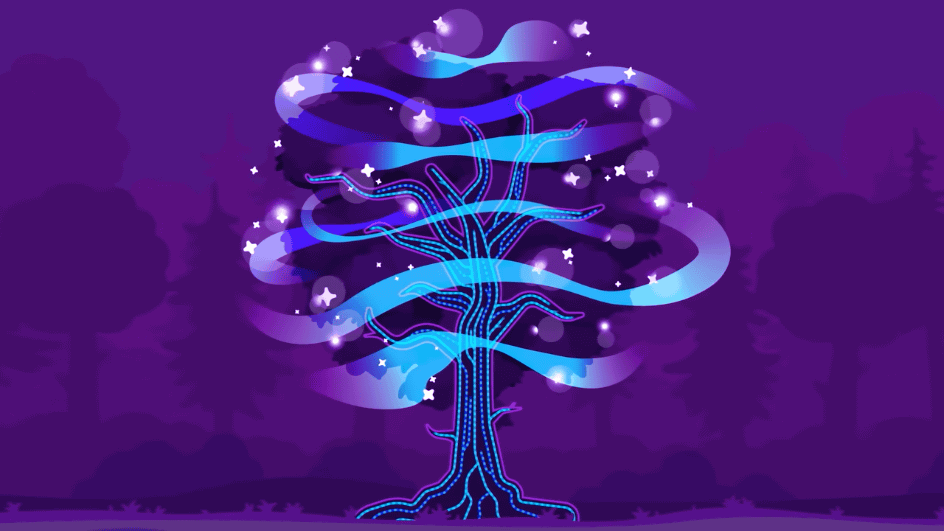
The tree canopy helps process large amounts of air. The canopy is the entire area of the tree covered with branches and leaves, with anywhere from a few dozen branches to tens of thousands of twigs that extend towards the sun.
Millions of leaves efficiently process the surrounding air, using water and minerals transported from the roots and expelling waste materials. Leaves are optimized to have as large a surface area and as thin as possible to collect sunlight, and a network of nutrients is built inside the leaf.
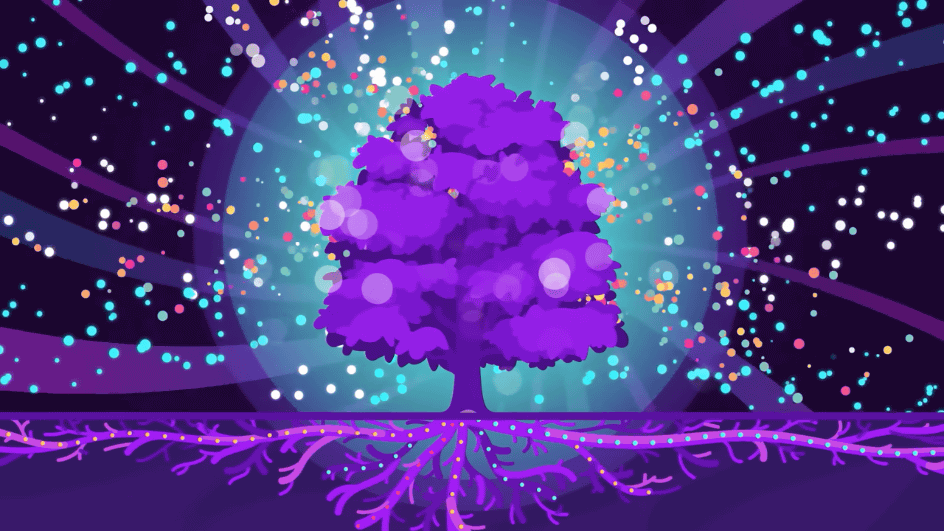
A mature tree draws up several tens of liters of water from the ground every day, spreading it all the way to the tips of its branches. 95% of the water it draws up is released through the stomata on the underside of its leaves, and when exposed to direct sunlight, it turns into an invisible mist that surrounds the tree. The large amount of steam emitted by the tree creates clouds and causes rain, completing a cycle in which water is supplied to the ground for the mature tree to draw up again.
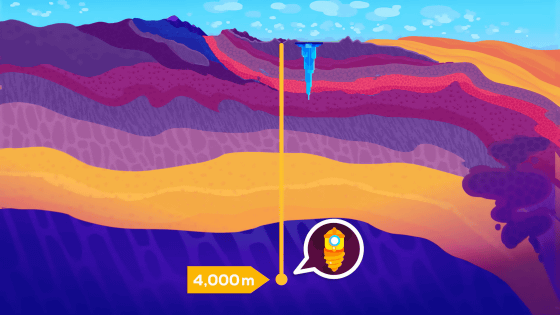
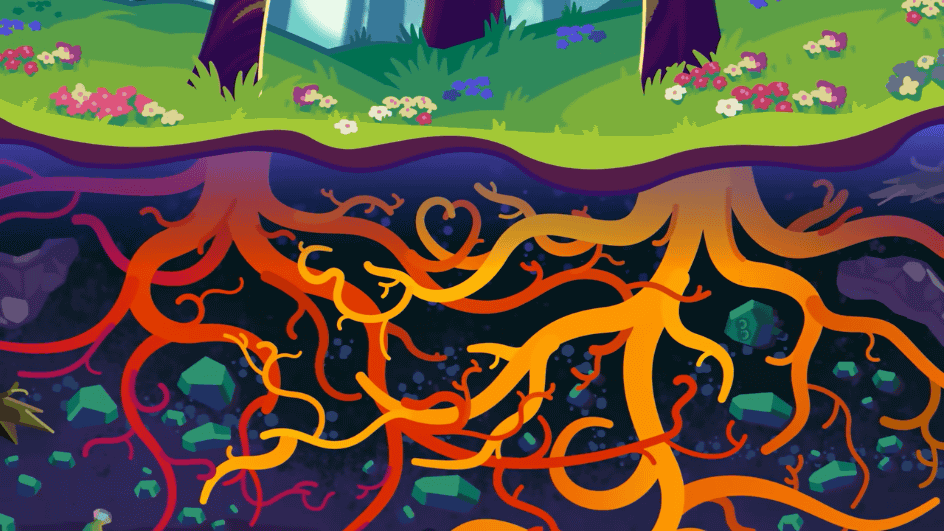
Trees' strange mechanisms are not limited to what is visible above ground; their underground roots have an even stranger biology. 50% of tree roots are said to be within 25cm of the soil surface, spreading out horizontally, and instead of extending straight down, the roots of neighboring trees are intertwined. The only exception is when trees grow in extremely dry areas, where their roots extend nearly 70m underground to access water deep underground, but in other cases, their roots only extend to a depth of about 7m.
At the tip of the root there is a tissue called

Once the roots have chosen their path, they absorb water and minerals through hair-like epidermal cells called
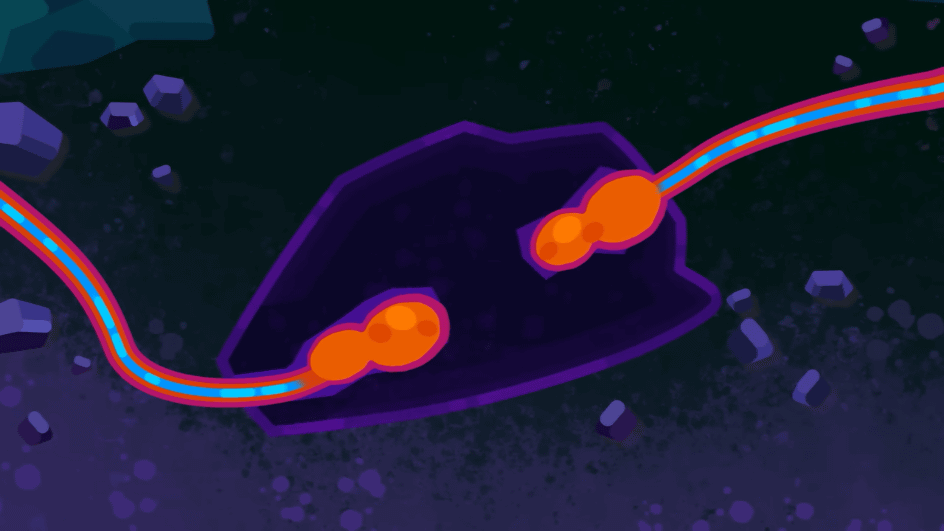
Roots have a sophisticated mechanism, but there are some places they cannot reach. Fungi help them penetrate these small spaces and absorb nutrients. Trees provide the fungi with some of the sugars they produce high in the air, and the fungi in turn grow directly into the root cells, creating a network through which sugars and minerals are exchanged. Some fungi also wrap around the tips of roots to protect them from microorganisms.
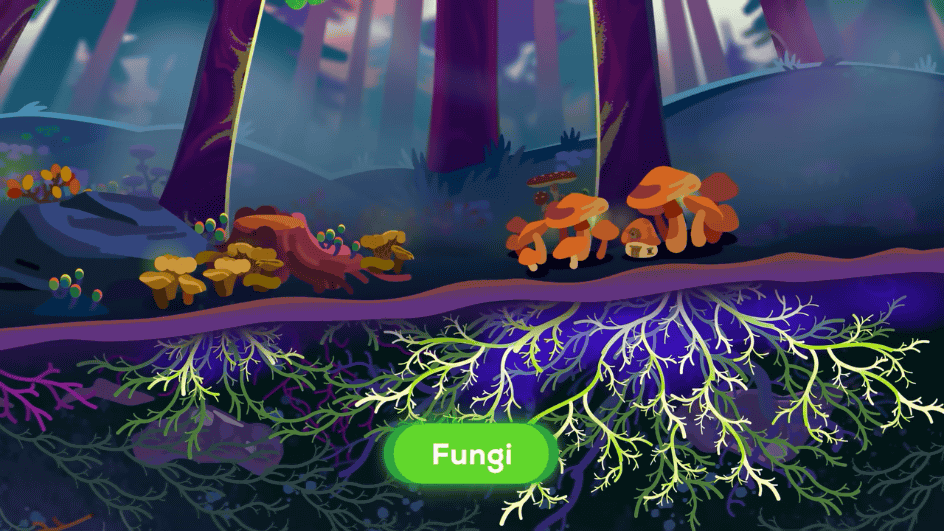
In this way, trees grow through an elaborate system that spans above and below ground. The water and nutrients they obtain from underground form a huge cycle, and most of the tree's massive body is made up of air rather than soil, so trees don't consume their surroundings in order to grow to their full potential.
Related Posts: