Secret documents reveal PepsiCo and Walmart conspired to raise food prices
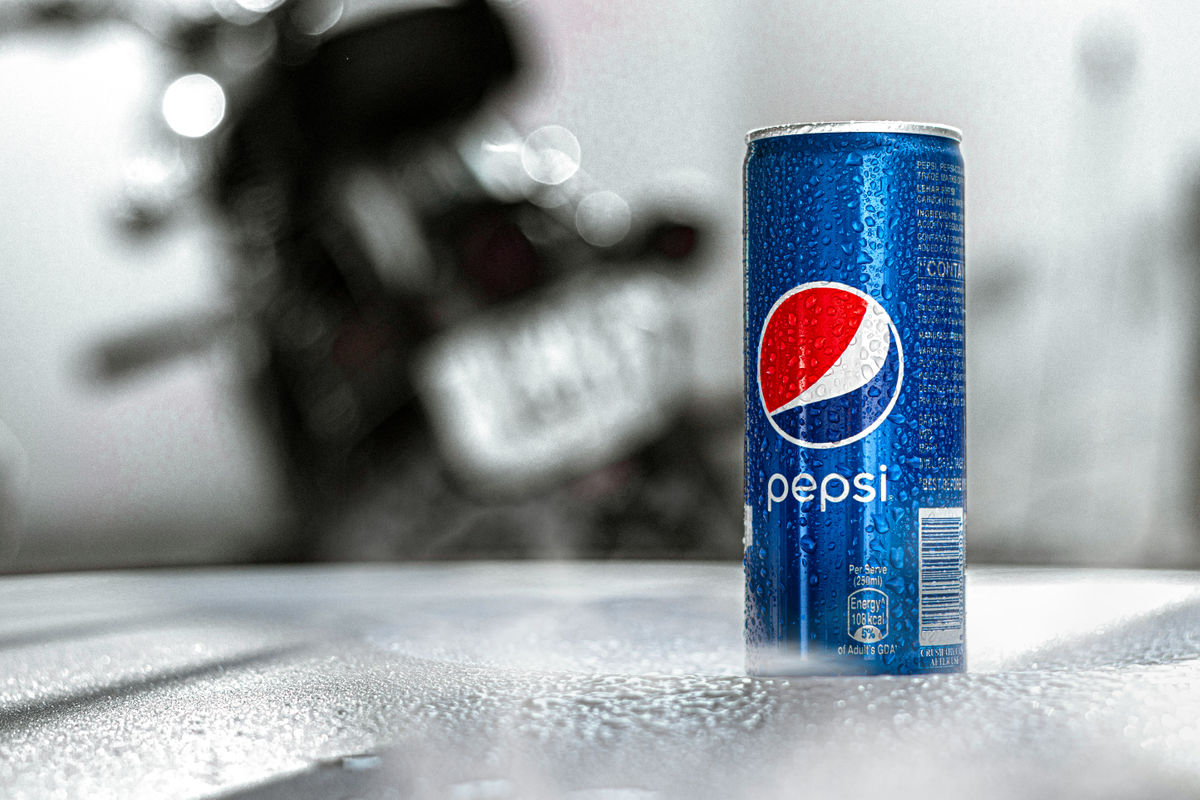
The Federal Trade Commission (FTC) filed a lawsuit against PepsiCo, a major beverage company, alleging that PepsiCo and Walmart, a major retailer, colluded to manipulate food prices. PepsiCo may have offered products at specially low prices only to Walmart, encouraging customers to buy products at Walmart.
Secret Documents Show Pepsi and Walmart Colluded to Raise Food Prices Across the Economy
According to the FTC's complaint, PepsiCo conspired with Walmart to offer higher wholesale prices to all retailers other than Walmart in exchange for prominent placement of PepsiCo products in Walmart stores, giving Walmart the lowest prices on PepsiCo products and a competitive advantage over its competitors.
Walmart was PepsiCo's largest customer, and was so dominant that it stated in its investment documents that 'the loss of Walmart would have a material adverse effect on our business.' To maintain its relationship with Walmart, PepsiCo not only offered special discounts and online coupons to Walmart, but also monitored the prices of competitors and submitted reports showing that Walmart had an advantage.
PepsiCo executives feared that if the price gap between competitors and Walmart narrowed too much, it would 'anger Walmart,' so they went to the trouble of tracking customers buying PepsiCo products outside of Walmart, and designated stores that offered voluntary discounts as 'price gap violators' within the company and kept records. Walmart also pressured PepsiCo, and apparently filed complaints against PepsiCo when the price gap with competitors narrowed too much.
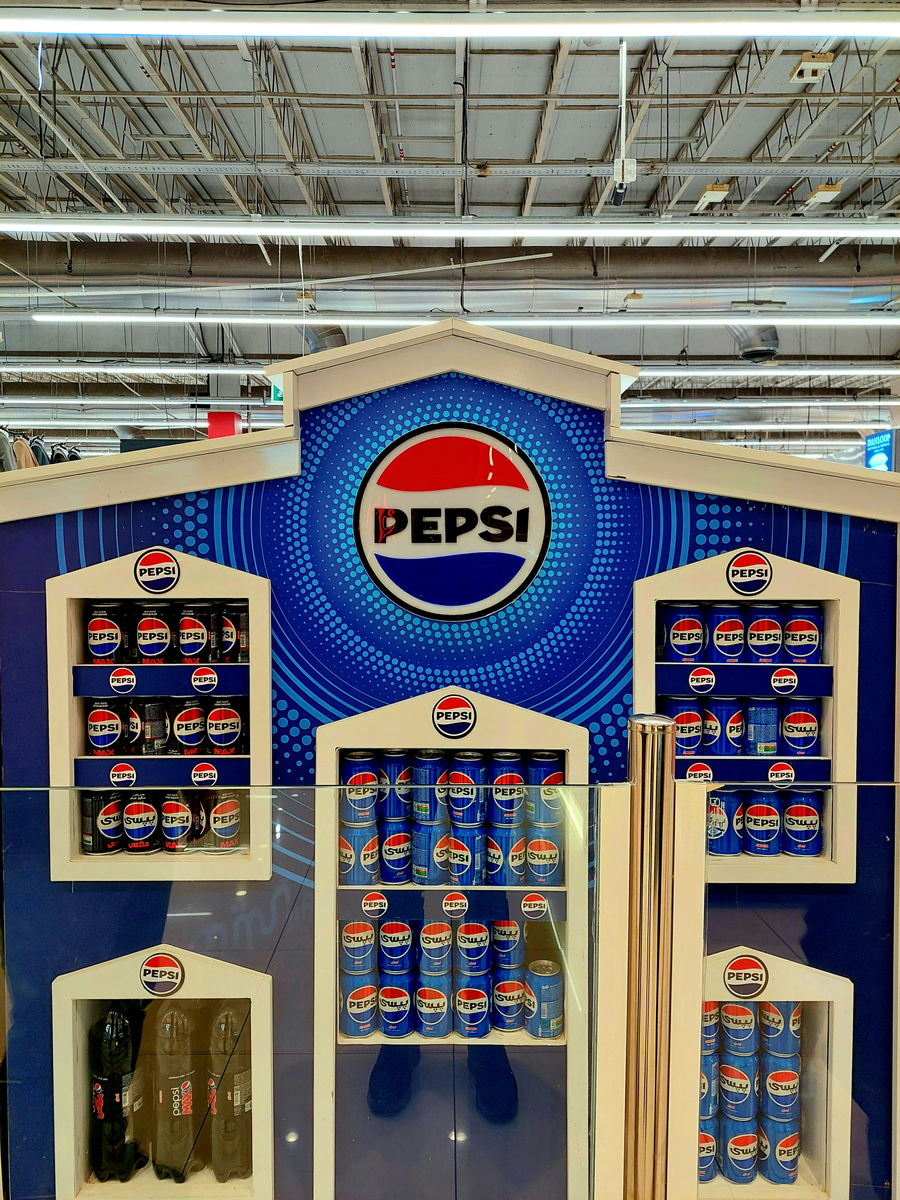
To ensure higher prices at rival stores, PepsiCo provided promotional spending such as 'price reductions.' Stores that refused to cooperate with PepsiCo were penalized, and retailers who tried to discount PepsiCo products faced the termination of promotional spending and unilateral increases in wholesale prices.
One example cited was the supermarket chain Food Lion. Food Lion had been adjusting its prices to match or undercut Walmart, but when PepsiCo learned of this, it labeled Food Lion as the 'worst offender' in the pricing discrimination issue and devised a plan to raise the retail prices of its products by cutting promotional spending and increasing other costs. This internal plan stated that 'Food Lion will increase its prices at least annually at a rate above the market average.'
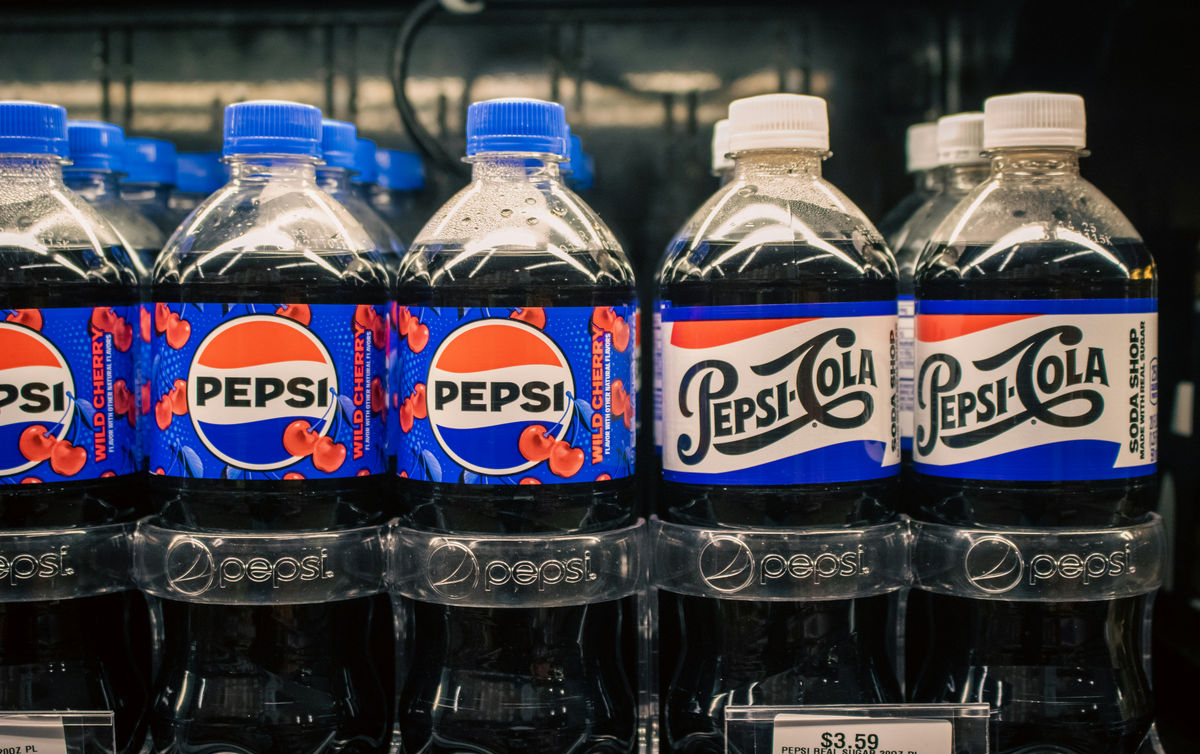
The court documents containing these details were initially redacted, making it unclear whether Walmart was indeed PepsiCo's major customer, or whether there was any collusion between PepsiCo and Walmart. The lawsuit was forced to be dropped in May 2025 by Andrew Ferguson, the new FTC Chairman under Donald Trump, and former Chairman Lina Khan, who led the lawsuit, was verbally attacked. However, the anti-monopoly group, the Institute for Regional Self-Reliance (ILSR), filed a motion to have the full text of the complaint made public, and Judge Jesse Matthew Furman ordered the complaint unsealed.
Big Newsletter, which covered the case, said, 'While the FTC initially dropped the lawsuit, it may move to reopen the case under bipartisan pressure. It's also possible that the findings of this case could be used in a civil lawsuit. PepsiCo is also being sued for illegal price fixing in snack foods, but this type of price discrimination isn't limited to PepsiCo; it can be found everywhere, from transportation and advertising purchases to pharmaceutical distribution and alcohol sales. This leads to market concentration and inflated prices.'
Related Posts:


in Note, Posted by log1p_kr