Audio recording of lightning on Mars, putting an end to a long-running debate
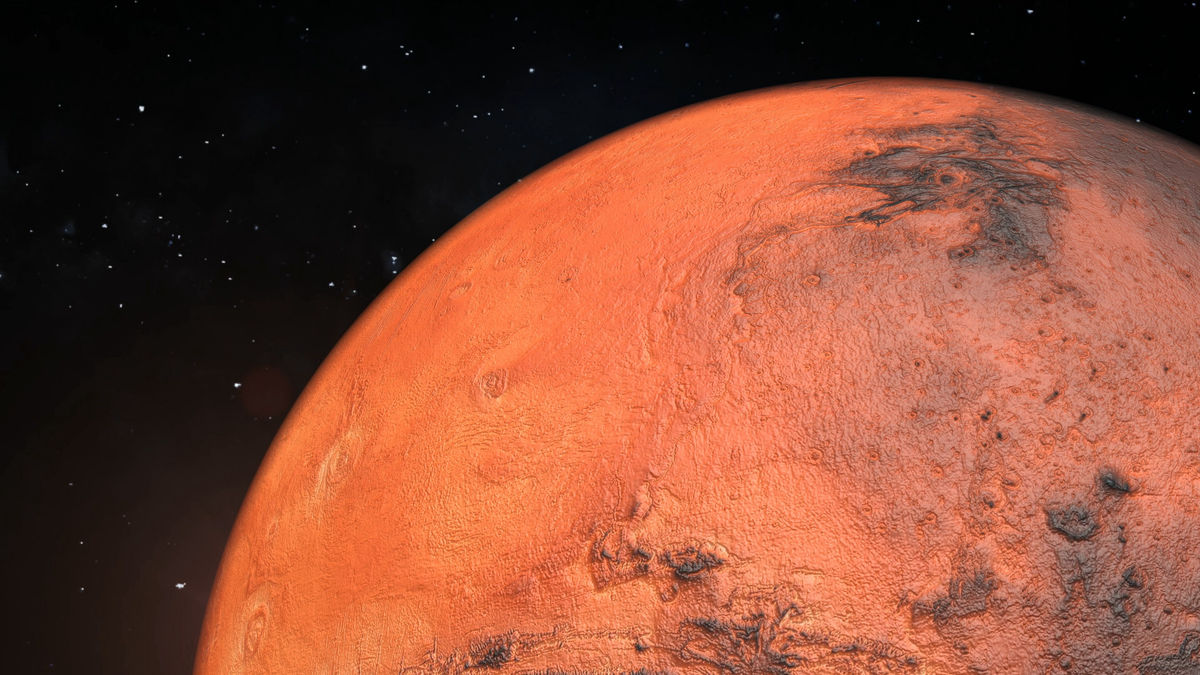
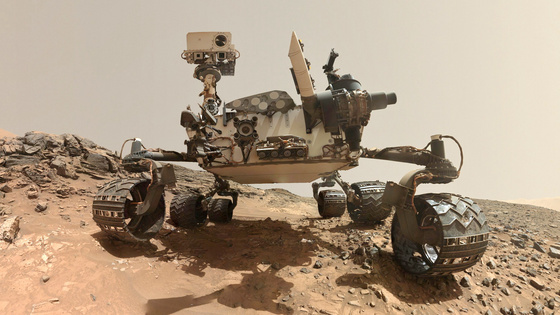
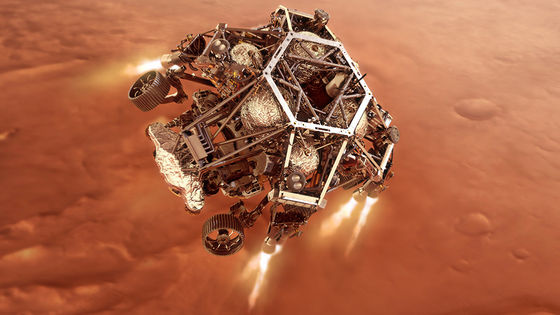
NASA's Mars rover
(PDF file) Detection of triboelectric discharges during dust events on Mars | Nature
https://www.nature.com/articles/s41586-025-09736-y.epdf
NASA Rover Detects Electric Sparks in Mars Dust Devils, Storms | NASA Jet Propulsion Laboratory (JPL)
https://www.jpl.nasa.gov/news/nasa-rover-detects-electric-sparks-in-mars-dust-devils-storms/
NASA Mars rover captures crackling lightning. Hear the 'thunder' yourself. | Mashable
https://mashable.com/article/nasa-mars-lightning-perseverance-audio-recording
Lightning has long been observed on Jupiter and Saturn, and it has been thought for decades that lightning also exists on Mars, but direct observations have not been possible because the Martian atmosphere is so thin that it is difficult for lightning to develop into the large-scale events seen on Earth.
Jupiter's lightning is closer to Earth's lightning than previously thought - GIGAZINE
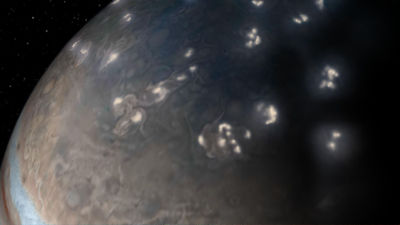
Scientists have previously theorized that Martian dust whirls create friction between tiny particles as they swirl and rub against each other, generating enough charge to generate electricity through ' triboelectric charging .' While triboelectric charging of sand and snow particles has been well documented in desert regions on Earth, it rarely results in an actual discharge.
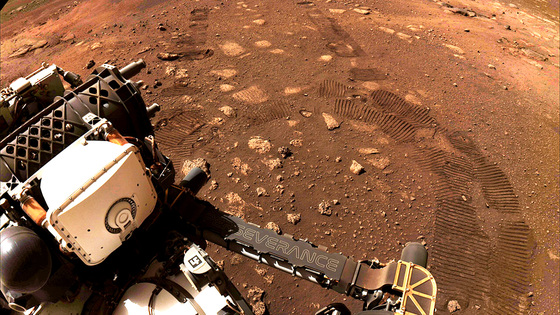
Researchers at NASA's Jet Propulsion Laboratory (JPL) used microphones and electromagnetometers on the Perseverance spacecraft's SuperCam to record audio and electromagnetic data as dust storms and dust devils passed by.
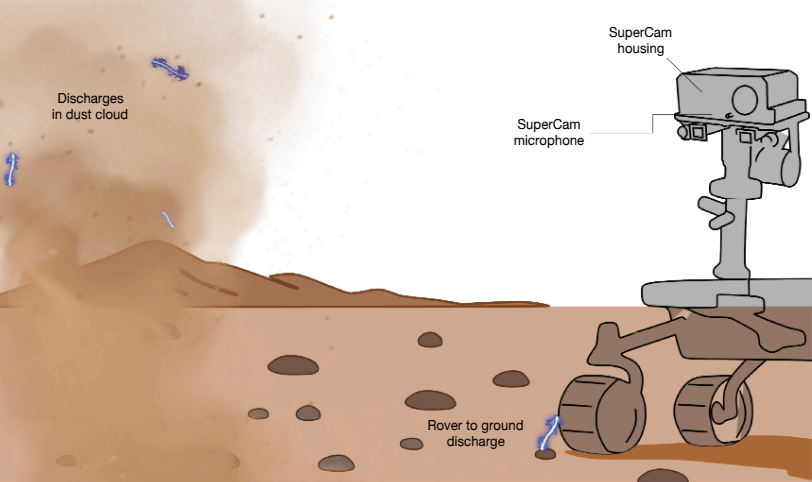
Below is audio data from Perseverance released by JPL, which shows repeated 'crackling' sounds of electrical discharges mixed in with the sound of wind.
The study identified 55 discharge events during the approximately two-year mission, 16 of which were recorded when dust devils passed over the observation instruments. The duration and conditions of the discharges varied from event to event, with some thought to be caused by 'electrostatic discharges' in the air, while others were thought to be caused by violent rising dust turbulence.
'The thin atmosphere on Mars makes frictional charging much easier,' said Baptiste Chide, a member of the Perseverance science team. 'The amount of charge needed to create a spark is much less than what's needed in Earth's atmosphere near the surface.'
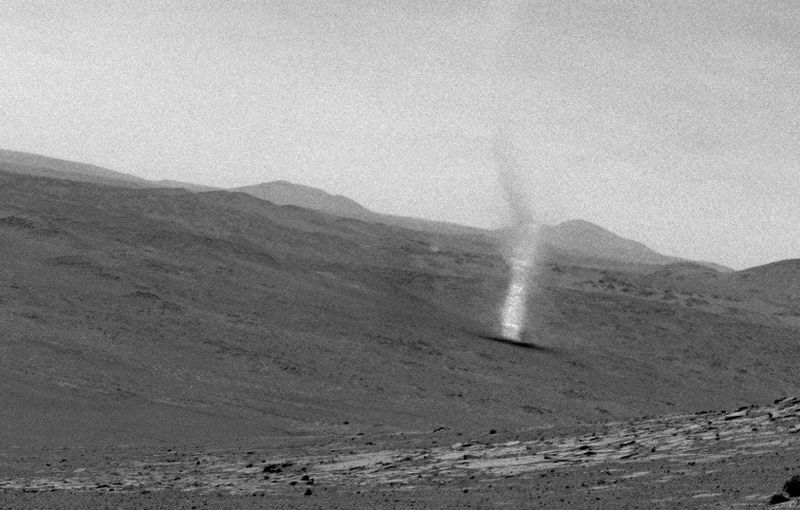
NASA says the discovery of recorded evidence of electrical discharges dramatically changes our understanding of Mars. Their presence could potentially give the Martian atmosphere enough electrical charge to activate chemical reactions, leading to the production of powerful oxidizing compounds. These substances could effectively destroy organic molecules on the surface and decompose atmospheric compounds, altering the overall chemical balance of the Martian atmosphere.
These chemical reactions may explain the mysterious past observations of a rapid disappearance of methane from Mars, and may also provide important clues for understanding the possibility of terraforming Mars to make it habitable for humans.
'Since we have confirmed that discharges are likely to occur in the Martian atmosphere, we must anticipate electrical phenomena under conditions different from those on Earth,' the researchers wrote.
Related Posts:

in Free Member, Science, Posted by log1e_dh