How does the morning-after pill work? What are its side effects and how does it relate to BMI?

How does the morning-after pill work? | Live Science
https://www.livescience.com/health/fertility-pregnancy-birth/how-does-the-morning-after-pill-work
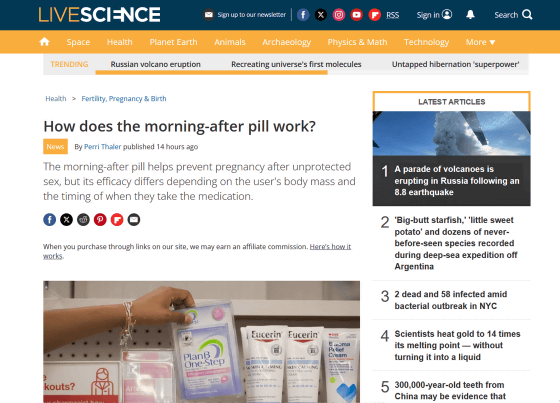
◆How does the morning-after pill work?
In order for a woman to become pregnant after sexual intercourse, a process called fertilization is required, in which the egg released by ovulation meets the sperm in the fallopian tube and the sperm enters the egg. The morning-after pill works by suppressing or delaying ovulation, preventing fertilization.
There are two types of morning-after pills available on the market in the United States. One type contains a progestin , an artificial replica of the hormone progesterone, which regulates the menstrual cycle. The other type contains an antiprogestin, which blocks progesterone receptors. Both types prevent unwanted pregnancy by keeping eggs in the ovaries for longer than usual.
Colleen Denny, an obstetrician-gynecologist at New York University Langone Medical Center, explains the effectiveness of the morning-after pill: 'Even though sperm are present in the vagina and uterus after intercourse, the egg remains safely within the ovaries, so the sperm never actually encounter the egg.'
One thing to keep in mind when taking the morning-after pill is that it is a medication that delays ovulation, so there is no point in taking it after the egg has already been released. Therefore, doctors recommend taking the morning-after pill as soon as possible if you have had unprotected sex.
'The morning-after pill is one of the catchier names for emergency contraception, but it's actually misleading, because the morning-after pill is most effective when taken immediately after unprotected sex,' says Alison Edelman , a professor of obstetrics and gynecology at Oregon Health & Science University.

◆Is the morning-after pill safe?
Common side effects of synthetic progestin and antiprogestin pills include abdominal pain, menstrual cramps, dizziness, headache, and nausea. These symptoms are caused by the morning-after pill temporarily changing hormone signals.
Denny told Live Science that it's difficult to harm yourself with drugs that affect progestin signals and that they don't cause blood clots or dangerous side effects. And because the mechanism behind both types of morning-after pills doesn't cause long-term side effects, it's safe to take them multiple times during the same menstrual cycle.
However, there is a difference in effectiveness between synthetic progestin and antiprogestin types. Synthetic progestin morning-after pills reduce the chances of pregnancy by
On the other hand, antiprogestin morning-after pills are about 85% effective at preventing pregnancy if taken within five days of sexual intercourse, and are said to be more effective than synthetic progestin pills when taken as directed. This is because they can block ovulation at a wider range of times, regardless of whether or not luteinizing hormone is secreted.
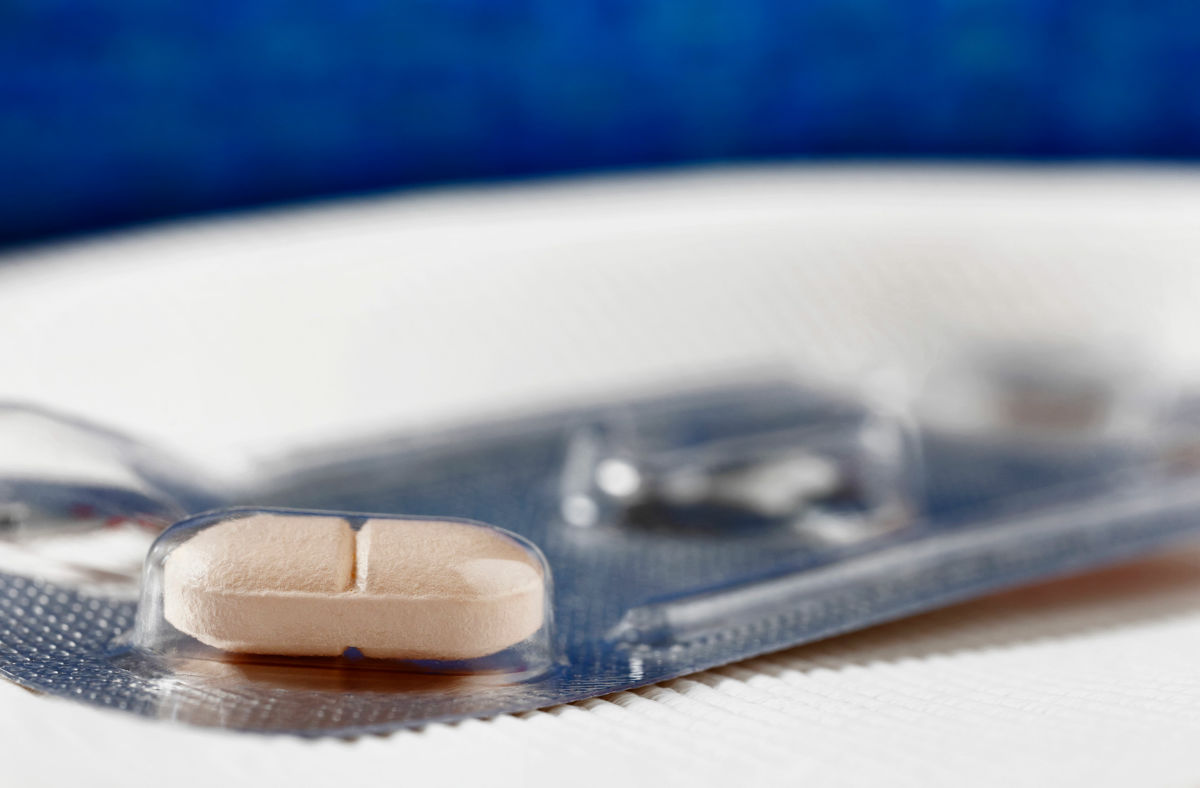
◆Does BMI affect the effectiveness of the morning-after pill?
The effectiveness of the morning-after pill may vary depending on the woman's BMI, with many studies showing that
Antiprogestin-based morning-after pills have been shown to be more effective than synthetic progestin-based ones for people with a higher BMI, with a 2014 study suggesting that the effectiveness of antiprogestin-based pills begins to decline at a BMI of 35 or above.
'We don't know for sure why the effectiveness of the morning-after pill depends on BMI,' Denny said. Some experts believe that the amount of fat in the body may affect blood drug concentrations, while others point out that irregular ovulation associated with high BMI complicates the research data, but neither explanation is conclusive. A 2022 clinical study led by Edelman examined whether increasing the dose of the morning-after pill could mitigate the effect of BMI, but increasing the dose did not improve efficacy.
However, doctors still recommend that women who are worried about pregnancy after inadvertent sex take the morning-after pill, even if they have a high BMI. 'If the morning-after pill is available and you have had inadvertent sex, you should take it. At the very least, it won't cause any harm and may provide some protection,' Edelman said.
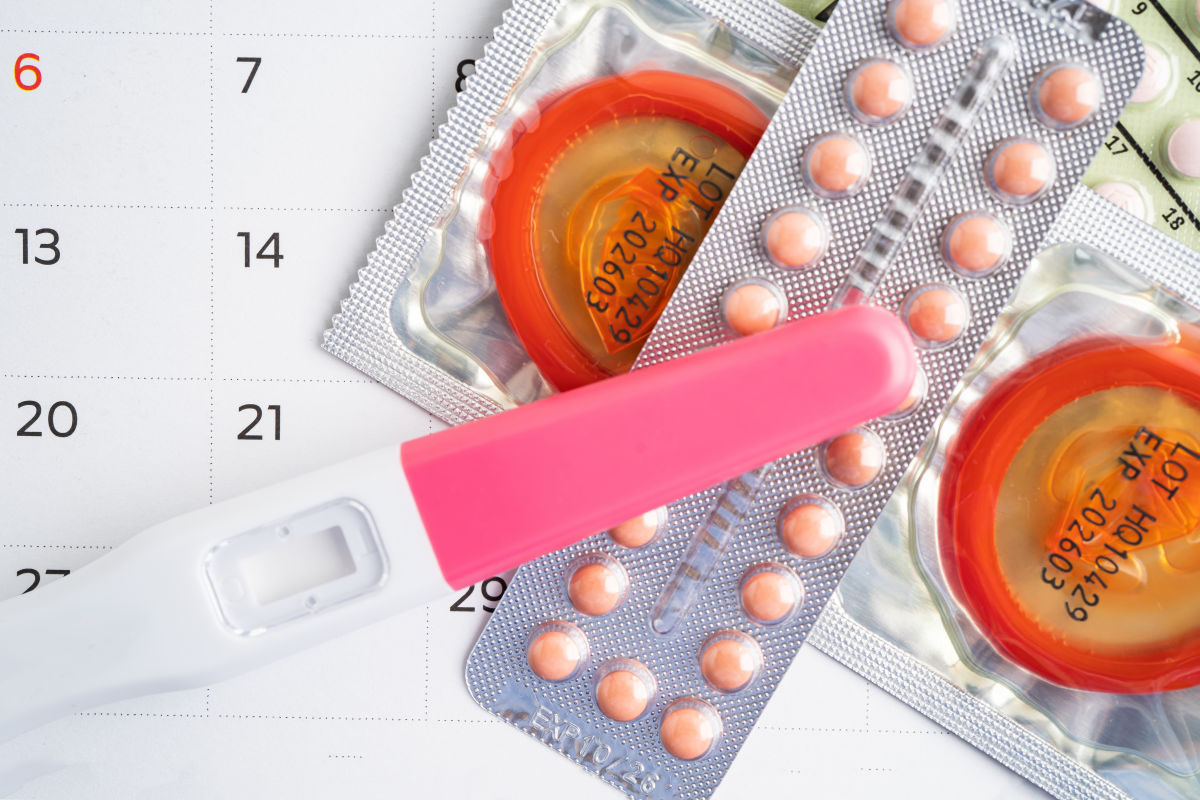
◆Is the morning-after pill an abortion drug?
According to Edelman, one of the most common misconceptions about the morning-after pill is that it's the same as abortion. However, the morning-after pill is a medication that prevents pregnancy, and does nothing to harm an already fertilized egg or embryo.
Denny points out that not only patients but also some doctors sometimes confuse the morning-after pill with abortion pills, saying, 'They are completely different drugs, but they are all pills and they are often mixed up in the news, so it can get confusing in conversations.' According to Denny, taking the morning-after pill after you are already pregnant will not have any effect on your pregnancy.
Edelman recommends that anyone who might become pregnant keep the morning-after pill on hand so they can take it if necessary. The typical morning-after pill can be stored unopened at room temperature for several years.
Denny also explains that an alternative to the morning-after pill is the intrauterine device (IUD) , which is a device inserted into the uterus and is said to be over 99.9% effective at preventing pregnancy if inserted within five days of unprotected sex.
The advantages of IUDs include the fact that they can be used for several years after placement and that their effectiveness is not affected by BMI. 'IUDs are more effective than the morning-after pill for everyone, but they are especially beneficial for those with a higher BMI,' said Denny.
Related Posts:








in Free Member, Science, Posted by log1h_ik