What were the earliest civilizations of humankind like?
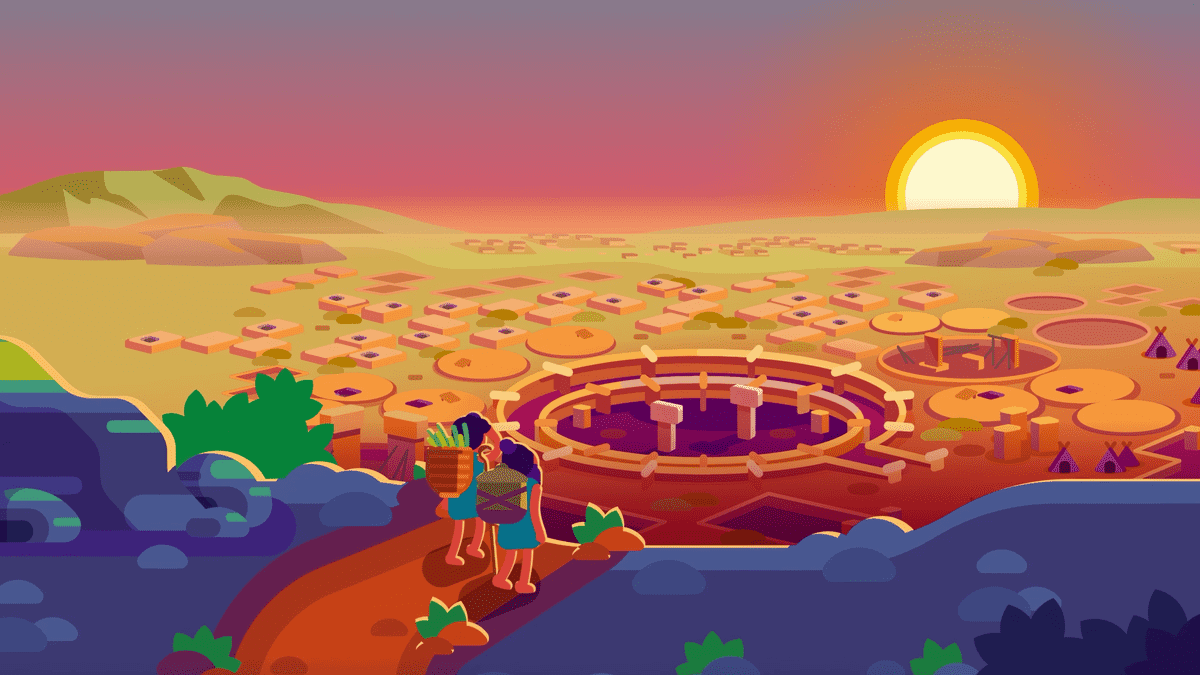
Humankind has built civilizations since ancient times, but very few records remain from the distant past. However, thanks to advances in DNA analysis and dating technology, the world of the past is gradually becoming clearer. The science-focused YouTube channel Kurzgesagt traces the history of humankind from about 12,000 years ago, when the last ice age came to an end.
We Finally Know More About Humanity's First Civilization - YouTube
Kurzgesagt first featured Karakhan Tepe , a settlement located in the westernmost part of Asia, in what is now southern Turkey, approximately 12,000 years ago. It is believed to be the oldest recorded human settlement site. Hundreds of people gathered there and used stone and wooden tools to carve T-shaped pillars, several meters high, into the bedrock, adorning them with animal sculptures. Some of these sculptures depicted naked humans proudly displaying their reproductive capabilities, while others were modeled after birds and beasts.
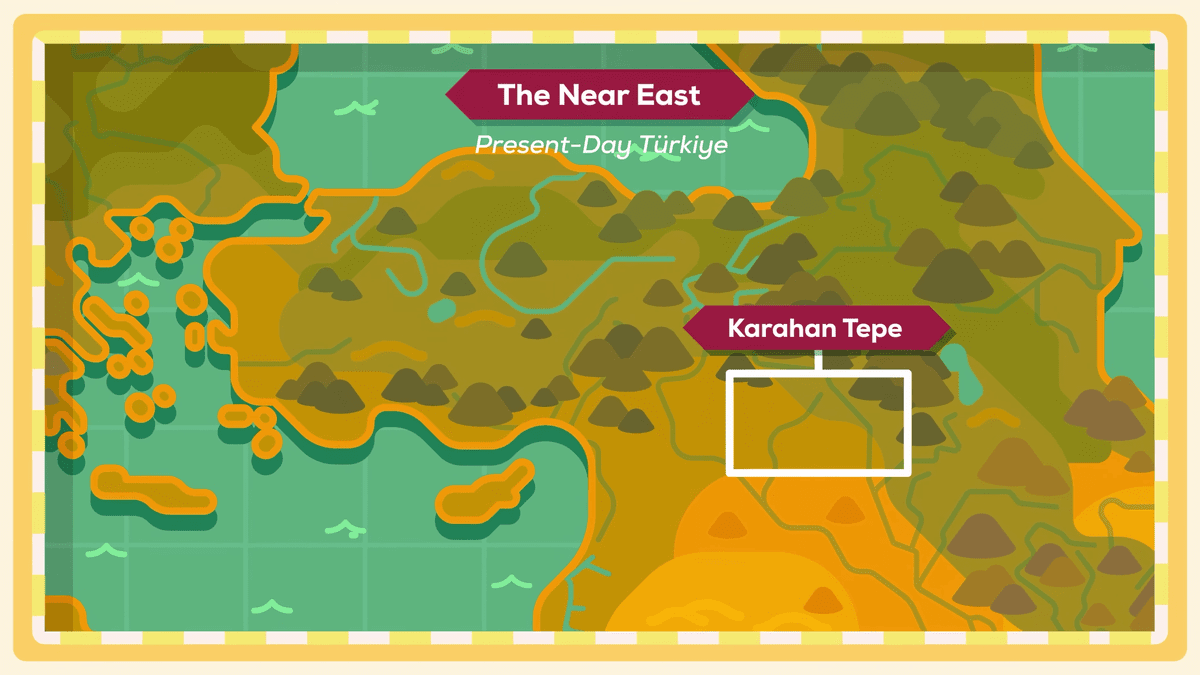
We don't know exactly how they carried out the work or why they created something like this. What we do know for sure, Kurzgesagt points out, is that this was an enormous project for the Stone Age and marked the beginning of a new era for the entire planet.
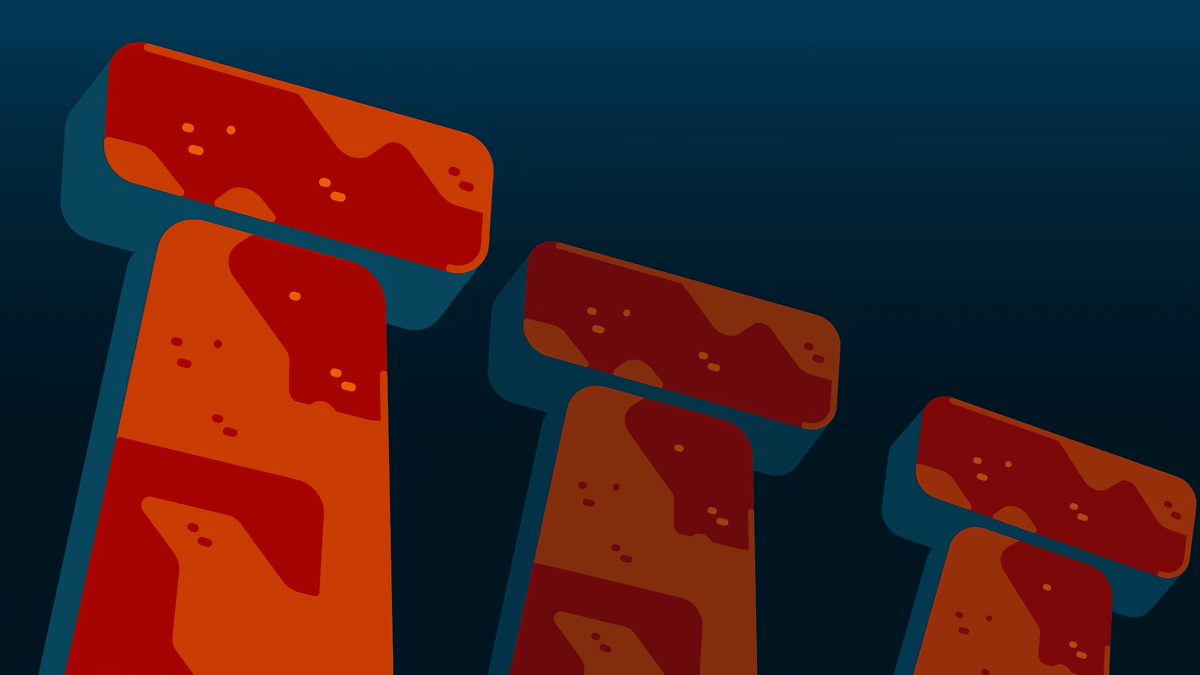
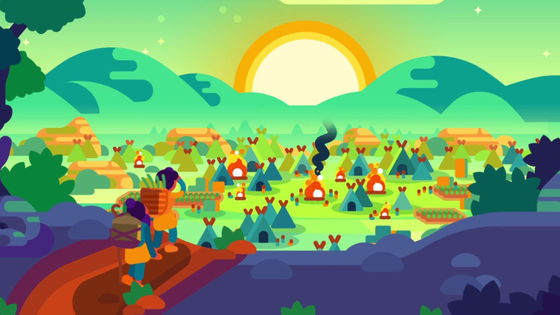
From here, an astonishing chain of progress begins. For thousands of years, humankind learned that if they buried some edible plants in the ground, they would grow again the following year, and even more abundantly than before. Then, with the end of the Ice Age and the stabilization of the climate, people began to cultivate plants themselves rather than gathering wild plants. This is where agriculture originated. Settlements, communities, rituals, and beliefs also developed around agriculture.
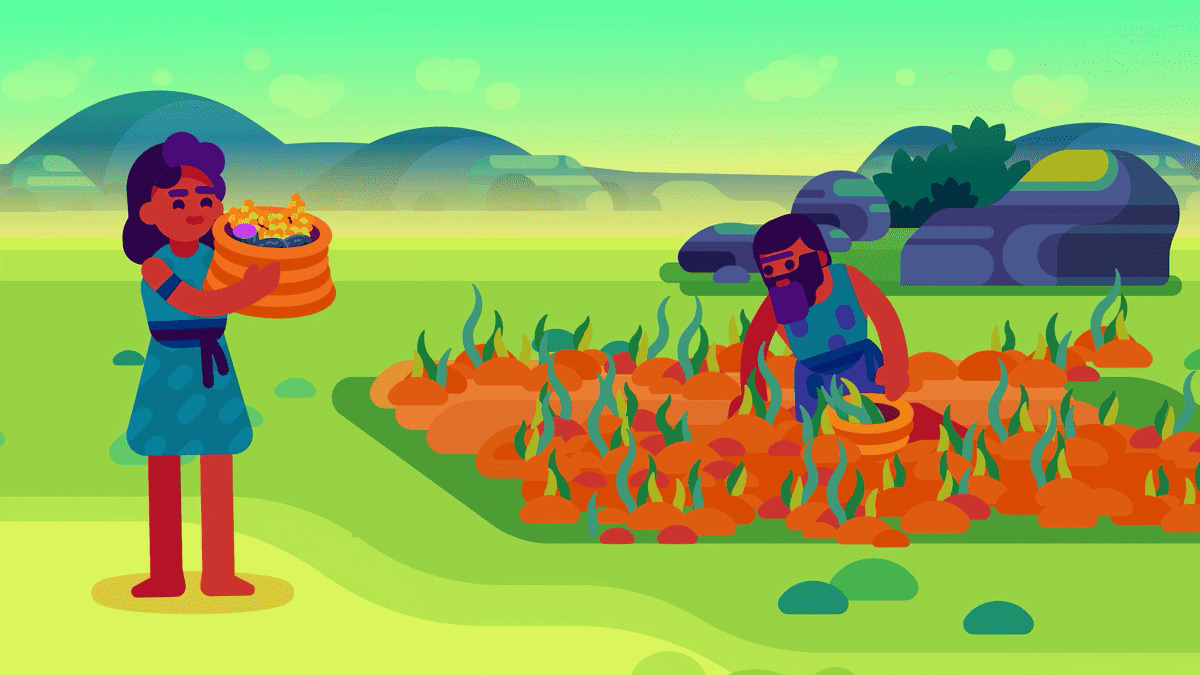
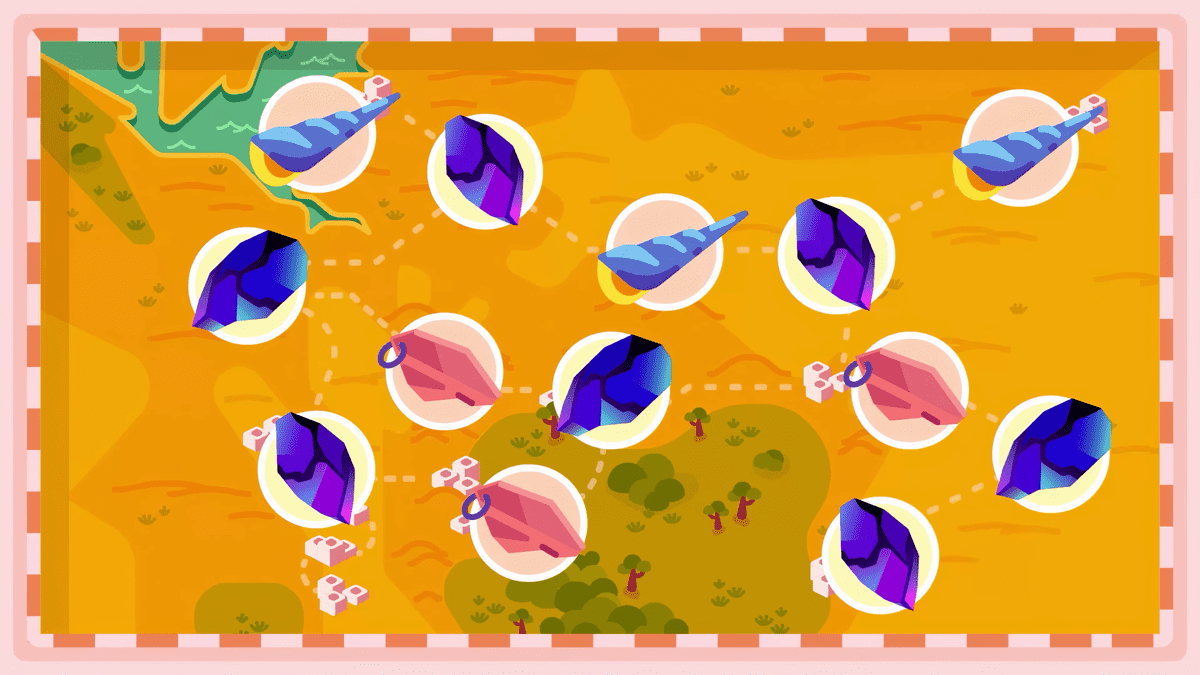
As food supplies increased, the population grew, new professions emerged, trade networks expanded, and the first artisans and artists appeared. Kurzgesagt then examines civilizations from 10,000 to 8,500 years ago. During this period, the human population is thought to have been between 5 and 10 million. Various communities had already experimented with different lifestyles, some of which were successful, while others disappeared. The already long-established trade networks developed further, and beads, shells, and above all, obsidian traveled hundreds of kilometers. It was during this era that the largest communities in human history were born.
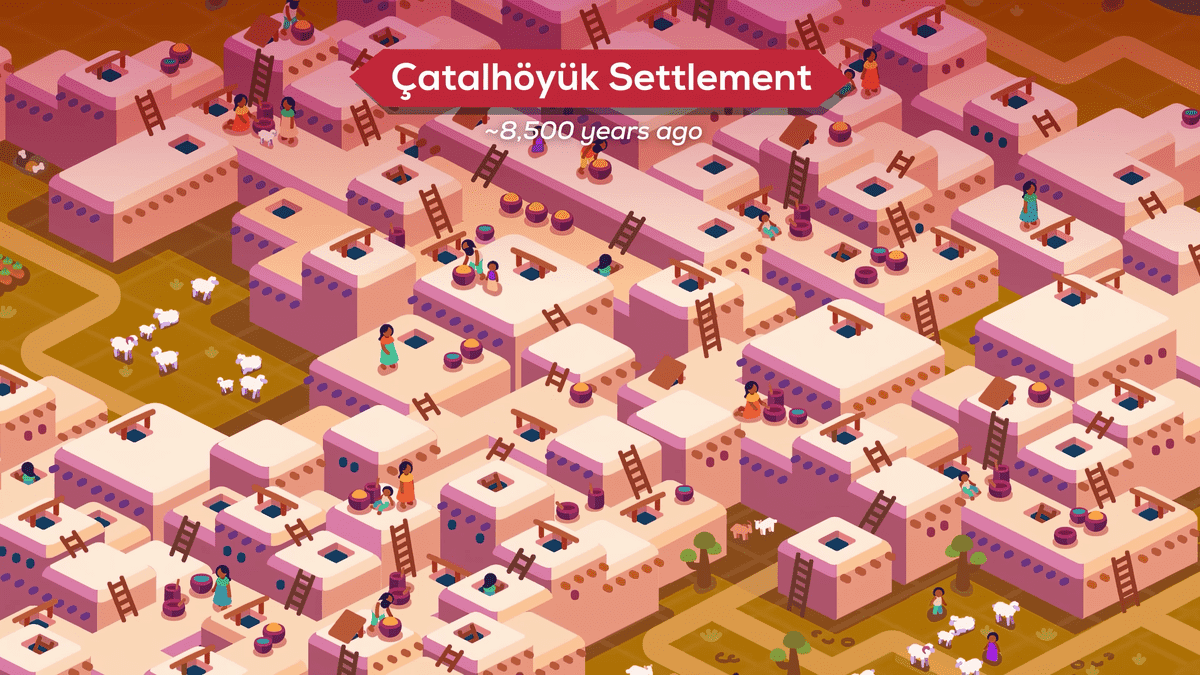
A little west of Karakhan Tepe lies the archaeological site of Çatalhöyük . This is believed to be a city where several hundred people lived approximately 8,500 years ago. This settlement had a unique architectural style and way of life. There were no streets or alleys; houses were built close together, and people entered and exited through holes in the roofs, using wooden ladders and bridges.
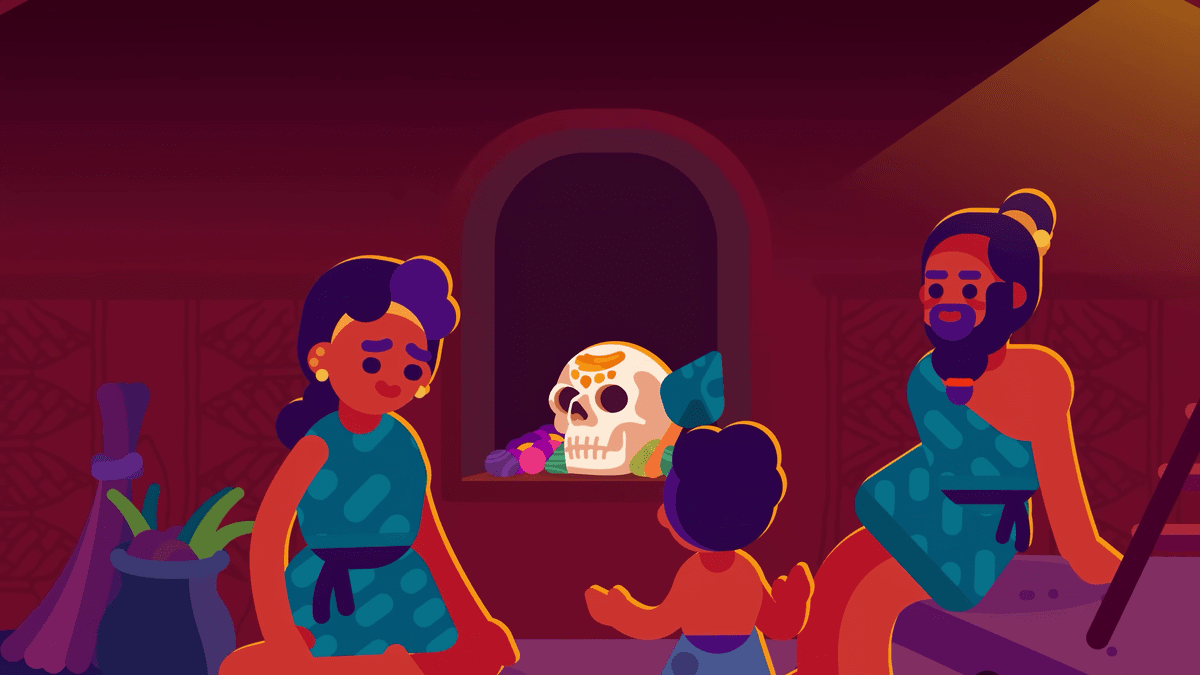
The interior of the house was beautifully decorated, with animal paintings in the rooms, a stucco-covered bull skull embedded in the wall, and vibrant red ochre. It is believed that the people ate bread, nuts, and cheese, and drank beer.

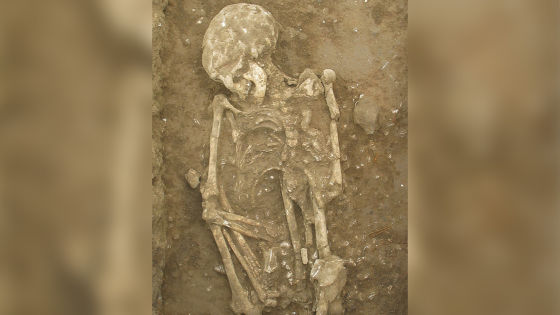
Furthermore, there was a strange custom where, when a loved one died, they would bury them beneath their house, and then years later, they would exhume the body, remove the skull, decorate it, and place it inside the house.
As time passed, agricultural communities began to spread in various directions from Southwest Asia. Different groups met, traded goods, shared technology, and sometimes fought over the same land. Evidence of this period includes human remains bearing wounds from weapons such as arrows and clubs, and sites where multiple bodies with arrowheads embedded in them were thrown together.

By approximately 8,000 years ago, agricultural communities had spread to much of Southwest Asia and even into Europe. A new way of life seemed to be flourishing, but 8,200 years ago, a major environmental change that shook the world occurred: the collapse of
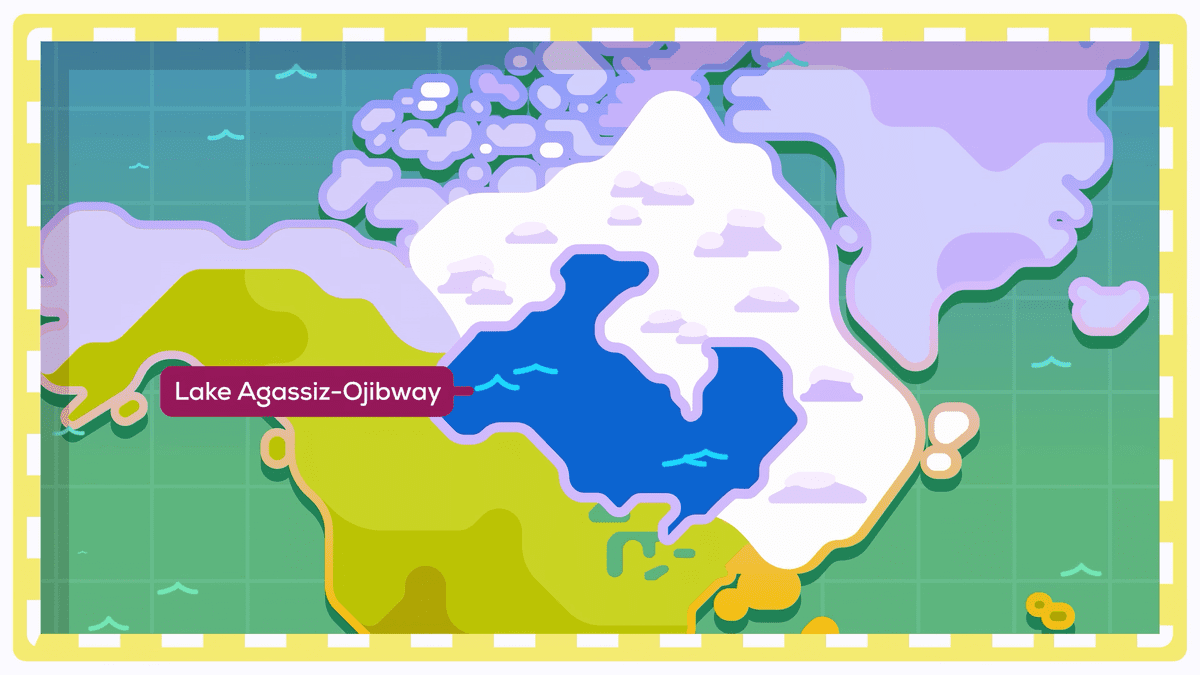
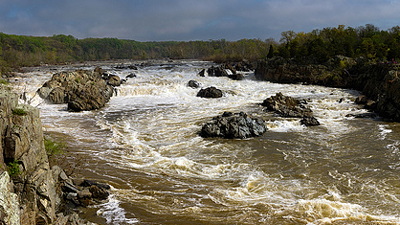
In North America, as the Ice Age declined and glaciers retreated, one of the largest lakes in Earth's history was formed. The water stored in this lake was held back by a massive ice sheet, but it suddenly melted and burst. The lake water rushed into the sea, causing global sea levels to rise by 1 to 2 meters. This also weakened the massive ocean circulation currents that carry warm seawater northward.
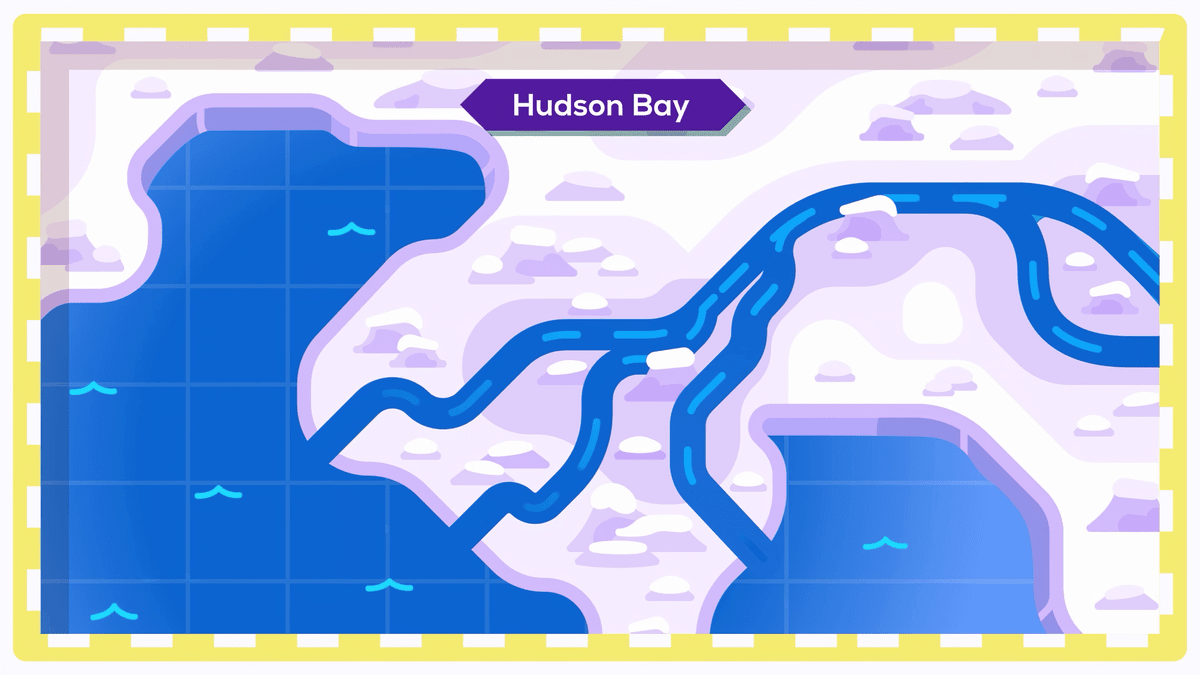
As a result, the climate from the North Atlantic to Europe and the Near East became colder and drier. In some regions, temperatures dropped by several degrees, summers became longer and harsher, and droughts that lasted for more than 100 years dried up the land.
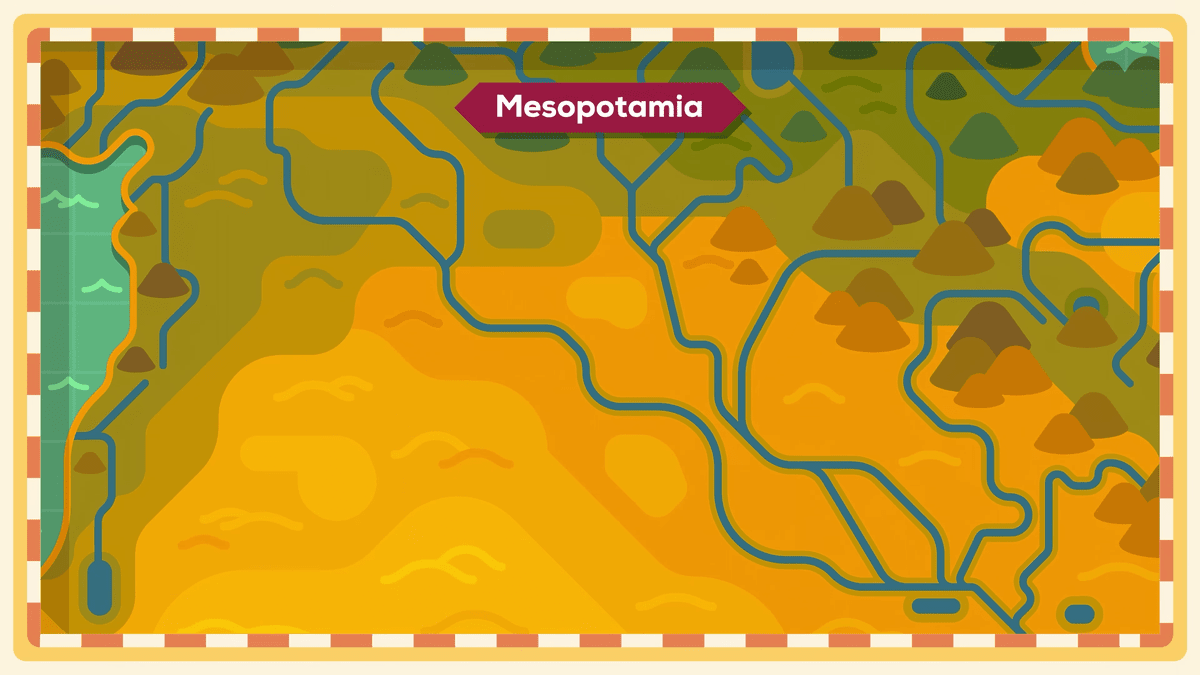
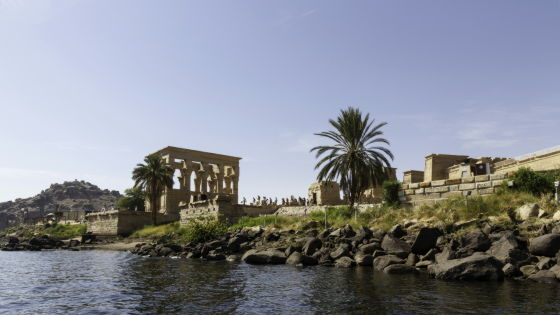
For some communities, this posed a threat to their very survival, but others adapted to the environment. During this period, we know that more and more people around the world moved towards rivers and lakes. The groups that migrated to the vicinity of the Tigris and Euphrates rivers had a particularly strong influence on later generations. The civilization that emerged here was
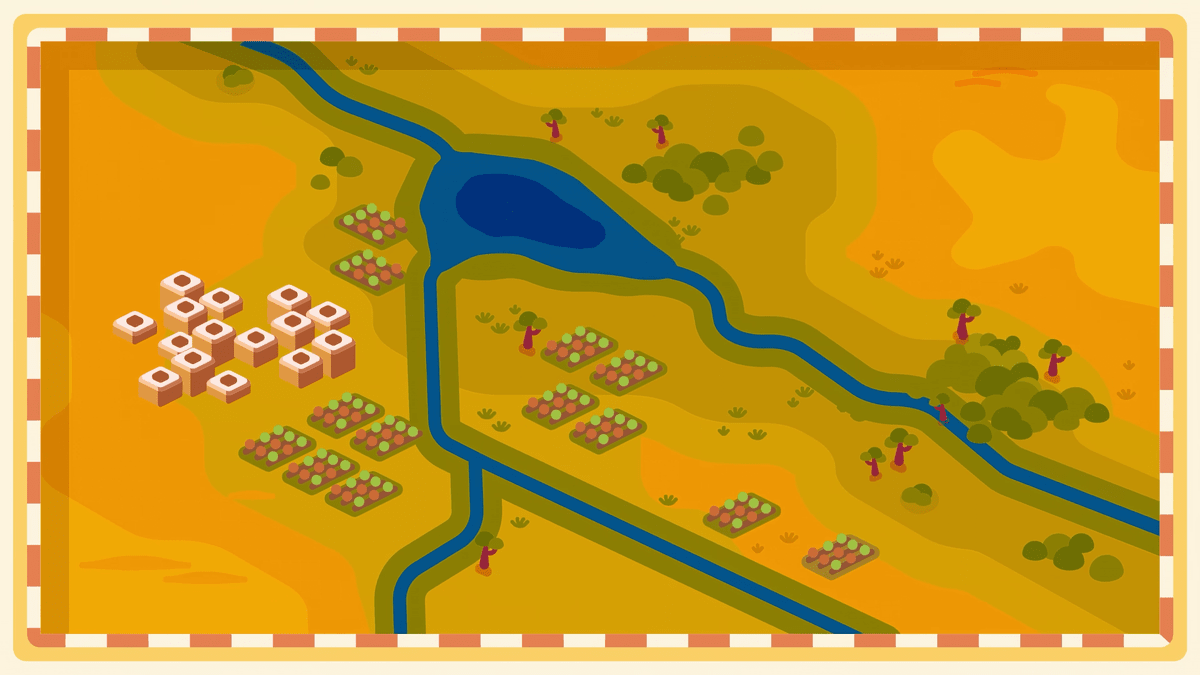
For generations, this group controlled the rivers by digging canals to channel water to their fields and store the harvested grain. Kurzgesagt describes this as 'one of the greatest organized activities in human history' and points out that it led to the creation of the first truly developed city-states much later.
One to two centuries after the glacial break, the climate stabilized and droughts ended. Then, humanity once again faced new challenges. Around 7,000 years ago, the population increased due to a stable food supply, and some villages grew to astonishing sizes.
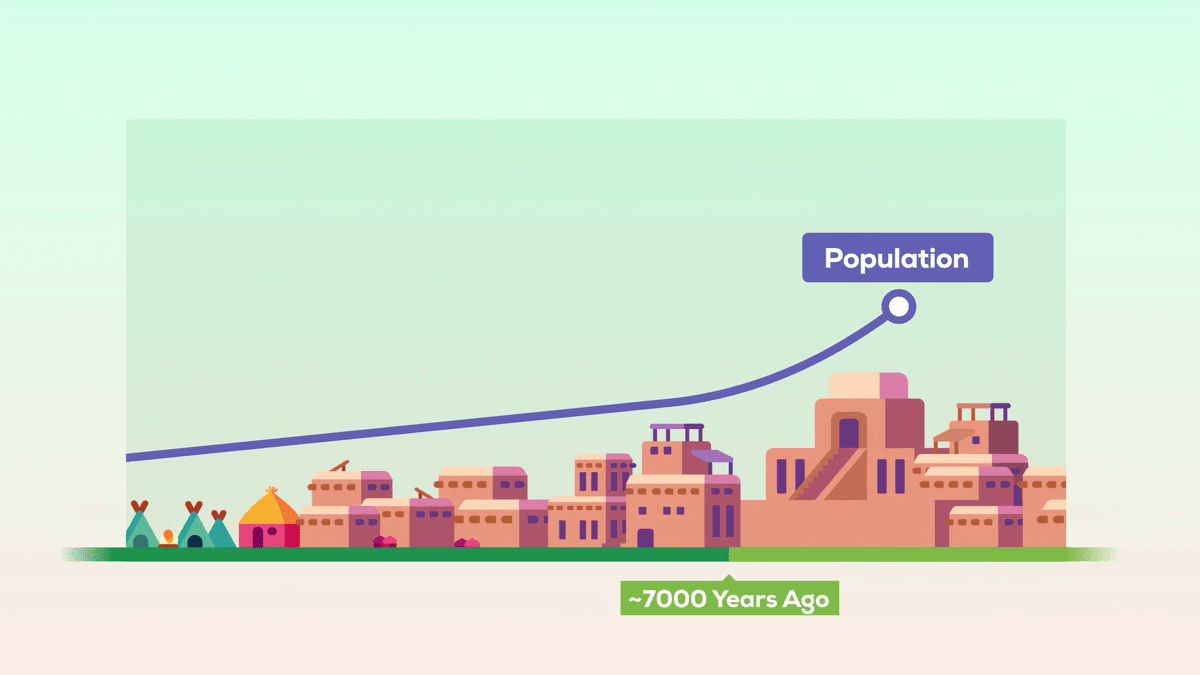
It is estimated that tens of thousands of people lived in the ancient Mesopotamian city of
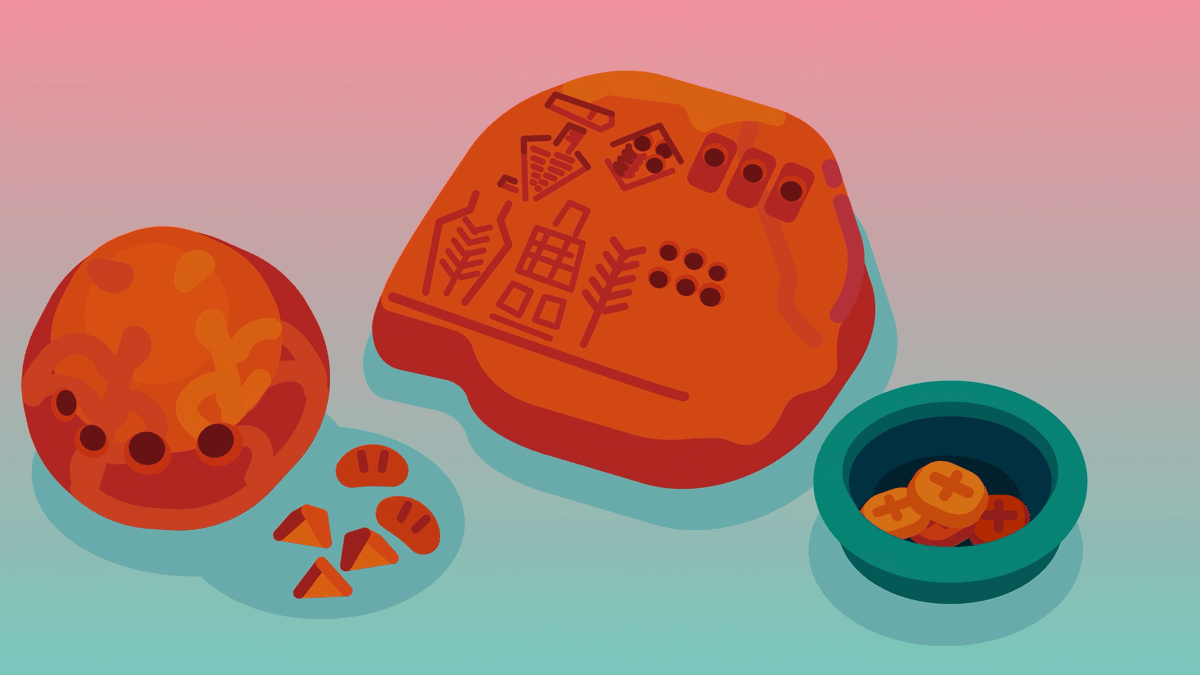
A significant related record is the word '
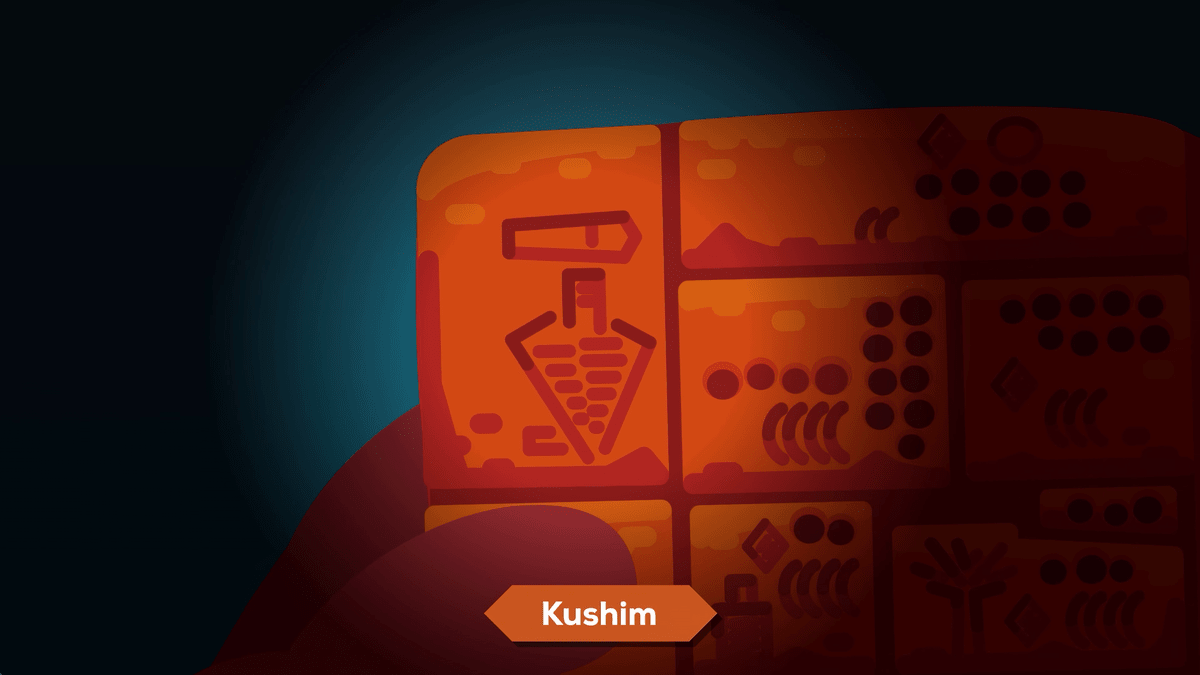
Kurzgesagt concludes by saying, 'This marks the end of the dark matter of human history, the unrecorded, dark part. We know nothing else about Kushim. We don't know how he felt when he received the beer, whether he actually drank it that day, or what it tasted like if he did. We also don't know what kind of life he led in the first city to be born on Earth. Yet, the name Kushim represents all the forgotten people buried in the dark matter of history. It is a name that symbolizes the countless lives, experiences, and achievements that paved the way to today's civilization.'
Related Posts:



in Video, Posted by log1p_kr