What is the difference in ability between people who are good at giving directions and those who have no sense of direction?
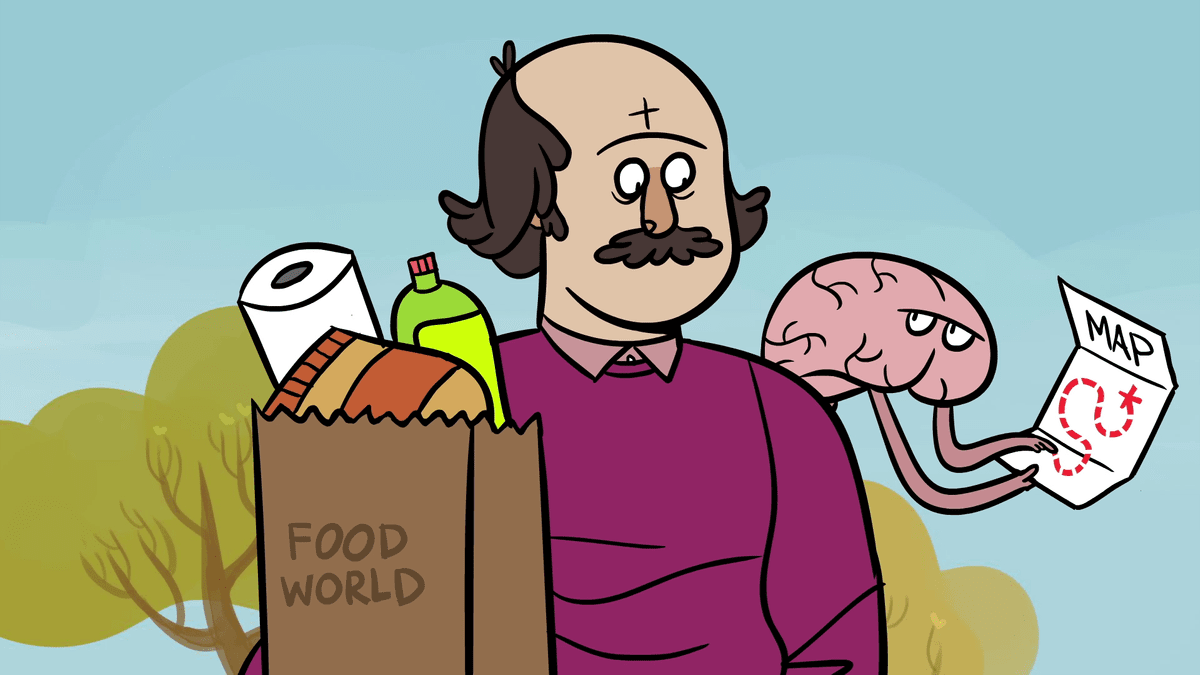
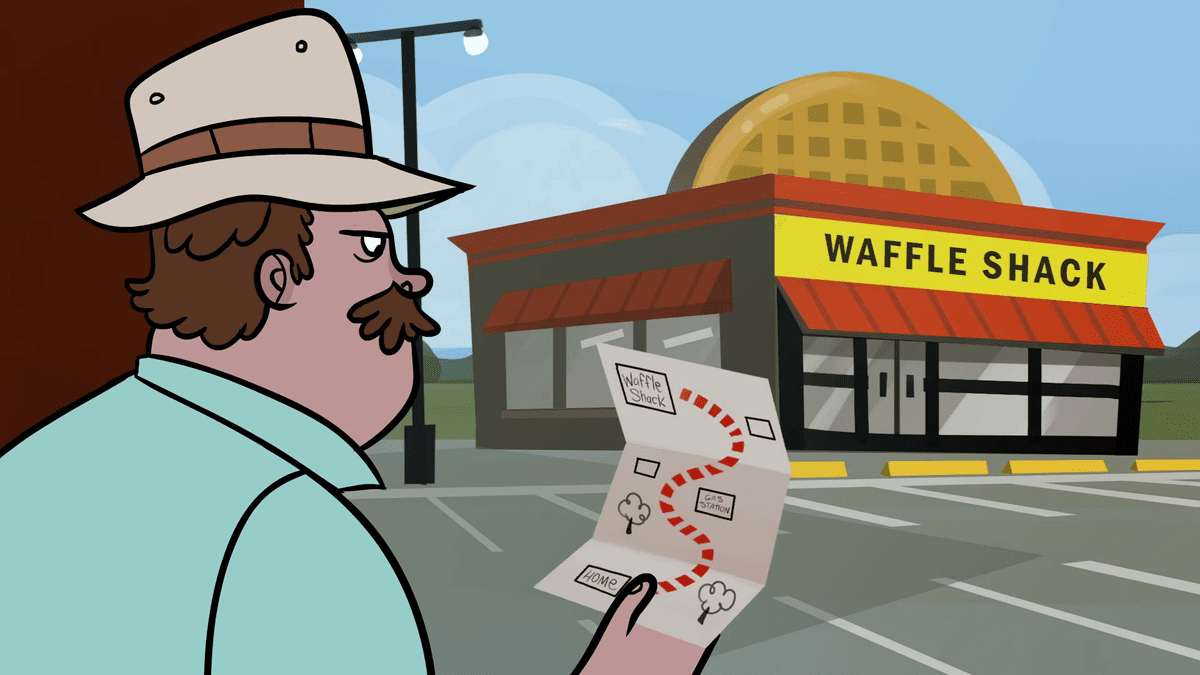
When trying to get to a destination, some people can reach their destination after just one glance at a map, while others get lost even after repeatedly checking the map. This clearly demonstrates the differences in spatial reasoning abilities that we see in everyday life. TED-Ed, which creates educational content, explains what causes this difference.
The striatum and hippocampus in the brain are what make it possible to read maps and remember directions.
The striatum plays a role in processing cues such as nearby buildings. Habits, such as taking the same route every day, lead to associating specific stimuli or actions with specific responses or consequences, thus linking cues with routes.
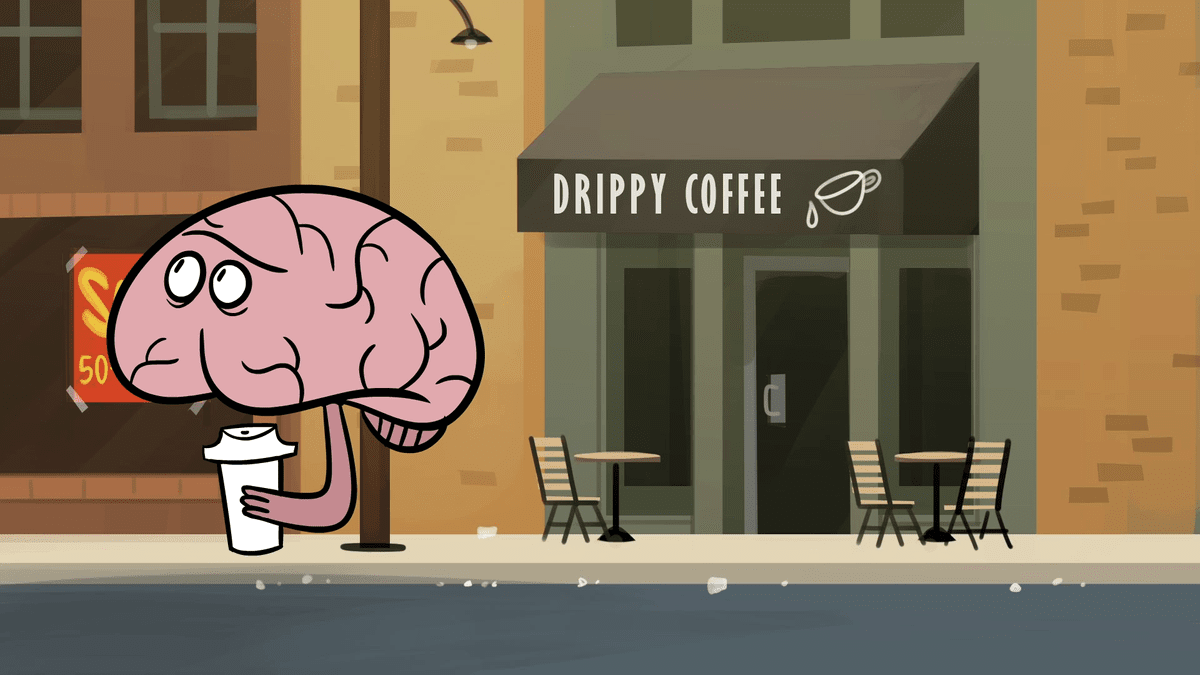
On the other hand, the hippocampus plays a role in creating a map in the brain by combining information from the surrounding environment. This helps determine how to get to places you've never been or paths you've never taken before.
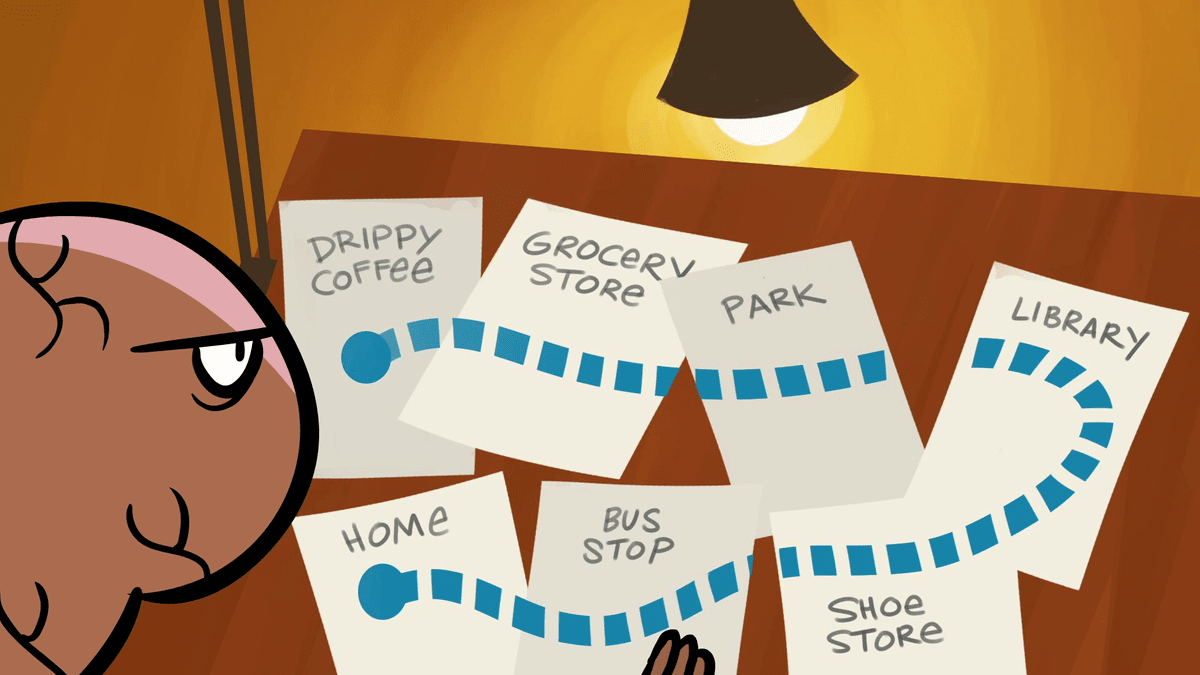
In the 1970s, researchers observing the brain activity of rats discovered that specific neurons in the hippocampus fired when the rats were in a particular space, highlighting the importance of the hippocampus in creating mental maps. The same thing happened in complete darkness. This indicated that neurons, later called '
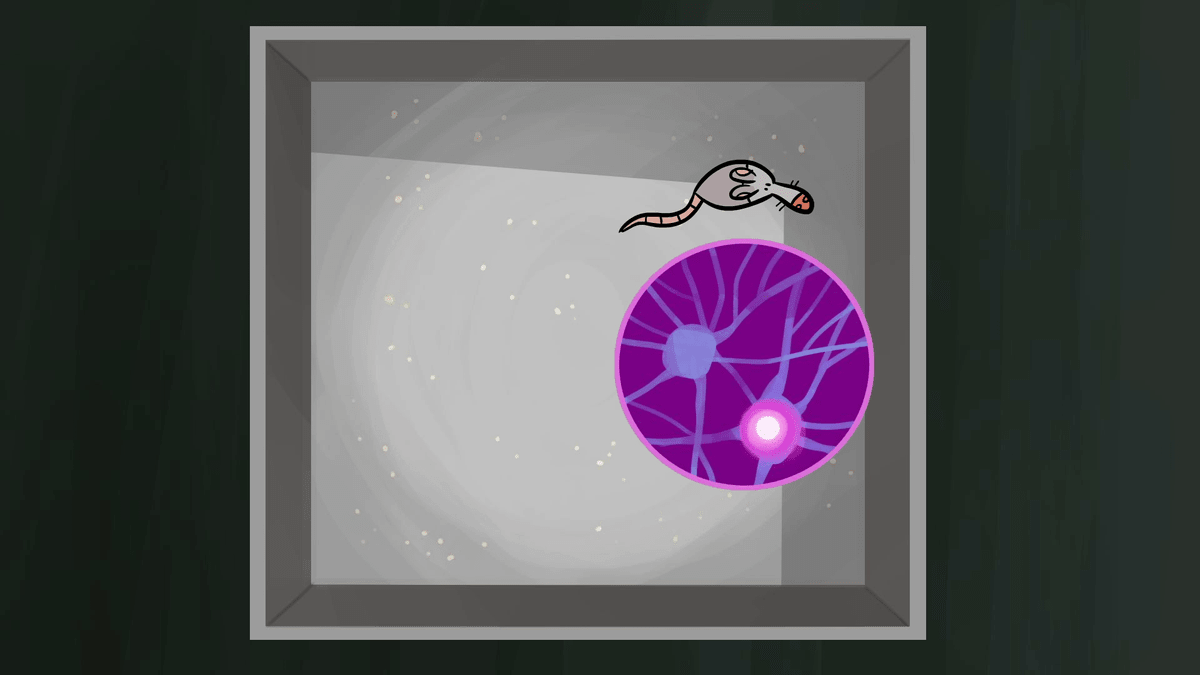
Then, in 2005, researchers discovered yet another type of neuron in the region surrounding the hippocampus. Among these were '
However, the capabilities of the striatum and hippocampus vary from person to person. Studies of twins suggest that about 60% of navigation ability is determined by genetics, and that these abilities may be independent of general intelligence. Also, people who grew up in urban areas, especially in regular, grid-like cities, tend to get lost more easily in irregular environments compared to people from suburban or rural areas.
Research has shown that this ability can be improved through practice.
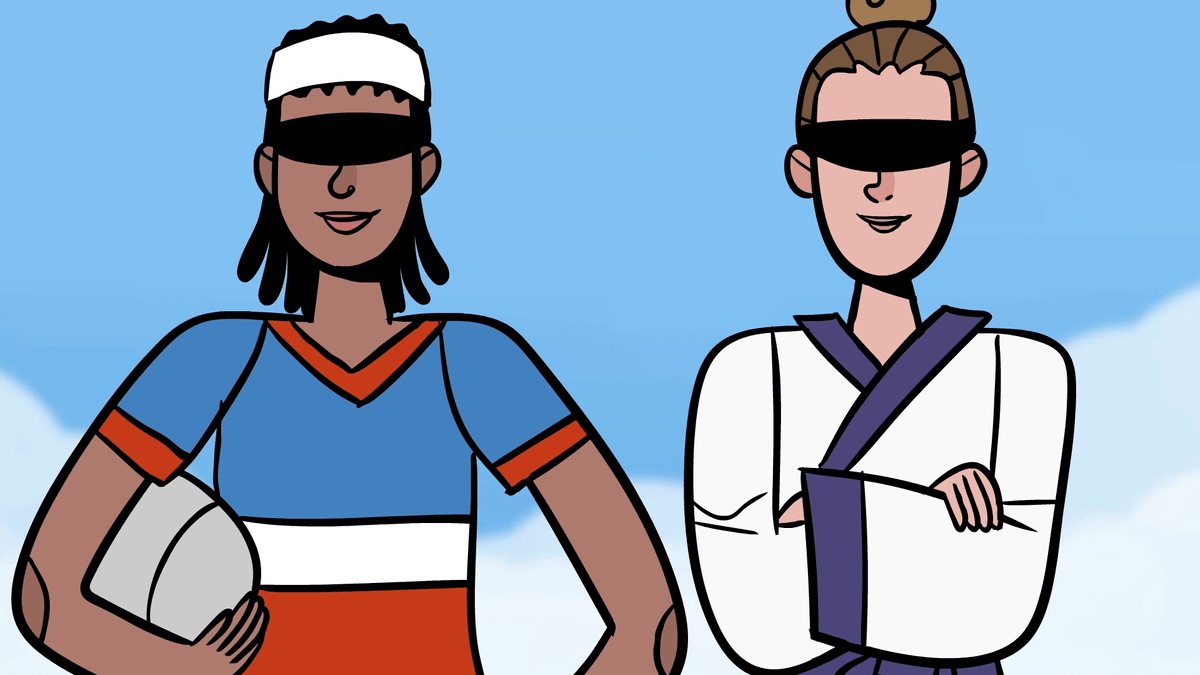
A 2010 study blindfolded rugby players and martial arts athletes and asked them to return to their starting point. Rugby players, who train in large spaces, were able to judge direction and return more accurately than martial arts athletes. This suggests that spatial training improves judgment over long distances.
London taxi drivers must pass an exam called ' The Knowledge, ' which tests their knowledge of London's complex road network. It is said that those who complete this exam show significant growth in their hippocampus.
Furthermore, using a map that constantly tells you your current location via GPS may reduce your ability to reconstruct spatial information and impair your sense of direction compared to using verbal directions or a paper map. TED-Ed said, 'When you're on a familiar route, put away your GPS and try paying attention to landmarks in the distance. Instead of using navigation that tells you where to turn, try using a paper map or exploring new places on foot. Moving your body helps your brain remember spatial information. And with a little practice, the next time you get lost, you might be able to look inward and find your way.'
Related Posts: