Apple's first foldable iPhone is named the 'iPhone Duo,' and this new model, featuring the largest iPhone display ever at 7.6 inches, will fit in your pocket and will start at 364,800 yen.
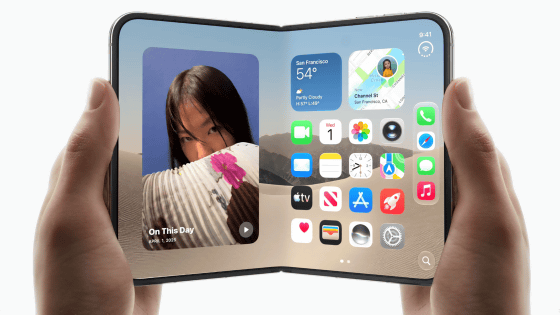
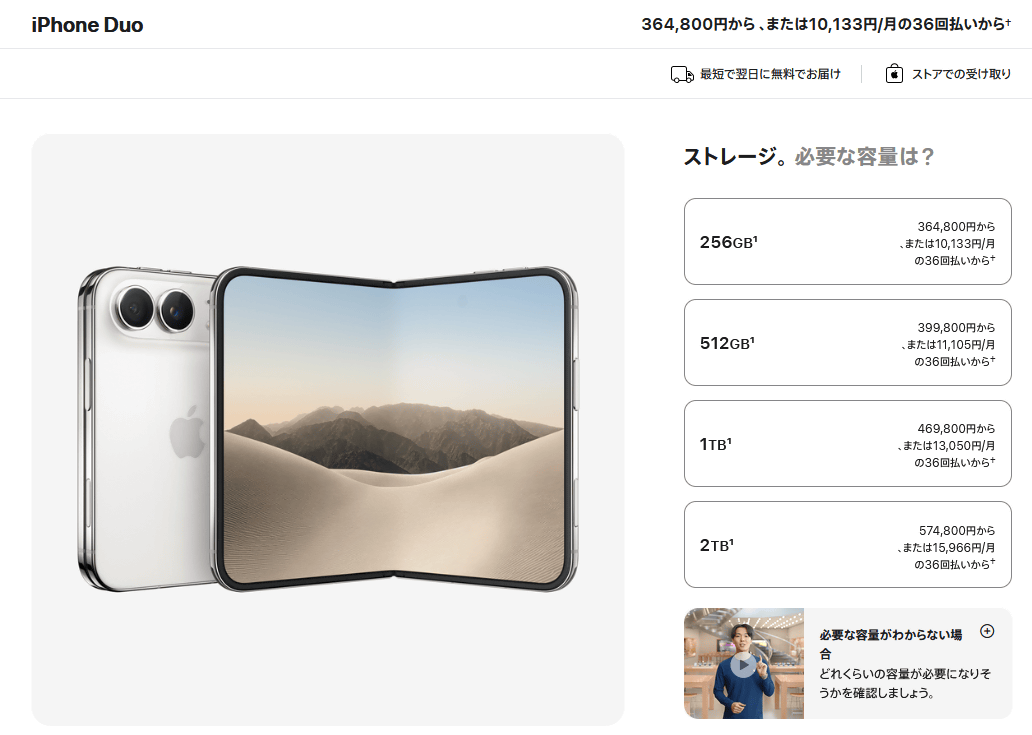
At Apple's ' Surprise and shine. ' new product announcement event held at 2:00 AM JST on September 10, 2026, a brand new foldable model, the ' iPhone Duo ,' was announced. When the two screens are opened, it becomes the largest display size in iPhone history. The price starts at 364,800 yen (including tax), pre-orders will begin at 9:00 PM on Friday, October 16, 2026, and the release date will be Friday, October 23.
iPhone Duo - Apple (Japan)
https://www.apple.com/jp/iphone-duo/
iPhone Duo: Everything announced about the first foldable iPhone - YouTube
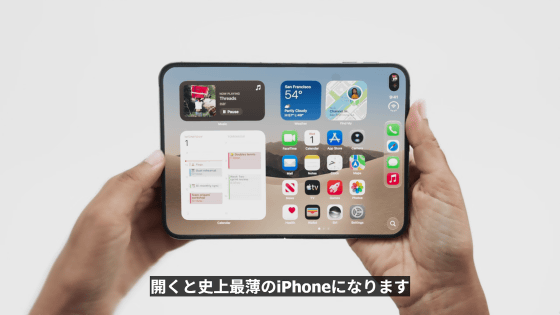
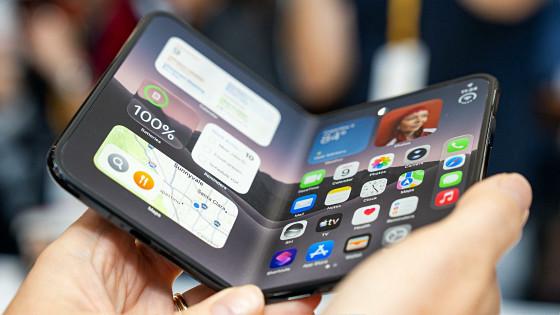
iPhone Duo in open state.
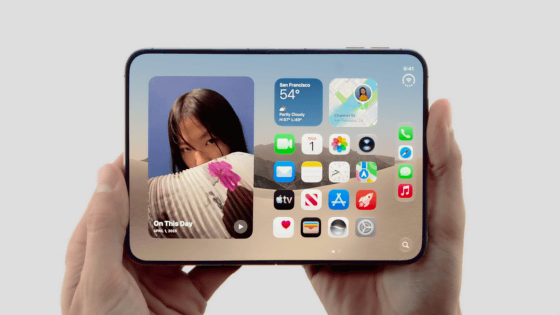
Fold the screen inwards.
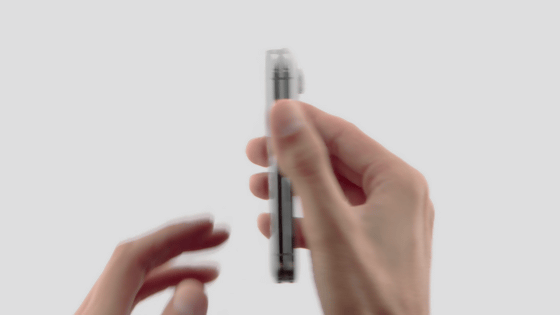
This is the folded state. It also has a screen on the outside, so it can be used both when unfolded and folded.
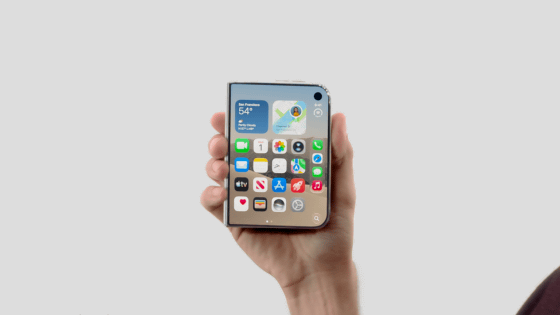
When folded, it's small enough to hold in one hand.

It's about the same size as a passport. The screen size is 5.4 inches.
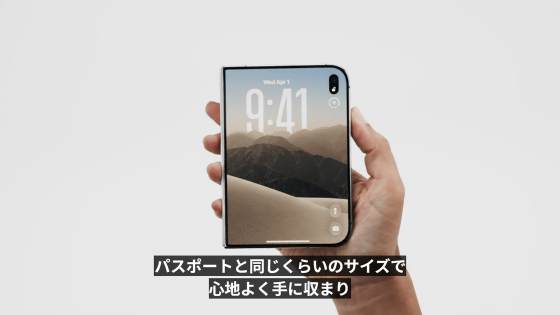
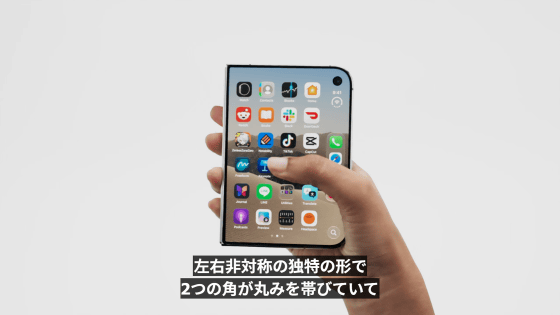
It can be operated with one hand just like a regular iPhone. The corners are rounded.
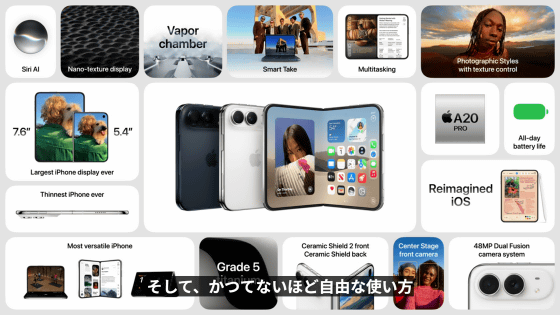
When unfolded, the screen size is 7.6 inches, the largest in iPhone history.
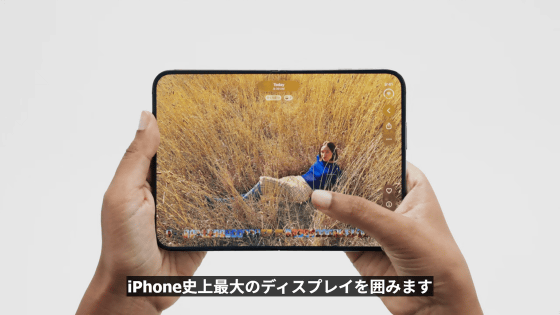
It can be used in both landscape and portrait orientations.
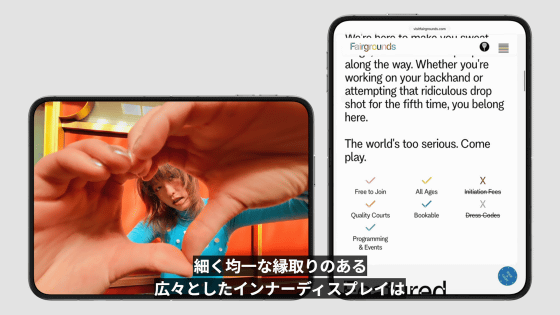
The screen is designed to switch smoothly when folding or unfolding.
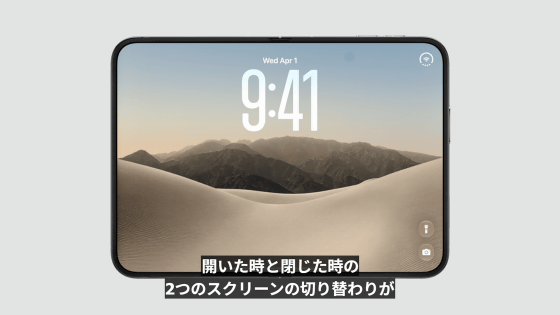
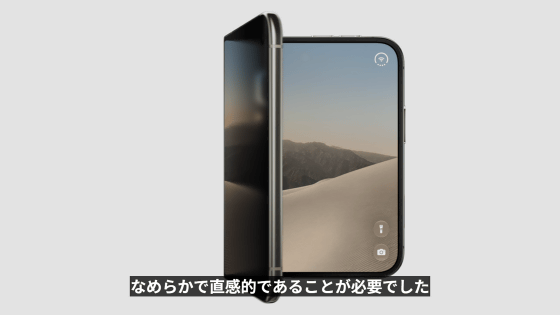
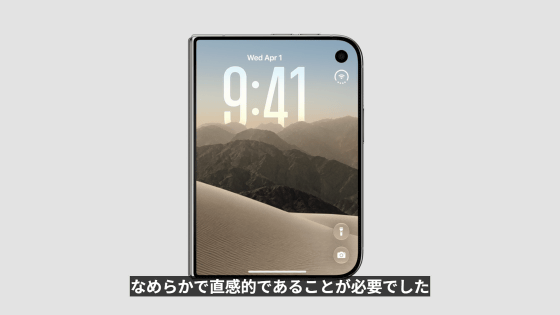
The aspect ratio remains the same whether folded or unfolded.
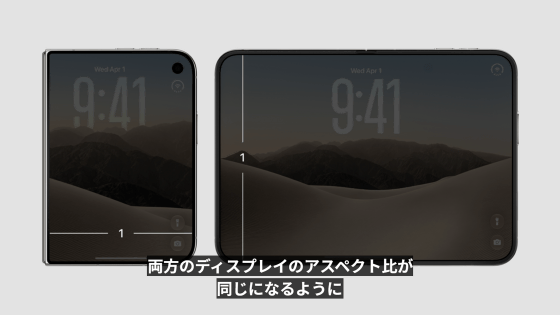
The FaceTime camera is located inside the inner display.
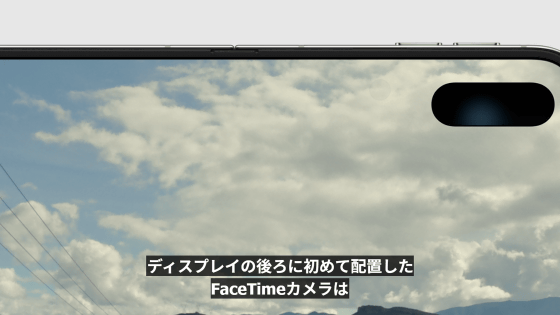
Normally, the camera is not visible, allowing the entire screen to be used as a display; the camera only becomes visible when taking a picture.

We also pay close attention to the hinge design.
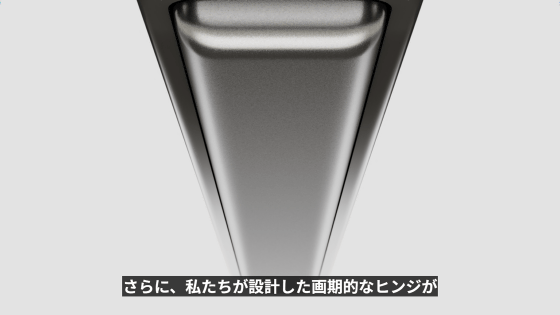
When opening and closing, the hinge supports the center of the display.
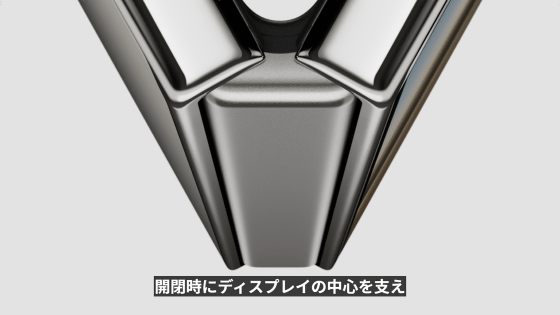
When unfolded, the display becomes flat.
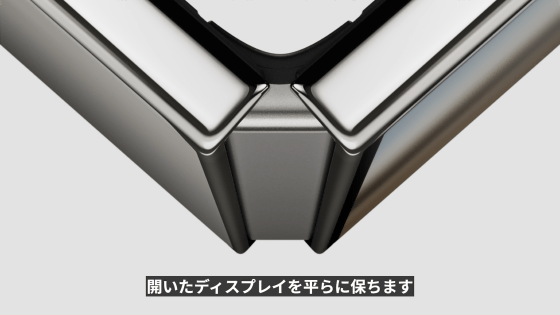
The hinges feature a unique variable torque profile.
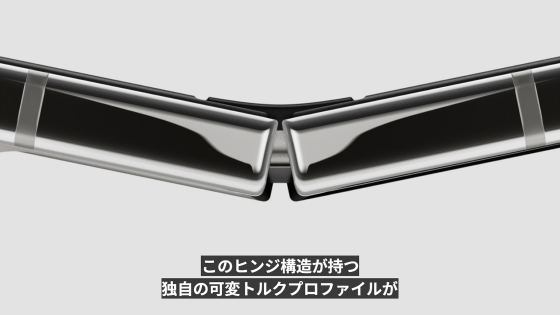
The variable torque profile optimizes the feel of the opening and closing operation.
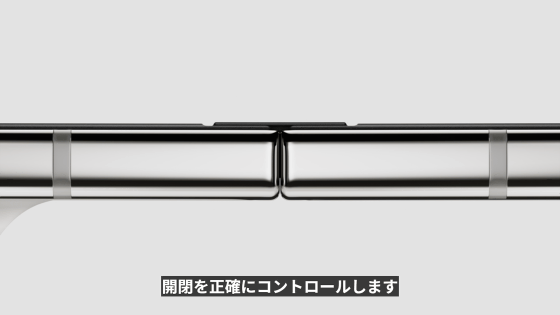
Furthermore, it closes securely with magnets when folded.
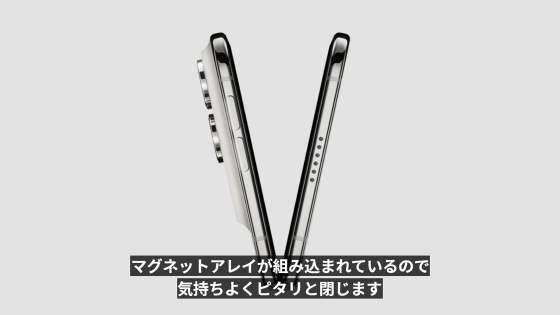
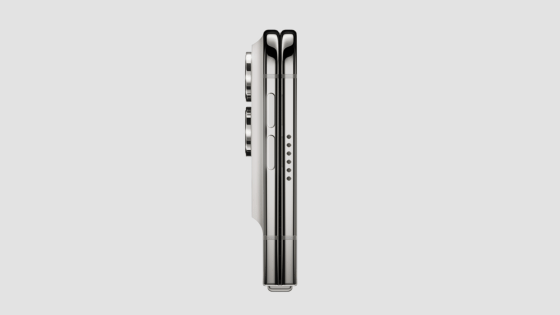
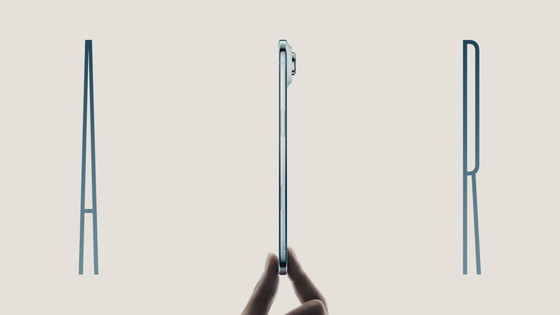
When unfolded, its dimensions are 164.6mm wide x 117.8mm high x 5.2mm thick. It's even thinner than the 5.64mm iPhone Air, making it the thinnest iPhone ever.
This is what it looks like from the side.
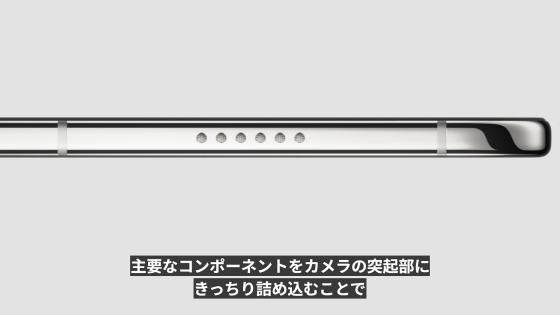
The main components are packed into the protruding part of the camera.
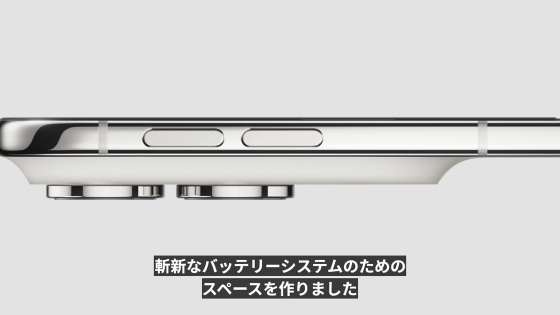
The frame is made of aerospace-grade titanium.
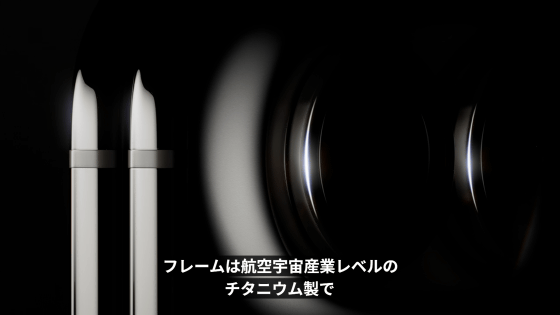
It has a mirror finish.
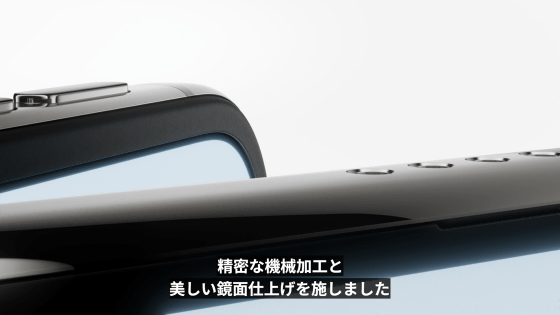
When folded, it measures 84.1mm wide x 117.8mm high x 11.3mm thick. It's a compact size that fits in your pocket.
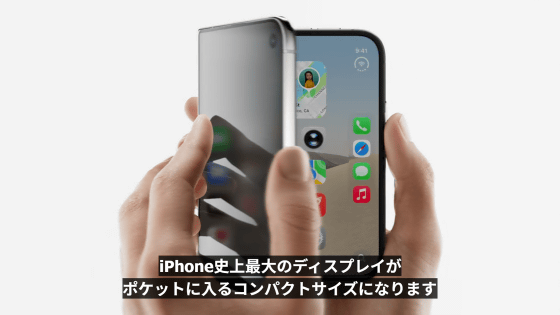
iOS has also been optimized for the foldable iPhone Duo. The Liquid Glass menu is positioned on the side of the screen, making it easy to reach with your fingers.
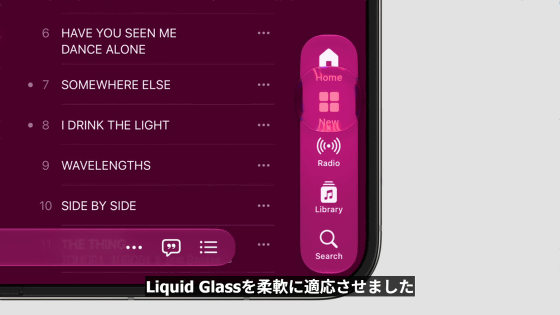
The various control buttons have also been moved to the side.

The design principles are also being reviewed.
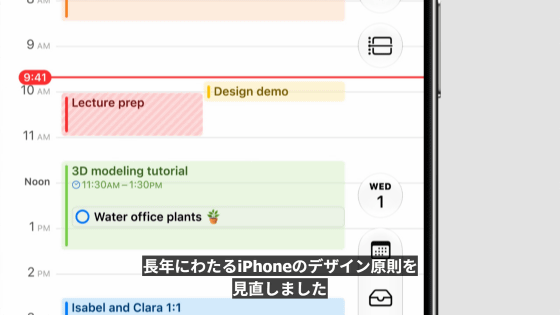
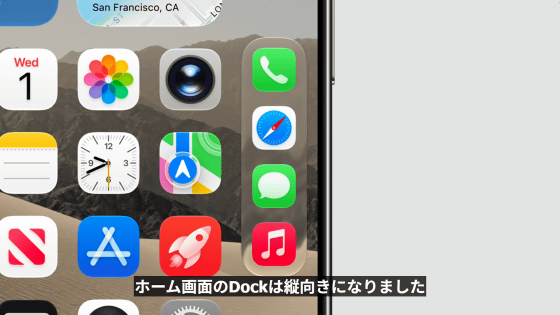
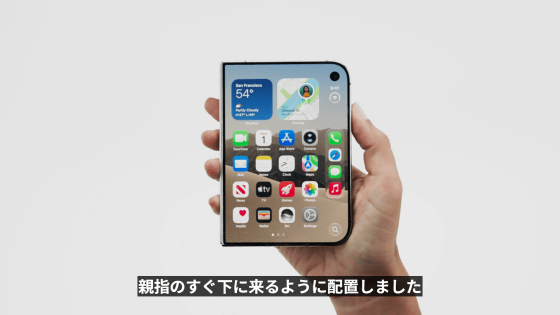
On a regular iPhone, the Dock is positioned horizontally at the bottom of the home screen, but on the iPhone Duo, it's positioned vertically on the side of the screen.
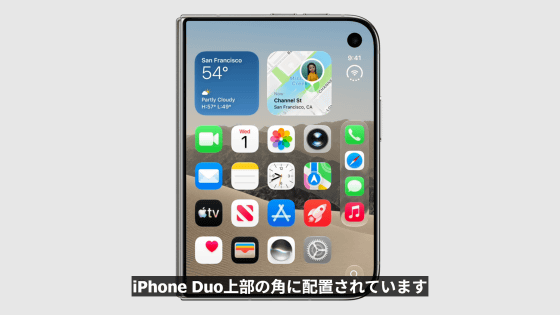
The status bar, which displays communication status and battery level, has also been redesigned to be more compact.


It will be placed in the upper right corner of the screen.
Various content will be enlarged to fit the large screen.

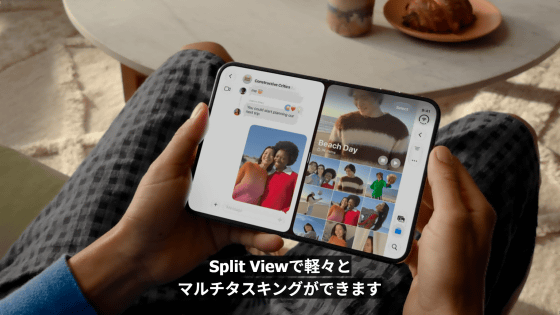
It's also possible to display different apps on the left and right sides of the screen.

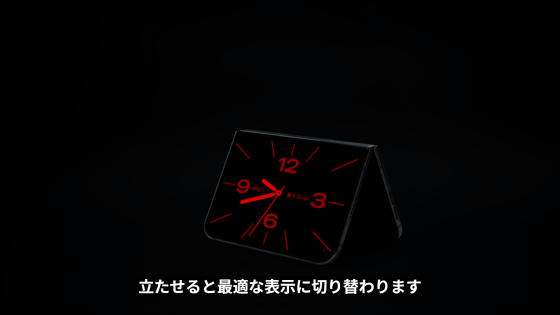
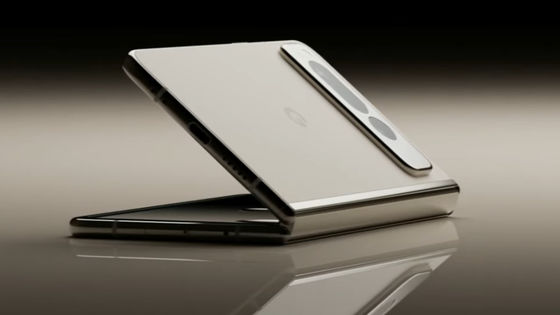
It can also stand on its own when partially unfolded.
The screen uses a 'Super Retina XDR display.' The inner display has a screen size of 7.6 inches and a resolution of 1878 x 2670 pixels.
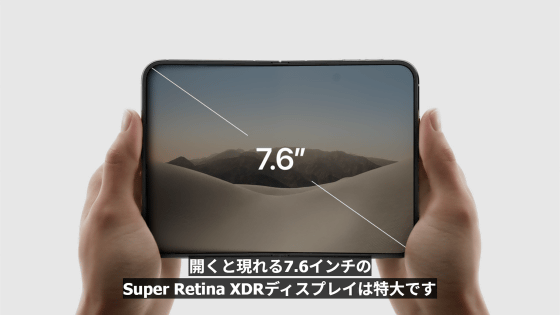
It's 80% larger than the iPhone 18 Pro.

You can enjoy games and videos on a large screen.

The outer display is 5.4 inches in size with a resolution of 1398 x 2034 pixels.
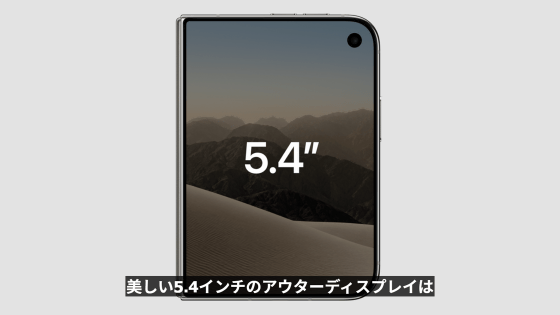
It's 90% the size of the iPhone 18 Pro.

Apple Pencil support is planned for 2026.


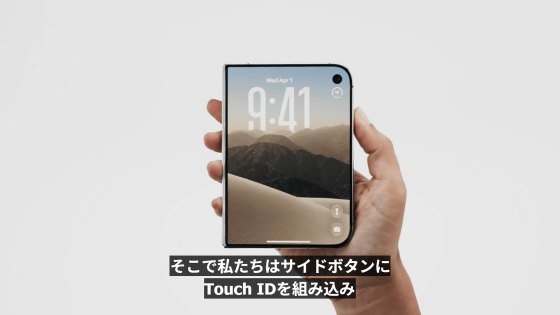
The side button has Touch ID integrated into it, allowing for fingerprint authentication.
It delivers immersive spatial audio whether held horizontally or vertically.

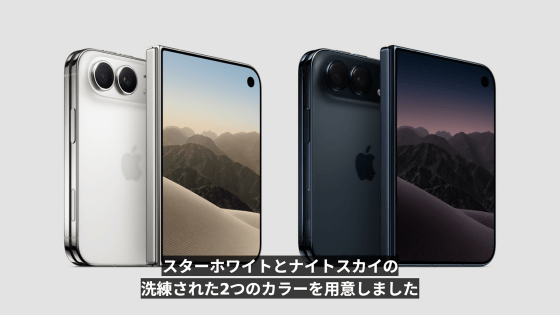
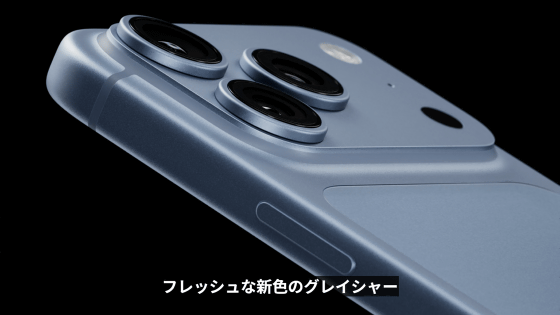
The product comes in two colors: 'Star White' and 'Night Sky'.
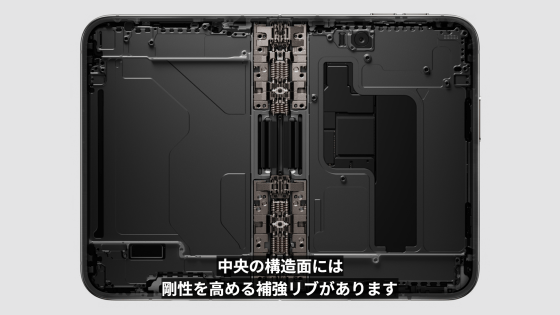
Durability is also a key selling point.

The central structural surface is reinforced with ribs to increase its rigidity.
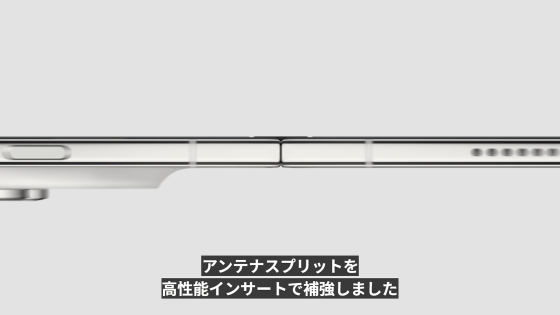
The antenna split is reinforced with a high-performance insert.
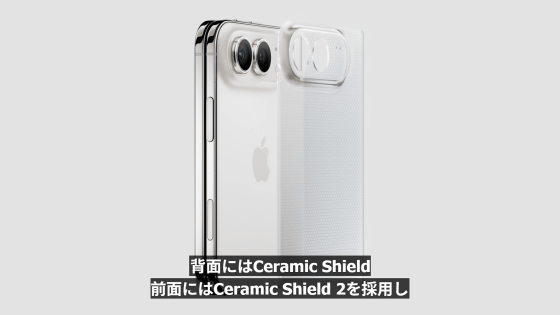
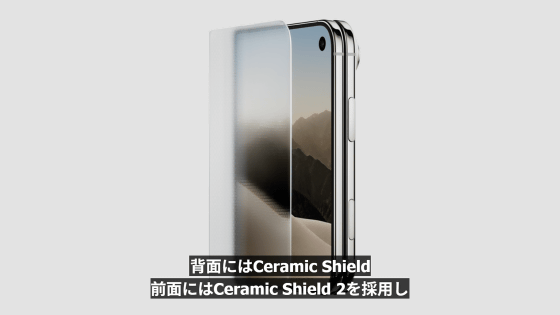
The back features 'Ceramic Shield,' and the front features 'Ceramic Shield 2.'
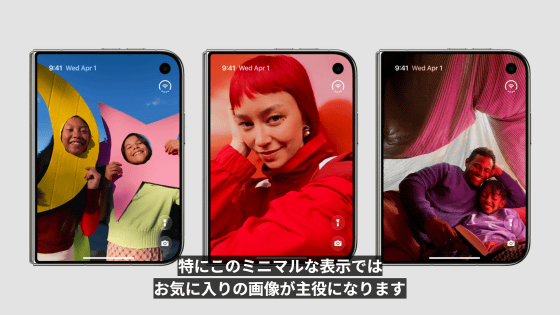
Apple's strength lies in its ability to closely integrate hardware and software. For example, it's possible to enhance the wallpaper on the lock screen.
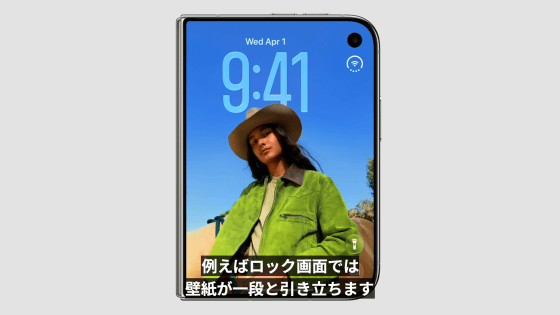
You can also make the date and time display smaller to make the wallpaper stand out more.
It also supports Split View, which allows you to display two apps simultaneously.
Even in portrait mode, you can use the keyboard and other elements more spaciously compared to a regular iPhone.

You can also use it to 'play a video at the top of the screen while working with an app at the bottom.'


It can be used even with the screen partially open, so it can stand on its own without needing a separate stand.


When you display the keyboard while the screen is partially open, it automatically splits into left and right sections.

The standby function can be used even when not charging.

You can use widgets such as weather, calendar, and music.
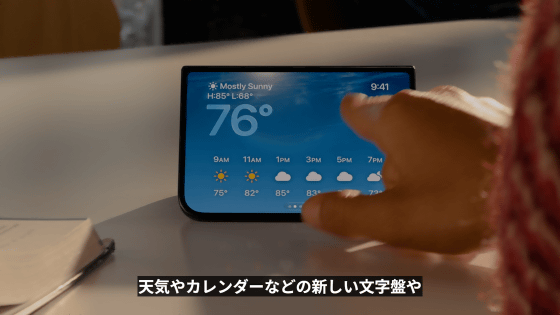
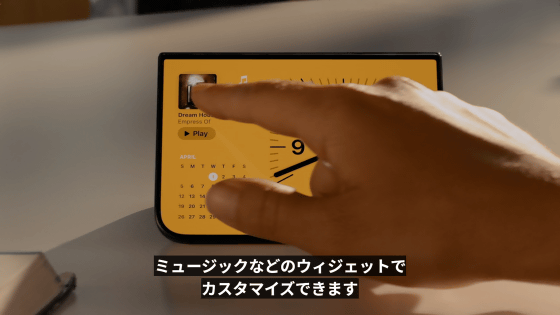
You can also place it vertically and use the standby function.
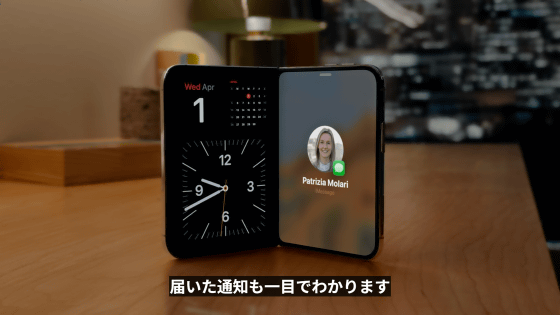
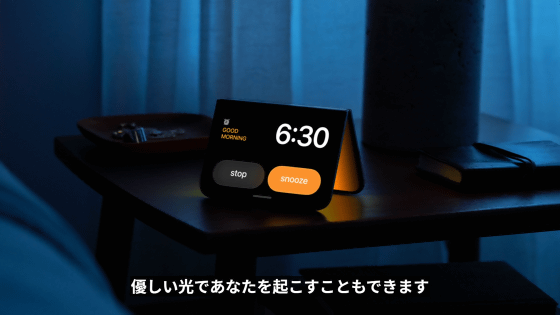
I use it as a clock by placing it on my bedside table.

It wakes you up with a gentle light along with an alarm.
An API for foldable screens is provided for developers, and apps created by non-Apple developers are also optimized for the iPhone Duo. For example, Zoom allows you to place the other person's face or shared screen on the larger screen.

Slack can also be used on a large screen for a more spacious experience.

Netflix allows you to scroll through and play clip videos on an outer display.

Open the screen and enjoy content on a large screen.

Now, let's move on to a detailed explanation of the hardware. The display is finished with 'Nano-texture,' which makes the creases less noticeable and also gives it an excellent feel.
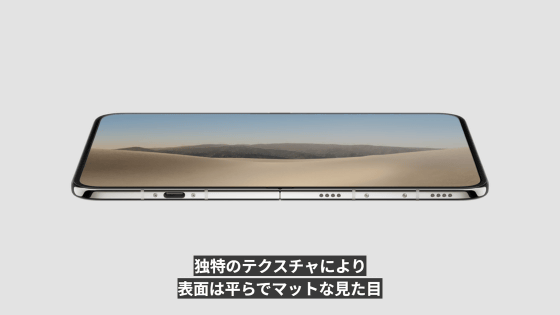
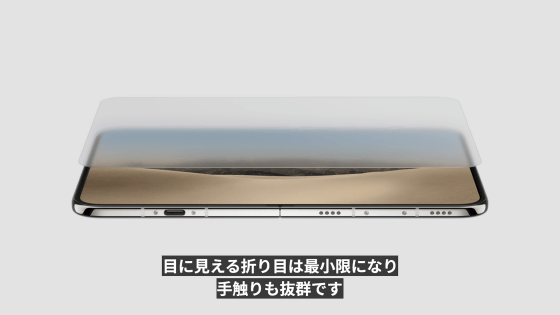
Microlenses are positioned one pixel at a time using 'maskless laser lithography.'


The display features a multi-layer design. It utilizes a custom polymer that is up to 40% more rigid than typical materials, enhancing durability while maintaining flatness.

The OLED panel is sandwiched between layers of high-strength glass.
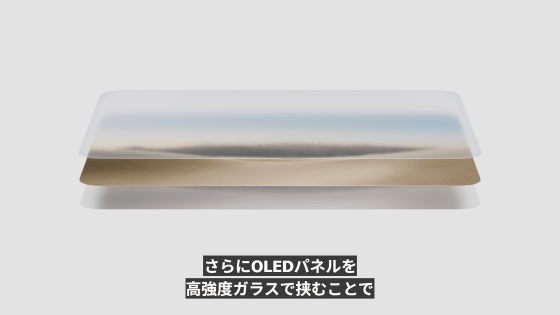
The iPhone Duo's multi-layered structure slides when folded, preventing the panel from becoming distorted even after repeated opening and closing.
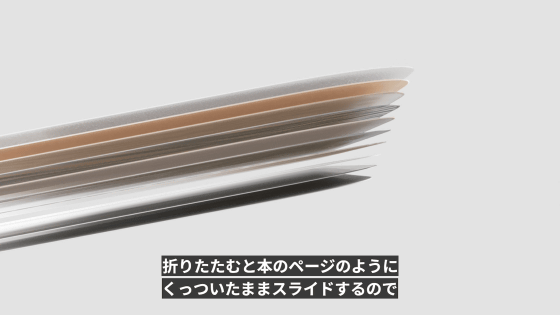
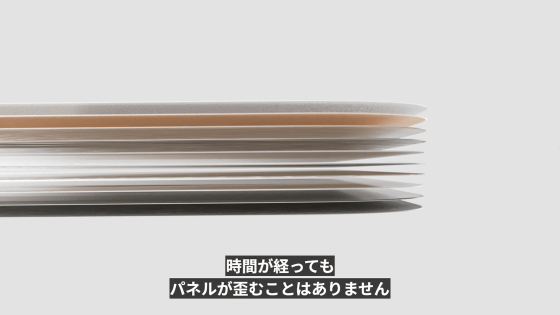
Titanium plates are used for the bottom layer.
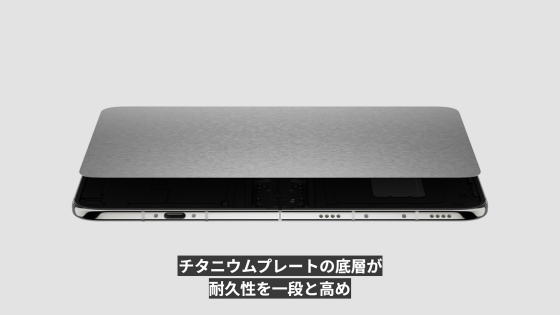
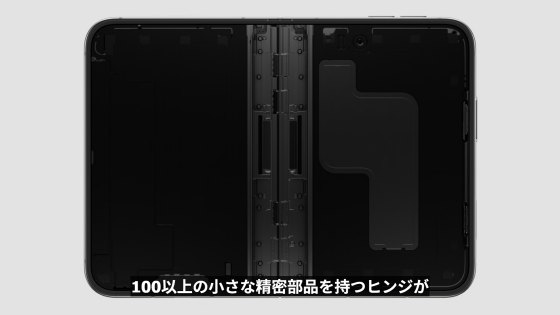
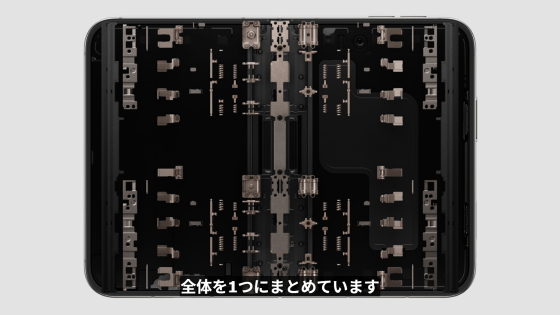
The hinge uses over 100 precision parts.
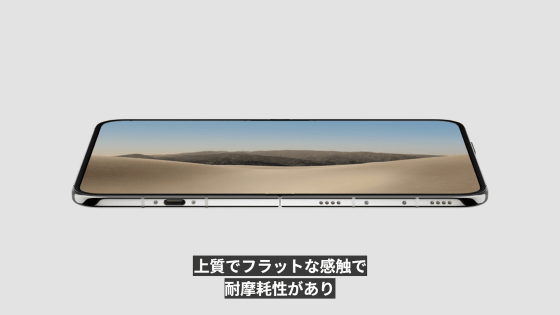
The display is wear-resistant.
The SoC used is the A20 Pro.

The 'Display engine' controls the two screens.
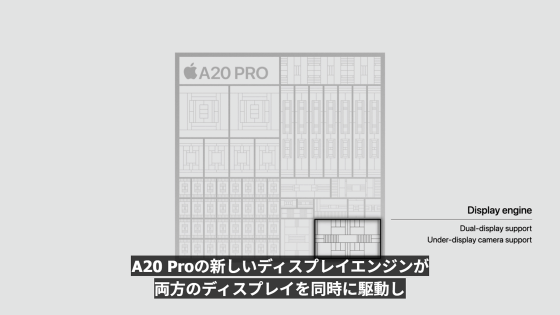
The A20 Pro also enables high-precision control over hiding the FaceTime camera on the inner display.

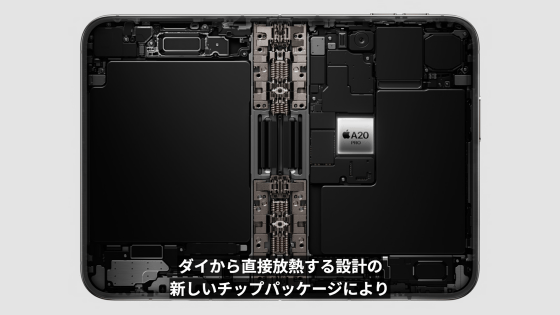
By adopting a newly designed chip package that dissipates heat directly from the die, it achieves processing power that allows for instantaneous peak performance and local execution of AI processing.
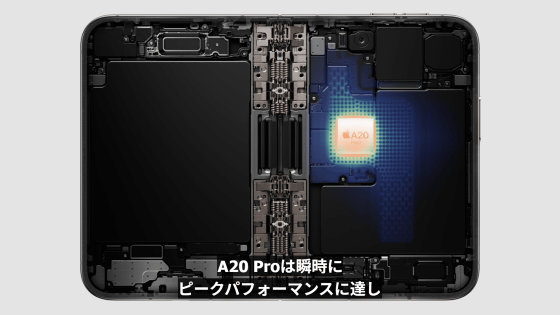
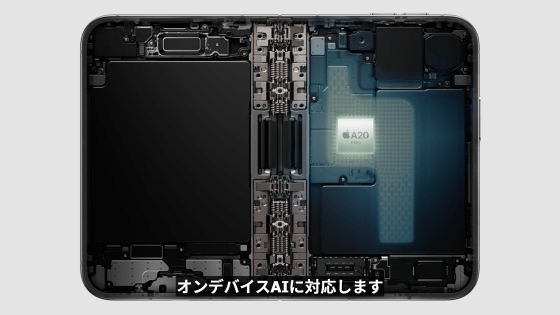
The vapor chamber enhances cooling efficiency.
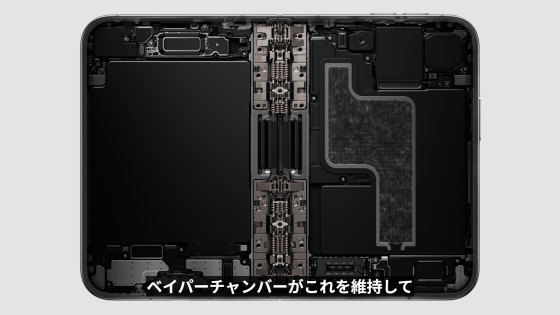
It prevents performance degradation due to overheating, ensuring smooth operation of games and other applications.
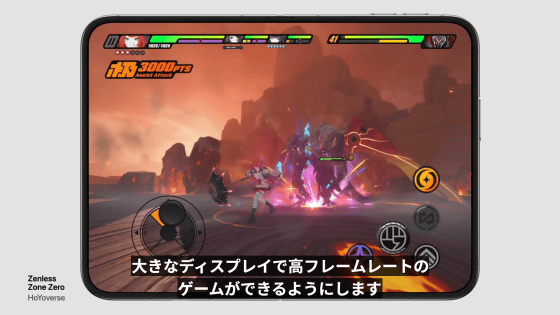
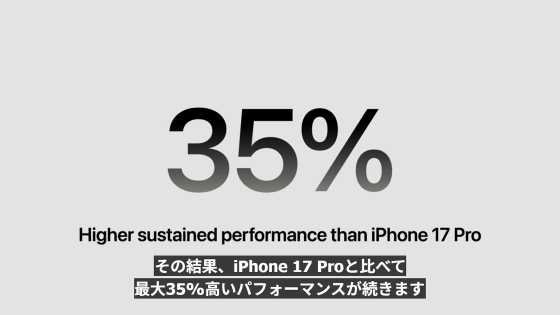
Performance is up to 35% better compared to the iPhone 17 Pro.
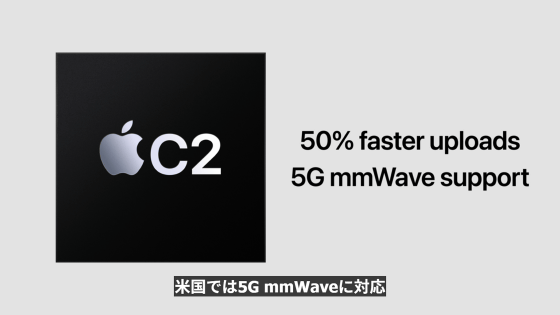
It also features an Apple-made 'C2' modem.
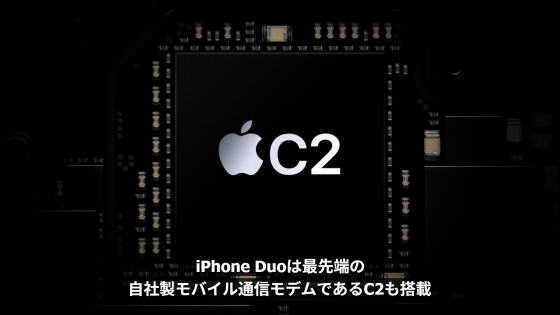
C2 allows the 'baseband,' 'transceiver,' 'power management,' 'firmware,' and 'software' to work together as a single platform.
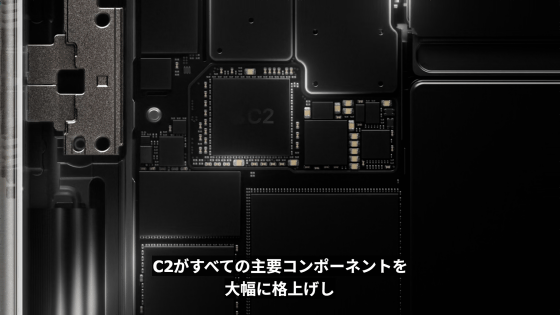
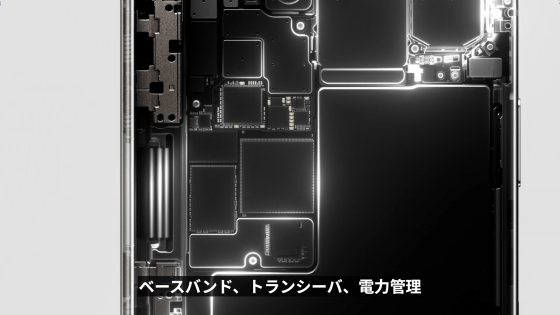
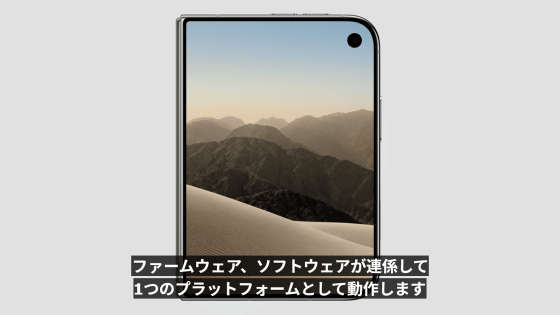
Uplink speeds have improved by 50%. It supports 5G millimeter wave in the United States.
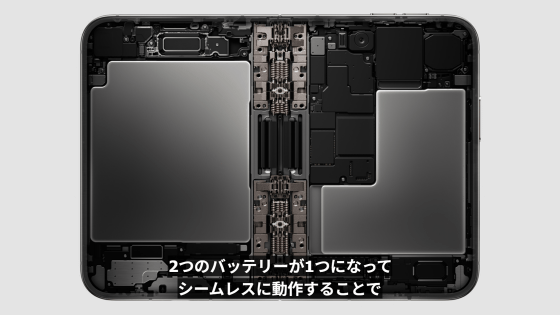
The batteries are mounted on both sides.
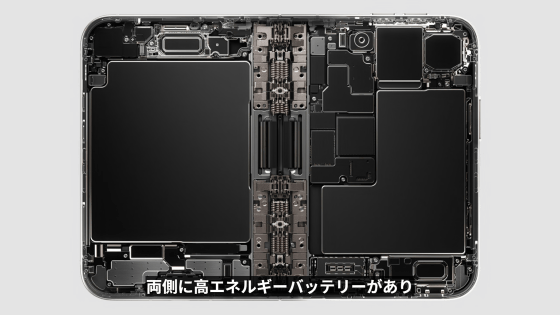
The two batteries work seamlessly as a single battery.
The built-in display can play videos for up to 31 hours.

The outer display can play for 44 hours.

The battery life under normal use is up to 24 hours.

It can be charged to 50% in 20 minutes. It also supports wireless charging up to 25W via MagSafe.

The rear camera system consists of a dual-lens configuration: a 48MP Fusion main lens and a 48MP Fusion ultra-wide-angle lens.
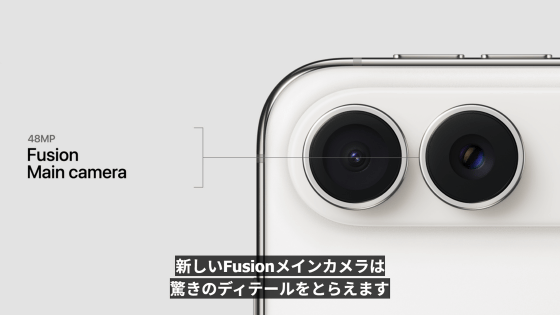
The following are photos taken primarily with the 48MP Fusion.

You can also crop the central portion and use it as a 12MP 2x telephoto camera.
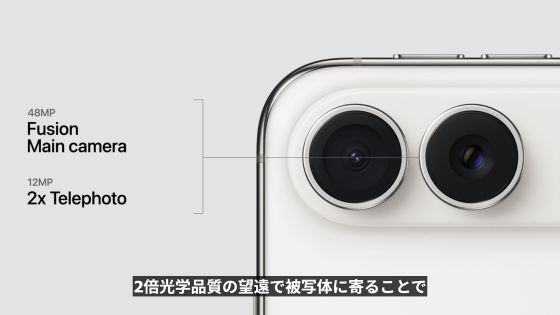

Supports sensor-shift optical image stabilization.

It allows you to take bright photos with reduced blur even in dark places.

It is also possible to shoot video in 4K at 120fps.

The 48MP Fusion ultra-wide-angle camera is the same one found in the iPhone 18 Pro.
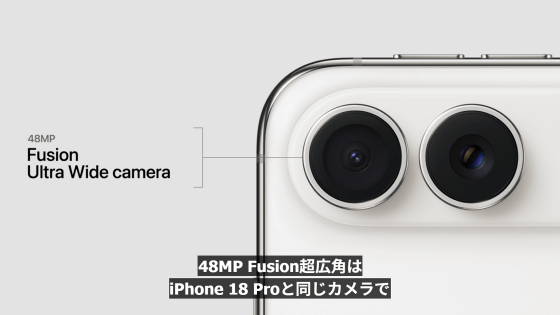
Here are some sample images taken with the 48MP Fusion ultra-wide-angle camera.

The front camera is integrated into both the inner and outer displays.
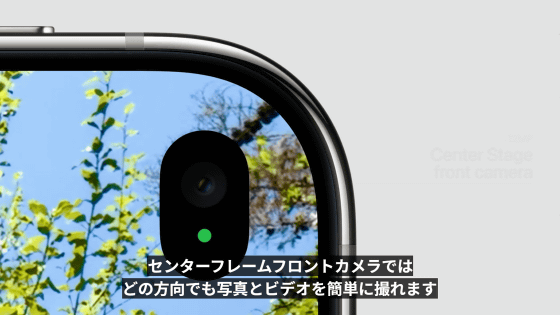
A selfie taken in portrait orientation.

You can switch to a landscape orientation while holding the camera vertically.
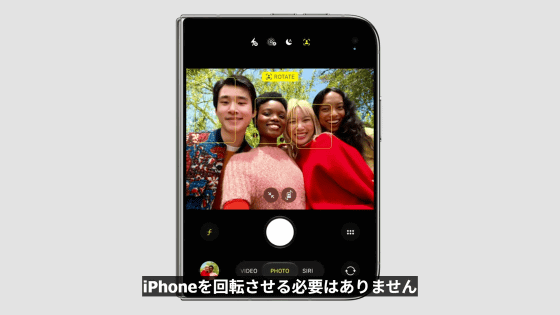
Using the front camera on the inner display, you can take photos while checking your appearance on a large screen.

You can fold it partway and stand it upright to make hands-free calls.

It's also possible to share video from both the front and rear cameras simultaneously.



With a regular iPhone, you can't preview the image when taking a selfie with the high-resolution rear camera, but with the iPhone Duo, you can preview the image while taking a selfie with the rear camera.
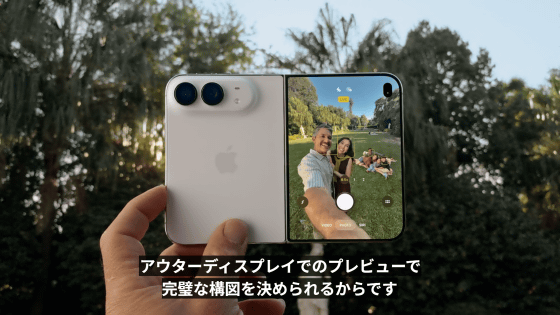
It also supports the shooting technique of 'allowing the subject to see you while taking the picture.'
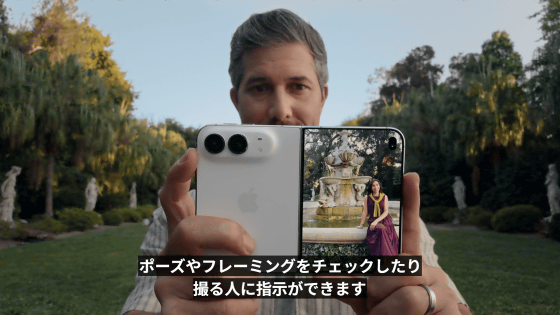
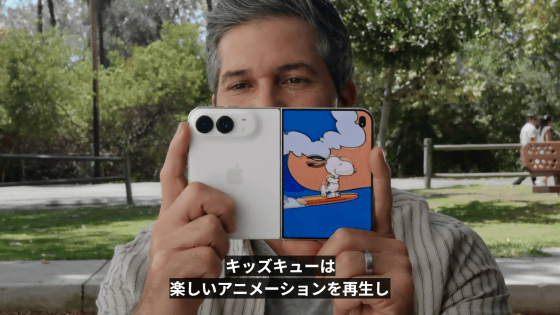
You can also attract their attention by displaying child-friendly animations on the outer display.
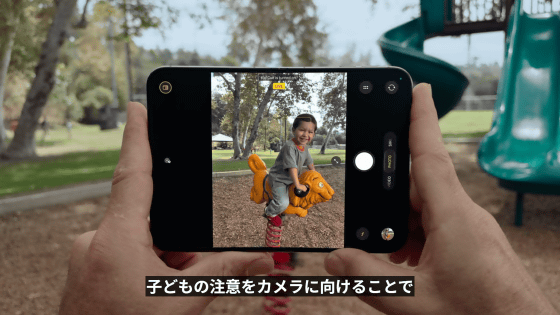
It also features a smart shooting function that recognizes poses and automatically takes photos.
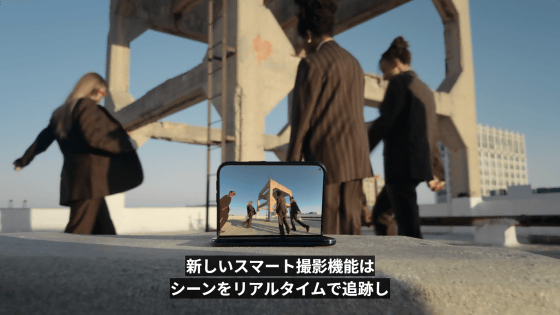

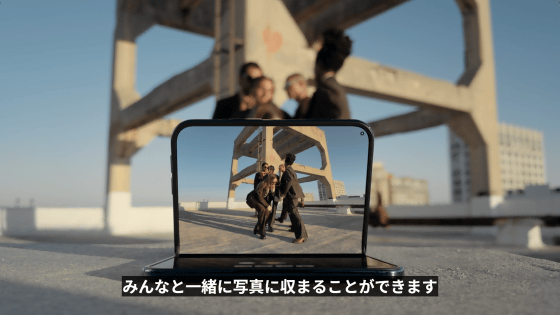
You can also take full-body photos with the wide-angle selfie function.
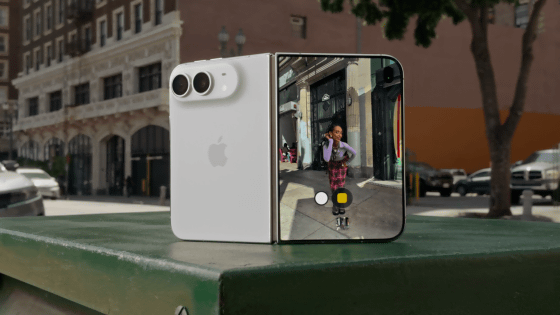
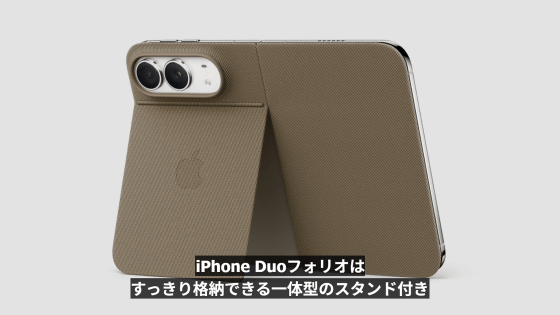
There are also accessories specifically designed for the iPhone Duo, such as the 'iPhone Duo Folio,' which features an integrated stand.
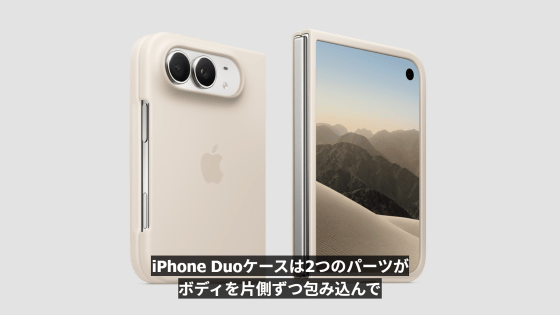
There is also an 'iPhone Duo case' that is fully compatible with the folding mechanism.
'We will deliver the biggest turning point in the iPhone experience since the original iPhone.'
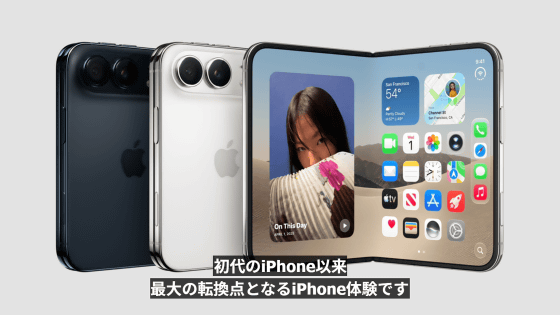
This is the iPhone Duo.
The iPhone Duo will be released on October 23, 2026, with pre-orders starting at 9 PM on October 16, 2026. Prices are ¥364,800 (tax included) for the 256GB model, ¥399,800 (tax included) for the 512GB model, ¥469,800 (tax included) for the 1TB model, and ¥574,800 (tax included) for the 2TB model.
Related Posts:
in Video, Hardware, Smartphone, Posted by log1i_yk