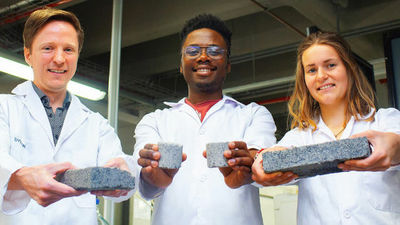
'μBites' cookies made from recycled plastic waste.
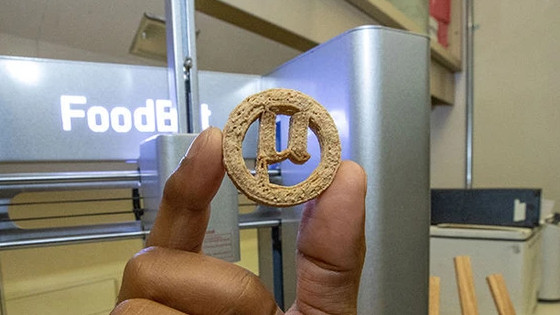
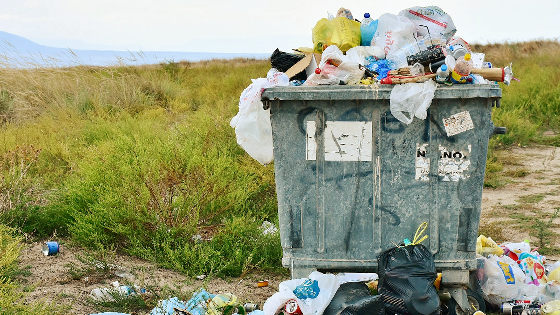
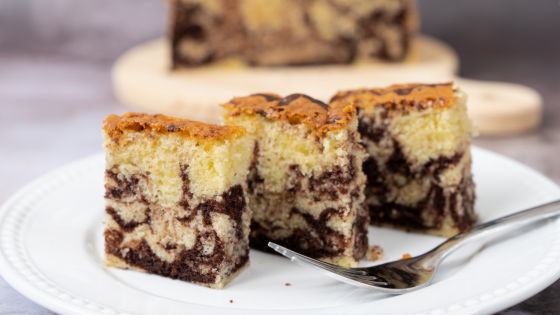
As one solution to the growing problem of plastic pollution and concerns about food security, a research team at Southern Illinois University Carbondale has created 'μBites,' protein-rich cookies made from plastic waste.
This cookie started its life as a plastic bottle - American Chemical Society
μBites was originally developed for NASA's Deep Space Food Challenge, a competition to develop space food. Associate Professor Rahil Jayakodi, who is working on the research, says, 'While working on developing technologies to add value to plastics and make them reusable, I thought, 'Why not try focusing on food development?' Because plastics are made of carbon, and so are foods.'
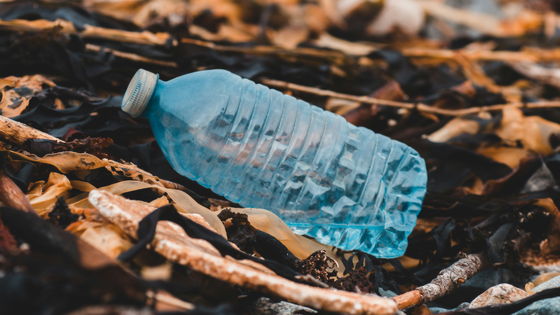
One common form of plastic is PET (polyethylene terephthalate), the material used for plastic bottles. PET contains molecules with a large amount of carbon that can be reconstructed into proteins and other materials.
While reconstruction can be carried out using chemical reactions and solvents, a simpler and more environmentally friendly method is to 'leave it to microorganisms.'
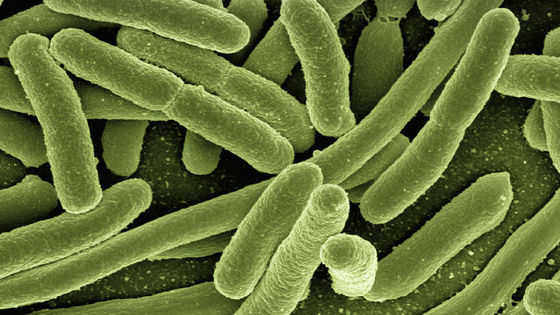
Ken Anderson, a professor of geology at Southern Illinois University Carbondale, devised a unique process called 'oxidative hydrothermal dissolution,' which uses water and oxygen under high temperature and pressure to break down recalcitrant substances into fragments usable by microorganisms. Associate Professor Jayakodi and graduate student Sandhya Jayasekara successfully reconstituted these fragments into food ingredients such as proteins by feeding them to various yeasts, including genetically modified baker's yeast.
Ultimately, 'μBites' are made by adding dietary fiber, starch, and sweeteners to the yeast-reconstituted mixture and then 3D printing it.
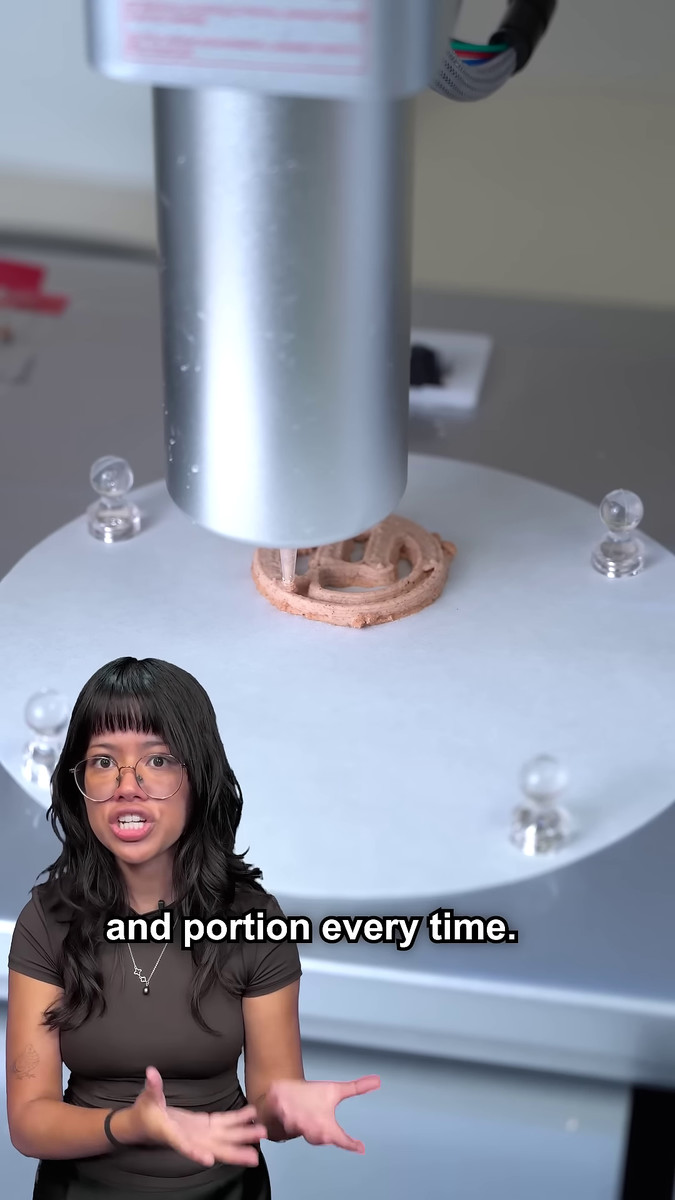
While data indicates that μBites are safe to eat, taste tests are awaiting approval. However, they received high marks in aroma tests, with the majority of participants stating that they would be willing to eat μBites in resource-limited environments.
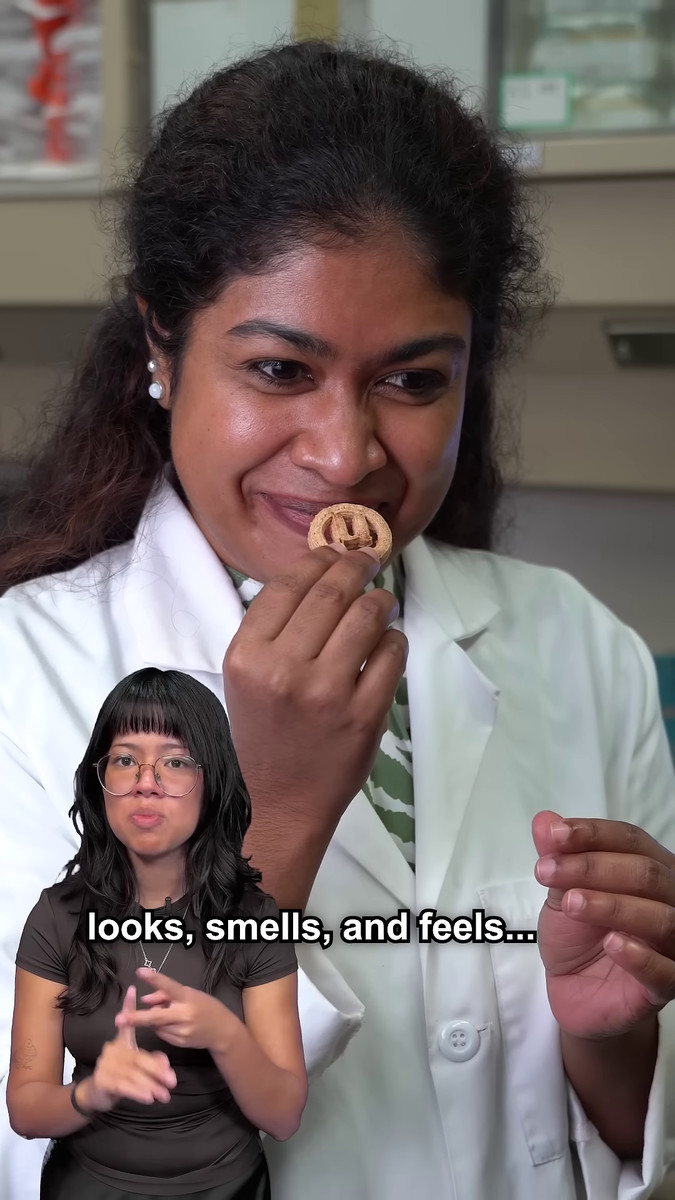
Jayasekara developed a yeast that can produce more food additives to make μBites 'a product that consumers can choose even in less urgent situations.' This allows for the production of bio-flavorings from plant biomass and the conversion of ethylene glycol contained in PET into beta-carotene, which is converted into vitamin A in the body.
In the future, Associate Professor Jayakodi and his colleagues aim to produce all of the main ingredients, including added starch, dietary fiber, and sweeteners, using microorganisms. Associate Professor Jayakodi stated, 'Global food demand is projected to increase by 35% to 56% by 2050, meaning that approximately 30% of the world's population will be at risk of hunger in the future. I believe that utilizing microorganisms is the way to address this problem.'
The results of this research were presented at the American Chemical Society's Fall 2026 Meeting.
Engineered yeast consortia for converting plastic and biomass-derived compounds into valuable food additives | Poster Board #1081 - ACS Fall 2026 - American Chemical Society
https://acs.digitellinc.com/live/37/session/586399
Related Posts: