Approximately one-third of 'sterilized' inks used for tattoos and permanent makeup are contaminated with bacteria, including pathogens that can cause infections.

Tattoos, which involve creating small punctures in the skin with a needle and injecting ink, are widely accepted as a form of fashion and self-expression. In recent years,
Retrospective analysis of microbial contamination in tattoo and permanent makeup inks | Scientific Reports
https://www.nature.com/articles/s41598-026-65785-x
FDA Finds Bacteria in a Third of 'Sterile' Tattoo Inks, And That's a Problem : ScienceAlert
https://www.sciencealert.com/tattoo-ink-isnt-as-sterile-as-we-thought-and-thats-a-problem
Tattoos and permanent makeup involve damaging the skin to deposit ink, so it is desirable to minimize the entry of pathogens during the process. In recent years, the tattoo industry has also been working to improve hygiene standards, and some inks now come with a 'sterilized' label.
However, a 2024 FDA study analyzed 75 types of tattoo and permanent makeup inks sold by 14 manufacturers and found that some form of bacteria was detected in 26 out of 75 types, or about one-third of the total.
Bacteria that may pose health concerns have been discovered in tattoo ink sold on Amazon - GIGAZINE

To confirm that the 2024 results were not merely an outlier, the FDA retrospectively analyzed the results of four tattoo and permanent makeup ink investigations conducted between 2018 and 2024. The analysis included 259 ink samples, encompassing various brands, colors, and sterilization labels, all of which were unopened.
The analysis revealed that approximately one-third of the inks, or 35.4%, were contaminated with bacteria even before opening. In other words, the 2024 survey results were by no means outliers, indicating that tattoo and permanent makeup inks are frequently contaminated with bacteria.
One point of particular note is that of the 118 samples labeled 'sterilized,' approximately one-third (30.5%) were contaminated. The contamination rate for samples without the 'sterilized' label was 35.5%, indicating that the presence or absence of the 'sterilized' label hardly guarantees sterility.
Furthermore, the contamination rate for tattoo ink was 33.3% compared to 33% for permanent makeup ink, and the contamination rate for American-made ink was 33.5% compared to 31.9% for imported ink, indicating that there was little difference depending on the type of ink or its country of origin.
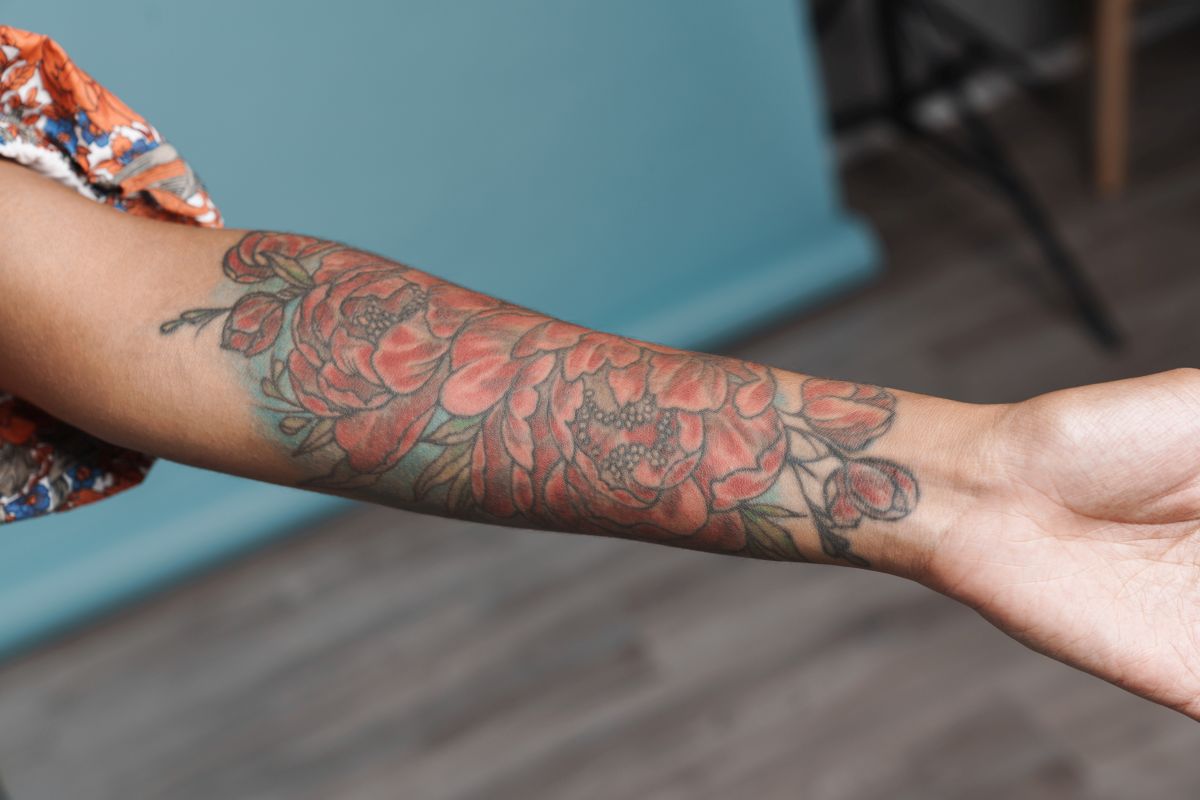
This analysis also identified 94 species of bacteria belonging to 38 genera that were mixed into the ink. The overwhelming majority were Bacillus species , followed by Pseudomonas , Staphylococcus , and Lysinibacillus . Approximately one-third of the 94 species were Pseudomonas aeruginosa , Bacillus cereus , and Propionibacterium acnes , which have been linked to diseases that cause illness in humans.
The variety of bacteria detected in the ink continued to increase with each additional sample, never leveling off. Therefore, further increases in the sample size could potentially lead to an increase in the variety of bacteria detected. Additionally, the identified bacteria were limited to those that grow easily in culture, meaning that bacteria that grow slowly or require difficult culture conditions may have been overlooked.
The series of research findings suggest that the safety of tattoo and permanent makeup inks cannot be determined simply by looking at the bottle or the 'sterilized' label. The research team argued that improvements in ink manufacturing quality control, stricter sterilization procedures, and enhanced microbial risk assessment are necessary.
Related Posts:





in Science, Posted by log1h_ik