The camera team leader explains what they wanted to achieve with the new 'Camera Styles' feature on the Pixel 11.
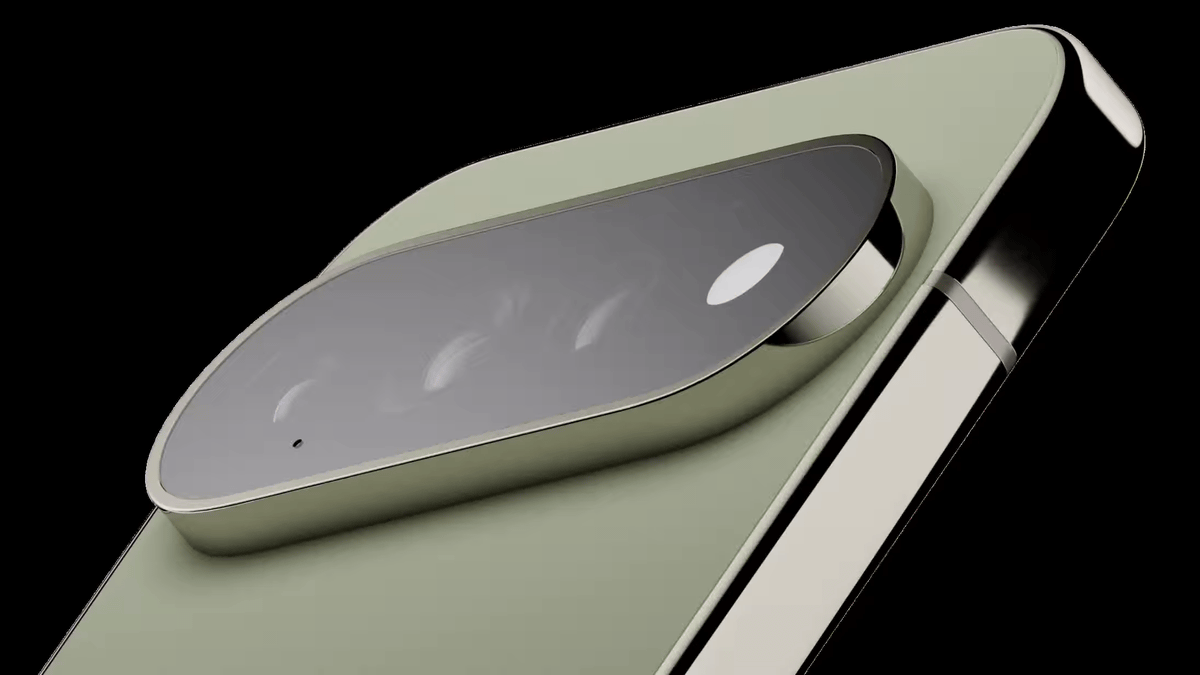
When you take photos with a smartphone, the sky is blue, faces are bright and clear, and night scenes are captured with little noise and the subject is bright—it seems like there are no real problems anymore. However, in reality, there are major challenges for smartphone camera developers, and Isaac Reynolds, who leads the Google Pixel camera team, explains why they included the new 'Camera Styles' feature in
Google is making the Pixel cameras better by making them worse | The Verge
https://www.theverge.com/tech/978084/google-camera-looks-interview-computational-photography
'Camera Style' is a new feature added to the Pixel 11 that allows you to adjust the appearance of your photos. While it's possible to change the look of photos using filters and other methods, 'Camera Style' is unique in that it changes how image data is processed at the sensor level, whereas previous functions applied editing and adjustments after the photo was taken.
7 things you should know about the Pixel 11 update
https://blog.google/intl/ja-jp/products/devices-services/pixel-11-features/#camera-looks
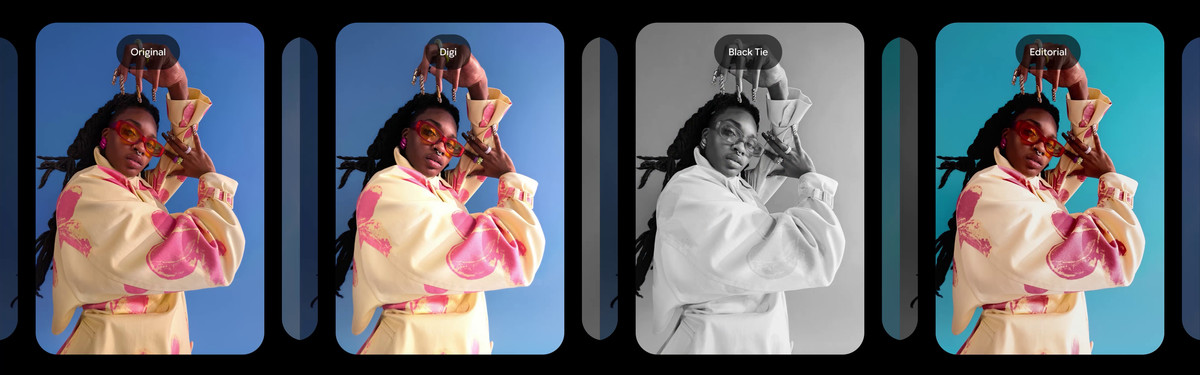
In addition to the default styles of 'Natural' (soft rendering), 'Shadow' (deep contrast), and 'Vanilla' (warm), you can further choose your preferred style from six additional styles.
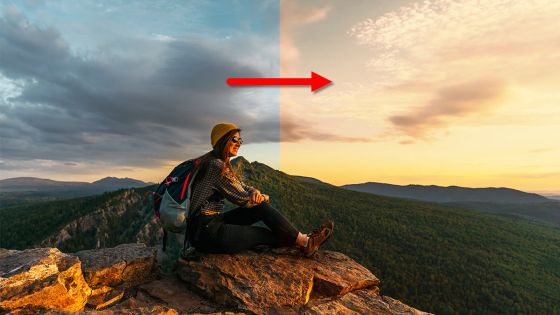
Below, from left to right, are the original, the 'Digital Camera' additional style, the 'Monochrome' additional style, and the 'Magazine' additional style.
According to Reynolds, who spoke with David Aymel of the news site The Verge, there is a growing polarization in the demand for photographs, with some people seeking optimized images while others are increasingly seeking 'more realistic' or 'traditional' images.
'Camera Style' is a feature that Reynolds and his team came up with to address this problem, and it fundamentally rethinks how a camera takes and processes photographs.
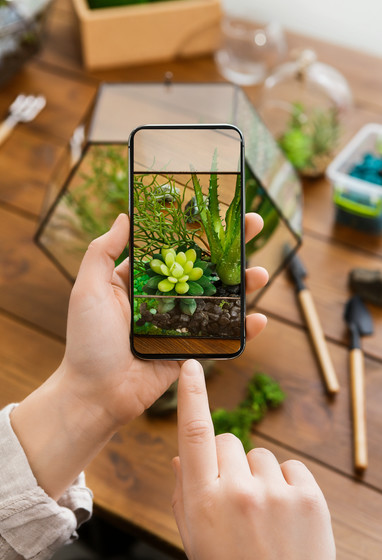
Even when HDR compositing is performed, the number of frames used for compositing is intentionally reduced, leaving highlights slightly overexposed and edges softened without sharpening. Technically, this results in a decrease in detail and dynamic range, which some may consider 'low quality,' but the development team believes that the result will be closer to the photos that individual users actually want.
With the previous Pixel series camera processing flow, users who were dissatisfied with the final result had to use post-processing automatic adjustments, and if any changes had already occurred due to processing, they had no choice but to accept it. However, with the Pixel 11, the processing stage has been brought forward significantly, and if you are happy with a simple final result, you can even skip processing altogether.
Aymer points out that giving users this much control over images is a major turning point for Google. He notes that the image processing in recent Pixel camera apps has become too mechanical, losing the realism that was once highly praised, but he believes that the Pixel 11 has introduced a new direction.
Related Posts:




in Hardware, Smartphone, Posted by logc_nt