The decline in vegetable diversity may be disrupting the modern diet.
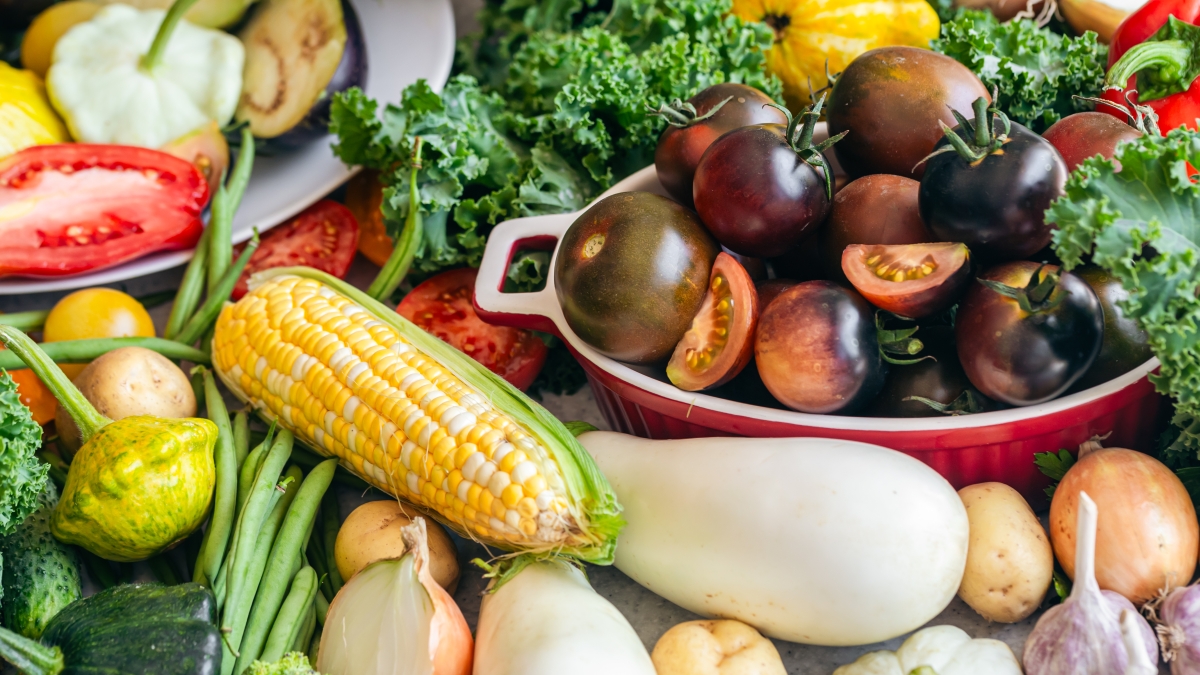
To achieve healthy eating habits worldwide, it may be important not only to increase vegetable production but also to increase the variety and types of vegetables cultivated. An international research team led by Maarten van Sonnefeldt of the World Vegetable Centre points out that the loss of diversity in vegetable seeds, varieties, and wild relatives will narrow the options for bringing nutritious, climate-resistant vegetables to our tables.
Reversing vegetable biodiversity loss to diversify diets | PNAS
https://www.pnas.org/doi/10.1073/pnas.2532063123
The World's Vegetables Are Vanishing, And It's Quietly Wrecking Our Diets : ScienceAlert
https://www.sciencealert.com/the-worlds-vegetables-are-vanishing-and-its-quietly-wrecking-our-diets
Vegetables are an important food group that provides vitamins, minerals, and dietary fiber, but on average in many countries, actual intake is about 40% below the amount recommended for a healthy diet. Until now, low production volume, high prices, and food culture and preferences have been cited as the main causes of vegetable deficiency, but Van Sonnefeldt et al. point out that preserving and utilizing vegetable diversity is an under-recognized factor.
Vegetable diversity includes not only edible plant species, but also regionally endemic and traditional varieties belonging to the same species, as well as wild relatives with genetic characteristics useful for breeding. The research team integrated vegetable lists from sources such as ' Mansfeld's Encyclopedia of Agricultural and Horticultural Crops, ' the United Nations Food and Agriculture Organization (FAO) report ' The Plants That Feed the World ,' the World Vegetable Centre's list of native vegetables, and regional data on traditional vegetables from sub-Saharan Africa, South and Southeast Asia, Papua New Guinea, the Andes, Mesoamerica, and the Amazon. As a result, they identified at least 1,482 vegetable species. Furthermore, it is believed that the actual number of vegetable species is even greater, as there are also vegetables that are harvested locally but not included in the data.
While some vegetables, such as lettuce, onions, and tomatoes, are cultivated and consumed worldwide, regionally specific vegetables and varieties are losing opportunities for cultivation and use due to market standardization and changes in land use. 80% of studies examining 'genetic erosion' of vegetables over the past 100 years—that is, a decline in varieties and genetic differences—reported a decrease in variety or genetic diversity. Furthermore, a study examining the conservation status of wild relatives of 79 species listed as major vegetables by the United Nations Food and Agriculture Organization, as recorded on the International Union for Conservation of Nature (IUCN) Red List, found that an estimated 24% of assessed species were endangered.
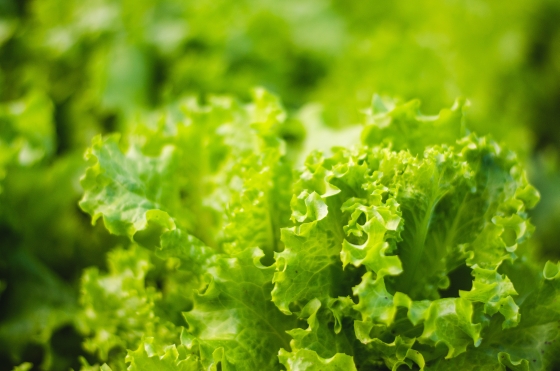
When locally unique vegetables disappear from fields and markets, it becomes more difficult to pass on their cultivation methods and cooking techniques. This creates a vicious cycle where fewer people eat them, leading to a reduction in production and distribution, and making them harder to obtain, resulting in even less consumption. When the vegetables on our tables become skewed towards a limited number of seeds and varieties, it not only reduces the selection of highly nutritious vegetables and those suited to the local climate, but also depletes the genetic material needed to develop new varieties that can withstand pests, diseases, droughts, and high temperatures.
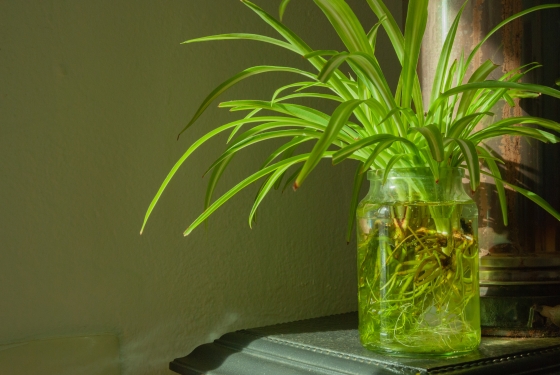
As an example illustrating the challenges in preserving and utilizing vegetable diversity, the research team cites the spider plant (Chlorophytum comosum), which is eaten as a leafy vegetable in Africa. While spider plants are highly nutritious and resistant to climate change, only a small number of regional varieties are preserved in gene banks that store genetic resources such as seeds. This limits the number of seeds available for breeding, making it difficult to develop improved varieties for large-scale production.
On the other hand, pumpkins, which are resistant to drought and high temperatures, contain beta-carotene in their orange fruits and micronutrients in their dark green leaves, and many varieties are preserved in gene banks. However, because pumpkins are easily pollinated by pollen from different varieties grown nearby, it is necessary to separate the cultivation plots for each variety in order to increase seeds while maintaining the genetic characteristics of each variety. In addition to the large amount of farmland required, the effort to manage and prevent pollen mixing is also required, which makes seed propagation costs high and results in a shortage of seeds that can be used for variety improvement.
It should be noted that it has not been confirmed whether increasing the variety of vegetables eaten actually improves vegetable intake or health conditions.
Van Sonnefeldt states, 'Much of the diversity of vegetables we need still exists today as traditional varieties and wild relatives. In the face of climate change, it is urgent that we properly preserve and wisely utilize them in order to diversify our diets.'
Related Posts: