What did we learn from a large survey of people about mysterious experiences such as déjà vu and out-of-body experiences?
Making sense of the extraordinary – An investigation of the content and prevalence of appraisals of nonordinary experiences | PLOS One
https://journals.plos.org/plosone/article?id=10.1371/journal.pone.0353126
Feeling a presence or having déjà vu: How do we make sense of weird things that happen to us?
https://www.scimex.org/newsfeed/feeling-a-presence-or-having-deja-vu-how-do-we-make-sense-of-weird-things-that-happen-to-us
Feeling a Presence, Seeing Visions, Déjà Vu? Huge Study Maps The 'Uncanny' Experiences We Rarely Talk About : ScienceAlert
https://www.sciencealert.com/ever-experienced-something-you-cant-explain-detailed-study-investigates-how-people-deal-with-the-uncanny
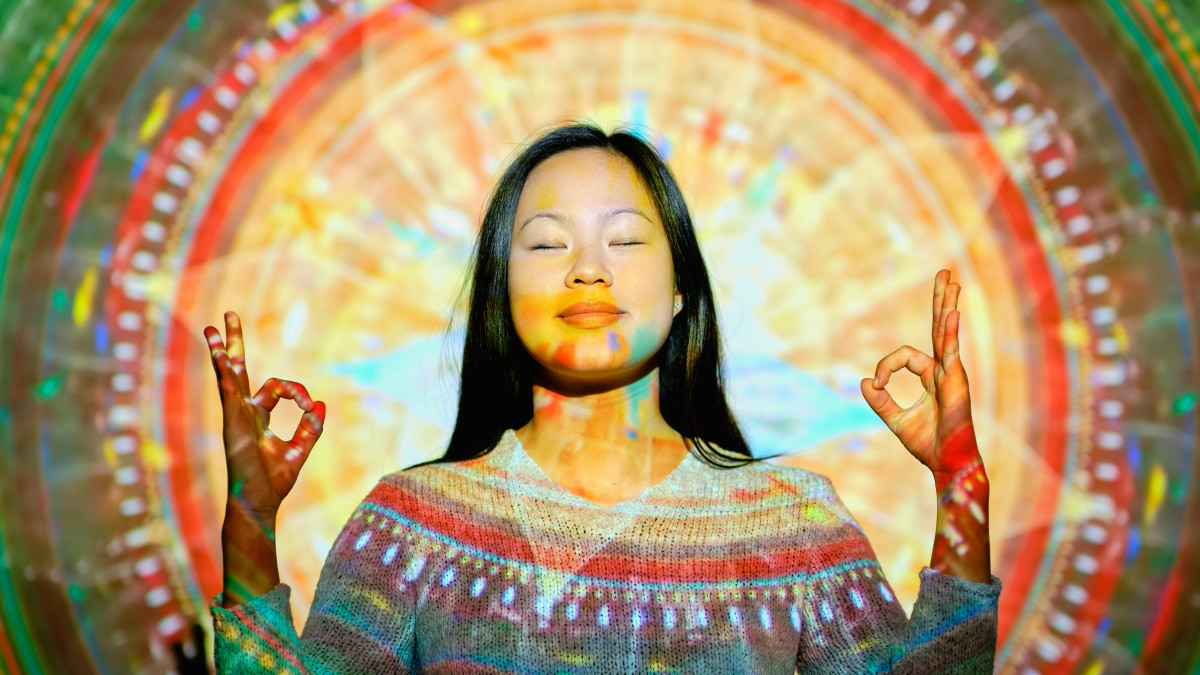
Surprisingly, many people have had paranormal experiences; approximately 60% of Americans have experienced a paranormal phenomenon at least once. While these phenomena are generally perceived as frightening, some people are deeply moved by paranormal experiences, develop new spirituality, or rediscover love for deceased loved ones. On the other hand, some people consider these inexplicable phenomena to be merely symptoms of mental illness.
This time, a research team from the D'Or Institute for Research and Education (IDOR), a non-profit medical research institute in Brazil, focused their study on 'how people felt about these unusual experiences.' The research team based their study on a previously developed questionnaire called the 'Inventory of Nonordinary Experiences (INOE),' adjusting the wording of the questions and adding additional questions.
In the INOE study, participants are asked whether they have had any of 38 different paranormal experiences, and if so, they are asked about the circumstances surrounding the event and what happened afterward. The paranormal experiences asked about in the INOE included 'feeling an aura,' 'being struck with awe,' ' déjà vu ,' 'lucid dreams,' 'near-death experiences,' 'out-of-body experiences,' 'sleep paralysis,' 'feeling like you've lived a past life,' 'feeling supernatural powers,' 'feeling the presence of the dead,' 'auditory hallucinations,' and 'visual hallucinations.'

The research team asked a group representing the general population of Brazil whether they had had any of 38 paranormal experiences. If a participant answered that they had had any of these experiences, they were asked further questions about their state of consciousness during the experience, how long it lasted, how many times they had experienced it, at what stage of their life they had the experience, and what they thought caused it.
An analysis of responses from 5,117 people who reported having paranormal experiences revealed that approximately 57% experienced them while awake and fully conscious, about 18% while asleep or in a dream, and about 11% just before falling asleep or immediately after waking up.
Approximately 63% of respondents reported their experience lasting only a few minutes, about 27% said it was instantaneous, and about 19% couldn't recall the duration. The most common number of paranormal experiences was 2-3 times (about 38%), followed by 1 time (about 30%), and about 16% reported 10 or more times. Regarding the timing of the experiences, about 67% occurred in adulthood, and about 21% experienced them during adolescence or puberty.
Interestingly, when asked about the cause of their experiences, approximately 36% answered 'I don't think anyone is to blame.' About 16% answered 'God or gods,' and about 12% answered 'spirits.' When asked why they had such experiences, about 41% thought it was a coincidence, but about 28% thought it was some kind of sign or message being sent to them.
When asked how they felt about their paranormal experiences, approximately 50% of respondents felt some kind of joy or happiness during the experience, while about 26% felt some kind of pain or discomfort. Furthermore, when asked about the long-term impact of the experience on their lives, about 51% said it had a 'somewhat positive or very positive' impact, while about 15% said it had a 'somewhat negative or very negative' impact.

Dr. Ronald Fisher of IDOR, a co-author of the paper, said, 'For many people, these experiences are meaningful and can lead to personal growth and insight. Highlighting these positive outcomes is important because it helps people understand and accept them as normal.'
Related Posts:






in Science, Posted by log1h_ik