Cockroaches possess a kind of 'collective memory' that arises from their social network.
In animal populations, past selections can be maintained through interactions between individuals, even if individuals do not remember the information. A research team led by Mariano Calvo Martin of the Free University of Brussels in Belgium investigated how individuals and populations of American cockroaches respond to environmental changes using two hiding places with different levels of brightness.
Emergence and retention of a collective memory in cockroaches | PLOS One
Cockroaches Have a 'Collective Memory' That Emerges From Their Social Networks : ScienceAlert
https://www.sciencealert.com/a-cockroach-collective-memory-emerges-from-their-social-networks-study-suggests
'Collective memory,' where memories are held by groups or societies rather than individuals, includes information learned by individuals that is shared through social learning, and information left in the external environment, such as trail markers left by ants. Martin et al. investigated the possibility that past choices can be maintained solely through interactions between individuals, without relying on individual memory or the external environment.
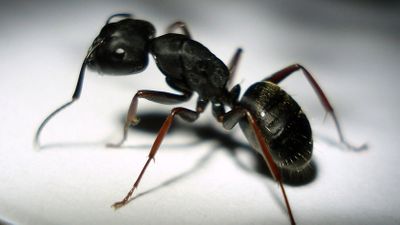
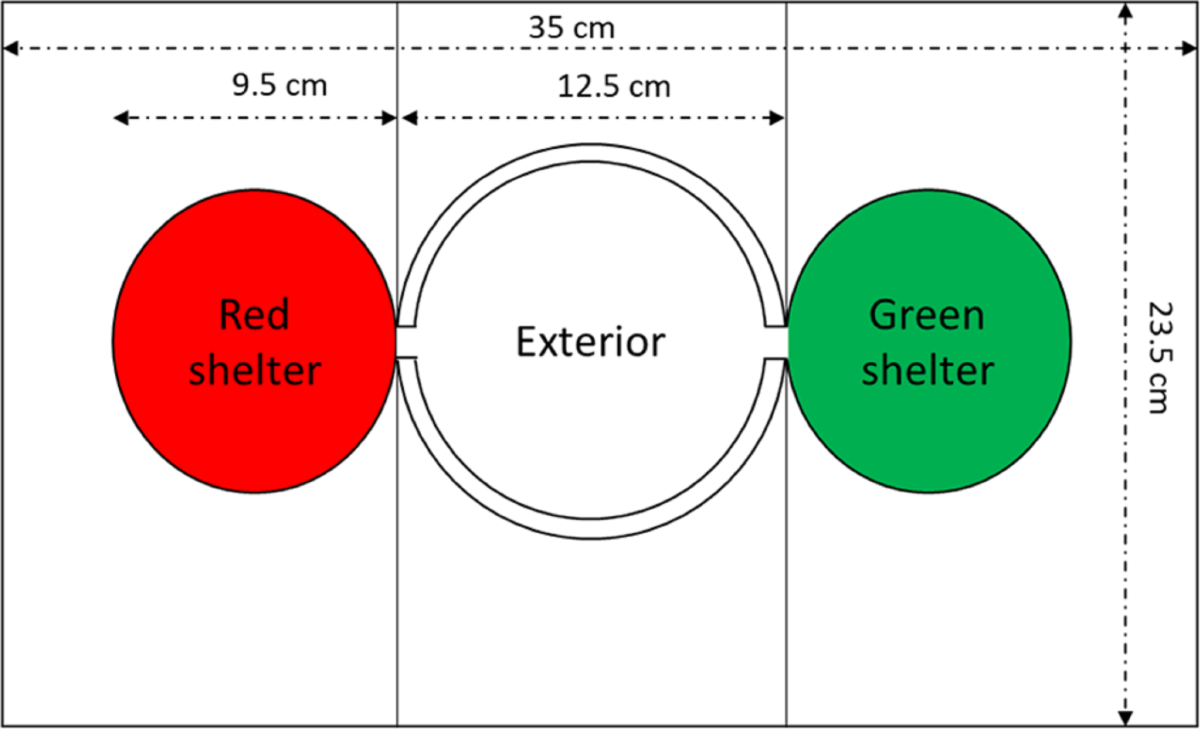
Martin and his colleagues conducted an experiment to compare whether American cockroaches, when acting alone or in a group of 10, would stay in a previously dark hiding place when it became brighter, or move to a newly darkened hiding place. They had the cockroaches choose from two hiding places that were identical in shape but differed only in the color of the lighting, and then swapped the lighting in the two hiding places.
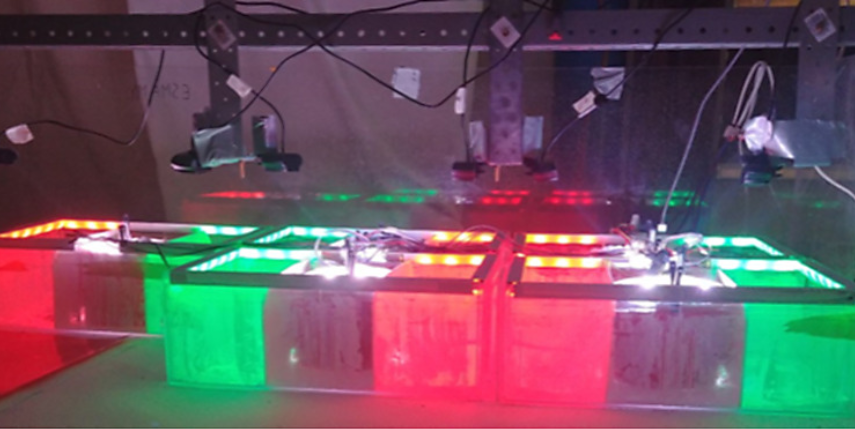
The experimental setup included one hiding place illuminated with red light and one hiding place illuminated with green light. Since American cockroaches have difficulty sensing red light, they perceive the red-lit hiding place as a darker location.
Under the condition of alternating lighting, 21 trials were conducted using individual American cockroach
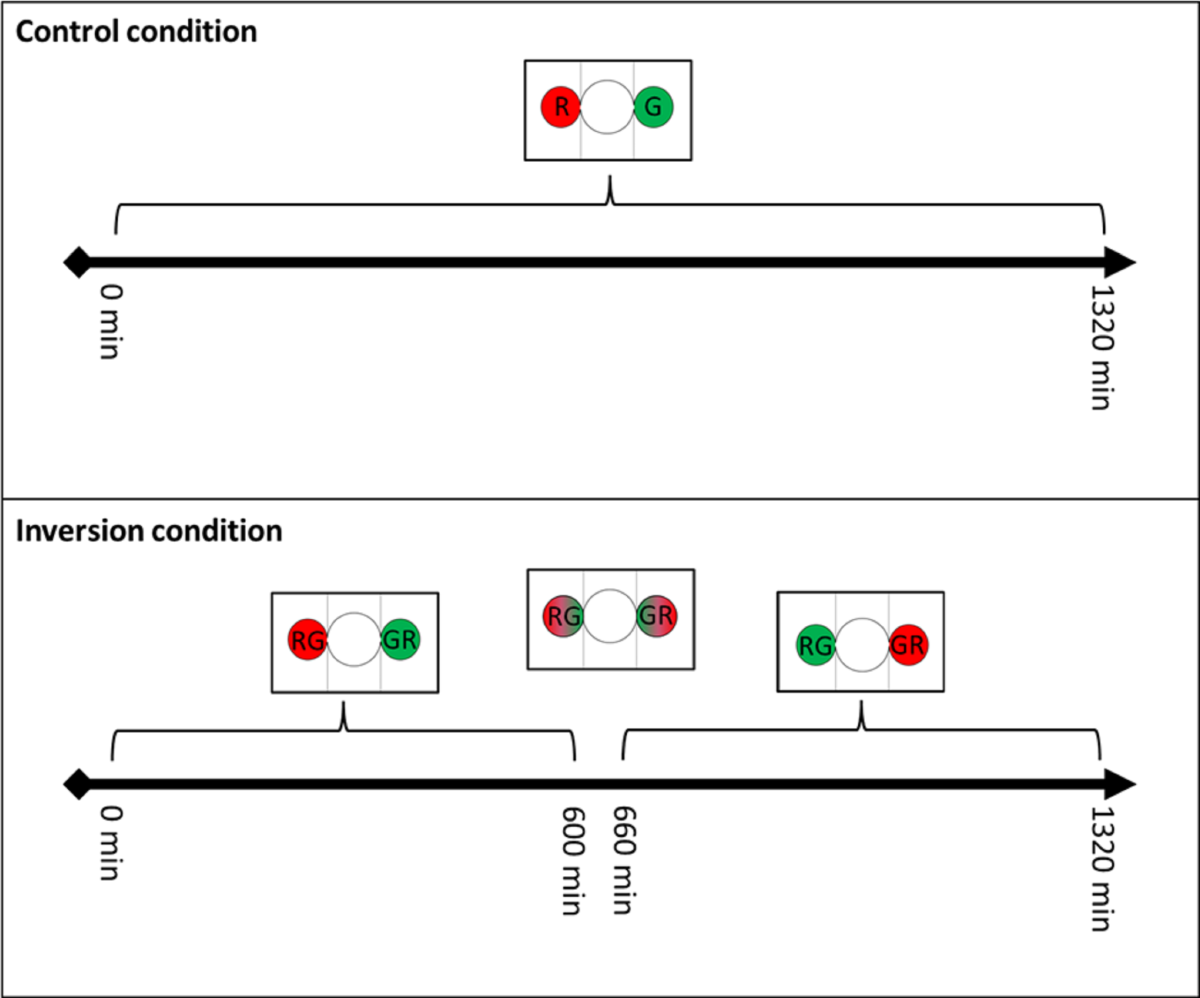
Furthermore, hydrocarbons covering the cockroach's body surface adhere to the floor where it walks, acting as a signal to keep other cockroaches that touch the floor in place. White paper was laid on the floor of the experimental apparatus and replaced after each trial to prevent traces left from the previous trial from affecting the next trial.
The experiment revealed that, before the lighting was changed, both a single American cockroach and a group of 10 preferred hiding places with the dimmer red light.
Then, 10 hours before the lighting was changed, 12 out of 22 groups had gathered at their original red-lit hiding places, indicating a unified group selection with 8 or more individuals. Of these 12 groups, 7 remained in the same hiding places until the end of the experiment, even after the lighting changed to green, while the remaining 5 groups moved to the newly red-lit hiding places. However, all 10 groups that did not have 8 or more individuals gathered in the same hiding place at the 10-hour mark chose the newly red-lit hiding places.
On the other hand, individual American cockroaches spent longer periods in hiding places that were newly illuminated with red light after the lighting was changed compared to hiding places that were originally illuminated with red light, and there was no significant correlation between the locations they were in before and after the lighting change.
In other words, this experiment showed that individual cockroaches did not cling to past hiding places, but in groups, those that had made a unified choice before the lighting was changed tended to cling to past hiding places. Martin et al. interpret this phenomenon, where the past state of a group is reflected in its choices after environmental changes, as a kind of 'collective memory.'
While replacing the floor paper after each trial prevented the carryover of surface hydrocarbons remaining from previous trials, Martin et al. suggest that 'surface hydrocarbons remaining during the same trial may have stabilized the group and acted as a kind of memory, storing past selections outside of the individual.'
Related Posts: