Chronic constipation may be caused by interactions between the enteric nervous system and the gut microbiota.

Regular and easy bowel movements are important for quality of life, yet 10-15% of adults worldwide suffer from chronic constipation. A paper published in the medical journal Frontiers in Immunology explains that chronic constipation is caused by the interaction of the gut microbiota, the immune system, and the
Frontiers | Microbiota–immune–enteric nervous system interactions in functional constipation: a narrative review and hypothesis-generating framework
https://www.frontiersin.org/journals/immunology/articles/10.3389/fimmu.2026.1851825/full
Chronic Constipation May Be a Gut-Brain Disorder, Scientists Say : ScienceAlert
https://www.sciencealert.com/chronic-constipation-may-be-linked-to-your-guts-second-brain
Constipation is a concept that encompasses various subtypes with different causes and symptoms, one of which is slow-transit constipation (STC). Slow-transit constipation is a type of constipation in which food and stool pass through the digestive tract slowly, and its cause is believed to be abnormalities in the enteric nerves that control peristalsis in the intestinal tract. Slow-transit constipation is said to be difficult to treat because it does not respond well to conventional drug therapy.
Based on the evidence accumulated so far, it is known that the gut microbiota, the immune system of the intestinal mucosa, and the enteric nervous system are related to delayed-type constipation, but the interactions between these are not yet fully understood. In a new paper, a research team in China has proposed a framework called 'Trigger–Gateway–Hub–Effector' to explain chronic constipation, including delayed-type constipation.
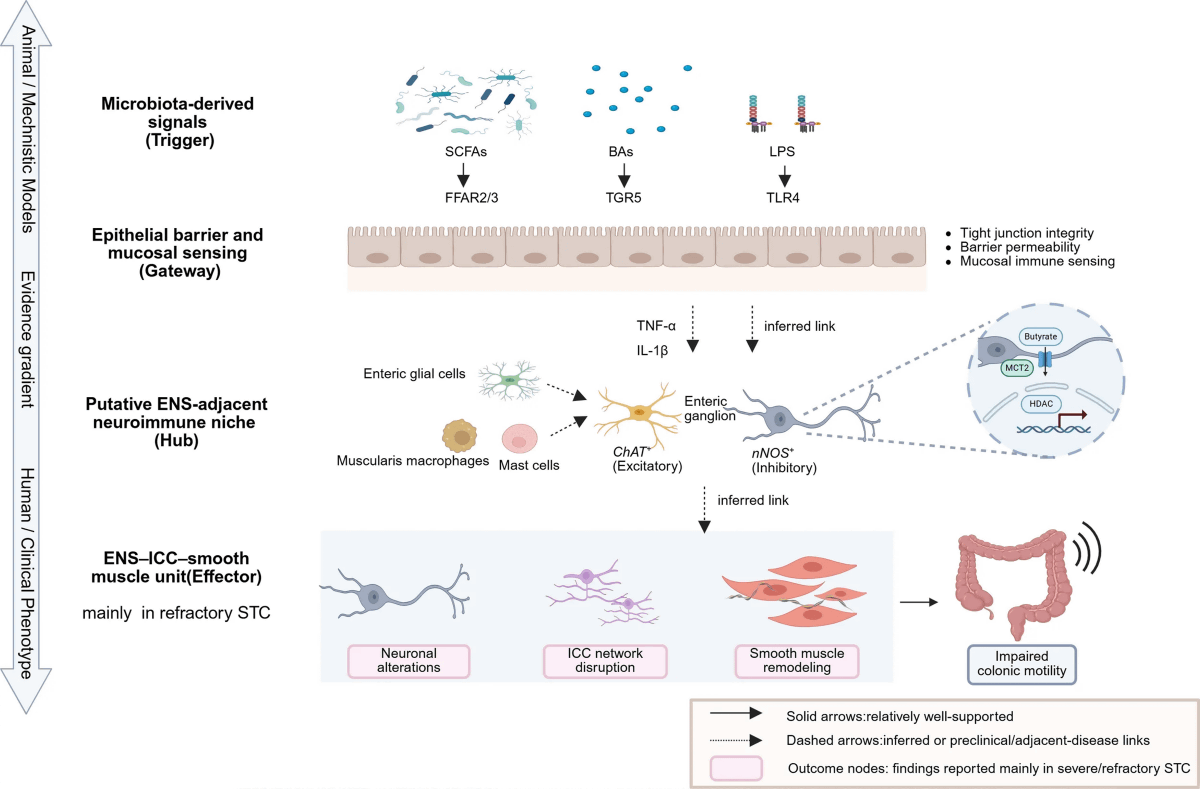
In the Trigger-Gateway-Hub-Effector model, the 'trigger' is an abnormality in the gut microbiota. When the composition of the gut microbiota changes due to diet, medication, or other lifestyle factors, changes also occur in metabolites, which are by-products derived from microorganisms. Major metabolites include those derived from bile acids produced in the liver, those derived from bacterial membranes, and those produced during the fermentation of dietary fiber.
These metabolites act as molecular signals and may affect the intestinal epithelial barrier, which selectively allows nutrient absorption while preventing sex substances from entering the bloodstream. This intestinal epithelial barrier is said to be the 'gateway' in the trigger-gateway-hub-effector model.
When the function of the intestinal epithelial barrier weakens and the permeability of the intestinal wall increases, a condition called leaky gut occurs, in which undigested food, waste products, and microbial components that should normally remain in the intestines leak into the bloodstream. The research team points out that if this condition worsens, metabolites from the gut microbiota may cause inflammation and potentially inhibit the immune and neuromuscular functions of the intestines.
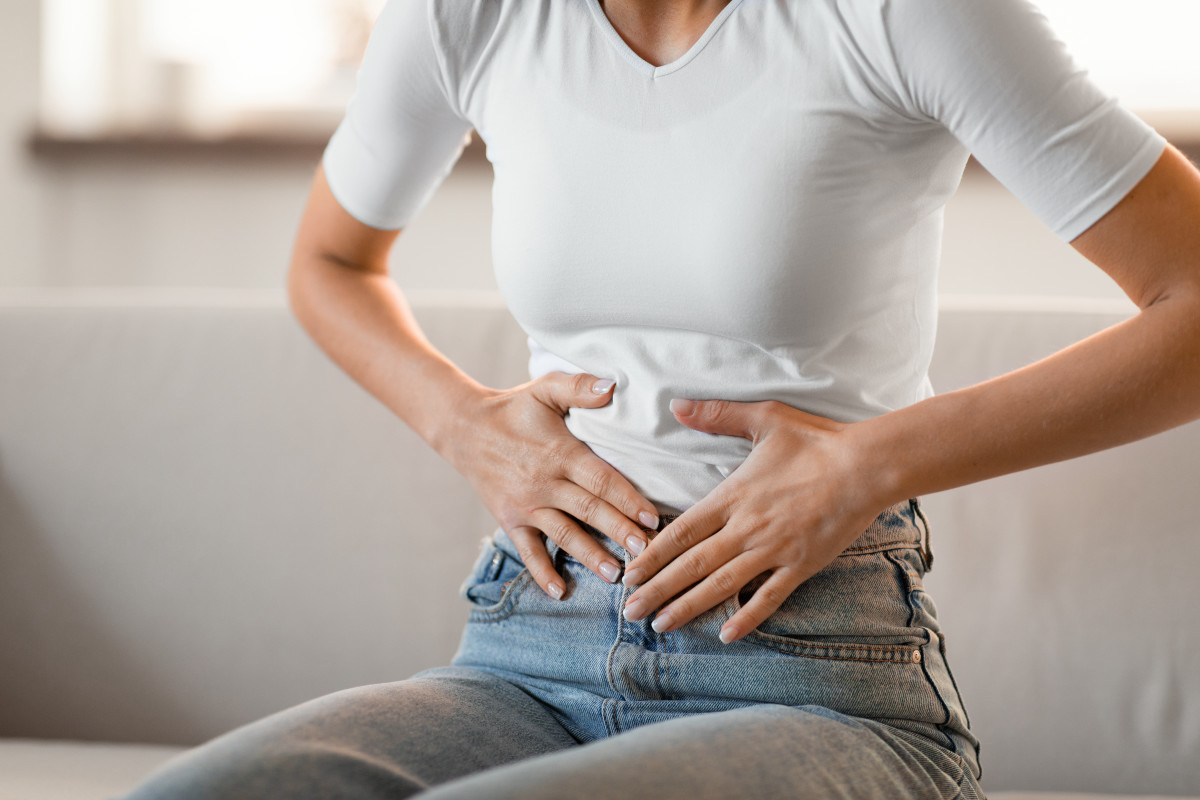
When the function of the intestinal epithelial barrier weakens and inflammation becomes more likely, disruption occurs in the microenvironment, which consists of immune cells,
The 'effector,' which is the endpoint in the trigger-gateway-hub-effector model, is the enteric nervous system where signals from the trigger-gateway-hub converge. The research team argues that signals from the gut microbiota, intestinal epithelial cells, immune cells, and glial cells converge here, potentially leading to dysfunction of the 'pacemaker cells' that drive peristalsis.
The following diagram illustrates the flow of trigger, gateway, hub, and effector. The diagram shows the interaction from the gut microbiota (Trigger) to the intestinal epithelial barrier (Gateway), the microenvironment surrounding the enteric nervous system (Hub), and finally to the enteric nervous system (Effector).
Treatments for chronic constipation based on the trigger-gateway-hub-effector model include supplementing with probiotics ( beneficial microorganisms) and prebiotics (components that positively influence microorganisms). Other approaches include targeting immune function to suppress inflammatory signaling and protecting pacemaker cells involved in peristalsis.
These treatments are not used alone, but may be used in combination with conventional laxatives and other medications. The research team stated, 'This holistic perspective supports an evidence-based treatment paradigm that encompasses the regulation of the gut microbiota, control of immune and glial responses, and maintenance of neuromuscular function.'
Related Posts:







in Free Member, Science, Posted by log1h_ik