An article was removed from Google's index following a DMCA request sent from a remote island with no population.

Google is working to prevent potentially copyright-infringing content from appearing in its search results and accepts takedown requests under
Pollen tried to remove my article about CEO Callum Negus-Fancey and CTO Bradley Wright, and Google is assisting with it - The Pragmatic Engineer
https://blog.pragmaticengineer.com/pollen-tried-to-remove-my-article-about-callum-negus-fancey-and-google-is-assisting-to-it/
Gergely Oros, who runs the software engineer newsletter ' The Pragmatic Engineer ,' published an article in 2022 detailing the events-related startup Pollen's event management failure. Pollen announced it had raised approximately $150 million (approximately 24 billion yen) in funding in 2022, but just three weeks later it laid off about 200 employees, roughly one-third of its workforce. Subsequently, it continued to fail to pay employee salaries, pension contributions, and payments to suppliers. Ultimately, Pollen filed for bankruptcy in August 2022.
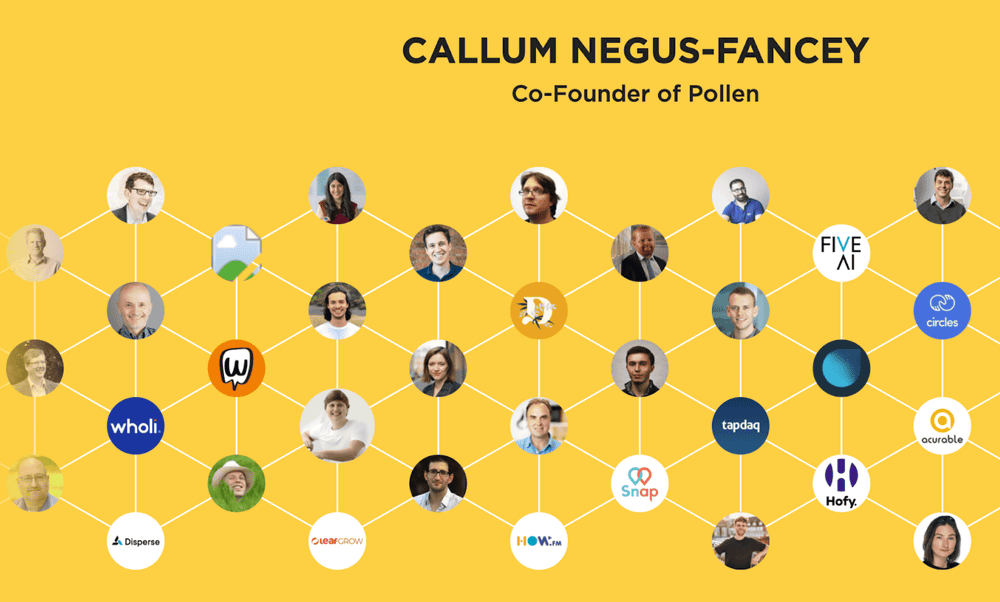
Oros's article, based on interviews with 20 former Pollen employees, details the events leading up to Pollen's bankruptcy. Pollen's founder, Callum Negas-Fancy, is being held accountable for lying to employees, failing to pay salaries, and failing to pay employee health insurance premiums. Chief Technology Officer (CTO), Bradley Wright, is also accused of leading a $3.2 million (approximately 500 million yen) double-billing scheme against customers.
Oros says that in June 2026, he received a notification from Google stating that they had removed his 2022 article from search results due to a copyright infringement claim. He claims that the article was his original work and that no copyright infringement claim from anyone other than him should be valid, yet Google still removed the article from search results.
Oros says that after reviewing the application on
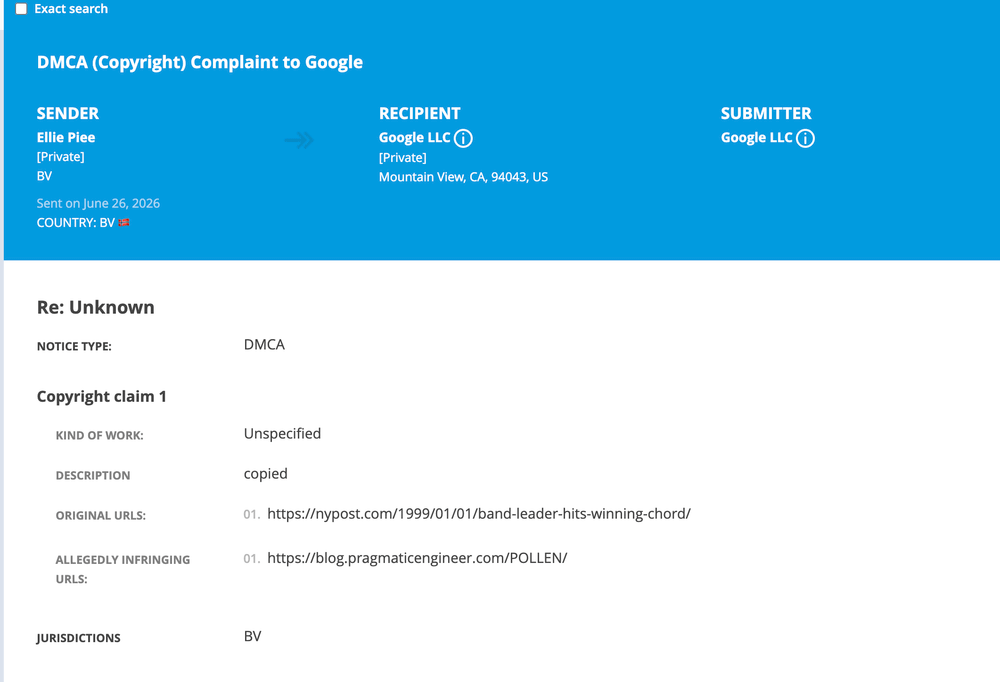
Furthermore, Oross points out that there are inconsistencies regarding the person named 'Ellie Piee' who was listed as the DMCA applicant. Ellie Piee's DMCA application was filed from
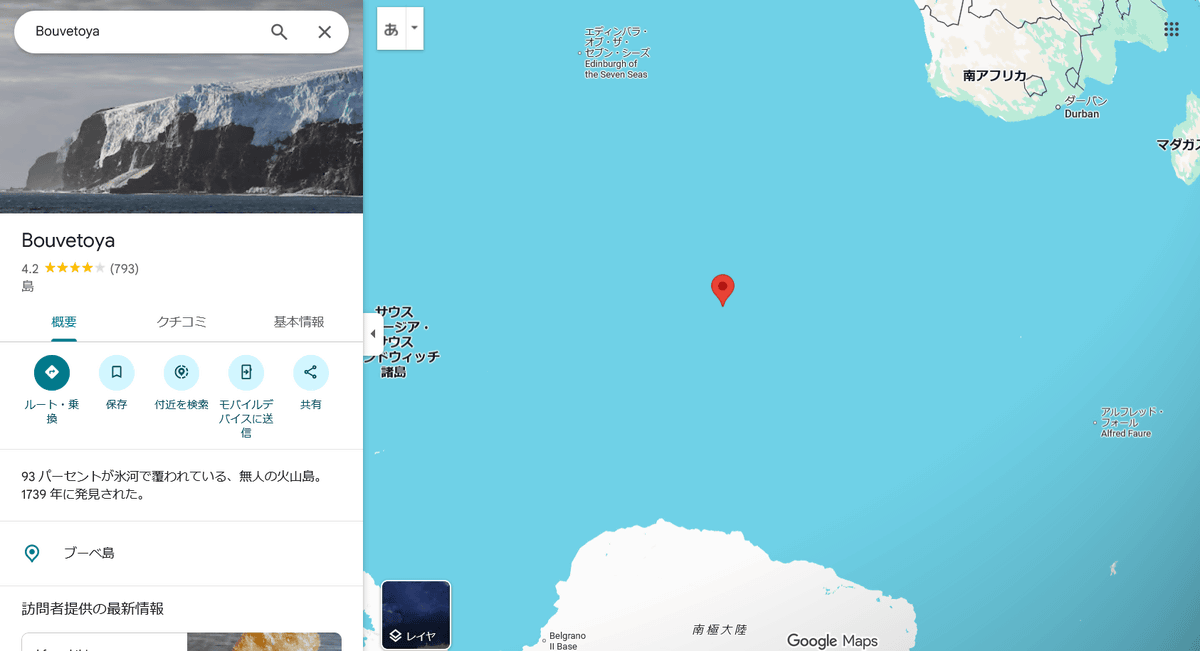
Oros speculates that the false DMCA claim may have been made by Pollen's former CEO, Callum Negas-Fancy, co-founder and former COO, Liam Negas-Fancy, or someone else associated with Pollen, who hired a reputation management firm to have the article removed.
Oros criticized, 'Apparently, anyone can file a fake copyright infringement claim and have articles they don't like removed from Google search results. It's clear that Google's copyright infringement removal system is being abused in a ridiculous way.'
Related Posts:







in Web Service, Posted by log1e_dh