Apple opens alternative app marketplaces for iOS in Brazil and changes App Store fee structure following settlement with regulatory body.
On June 18, 2026, Apple announced changes to the rules regarding iOS app distribution and payments in Brazil. This change follows an agreement with Brazil's competition oversight body, the Conselho Administrativo de Defesa Econômica (CADE), and will allow apps to be distributed through alternative app marketplaces and use payment methods other than Apple's in-app purchases starting with iOS 26.5.
Apple announces changes to iOS in Brazil - Apple (Japan)
https://www.apple.com/jp/newsroom/2026/06/apple-announces-changes-to-ios-in-brazil/
Changes to iOS in Brazil - Latest News - Apple Developer
https://developer.apple.com/news/?id=dhwadr2x
Apple announces major App Store changes for Brazil - 9to5Mac
https://9to5mac.com/2026/06/18/apple-announces-major-app-store-changes-for-brazil-including-alternative-app-marketplaces/
This agreement is based on a settlement with CADE regarding antitrust law, and will allow developers to distribute their iOS apps in Brazil not only through the App Store as before, but also through Apple-certified alternative app marketplaces.
Apple plans to allow third-party app stores in Brazil - GIGAZINE
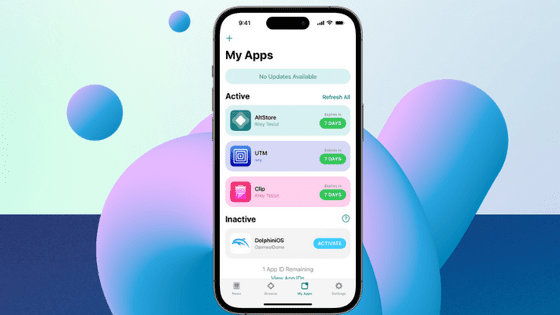
However, even though distribution outside the App Store is permitted, this does not mean that sideloading, where apps are installed directly from a website, will be allowed. Apps distributed outside the App Store must be offered through an alternative app marketplace, and that marketplace must also be certified by Apple and meet ongoing requirements.
In terms of payments, developers will be able to integrate alternative payment methods within their apps or place links that direct users to payment pages on their websites. However, according to Apple, Apple's in-app purchase options will still be presented even when using alternative payment methods.

On the other hand, for payments made outside of Apple's in-app purchases, Apple's ability to provide refunds, subscription management, purchase history, and problem reporting is limited. Apple states that alternative payment methods may lead to users sharing payment information with a wider audience, creating new privacy and security risks.
The fee structure will also be changed for Brazil. The App Store fee for iOS apps distributed on the App Store will be 10% for participants in the Small Business Program, Video Partner Program, Mini Apps Partner Program, and subscriptions from the second year onwards, and 21% of the transaction value of digital goods and services for all others.
If you use Apple's in-app purchases, a 5% payment processing fee will be charged in addition to the App Store fee. If you direct users from an app in the App Store to an external web payment, a 15% store service fee will be charged on the transaction of digital goods and services, which will be reduced to 10% for participants in eligible programs and for subscriptions in their second year or later.
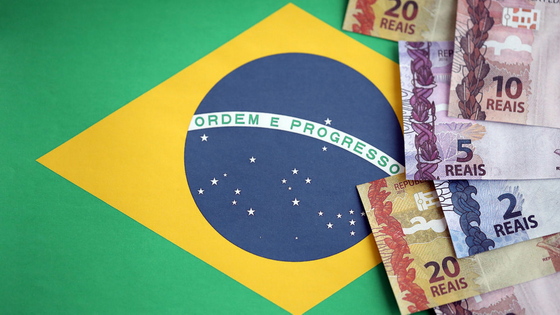
For iOS apps distributed through alternative app marketplaces other than the App Store, a 5% Core Technology Fee (CTC) is charged on sales of digital goods and services, including paid apps. Apple considers this fee to be compensation for the tools, technologies, and services that developers use to develop and deliver iOS apps to users.
An announcement for Apple Developers explains that iOS 26.5 and later will enable the operation of alternative app marketplaces, app distribution through those marketplaces, and payment processing for digital goods and services outside of Apple's in-app purchases. Existing Apple Developer Program members must agree to the updated Apple Developer Program License Agreement, including the new terms for Brazil, by July 6, 2026.
Apple warns that these changes could increase malware, fraud, scams, and privacy and security risks, and is also introducing child safety measures. Apps in the 'Kids' category of the App Store will no longer be able to include external payment links, and users under 18 will need a parental gate to use alternative payment methods, requiring parental involvement.
Furthermore, apps distributed on the App Store cannot provide links to web-based payment pages for users under 18. Apple has also revealed that it is working on providing a new API that will allow parents to monitor and approve purchases made outside of Apple's in-app purchases for developers using alternative payment methods.
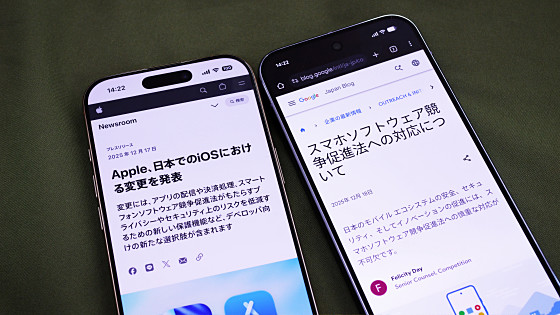
The changes in Brazil are part of a larger trend by Apple to align its iOS and App Store operations regionally with each country's competition policies, following compliance with the EU's Digital Markets Act (DMA) and regulations in Japan. Apple states that it will continue to position the App Store as the central hub for secure app distribution, and that, based on its agreement with CADE, it will provide Brazilian developers and users with new distribution and payment options.
Related Posts:


in Web Service, Smartphone, Posted by log1i_yk