A study suggests that in the ancient city of Mohenjo-daro, which existed about 4,000 years ago, social inequality decreased as the city developed.
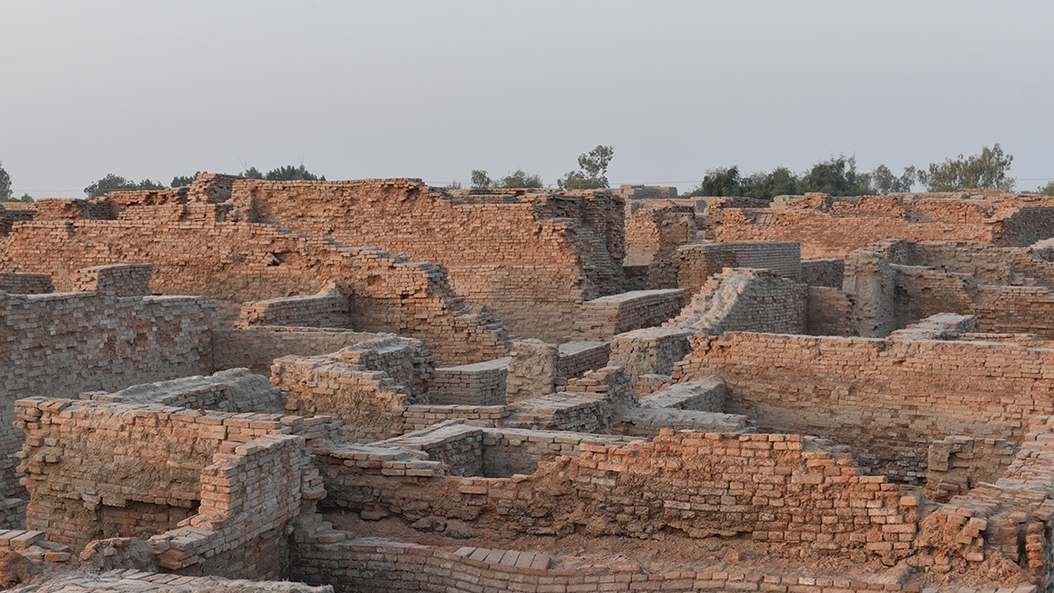
It has long been believed that as cities develop, wealth and power become concentrated in the hands of a few rulers and elites, leading to widening inequality. However, research teams from York University and Cambridge University have reported that in
Inequality declined in the Bronze Age city of Mohenjo-daro | Antiquity | Cambridge Core
https://www.cambridge.org/core/journals/antiquity/article/inequality-declined-in-the-bronze-age-city-of-mohenjodaro/BF07ED4E516F2127F1C3E645C9C8F462
Study reveals one of the world's first cities prospered as wealth-gap shrank | EurekAlert!
https://www.eurekalert.org/news-releases/1128977
Mohenjo-daro was a major city of the Indus Valley Civilization, located in the Larkana Plain of present-day Pakistan, which flourished from around 2600 BC to 1900 BC. It has long been pointed out that the cities of the Indus Valley Civilization lack direct evidence of an elite class, such as palaces, lavish tombs, exclusive temples, and colossal works of art celebrating rulers.
A research team led by Adam S. Green of York University, and Ikteder Alam and Cameron Petrie of Cambridge University analyzed the disparities in Mohenjo-daro, using housing size as a clue, to investigate the extent of economic inequality in these cities.
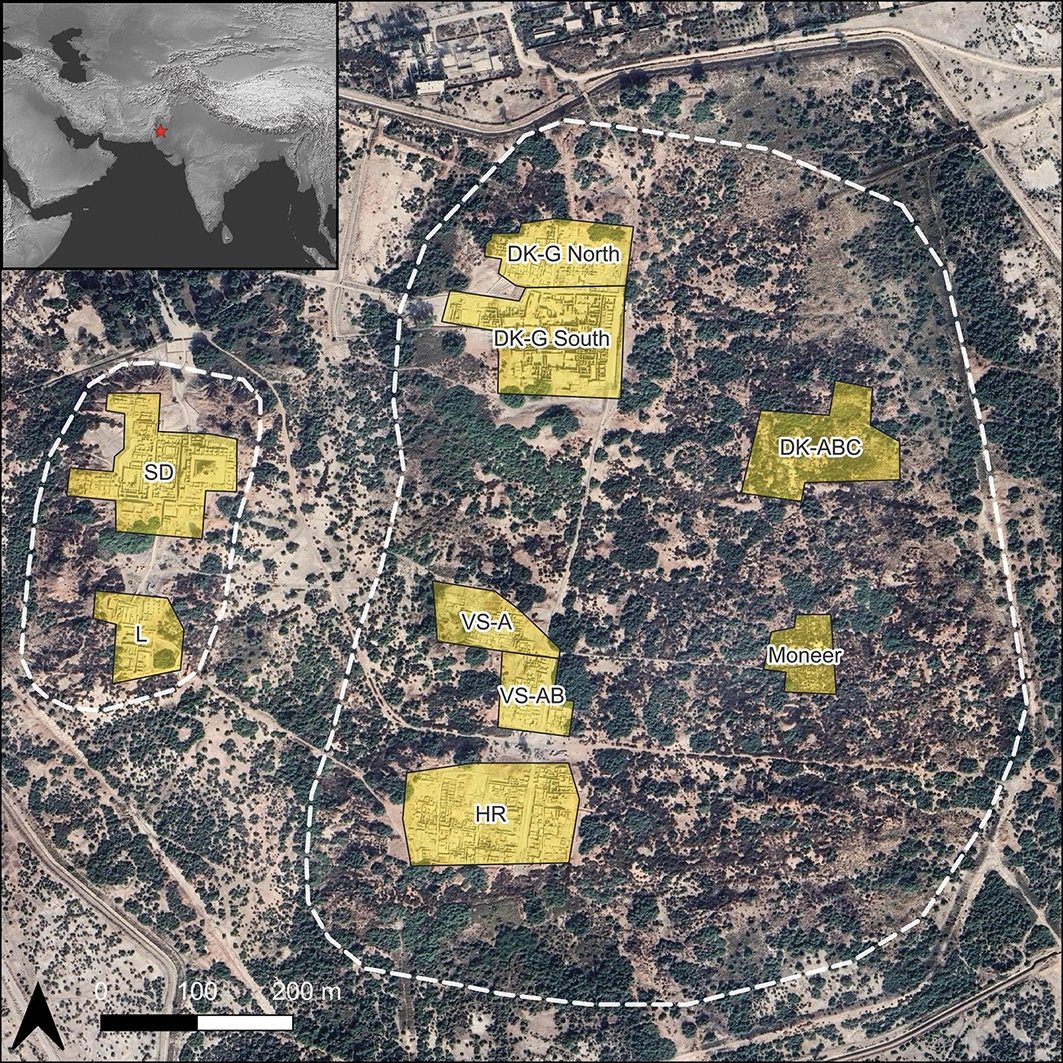
The analysis did not treat Mohenjo-daro as a single entity, but rather organized the residential areas by section as recorded in the excavation records. The following diagram shows the excavation area of Mohenjo-daro, with the yellow areas representing the main excavation areas analyzed. This includes sections such as DK-G South, DK-G North, HR, VS, and Moneer.
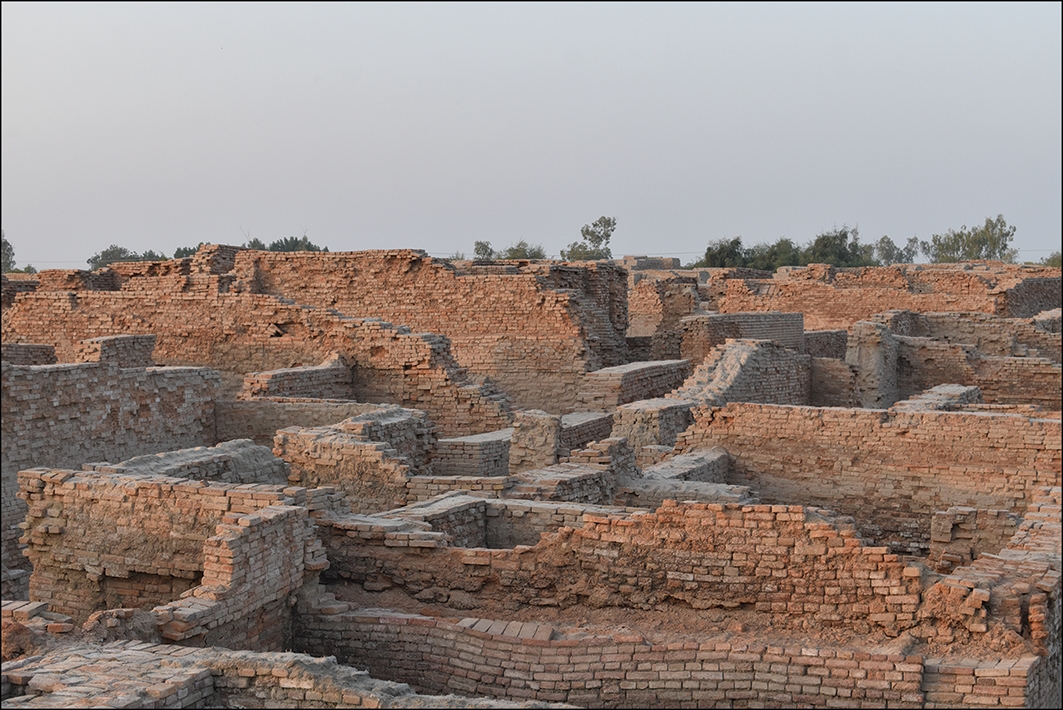
The ruins of Mohenjo-daro contain buildings and streets built at different times, overlapping each other. According to the research team, it is difficult to accurately determine the period and purpose of the buildings based solely on excavation records from the first half of the 20th century.
The research team then organized excavation maps from the first half of the 20th century on a Geographic Information System (GIS) and digitized the areas considered to be residential. The following diagram shows the areas in the HR area that were considered to be residential, highlighted in yellow.
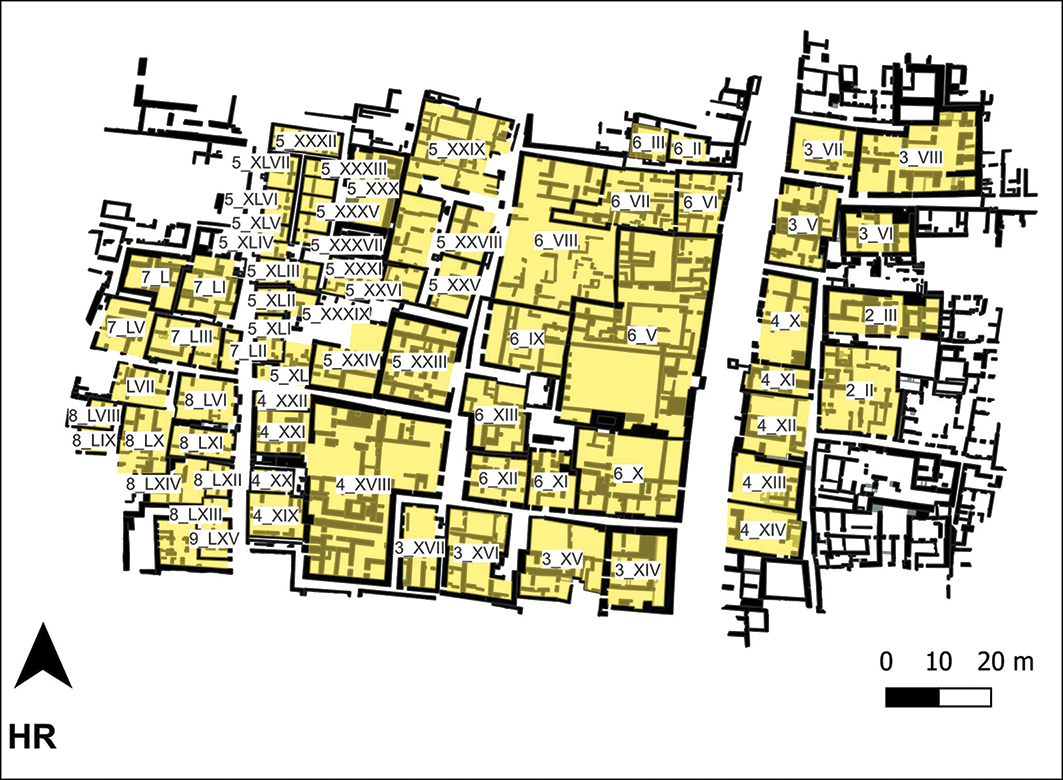
Then, using data from 309 housing area records, we calculated the degree of inequality in housing size using the Gini coefficient . The Gini coefficient is an indicator used to measure income and wealth inequality; a value closer to 0 indicates equality, while a value closer to 1 indicates inequality.
The analysis revealed that Mohenjo-daro's Gini coefficient, based on its total residential area, was 0.44. This is lower than Knossos 's 0.86 and Palenque 's 0.75. The research team also reported that other West Asian cities from the same period, such as Ur and Ugarit , both had Gini coefficients exceeding 0.6, indicating that Mohenjo-daro's value was lower than these cities.
However, since the Gini coefficient for dwelling area rarely exceeds 0.2 in egalitarian Neolithic settlements, the research team did not conclude that Mohenjo-daro was a completely egalitarian city based solely on the value of 0.44. What the research team considers more important is that the disparity in dwelling area in the DK-G South section decreased over time. The following diagram shows the building layout of DK-G South by period, with the oldest building layout at the bottom and the newest building layout at the top.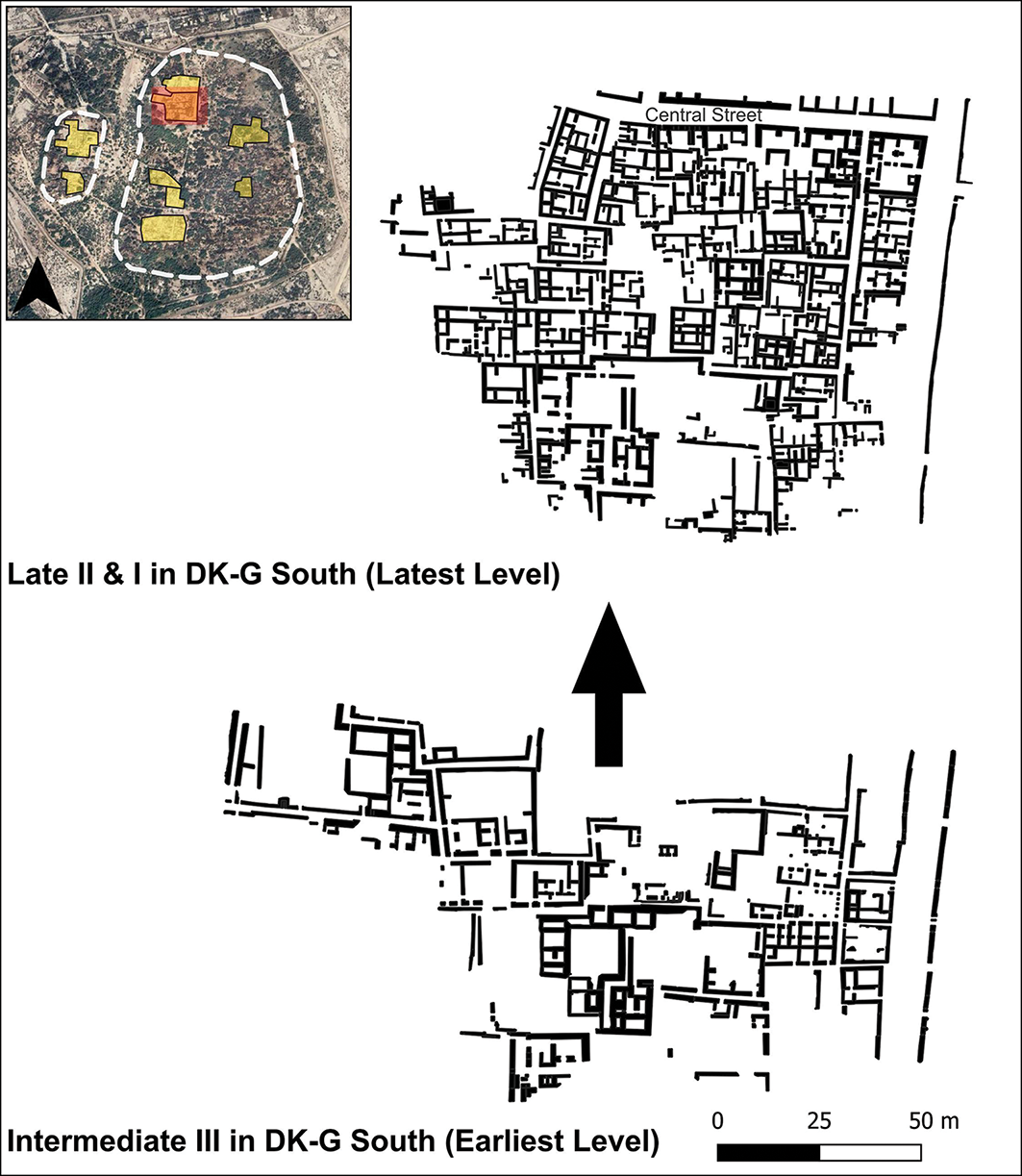
In DK-G South, the median dwelling area around 2500 BC was 161.39 square meters, and the Gini coefficient was 0.39. It then gradually decreased, falling to 0.23 around 2100 BC. This is close to the level of other settlements considered to be egalitarian societies. The graph below shows the decline in the Gini coefficient of DK-G South from around 2500 BC to around 2100 BC.
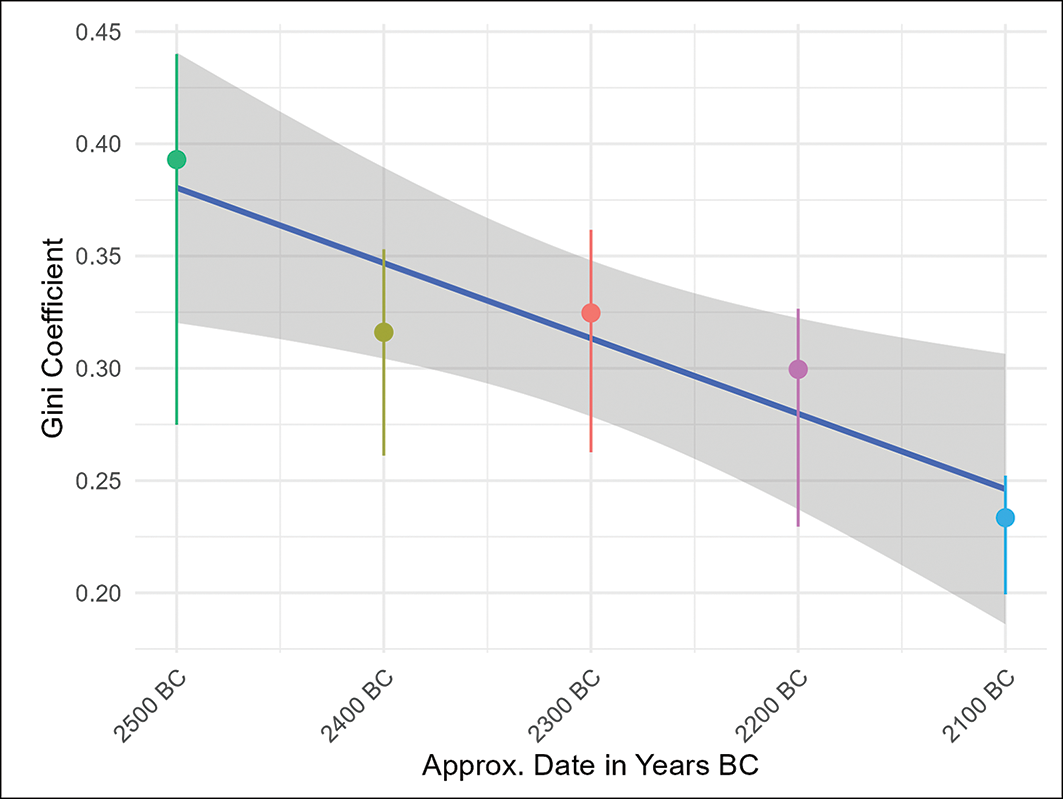
The period when disparities in housing area narrowed coincided with improvements in street infrastructure. The research team argues that more buildings were constructed along the streets, and that 'governance that allocated manpower and materials to improving streets and drainage systems likely contributed to reducing disparities in housing area.' However, the specific decision-making processes at the time remain unknown.
Supporting this view are examples of standardized weights and measures and Indus seals. The Indus Valley Civilization used common units of weight and seals to facilitate trade. While similar seals are often associated with temples and palaces in Mesopotamia, they have been found mainly in dwellings at Mohenjo-daro. From this, the research team suggests that in Mohenjo-daro, the authority to manage trade was not monopolized by a single group, and this may have acted as a mechanism to curb inequality.
Green explains that 'Mohenjo-daro focused on brick drainage systems and well-maintained streets rather than palaces or gold-filled tombs for the king,' and argues that the apparent high productivity during a period of least inequality casts doubt on the idea that 'prosperity requires a concentration of power in the hands of a few.'
However, the research team states that the relationship between productivity and egalitarianism is not statistically robust and requires further verification. Furthermore, housing area alone does not reveal inequalities related to the investment destinations of the wealthy, gender, kinship, or ethnicity. The research team concludes that further verification should combine indicators other than housing area, and that the Mohenjo-daro case demonstrates that the development of streets and drainage systems, as well as the management of transactions, can influence the long-term trajectory of inequality.
Related Posts:





in Note, Posted by log1b_ok