A study suggests that visiting museums may slow down biological aging.
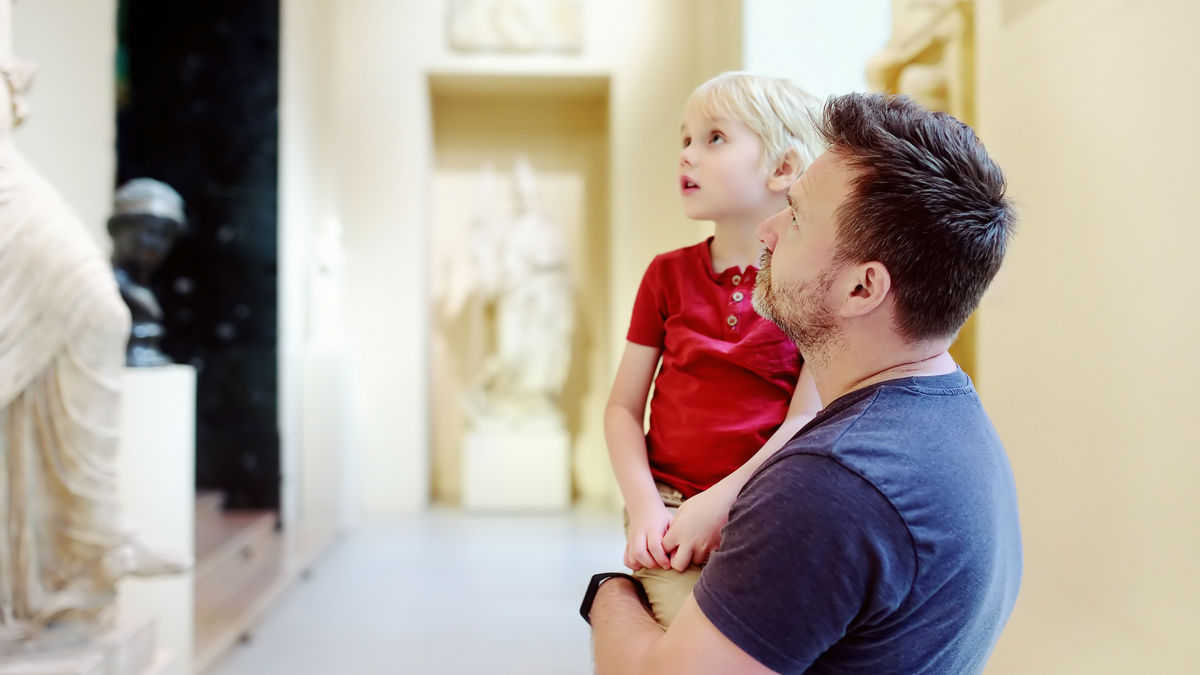
A study has reported that regular cultural activities, such as visiting museums and art galleries, may slow down the biological aging process to roughly the same extent as exercise of the same frequency.
Does leisure activity matter for epigenetic aging? Analyzes of arts engagement and physical activity in the UK Household Longitudinal Study | Innovation in Aging | Oxford Academic
Engaging with arts linked to slower pace of aging | UCL News - UCL – University College London
https://www.ucl.ac.uk/news/2026/may/engaging-arts-linked-slower-pace-ageing
Visiting Museums May Slow Your Biological Aging, Study Finds : ScienceAlert
https://www.sciencealert.com/visiting-museums-may-slow-your-biological-aging-study-finds
In a 2019 report, the World Health Organization noted that 'art enhances mental health and well-being, reduces the effects of trauma, and lowers the risk of cognitive decline, frailty, and premature death.' In connection with this, initiatives to 'prescribe art' are spreading, such as a program in Canada where doctors offer free admission to museums to patients, and the Swiss city of Neuchâtel planning to launch an 'art therapy' program in 2025 that will allow free museum entry with a doctor's certificate.
Swiss city tests 'art therapy' by opening museums to the public for free as part of mental health care - GIGAZINE
Therefore, a research team at University College London (UCL) conducted a study using biological aging as a benchmark to investigate whether participation in arts and cultural activities has a positive impact on health.
The study analyzed data from 3,556 adults recorded in a UK longitudinal household study from 2010 to 2012. The data included an 'epigenetic clock' that provides an estimate of 'biological aging,' as well as information on how often participants engaged in artistic and cultural activities. Artistic and cultural activities included a variety of things, such as visiting libraries and museums, going to art exhibitions, crafts, painting, singing, and dancing.
The analysis revealed that people who engage in cultural activities at least once a week tend to show signs of biological aging more slowly. This finding was most pronounced in middle-aged individuals, and it was also found that a greater diversity of arts and cultural activities they engaged in was associated with a reduction in signs of aging.
The study used seven different biomarkers to measure individual aging. One of these, a blood epigenetic biomarker called 'DunedinPACE,' was found to be associated with slower aging progression by approximately 2% for those who engaged in artistic activities a few times a year, approximately 3% for those who did so about once a month, and approximately 4% for those who did so once a week or more, compared to those who engaged in artistic activities less than three times a year.
The research team reported that the association between the frequency of participation in cultural activities and a slower rate of aging was maintained even after statistically adjusting for factors that may influence aging, such as education level, income, physical activity level, smoking, drinking, presence of chronic diseases, and depressive symptoms.
'These results demonstrate the impact of art on health at a biological level. The study provides evidence that participation in arts and cultural activities should be recognized as a health-promoting behavior, just like exercise,' said Daisy Fancourt of UCL, the lead author of the paper. 'This study provides the first evidence that participation in arts and cultural activities is associated with slowing the rate of biological aging. Art activities, like exercise, have been shown to reduce stress, suppress inflammation, and improve the risk of cardiovascular disease.'
However, it is important to note that this study is an observational study and does not demonstrate a direct causal relationship between visiting museums and slowing down aging. Furthermore, it is possible that people who are already in good health and financial position are more likely to participate in cultural activities, so further research is needed to clarify the causal relationship. With that in mind, the researchers state that it is important to highlight the potential for artistic activities and visits to cultural facilities to contribute to maintaining health as a lifestyle that promotes longevity, a concept that has not received much attention until now.
Related Posts:





in Science, Posted by log1e_dh