Why supplements are not a shortcut to 'healthy aging'?

In modern times, there is an abundance of supplements that provide various vitamins, minerals, and other nutrients, and more and more people are using supplements to make up for any nutritional deficiencies. Supplements may seem like an ideal health habit, especially for the elderly who tend to be deficient in nutrients, but
Why supplements aren't a shortcut to healthy aging
https://theconversation.com/why-supplements-arent-a-shortcut-to-healthy-ageing-277291
Many people may think that taking supplements is a beneficial health habit, but for those who are already getting enough nutrients, many supplements will not have a noticeable effect. Unnecessary supplements not only lead to extra expenses, but excessive intake of certain vitamins and minerals can also be toxic, interfere with the effects of medications, or cause unintended health problems.
The problem is even more complex in the case of the elderly. It is necessary to identify the cause of nutritional deficiencies in the elderly and determine whether supplements are effective in resolving them. In general, the elderly are prone to nutritional deficiencies due to age-related decline in appetite, deterioration of oral health such as tooth loss and periodontal disease, an increase in chronic diseases, and the use of medications that affect nutrient absorption.
Furthermore, older adults are often misled by various pieces of information about diet, such as 'eat less,' 'keep your weight down,' 'avoid heavy meals,' and 'eat more soft foods.' However, much of this information tends to lead to a reduction in food intake, increasing the risk of failing to meet the nutritional needs of protein, vitamins, and minerals.
Upon hearing this, you might think, 'Perhaps supplements are useful in addressing nutritional deficiencies in the elderly?' However, if the nutrient deficiency is simply due to a decrease in food intake, it may be possible to obtain sufficient nutrients simply by increasing food intake. Borda et al. argue that taking supplements should be a targeted approach, such as 'when nutritional deficiencies are actually confirmed,' 'when there are clear risk factors,' 'when taking medication,' or 'when it is not possible to obtain nutrients from food for some reason.'
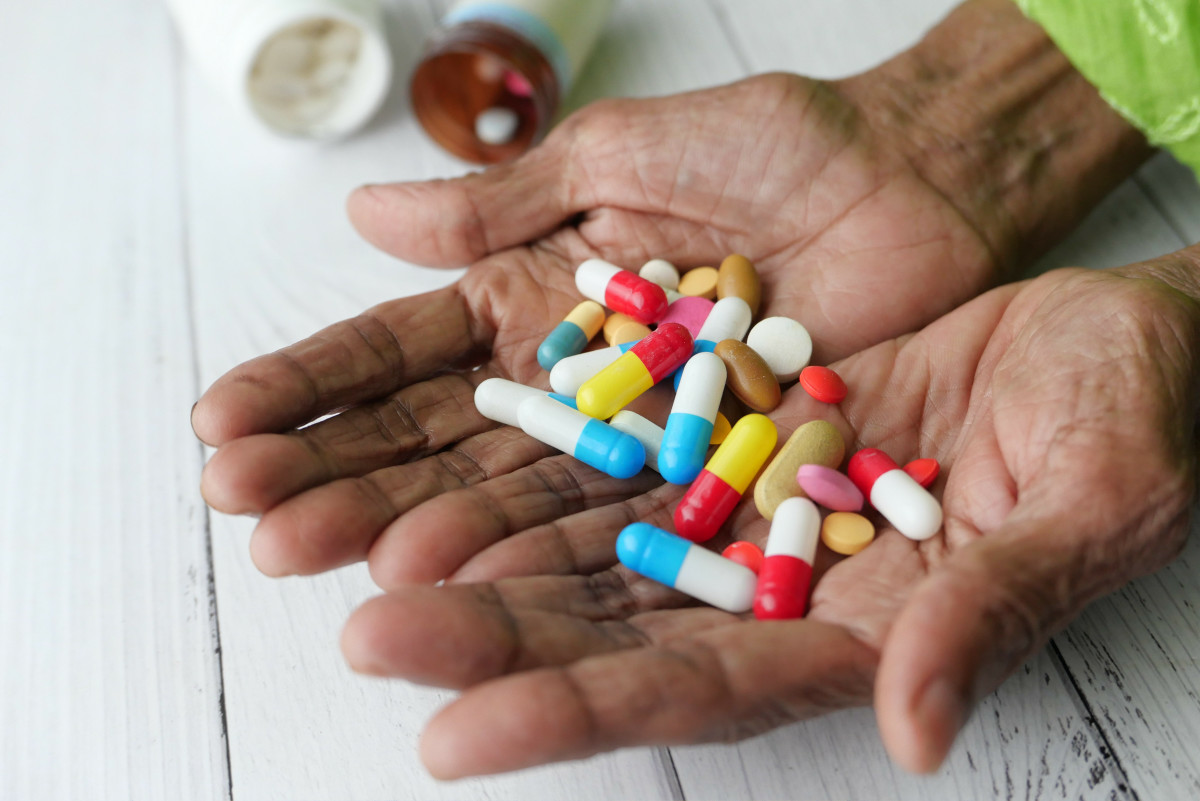
Borda and his colleagues have compiled information on nutrients that are often deficient in the elderly, including their causes and the effects of supplements.
Vitamin B12
It is known that elderly people are prone to
・ Folic acid
Folic acid , a type of vitamin B, is an important nutrient for red blood cells and DNA, and a deficiency in folic acid can lead to elevated homocysteine levels, which have been linked to cardiovascular disease and cognitive decline. Folic acid and other B vitamin supplements may be effective for people with high homocysteine levels or mild cognitive impairment, but vitamin B12 deficiency should be considered before prescribing folic acid alone. Borda et al. stated that if the underlying cause is vitamin B12 deficiency, prescribing folic acid alone may improve some blood test results, but nerve damage may progress.
Vitamin D
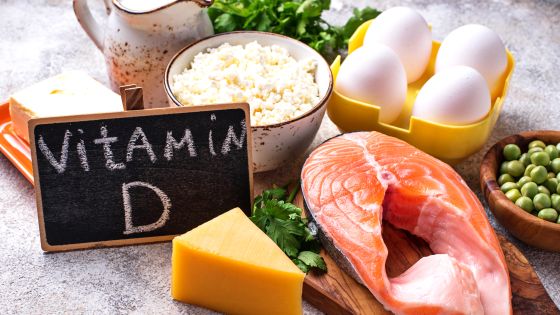
Vitamin D deficiency is more common in older adults who have less sun exposure, reduced physical activity, darker skin tone, or a low intake of vitamin D -containing foods. Vitamin D deficiency increases the risk of osteoporosis and muscle weakness, so taking vitamin D supplements is an effective treatment. However, large-scale studies have shown that taking supplements does not significantly reduce the risk of fractures or other problems in middle-aged adults who already have sufficient vitamin D levels.
Calcium and magnesium
Borda and his colleagues argue that calcium and magnesium are essential nutrients for bone, muscle, and nerve function, but should be obtained from food whenever possible. They warn that supplements can be helpful if dietary intake is insufficient, but excessive intake should be avoided.
• Multivitamins
Multivitamins are supplements that combine several vitamins and can be beneficial for elderly people who eat very little or have an unbalanced diet. However, a large-scale study conducted in the United States found no association between daily multivitamin intake and mortality, and it remains unclear whether multivitamins lead to specific improvements in health or an extension of lifespan.
·protein
One of the nutrients most often overlooked by the elderly is protein. Many older adults avoid protein-rich foods such as meat, fish, eggs, dairy products, and legumes, resulting in insufficient protein intake and a tendency towards sarcopenia , a age-related decline in muscle mass and strength. Expert groups recommend consuming 1 to 1.2 grams of protein per kilogram of body weight daily, unless otherwise instructed to restrict protein intake due to conditions such as kidney disease.
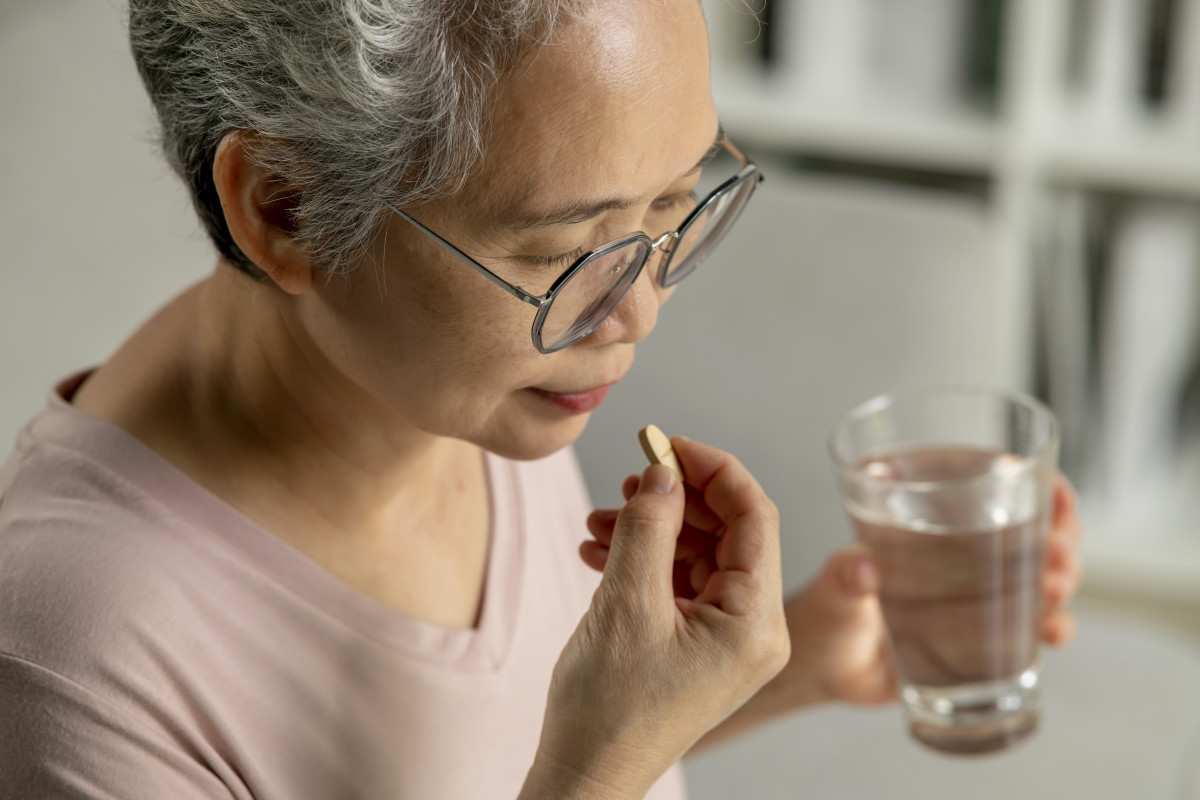
Some supplements can interact with medications, and excessive intake can have harmful consequences. It is known that excessive intake of vitamins D and A can be toxic. Furthermore, studies have reported that high doses of antioxidant supplements such as beta-carotene and vitamin E may increase the risk of death in some individuals.
Borda and his colleagues acknowledge that supplements can be effective in making up for nutritional deficiencies, but argue that the wise approach is to start by improving one's diet. 'Supplements can play a certain role in healthy aging, but they are by no means a shortcut. The foundation is a balanced diet, strength training, sufficient sleep, social connections, and access to good food,' they said.
Related Posts:


in Science, Posted by log1h_ik