The Federal Trade Commission is considering regulating Chinese-made mobile phone communication modules to enhance national security.
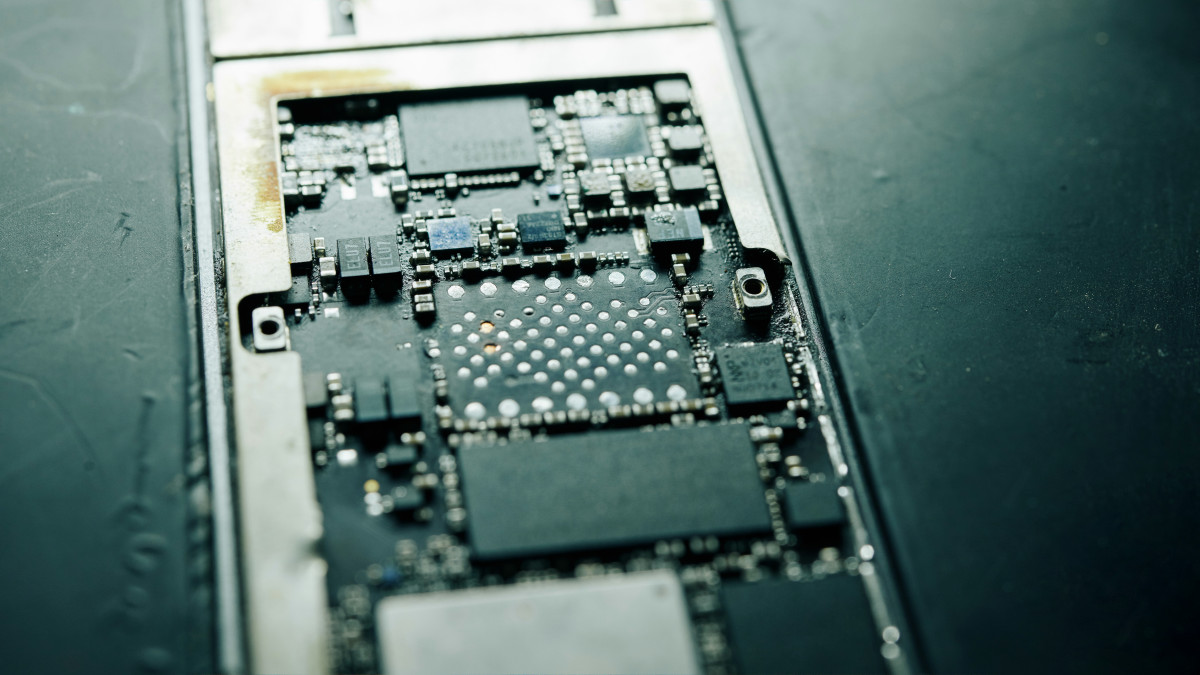
It has been reported that the U.S. Federal Communications Commission (FCC) is considering regulating Chinese-made cellular communication modules from a national security risk perspective.
US communications regulator targets Chinese tech for security risks
Trump administration reportedly debating ban on Chinese cellular modules in expansion of FCC crackdown — potential restrictions could impact everything from smart devices and routers to connected cars and industrial IoT systems | Tom's Hardware
https://www.tomshardware.com/tech-industry/trump-administration-reportedly-debating-ban-on-chinese-cellular-modules-in-expansion-of-fcc-crackdown-potential-restrictions-could-impact-everything-from-smart-devices-and-routers-to-connected-cars-and-industrial-iot-systems
US President Trump is scheduled to
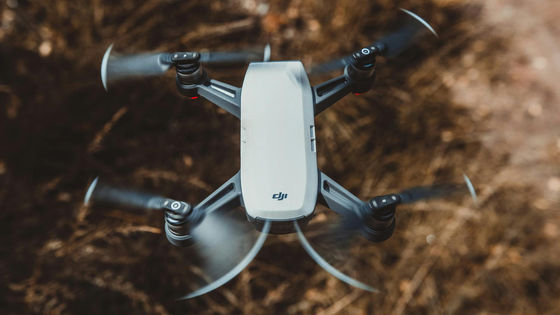
However, behind the scenes, the FCC, led by Chairman Brendan Carr, is taking a tough stance against China. For example, it will effectively ban the sale and import of foreign-made drones in December 2025.
The US government has blacklisted DJI's new model and all other foreign-made drones - GIGAZINE
In March 2026, the U.S. will ban the import and sale of consumer routers manufactured outside of the United States.
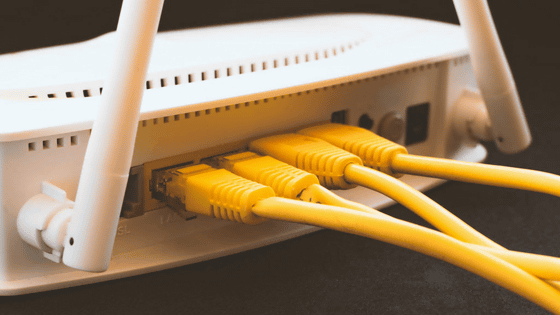
The next area the FCC is reportedly targeting is Chinese-made 'cellular modules (communication modules for mobile phones).'
Cellular modules are small embedded components that allow devices to connect to 4G and 5G mobile networks without relying on Wi-Fi. They are used in a wide range of products, from routers and drones to smartphones, smart home devices, medical systems, industrial sensors, and connected cars.
Chinese companies such as Quectel , Fibocom , China Mobile , Sunsea , and MeiG account for 70% of the market.
Chairman Carr has stated that he plans to establish a National Security Council within the FCC in 2025 to address threats from 'hostile foreign countries,' particularly China, and that he believes that the latest communications equipment will become increasingly important as a target for technological and geopolitical attacks.
Because Chinese-made cellular modules are widely used in global supply chains, a ban would have a significant impact on many sectors, including the electronics industry, and manufacturers might even be forced to restructure their procurement processes. However, it remains unclear whether the government will actually move towards a ban.
Related Posts: