Tinder implements eye scan feature as 'proof of human identity' to counter AI, utilizing Sam Altman and others' iris scan 'Orb'.
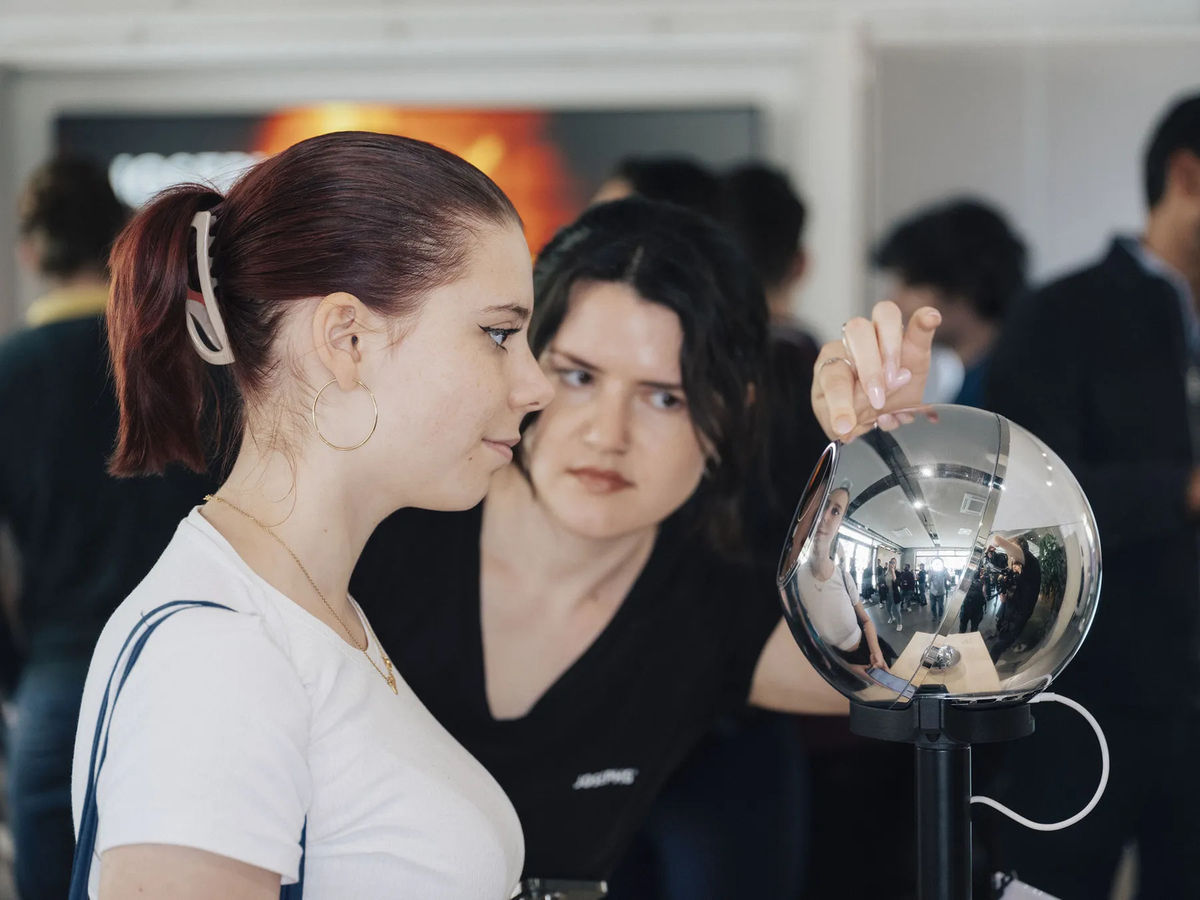
Tools for Humanity, a startup co-founded and chaired by OpenAI's Sam Altman, has announced a partnership with Match Group, the company behind Tinder, to expand its iris scanning-based identity verification feature. This feature had already been undergoing preliminary testing in Japan.
New World ID and partners bringing 'proof of being human' to the internet
Proof of Human for Everyday Life: Dating, Gaming, Tickets | World
https://world.org/ja-jp/blog/announcements/online-dating-gaming-event-tickets-proof-of-human-everyday-life
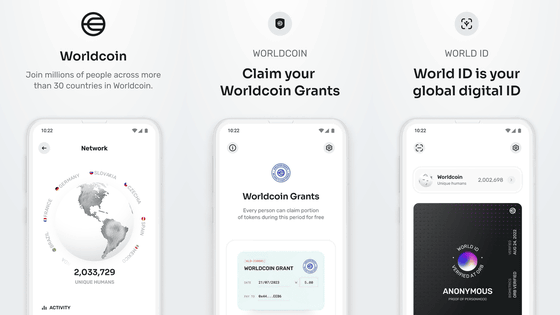
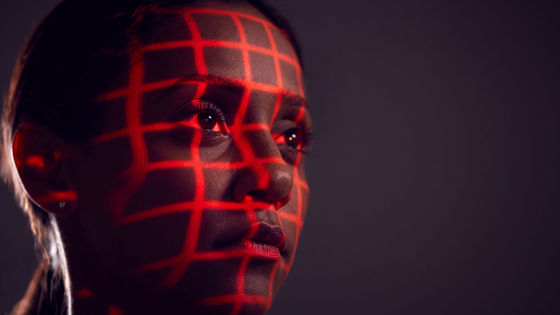
Tools for Humanity provides 'World' (formerly known as Worldcoin), a protocol that acquires biometric information through iris scans and builds a network.
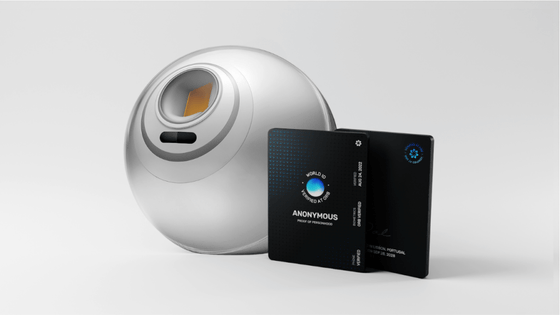
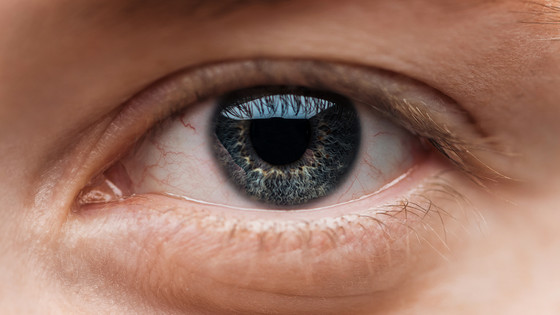
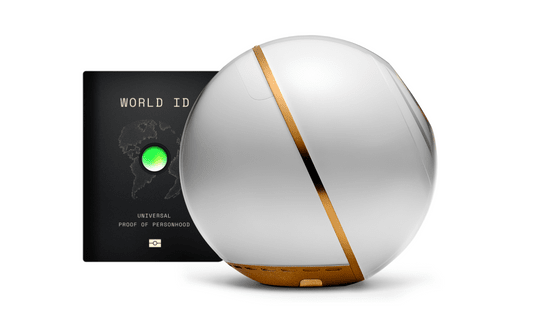
World uses an iris scanning device called 'Orb' to scan and register people's irises, generate a unique hash (World ID) for each individual, and builds a network that allows for payments, identity verification, and other functions using that hash.
World is concerned that 'one day it may become impossible to distinguish whether the person you are communicating with online is a human or an AI,' and is trying to prove that they are a real human through their authentication service.
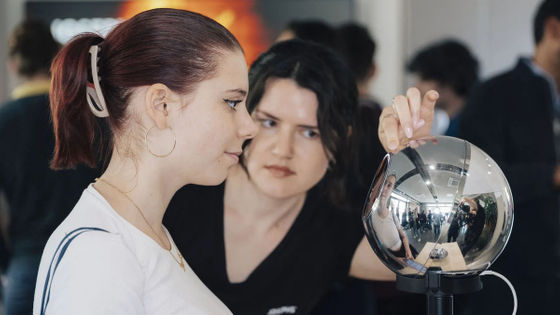
On April 30, 2025, we partnered with Match Group to begin testing World ID with Tinder users in Japan. Orbs were installed in multiple prefectures , and iris scans were used to verify whether potential partners were human.
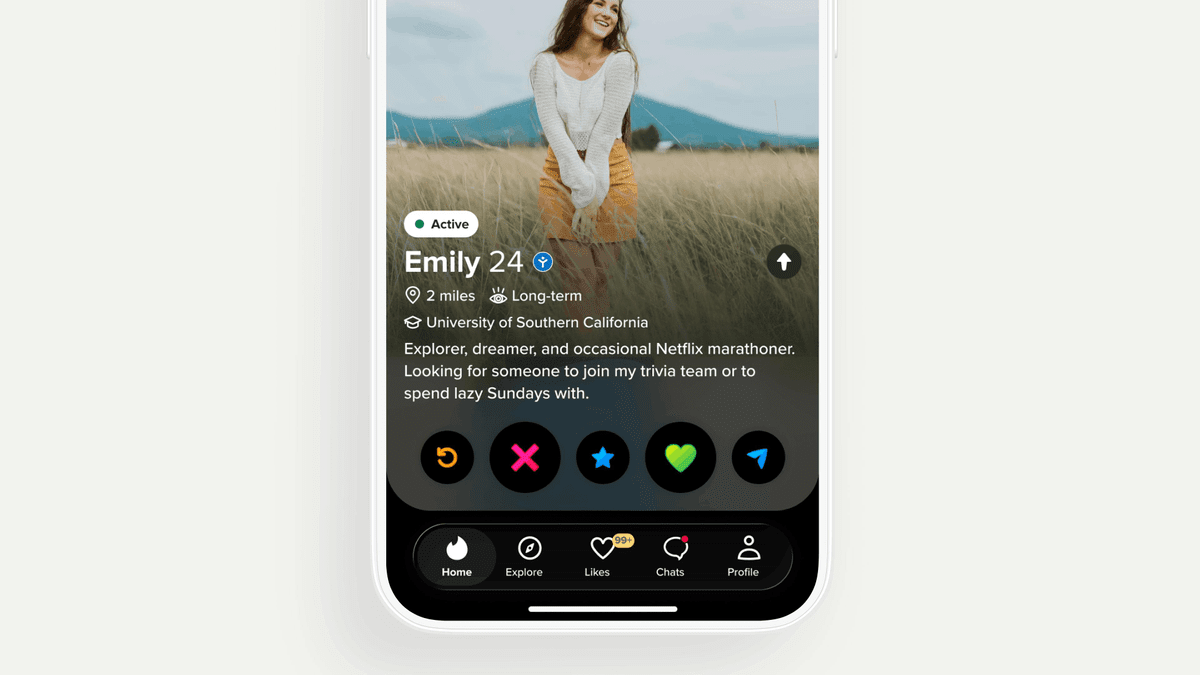
On April 17, 2026, it was announced that World ID would be expanded to the United States. Users who complete Orb verification will be given a special badge and five free boosts to make their profiles more visible to others.
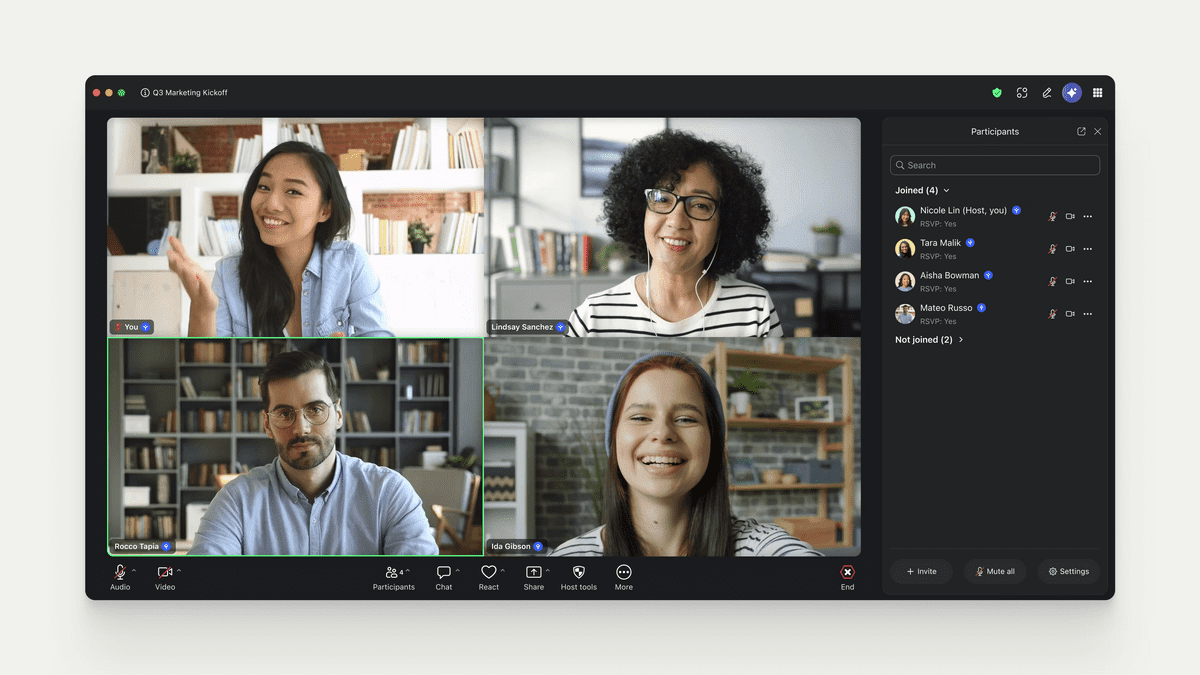
Tools for Humanity also announced integrations with services such as Zoom, DocuSign, Shopify, and Reddit, proposing biometric authentication as a solution to the growing problem of AI impersonation online.
For example, Zoom was the first to introduce 'Deep Face,' a feature that
They also announced ' Concert Kit ,' a kit designed to prevent bots from buying up concert tickets and reselling them, ensuring that only authenticated individuals can purchase tickets. This tool can be integrated into existing ticket sales services, and only those authenticated with World ID will have priority purchase rights.
Related Posts:

in Note, Posted by log1p_kr