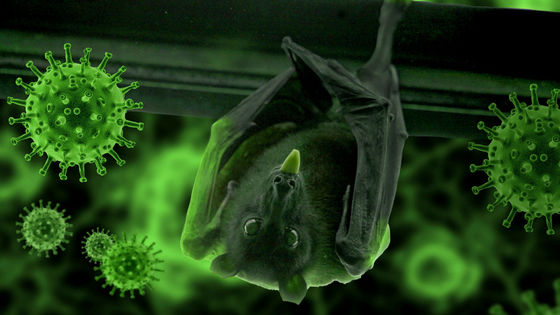
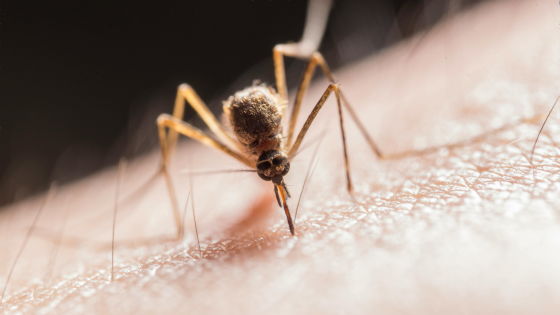
A new technology has been developed that uses mosquitoes as 'flying syringes' to inject bats with vaccines.
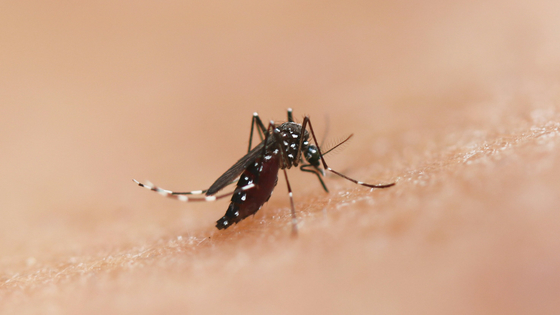
A research team in China has developed a novel, ecologically-based vaccination platform that uses mosquitoes as vaccine carriers or administers vaccines orally using saltwater traps to prevent the spillover of zoonotic diseases transmitted by bats. This method aims to reduce the risk of pathogens such as rabies virus, Nipah virus, and coronaviruses being transmitted to humans and livestock without eradicating bats, thus balancing bat conservation with maintaining public health.
Ecological vaccination: A strategy to prevent zoonotic spillover from bats | Science Advances
Turning mosquitoes into flying vaccine carriers to protect against bat-borne viruses
https://phys.org/news/2026-03-mosquitoes-flying-vaccine-carriers-borne.html
Bats are animals that play an important ecological role, making up about 22% of mammals, but they are also natural hosts for viruses that cause serious infectious diseases such as Ebola, SARS, and COVID-19. Delivering vaccines to wild bats using conventional intramuscular injections or oral feeding is extremely difficult due to their vast habitat and large colonies, and bat eradication efforts in Latin America have been reported to have worsened disease transmission.
The research team therefore focused on the behavior of bats preying on mosquitoes and mosquitoes sucking blood from bats, as well as the habit of many mammals to seek out salt.
First, we modified vesicular stomatitis virus (rVSV), which can infect both insects and mammals, to create a vaccine that expresses proteins from rabies and Nipah virus. Mosquitoes that have been infected with this vaccine are sterilized by irradiating them with 40 Gray of X-rays, preventing them from reproducing in the wild. This allows them to function as 'flying syringes' to deliver the vaccine to bats while minimizing the risk of release into the environment.
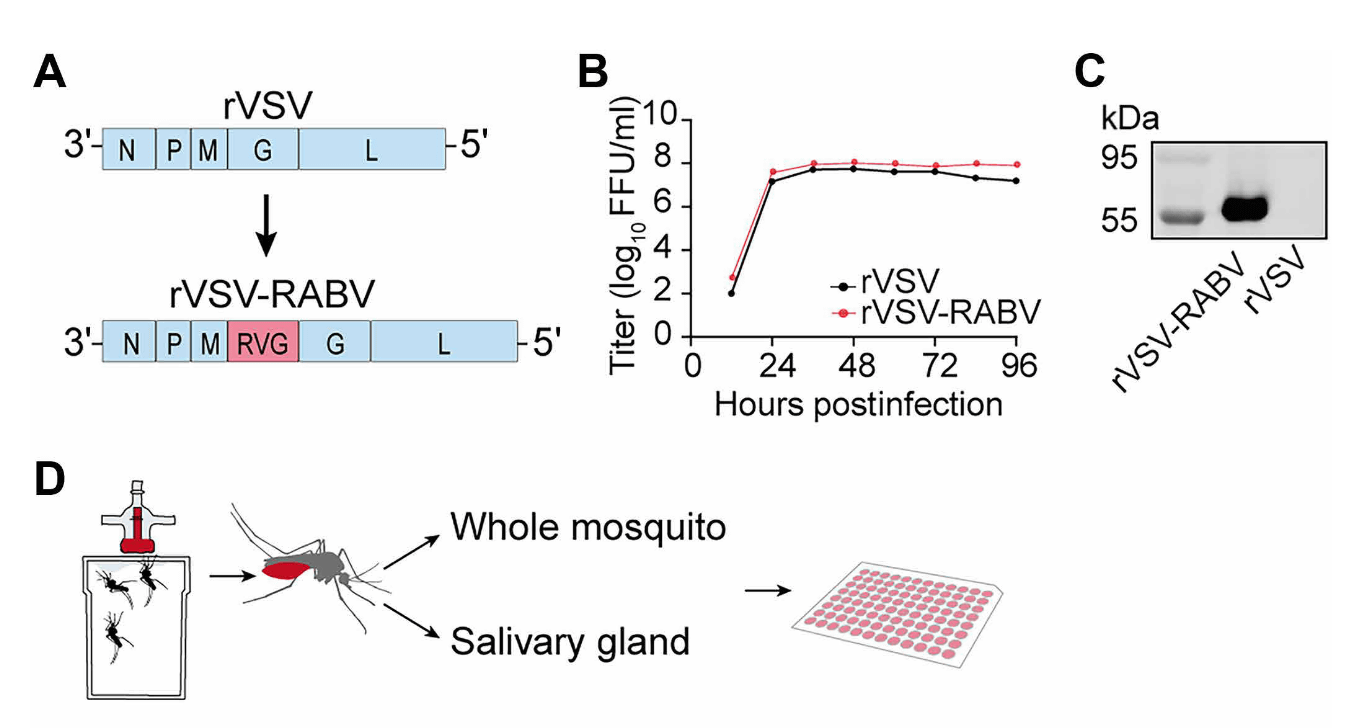
Experiments using mice confirmed that being bitten by a mosquito carrying the vaccine, or orally ingesting a mosquito
Research in caves in Guangdong Province has confirmed through genetic analysis that bats actually eat mosquitoes, and mosquitoes also feed on the blood of bats. Furthermore, experiments using traps equipped with saltwater mist generators in caves in Beijing detected the biomarker tetracycline in the feces of 85% of the bats, suggesting that this method may be effective in wild environments as well. In addition, the vaccine is not transmitted from mosquitoes to mating partners or offspring, and its high safety has been confirmed, with no disease development or viral shedding observed even when administered to livestock pigs at a high dose of 100 million FFU.
The research team has confirmed immune responses in golden Syrian hamsters and bats, and hopes to apply this strategy to other viruses such as Nipah virus and SARS-CoV, eventually using it as a scalable vaccination method for wild animals. However, at the time of writing, regulatory and safety challenges remain before practical application.
Related Posts: