Project Plowshare: The most insane, massive project aimed at nuclear weapons for peace.
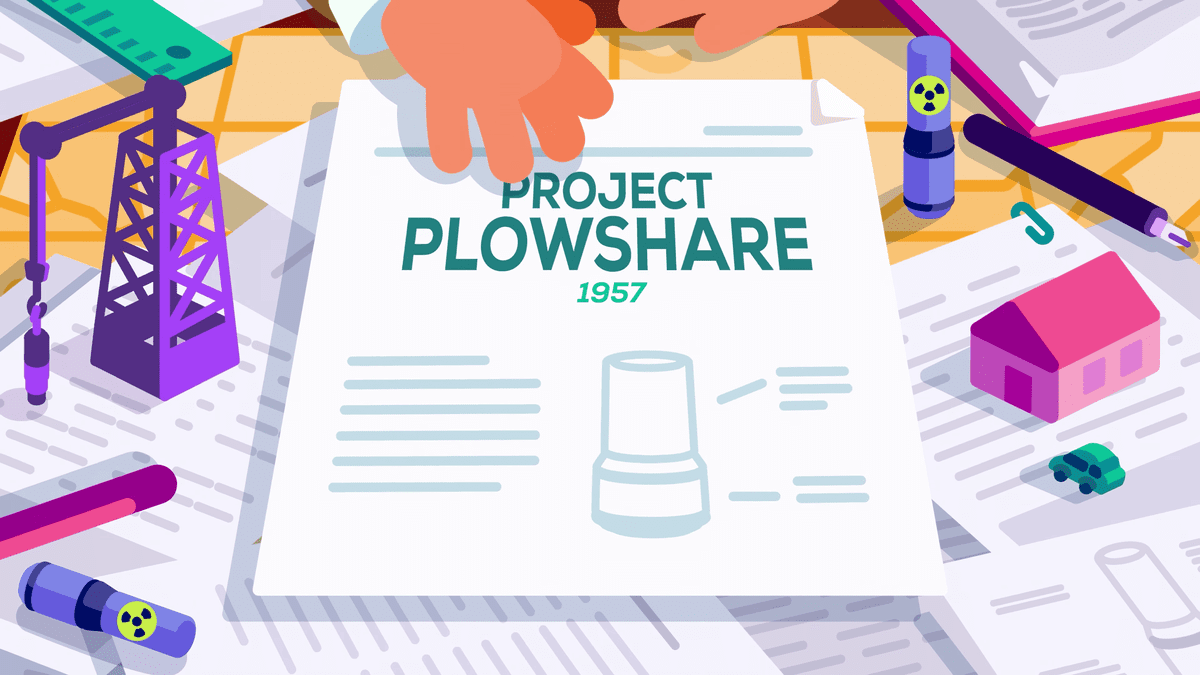
In the 1960s, the United States launched 'Project Plowshare,' aimed at peacefully utilizing nuclear weapons, in an attempt to alleviate public anxiety about the development of nuclear power. As part of this project, absurd plans were being pursued, including the construction of canals using a large number of nuclear bombs. The science-focused YouTube channel Kurzgesagt has created an animated video explaining what these plans were all about.
Kurzgesagt featured Edward Teller, a Hungarian theoretical physicist often called the 'father of the hydrogen bomb.' Teller was working on creating a nuclear bomb even more powerful than the atomic bombs dropped by the United States on Hiroshima and Nagasaki.

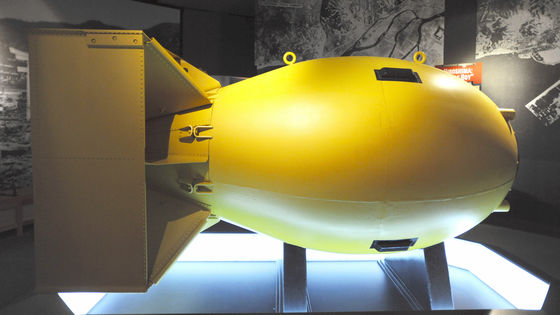
The atomic bombs used in Hiroshima and Nagasaki utilized nuclear fission reactions involving uranium and plutonium. However, because these raw materials were rare and expensive, Teller proposed an alternative method using hydrogen atoms. This hydrogen bomb is far more powerful than the atomic bomb.

The U.S. government devised a plan to use this hydrogen bomb for civil engineering projects. With growing public opposition to the arms race, the term 'nuclear engineering' was convenient as a way to continue nuclear weapons testing without openly admitting to it. So in 1957, the United States launched 'Project Plowshare,' a plan to use nuclear bombs for peaceful engineering purposes. Teller was in charge of this project.
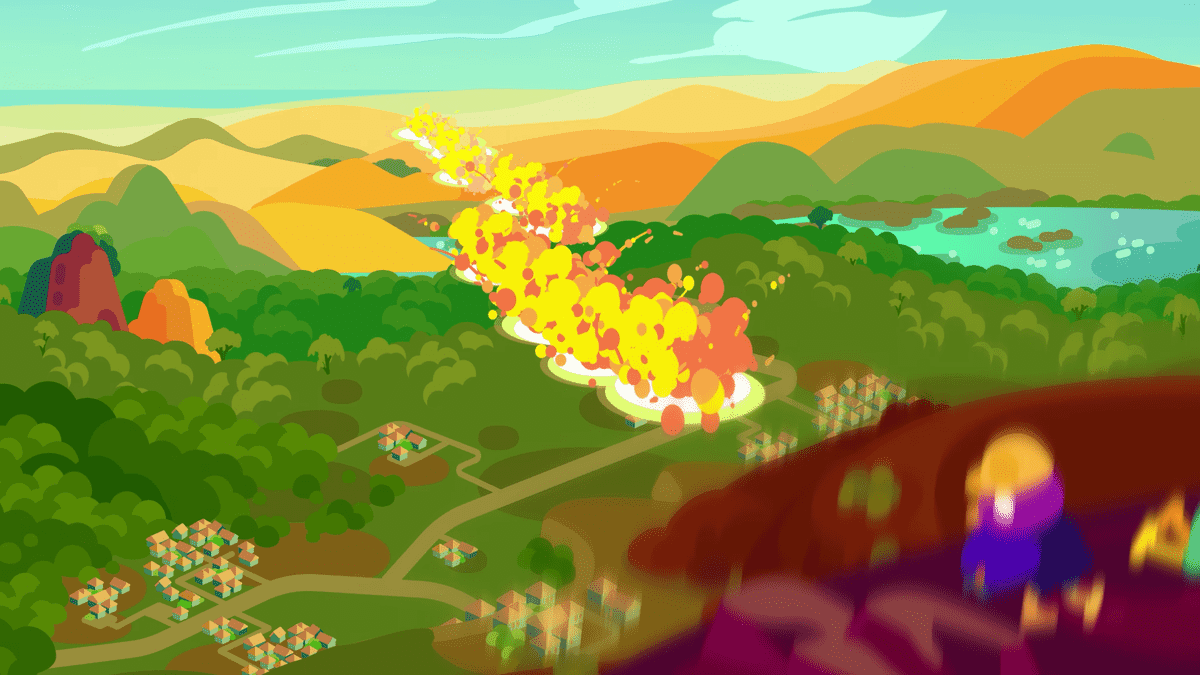
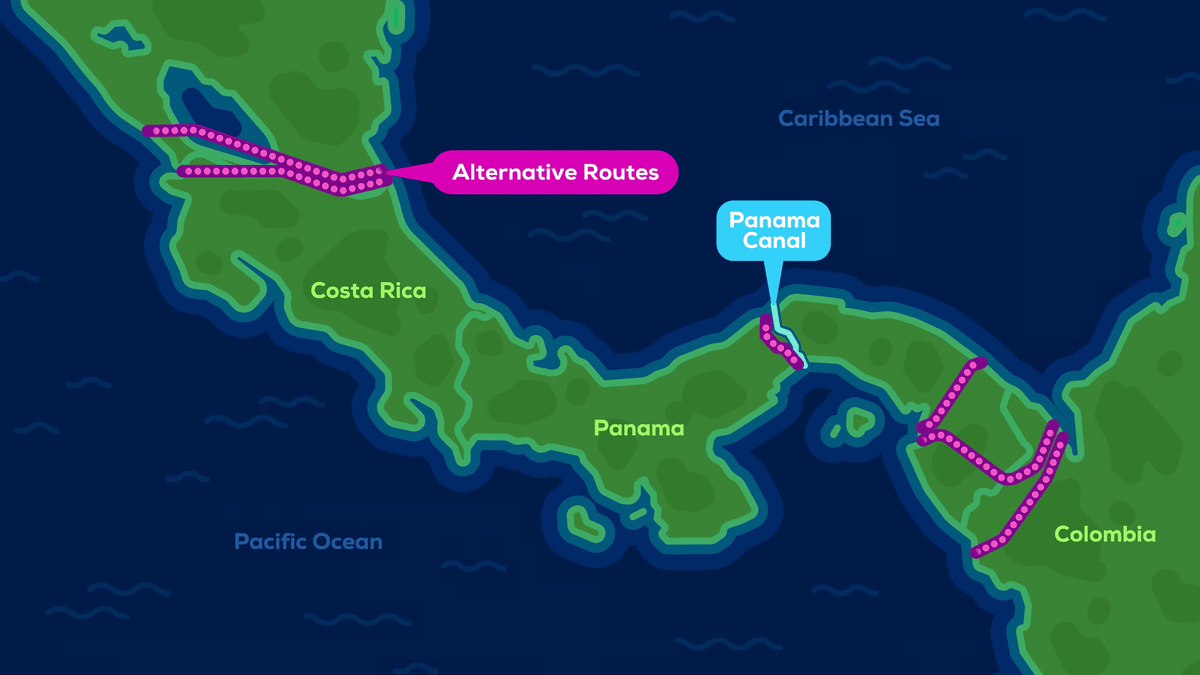
The plan included constructing a canal in Jordan and expanding the Panama Canal. It was estimated that expanding the Panama Canal would require removing 1.2 billion cubic meters of sediment, but Teller argued that this sediment could be easily removed using nuclear bombs.
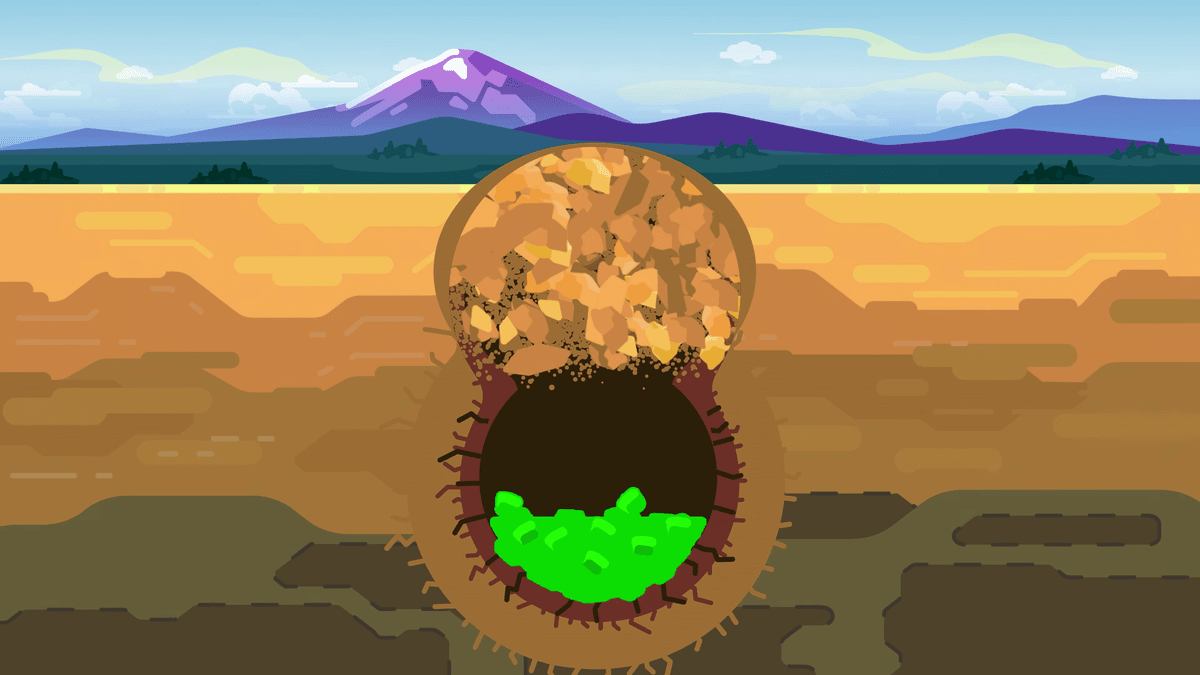
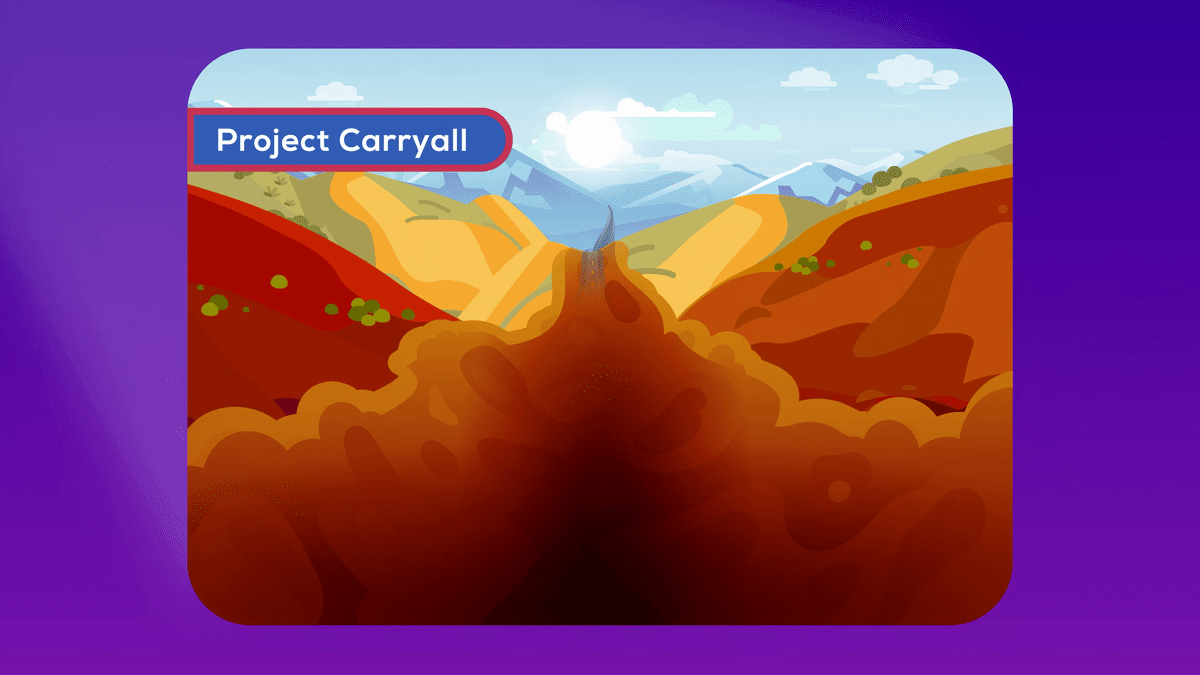
These bombs were supposed to detonate underground. When the explosion occurred underground, the blast wave would create cavities in the rocks, causing the ceiling to collapse. As a result, it was expected that the radioactive waste produced by the explosion would be buried in the soil.
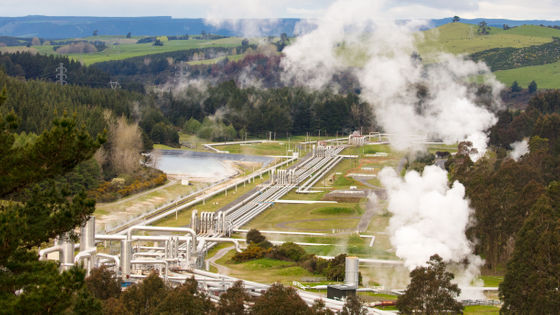
In 1961, the first experiment took place in the desert of New Mexico. Its purpose was to generate electricity, using the heat generated from salt deposits by explosions to power a turbine.
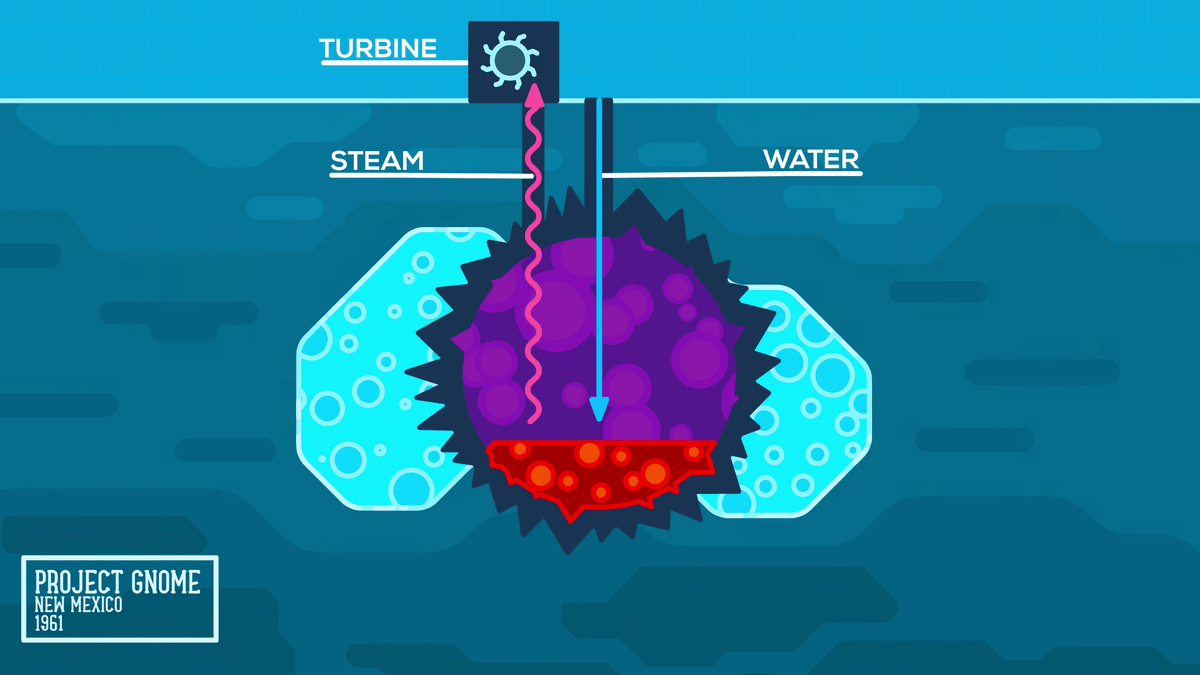
However, Teller's team overlooked a small detail: the salt contained far more moisture than they had anticipated.
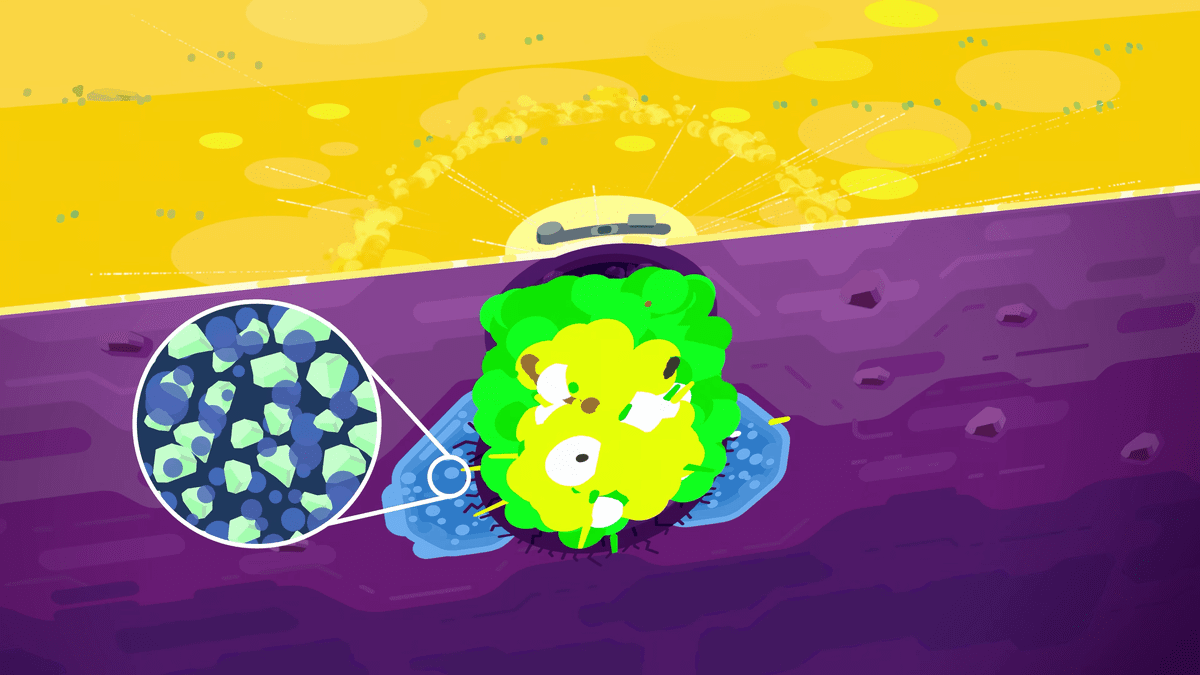
The crater used to drop the bomb was designed to collapse and close naturally after the explosion, but an unexpectedly tremendous pressure was generated, causing a column of radioactive steam to erupt from the crater and contaminate the surrounding area.

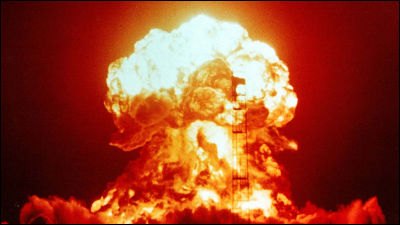
Still, Teller didn't give up. Next, he conducted an experiment in the Nevada desert, detonating a nuclear bomb equivalent to seven Hiroshima-type atomic bombs 200 meters underground. The purpose of this experiment was to test nuclear excavation itself and to see how big the crater would be. The explosion blew away 12 million tons of soil and created a massive crater 100 meters deep and 400 meters in diameter.
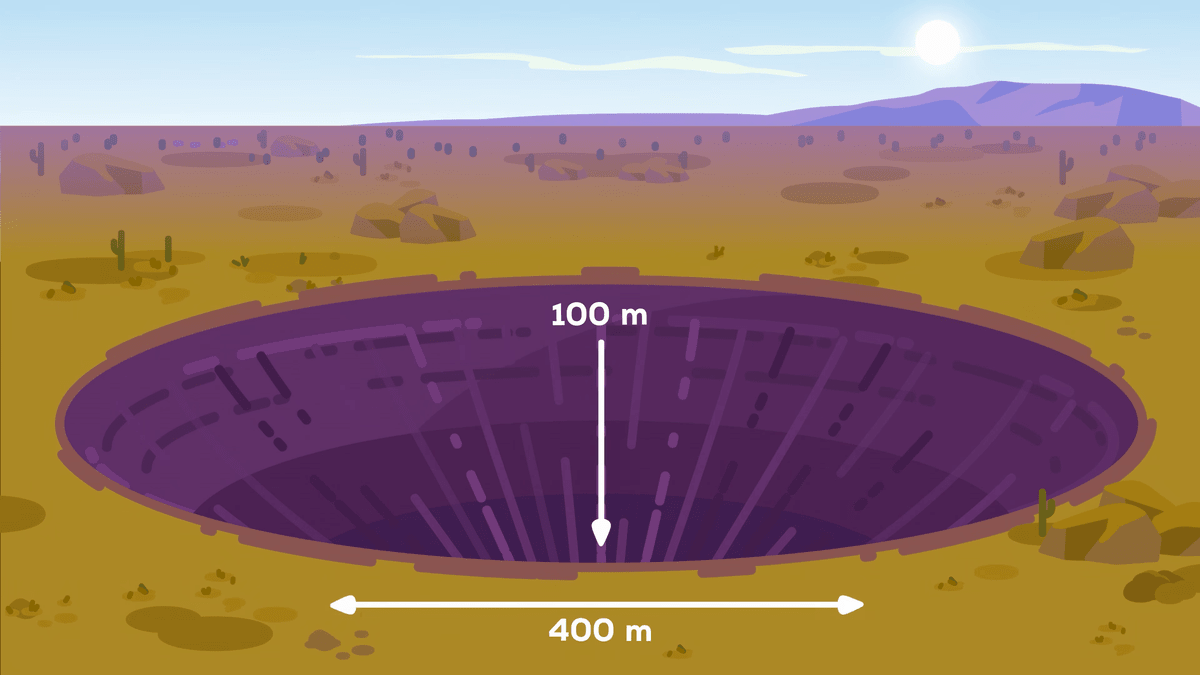
However, radioactive material leaked during this experiment, and radioactive fallout was detected even at a distance, causing panic.
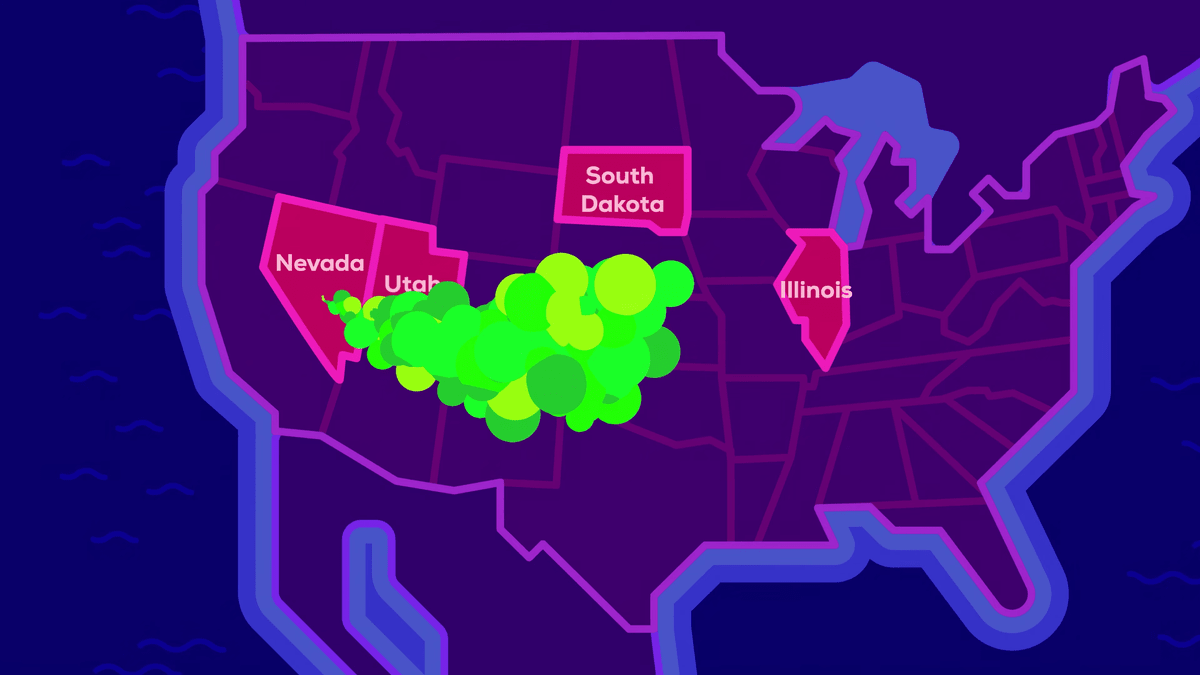
Teller's proposals continued, including plans to build highways in mountain ranges using nuclear bombs and to connect rivers in Mississippi with nuclear bombs, but none of them ever came to fruition.
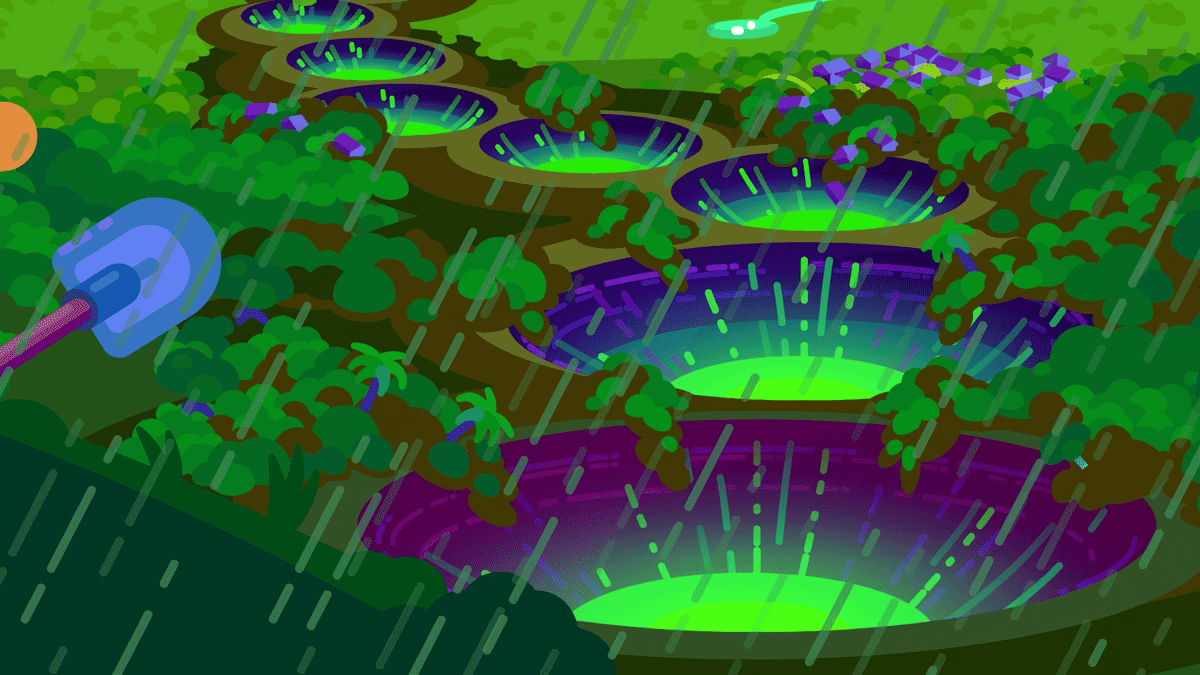
Kurzgesagt predicts that if nuclear bombs had been used in the aforementioned Panama Canal expansion project, the ocean would have been contaminated, radioactive materials would have remained in the jungle, and the opening would have been buried by landslides during the rainy season.
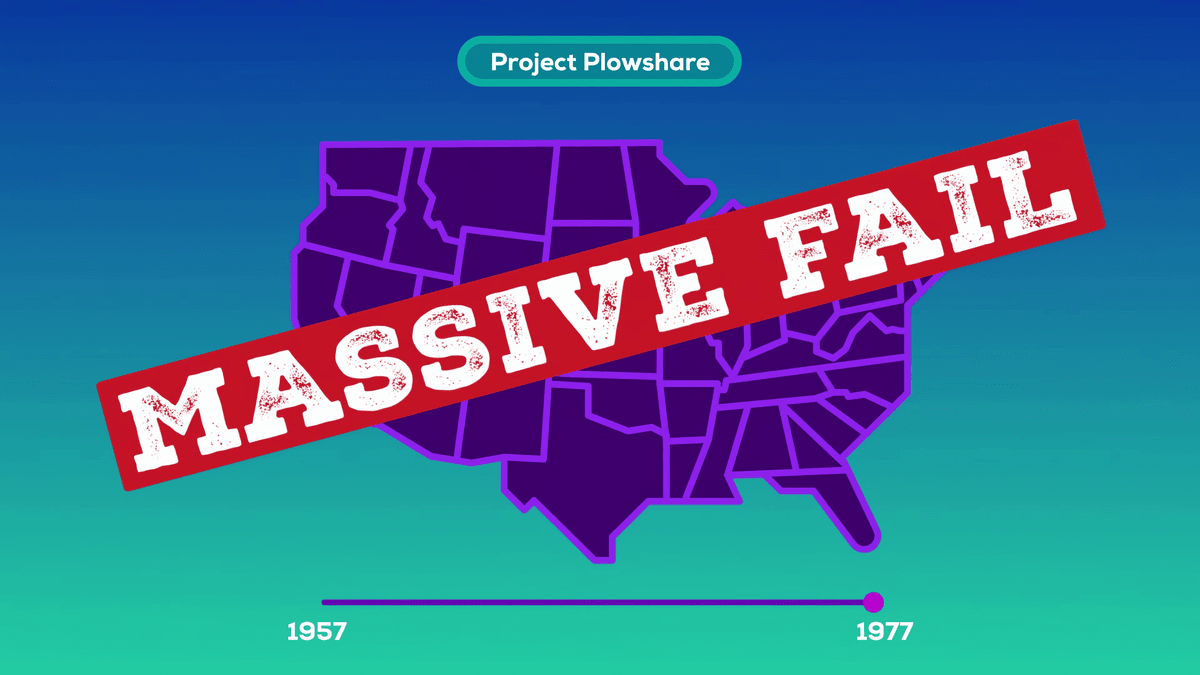
In 1977, after 20 years and dozens of nuclear bomb tests across the United States, Project Plowshare was cancelled, and all nuclear engineering projects came to an end. Ultimately, neither the canal nor the port was ever built.
Related Posts:

in Video, Posted by log1p_kr