Fluid dynamics are being used to determine how long it takes for a liquid to drip completely from a kitchen container to the last drop.
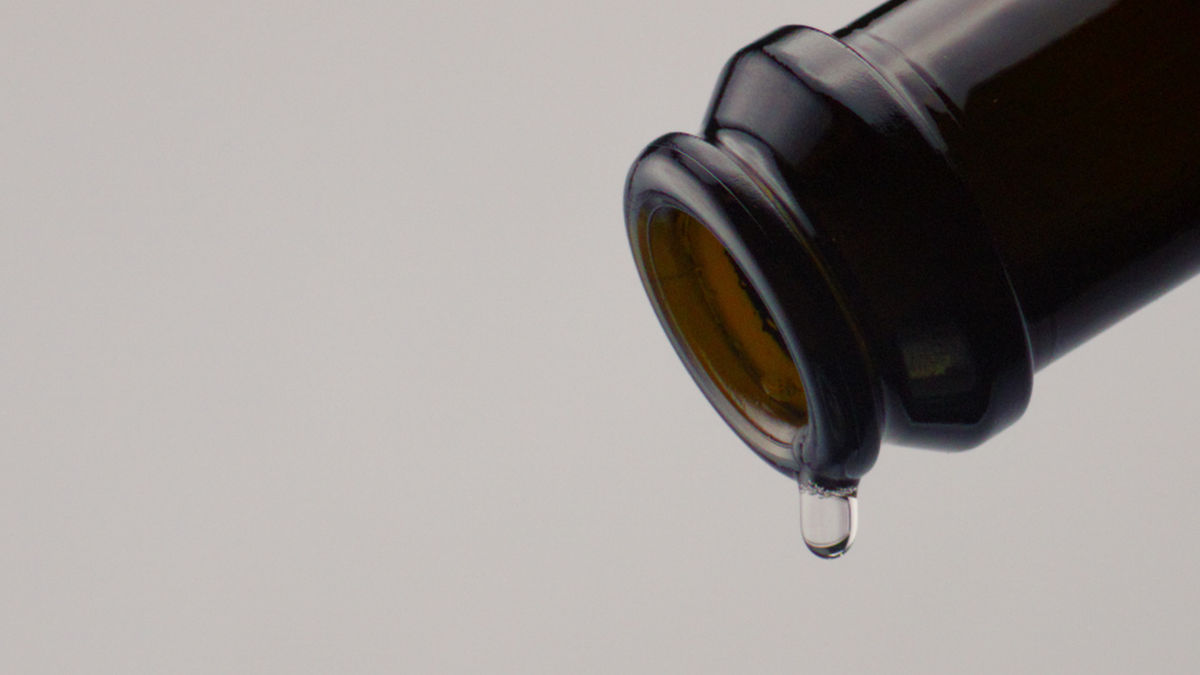
Many people have likely experienced the frustration of wanting to use every last drop of a condiment or oil, patiently waiting for the liquid to drip from an inverted container. Now, researchers have emerged who have unraveled the question of just how long this waiting time actually is, from a fluid dynamics perspective.
Thin film flow in the kitchen | Physics of Fluids | AIP Publishing
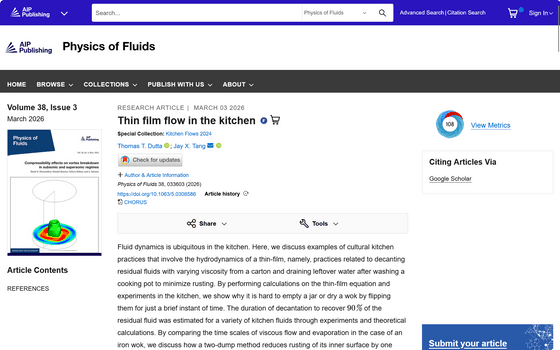
How long does it take to get last liquid drops from kitchen containers? These physicists know the answer | Brown University
The research was conducted by Thomas Dutta, a doctoral student at Brown University, and Jay Tan, a physics professor. The impetus came from Tan's routine biophysics experiments. Tan was studying the movement of bacteria, which required an understanding of fluid dynamics, and Dutta needed to acquire knowledge in this field.
Therefore, instead of focusing solely on experiments in the laboratory, the two decided to consider more familiar physical phenomena. Their attention was drawn to physical phenomena that commonly occur in the kitchen.
Datta had memories of his grandmother being obsessed with getting every last drop out of a container, and Tan had wondered what to do with the water left over after washing a wok, so they began research to explain these phenomena from a fluid dynamics perspective. Using the Navier-Stokes equations , which describe the motion of fluids, they predicted how long it would take for liquids of different viscosities to flow down an incline. In addition to theoretical calculations, they also conducted experiments by flowing liquids on a plate tilted at a 45-degree angle.
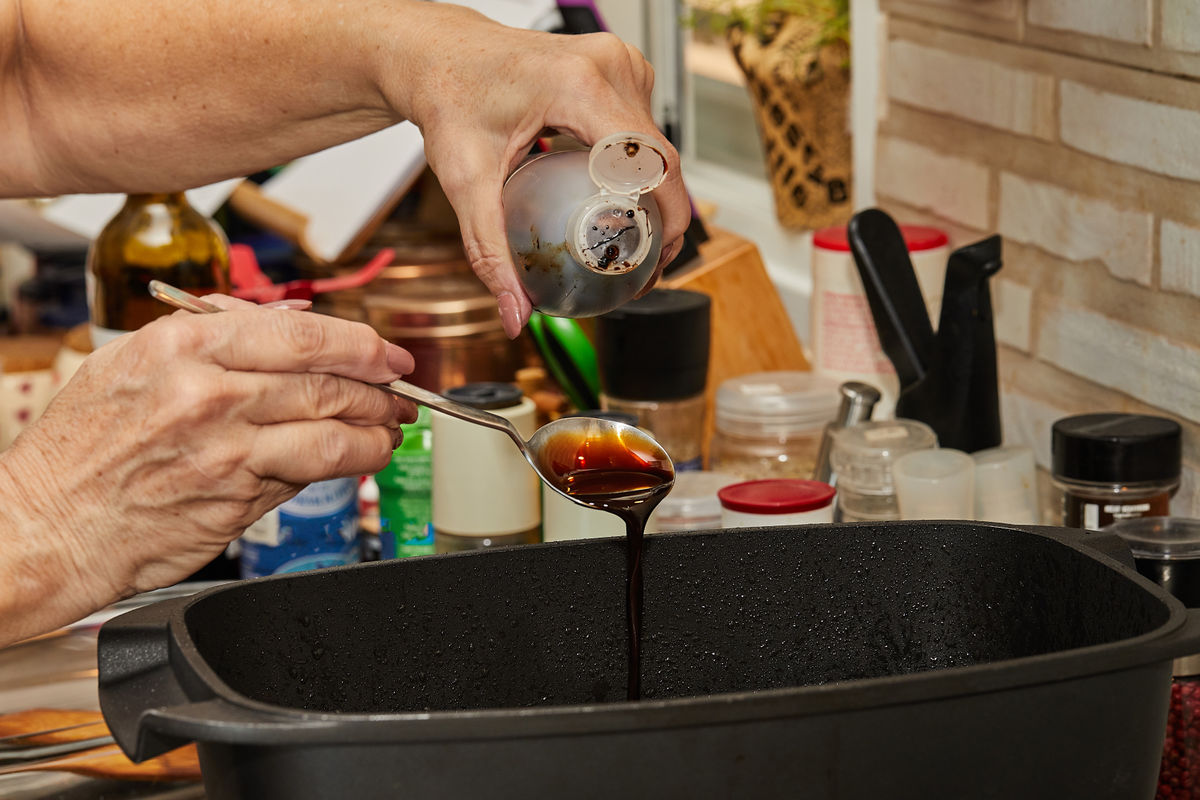
The experimental results largely supported theoretical calculations, allowing us to estimate the drainage times for liquids of various viscosities. For example, with water, it only takes a few seconds for 90% of it to drain. On the other hand, with cold maple syrup, it could take up to several hours. The waiting time varies greatly depending on the viscosity of the liquid; it takes about 30 seconds for relatively low-viscosity liquids like milk, and more than 9 minutes for high-viscosity liquids like olive oil.
Mr. Datta applied a similar calculation to Mr. Tan's wok problem. Mr. Tan says that he doesn't wipe his wok with a cloth after washing it to maintain the oil film, but since it could rust if left wet, he waits a few minutes after washing for the water to collect at the bottom before draining the water again. He derived this 'time for the water to collect' using an equation and found that he should wait about 15 minutes.
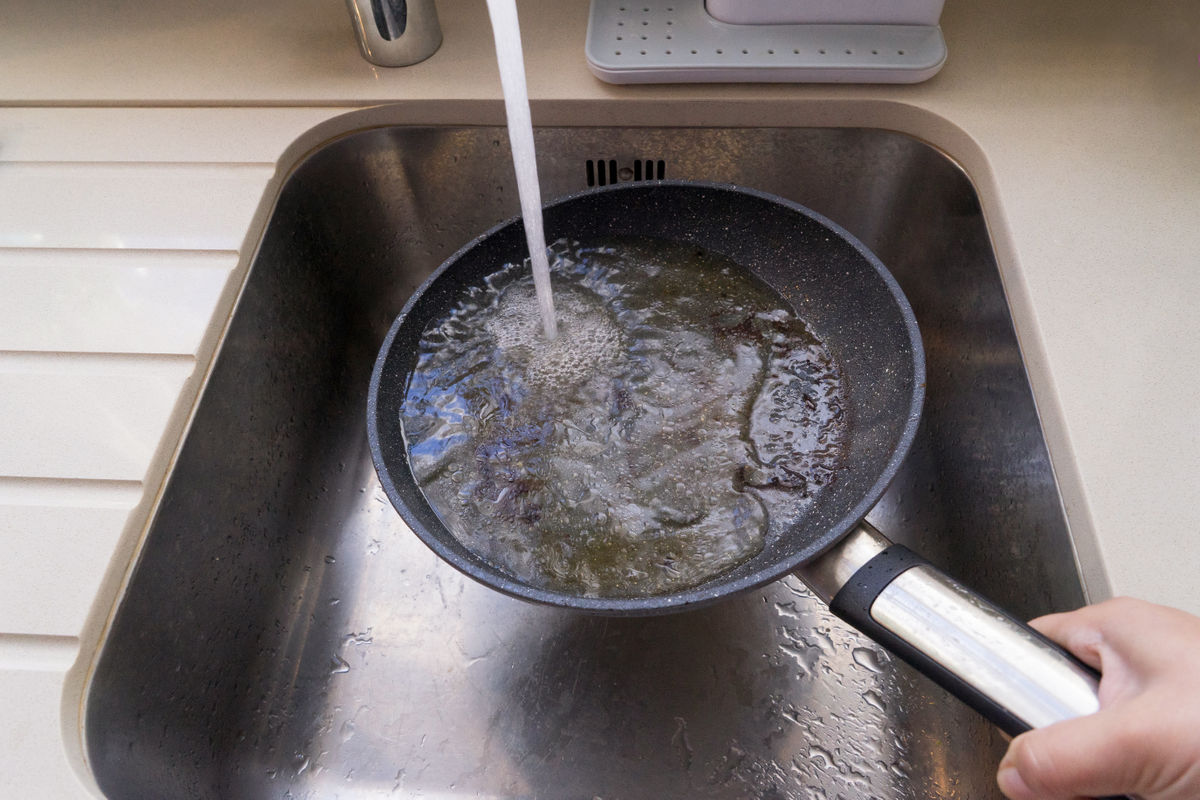
Tan said, 'I was surprised, and to be honest, a little disappointed. I usually only waited a minute or two, but it seems that you actually need to be more patient.'
Related Posts:


in Science, Posted by log1p_kr