'Dark factories' that use AI and robotics to eliminate the need for human workers are causing wage declines and job losses in China's labor market.

China is known as a manufacturing base for semiconductors, electronics, and other products, but workers there are suffering from falling wages and lost job opportunities, economic media outlet Bloomberg reports.
China's Tariff-Defying Export Boom Leaves Its Factory Workers Behind - Bloomberg
Despite President Donald Trump raising tariffs on China to the highest level in nearly a century, China recorded a $1.2 trillion trade surplus in 2025. Leaders around the world, from Europe to South America, are warning that China's unstoppable exports threaten to devastate domestic industries. In the first two months of 2026, China's exports continued to grow by about 22% year-on-year, recording a record trade surplus.
But in Guangdong province, long the driving force behind China's manufacturing industry, the standard of living for ordinary workers is plummeting. Direct interviews with local workers revealed that wages are falling and jobs are being lost, Bloomberg reports.
Despite strong exports, wages for domestic workers are falling and job opportunities are dwindling. One of the reasons for this is the explosive spread of AI and robots, which have given rise to so-called 'dark factories' that do not require human workers.
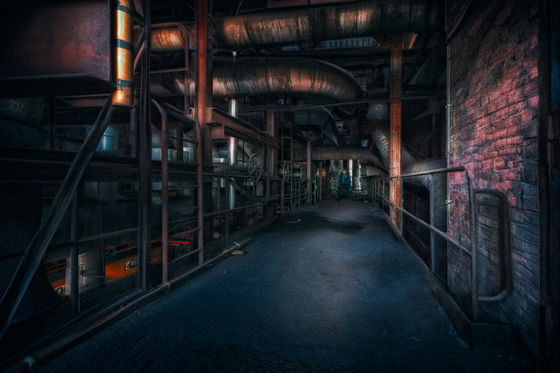
At the time of writing, China has more than 2 million industrial robots, more than all other countries combined. This means that China is replacing production line workers with robots at an unprecedented rate.
According to a study by Peking University, the rise of robots has not only reduced the need for workers, but also contributed to the increase in short-term employment in factories. In major industrial clusters like Guangdong, up to two-thirds of workers are temporary during peak order periods, indicating that factories need low-skilled manual labor that has not yet been automated during peak order periods.
'Today, the Communist Party is increasingly undermining social stability in order to achieve economic growth,' said

A woman working in a factory in Guangzhou reported a 40% drop in her salary amid the US-China trade war.
However, some workers in Guangdong province claim that rising US tariffs and President Trump's decision to end tariff exemptions for low-cost imports are the cause of falling wages in China.
President Trump signs executive order imposing additional tariffs on China, Canada, and Mexico and suspending tariff exemptions for low-cost imports, potentially affecting discount shopping apps like Alibaba, SHEIN, and Temu - GIGAZINE

Related Posts:






in Note, Posted by logu_ii