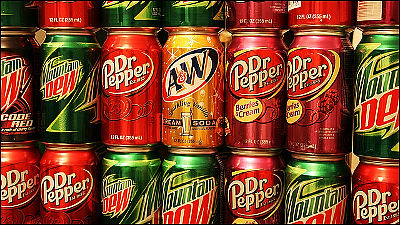
Study finds that teens who drink a lot of sugary drinks are 34% more likely to be diagnosed with an anxiety disorder
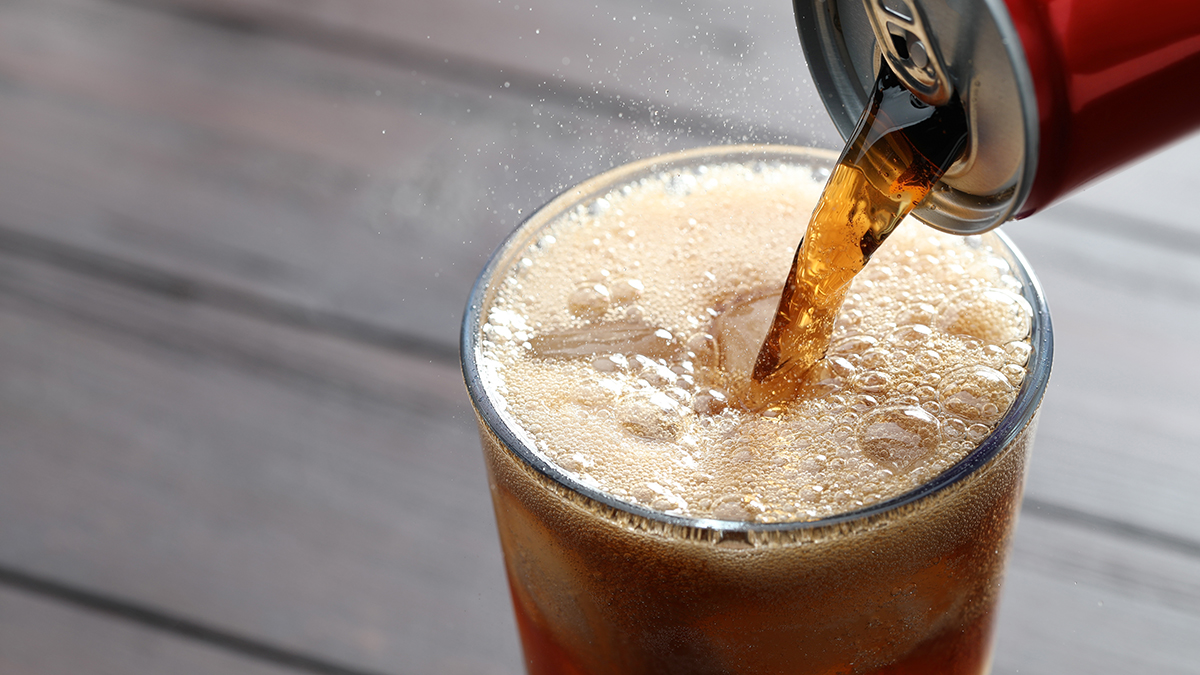
Many teenagers suffer from anxiety, with research showing that approximately one in five people are negatively affected by anxiety in school life, interpersonal relationships, and other areas. While biological factors, genetics, and living environment have traditionally been thought to affect mental health, in recent years research has been advancing into the possibility that diet may also affect mental health. British researchers conducted a meta-analysis of multiple studies examining the relationship between sugary drink intake and teen anxiety, and published their findings in the academic publication The Conversation.
Sugar‐Sweetened Beverage Consumption and Anxiety Disorders in Adolescents: A Systematic Review and Meta‐Analysis - Khaled - 2026 - Journal of Human Nutrition and Dietetics - Wiley Online Library
https://onlinelibrary.wiley.com/doi/full/10.1111/jhn.70217
Anxiety in teenagers linked to sugary drinks – new research
https://theconversation.com/anxiety-in-teenagers-linked-to-sugary-drinks-new-research-275989
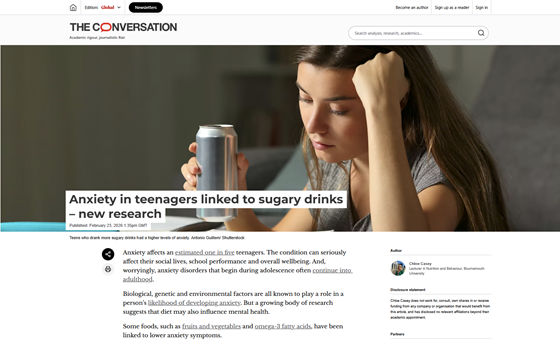
Chloe Casey, a nutrition and behavioral researcher at Bournemouth University in the UK, and her colleagues analyzed studies published between 2000 and 2025 that examined sugary drink intake and anxiety levels among 10- to 19-year-olds. They ultimately found nine studies that met the criteria of 'dealing with sugary drink intake and anxiety levels among 10- to 19-year-olds,' seven of which were cross-sectional and two longitudinal. Furthermore, seven of the nine studies reported a relationship between higher sugary drink intake and higher anxiety or anxiety disorders.
The sugary drinks studied included carbonated drinks, cola drinks, sweetened juices, sweetened milk drinks, energy drinks, and sugary tea and coffee. In most studies, sugary drink intake was assessed by questionnaire.
Casey and his colleagues conducted a pooled analysis of studies that assessed anxiety disorders as either 'yes' or 'no.' The results showed that participants with high sugar-sweetened beverage intake were 34% more likely to be diagnosed with an anxiety disorder than those with low sugar-sweetened beverage intake. The researchers estimated the likelihood ranged from 14% to 59%.
However, because most of the included studies were observational, it is not possible to establish a causal relationship between sugary drink intake and anxiety. For example, Casey and his colleagues explain that 'it is possible that high anxiety leads to the behavior of drinking sugary drinks.' In other words, it is possible that anxiety makes people more likely to drink sugary drinks, rather than that consuming sugary drinks increases anxiety.

Because factors such as education level and household income may influence both sugary drink intake and anxiety, Casey and his colleagues say, 'These results do not demonstrate a causal relationship, but should simply be interpreted as a trend toward increased sugary drink intake and anxiety.'
Casey and his colleagues also touched on the gut-brain connection as a possible reason for the association between sugary drink consumption and anxiety. This is a concept known as the ' gut-brain axis ,' and it is said that the state of the gut is affected by many factors, including the overall diet, stress, and sleep.
UK guidelines recommend limiting 'free sugars' - which combine added sugars and sugars naturally found in honey, syrups, fruit juices and concentrated fruit juices - to 5% of total energy intake, with a maximum of 30g per day for people aged 11 and over.
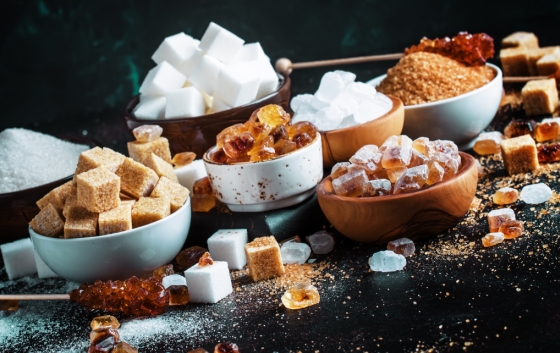
Furthermore, the UK government cites the example of a 330ml can of cola, which contains around 35g of sugar, and says that a single can could exceed the recommended intake.
While the results of this analysis alone cannot be used to conclude that sugary drinks cause anxiety, Casey and his colleagues say more direct research is needed to see whether reducing sugary drink intake can benefit teens' mental health.
Related Posts: