Research shows that some birds are so particular about their color that they remain stubborn even when placed in other colonies
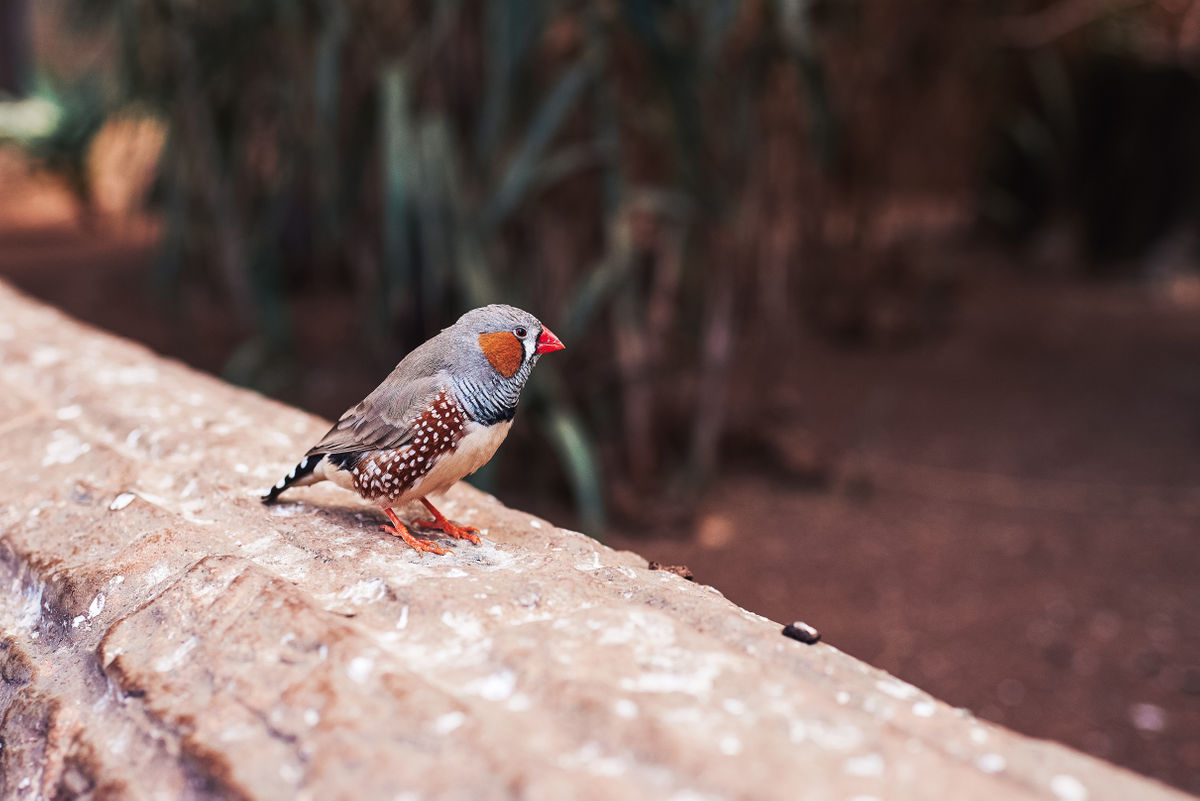
Observations of colonially breeding zebra finches in Australia revealed that some individuals had color preferences for nesting materials, some of which were almost obsessive, and some of these individuals persisted even when placed in colonies with a uniform color preference.
Conformity and individual preference shape nest material use in zebra finches (Taeniopygia guttata) | PLOS One
Evidence that some birds are stubborn appears in the form of color preferences
Zebra finches are small, highly social birds that build elaborate dome-shaped nests. Male nest-building zebra finches are known to have color preferences; for example, some individuals have a strong preference for blue, while others prefer yellow. Julia Self of the University of Alberta and her colleagues wondered, 'Animals follow their groups, so if the majority of the group is doing something, individuals will surely imitate it. But do zebra finches, which have color preferences, conform to their surroundings?' and conducted an experiment.
Self and his colleagues first investigated the color preferences of male zebra finches. They prepared bundles of blue and yellow string in the laboratory and observed which color each zebra finch chose to build its nest in. They then transferred each male to a colony that already had four mating pairs for additional observations. The colonies were divided into three groups: 'all nests were in the male's preferred color,' 'most nests were in a color he did not prefer,' and 'all nests were in a color he did not prefer.'
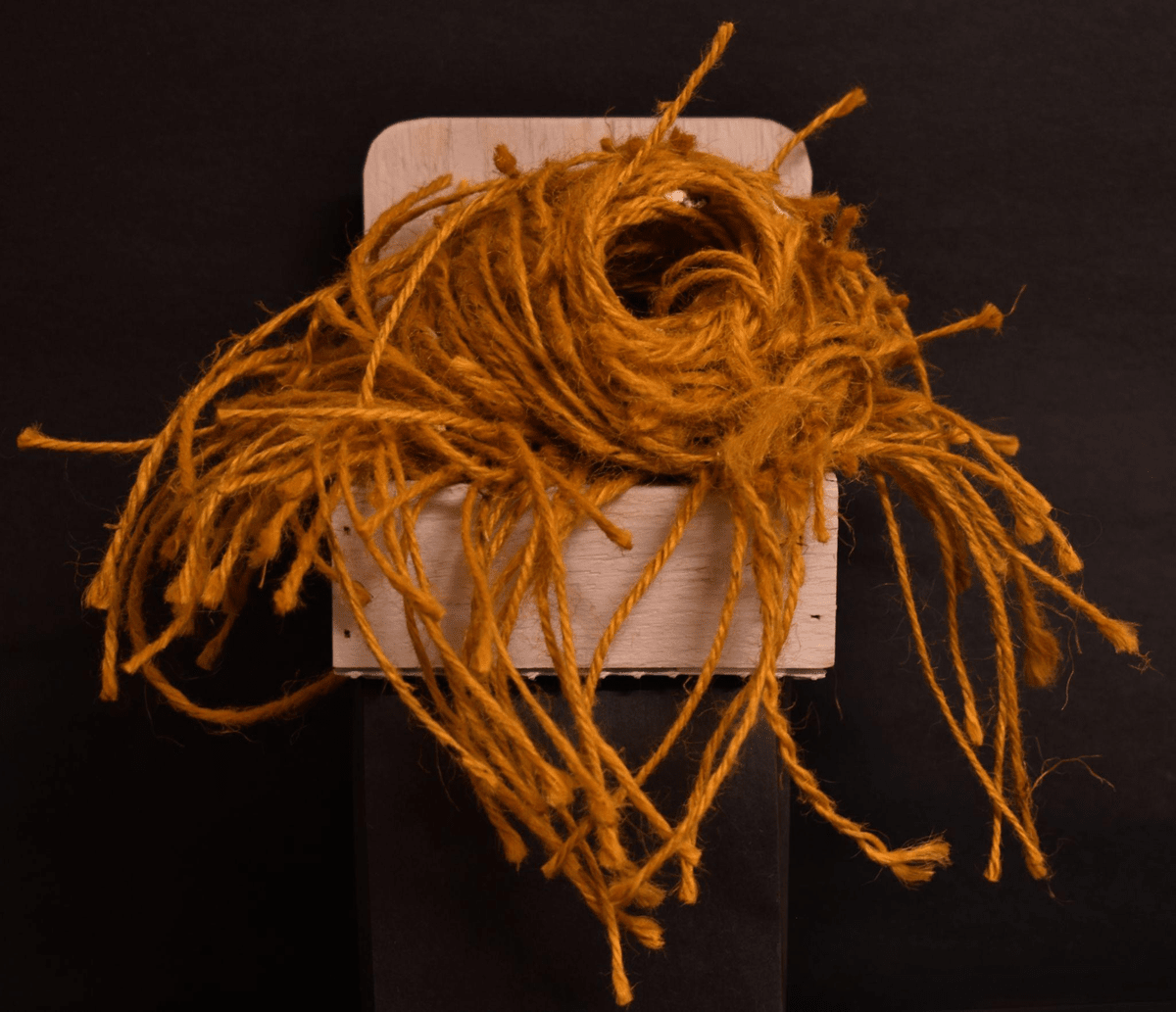
They found that certain males were more likely to conform to their surroundings when choosing the color of the strings they used to build their nests, even when the majority of the nests they relocated were built in a color they did not like.
On the other hand, some individuals ignored the colors used in the nests around them and stuck to their own preferences. Individuals that were originally strongly attached to a particular color ignored those around them and began building nests in their favorite colors.
What's interesting is that even individuals with strong preferences were initially sensitive to their surroundings. Many individuals were initially more likely to touch a color that they didn't like when others used it. However, noticing something and changing behavior are not the same thing, and individuals with strong preferences later began using the color they preferred.
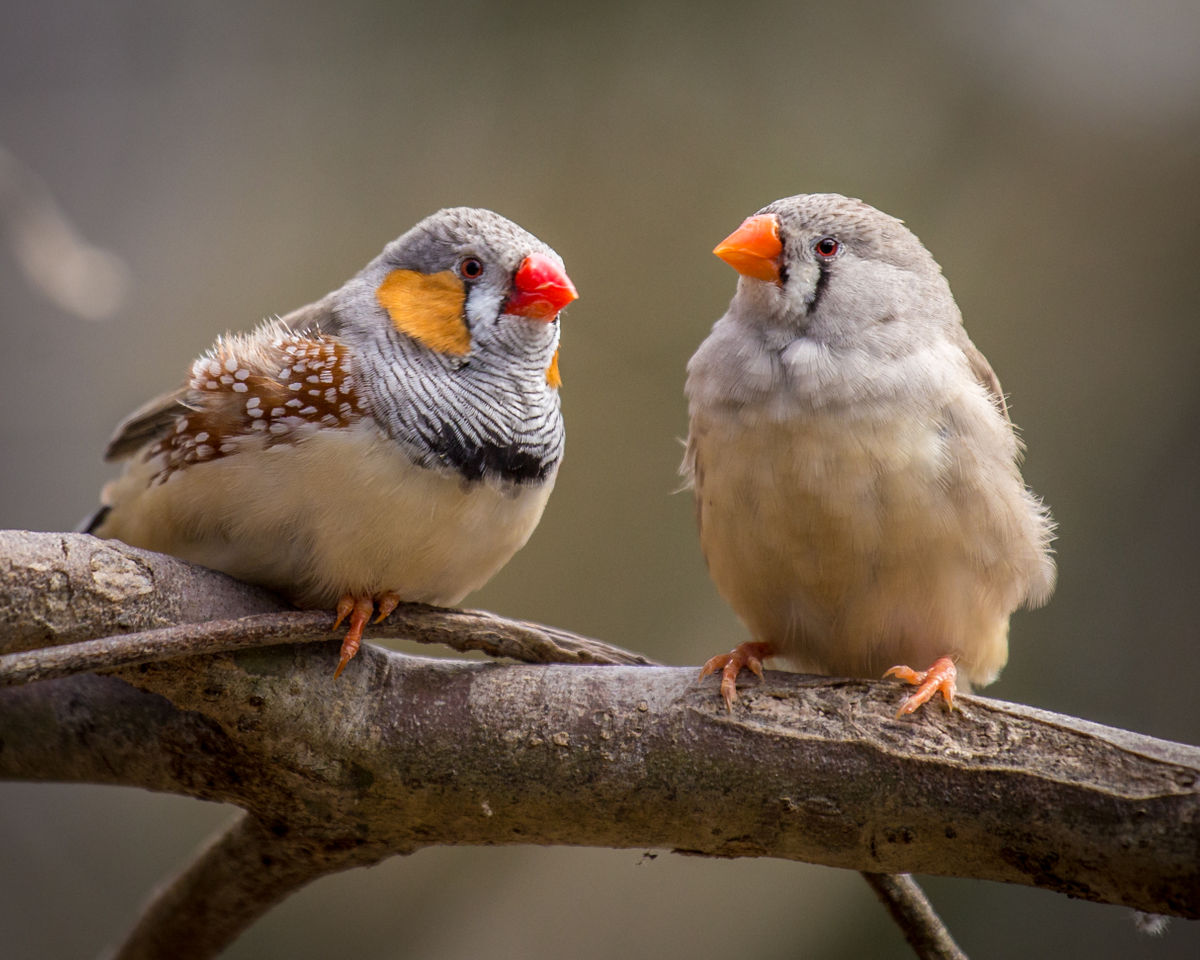
'It's crucial to distinguish between receiving social information and actually using it. Animals observe the behavior of others, but don't necessarily act on it. This gap may explain why conformity in animals is inconsistent. In human psychology, we know that people with stronger beliefs are less susceptible to social influence. Presenting the same evidence to two people with different preconceptions can lead to opposite conclusions. For example, a Democrat and a Republican will interpret the same information in a way that reinforces their respective political views. Our study found the same pattern in birds.'
Related Posts: