Research reveals that the Inca Empire was supported by bird droppings

by
Located on the southern coast of Peru, Chincha was a large civilization and kingdom that flourished between 1000 and 1400 AD and was annexed by the Inca Empire around the 15th century. A study published in the online journal PLOS ONE reveals that seabird droppings, or guano , were a crucial resource supporting the Chincha civilization's sociopolitical and economic expansion.
Seabirds shaped the expansion of pre-Inca society in Peru | PLOS One
https://journals.plos.org/plosone/article?id=10.1371/journal.pone.0341263
How bird poo fueled the rise of Peru's powerful Chincha Kingdom
https://theconversation.com/how-bird-poo-fuelled-the-rise-of-perus-powerful-chincha-kingdom-275316
A research team from the University of Sydney, the Smithsonian Institution, and Texas A&M University conducted multi-isotope analysis using carbon, nitrogen, and sulfur on 35 corncobs and the remains of 11 seabirds excavated from the Chincha site.
The results of this analysis showed that the average nitrogen isotope ratio detected in the corn showed extremely high values, suggesting that indigenous communities were using guano as fertilizer to increase crop productivity at least as early as 1250 AD.
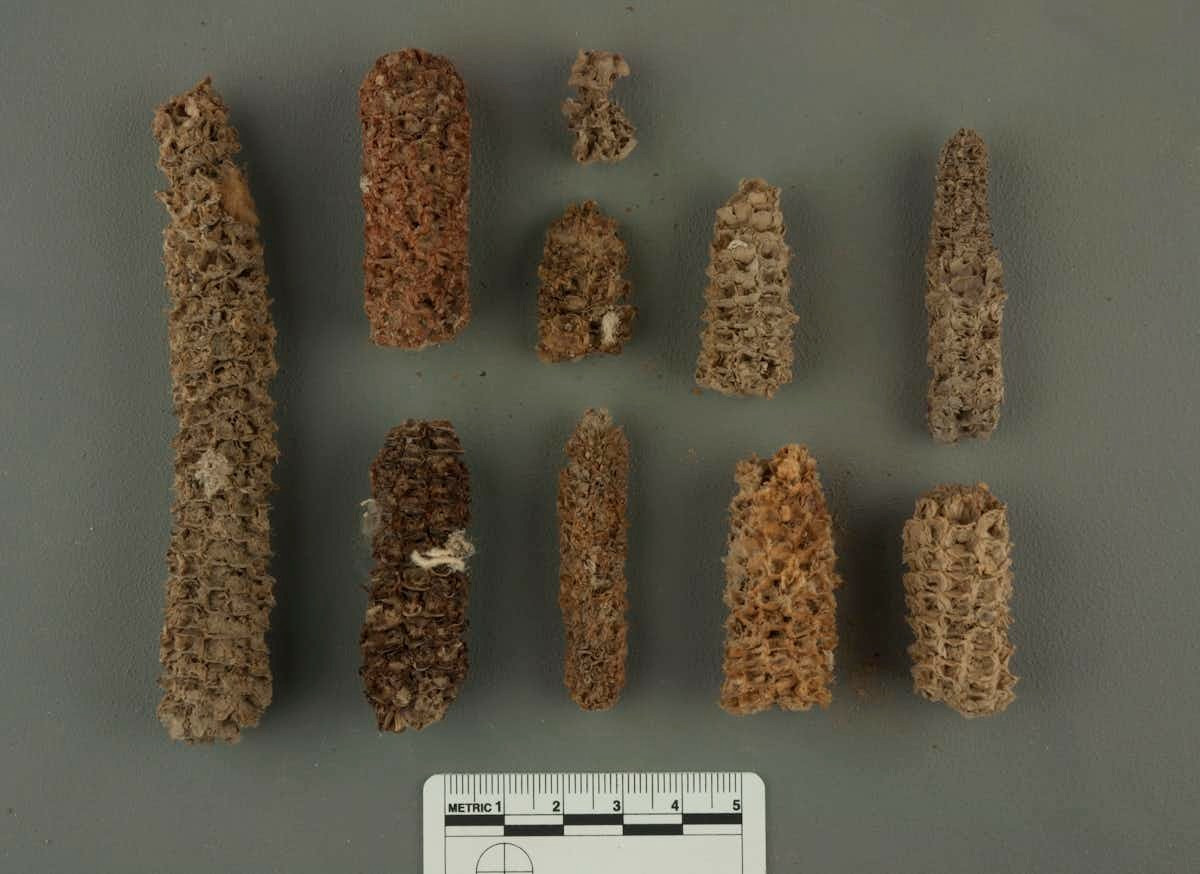
'Guano is a powerful organic fertilizer, containing far more nitrogen and phosphorus than the excrement of terrestrial animals such as cattle. The dry climate prevented it from flowing into the sea, and it accumulated to a height of several meters. This chemical analysis provides the strongest evidence to date for the use of seabird guano in archaeological maize,' said the study's lead author.
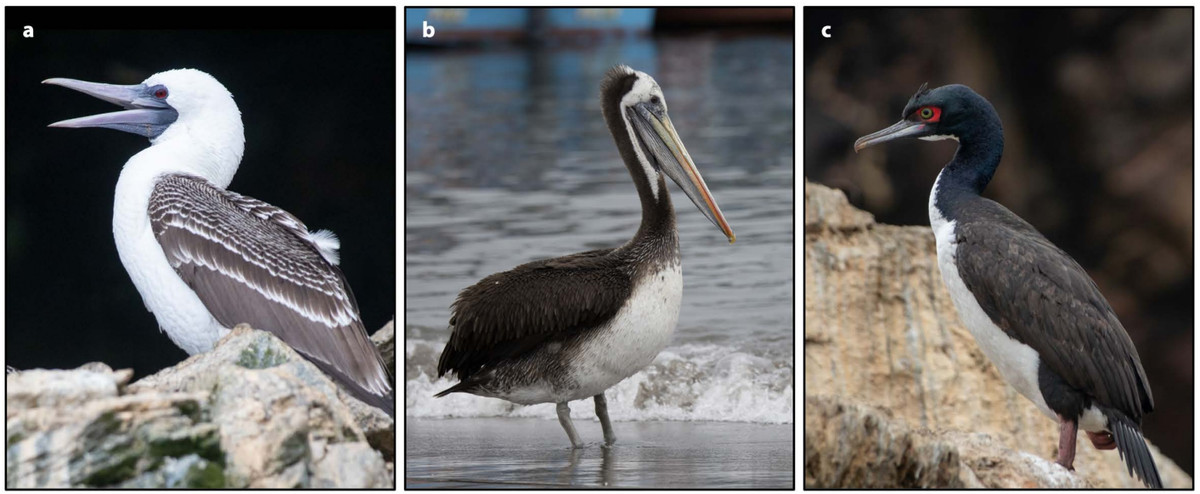
Chincha had a population of approximately 100,000, made up of specialized communities of fishermen, farmers, and merchants. Fishermen collected guano from the Chincha Islands, about 25 kilometers offshore, and provided it to farmers, who used it to increase corn harvests. Merchants then traded the guano and other crops along the coast and into the Andean highlands, forming a unique economic network.
The research team states that the Chincha people had a deep understanding of the ecological cycle: 'Seabirds eat fish in the sea, their droppings grow corn, and the corn feeds humans. This worldview is depicted in textiles, pottery, and architectural sculptures from the time. For example, the wooden spatulas believed to have been used in the following rituals are carved with seabirds, fish, and sprouting corn.'
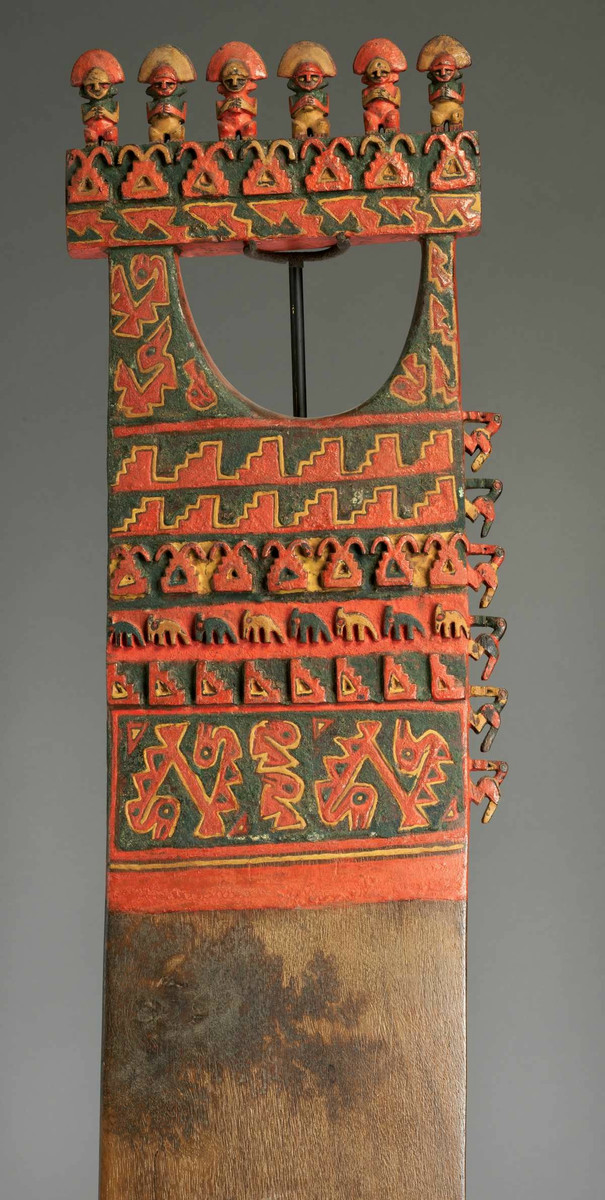
Furthermore, he pointed out that there are traces of the guano economic zone even in modern place names, such as the place name Pisco in Peru, which means 'bird' in the language of the time, and Lunahuana, which translates to 'people of guano.'
'This study expands the geographical scope of guano fertilization in the pre-Inca world and strengthens previous predictions of its role in the rise of the Chincha kingdom,' the research team said. However, they added that there are still many mysteries to be solved about the origins of this guano-based ecosystem.
Related Posts: