What is the effect of Ozempic, a drug that may be able to eliminate obesity?

Ozempic , a type 2 diabetes drug that is said to help reduce obesity through injection, is an animated video by YouTube channel
Why We Should Give Ozempic to Everybody - YouTube
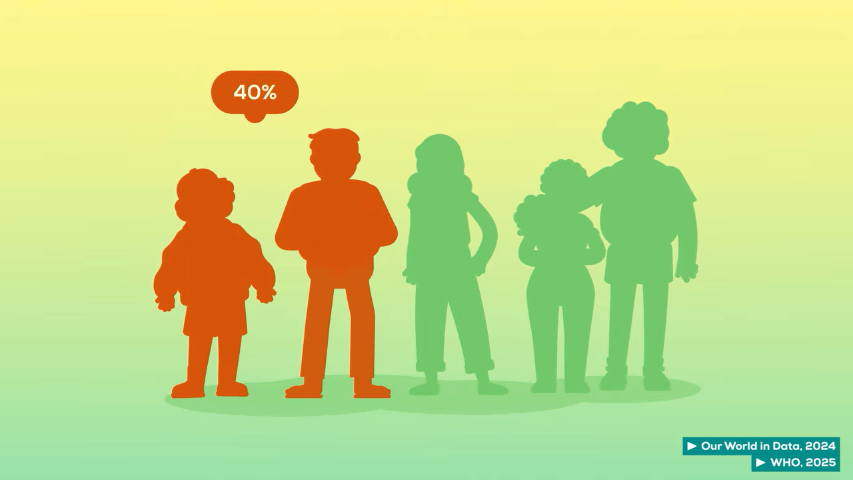
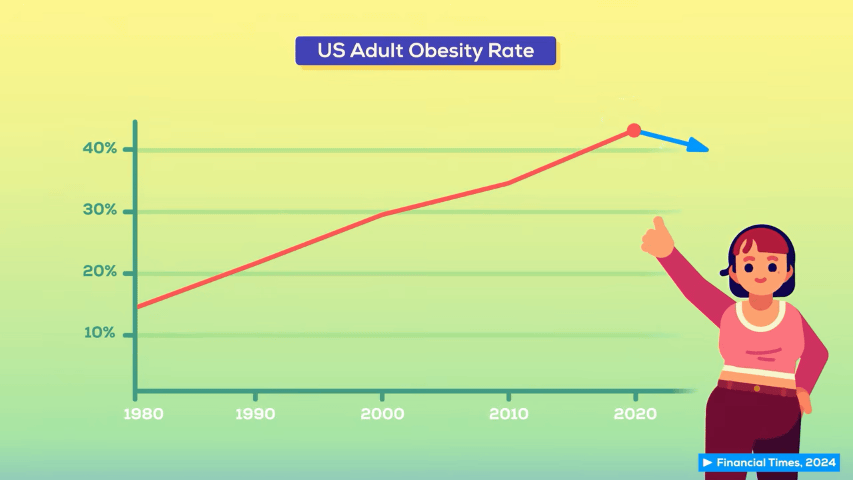
Over 40% of adults in the United States are classified as obese, and it is estimated that obesity is responsible for 4 million deaths worldwide each year. If current trends continue, it is predicted that by 2050, one in three adults on the planet will be obese and half will be overweight.
Hormones are involved in the causes of obesity and the inability to stick to a diet. Obesity disrupts the hormonal balance in adipose tissue, increasing hunger and encouraging overeating. Glucagon-like peptide 1 (GLP-1) is a hormone secreted after a meal that stimulates insulin secretion, slows digestion to keep food in the body, and suppresses appetite by sending a feeling of fullness to the brain. GLP-1 suppresses appetite by sending a satiety signal, but in people who are obese or overeat, GLP-1 may not be functioning properly.

GLP-1 released into the bloodstream after a meal is broken down in just two minutes. Therefore, GLP-1 receptor agonists were developed to enhance and prolong the effects of GLP-1. GLP-1 receptor agonists include
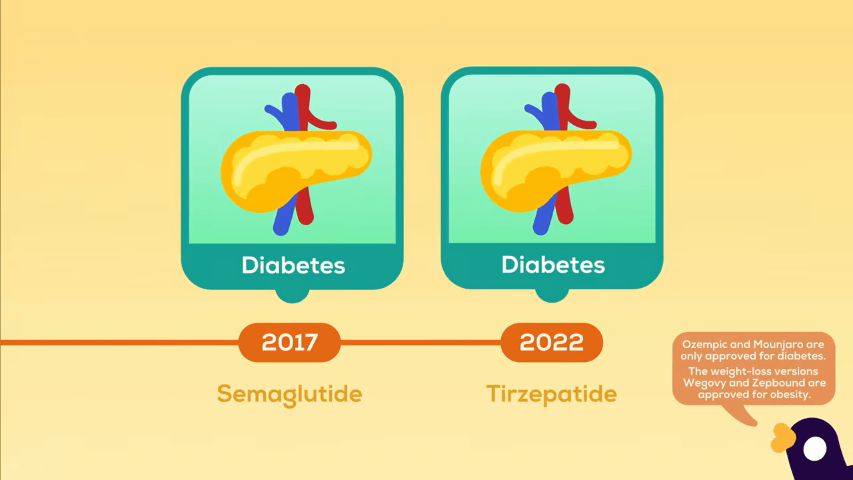
When GLP-1 receptor agonists are administered, people who suffer from the constant urge to eat can feel full and satisfied more quickly than usual and their appetite is suppressed throughout the day, providing great mental relief. Therefore, it is believed that people can diet without the strong willpower to refrain from eating.
GLP-1 receptor agonists are said to be able to reduce body weight by approximately 10% in three months, 15% in six months, and more than 20% in one year, and also have excellent health benefits such as significantly reducing the risk of heart attack, stroke, and diabetes, and improving kidney function and sleep apnea. In fact, surveys have shown that one in eight adults in the United States has used GLP-1 receptor agonists, and some researchers claim that GLP-1 receptor agonists have contributed to the first-ever decline in obesity rates in the United States.
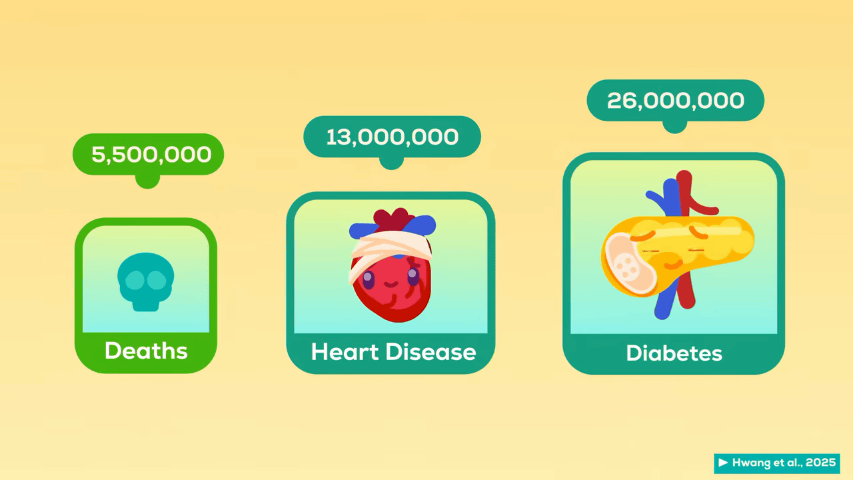
A paper published in 2023 by Nathan D. Wong and others at the University of California, Irvine, presented the results of a population-level simulation of the health benefits of obesity treatment with semaglutide. It was estimated that approximately 38% of American adults, or 93 million people, could potentially be candidates for the drug. A model that applied the weight loss effects based on trial data to the target population estimated that it would be possible to eliminate approximately half of obesity within two years, prevent 5.5 million premature deaths, prevent 13 million cases of heart disease, and prevent 26 million cases of diabetes.
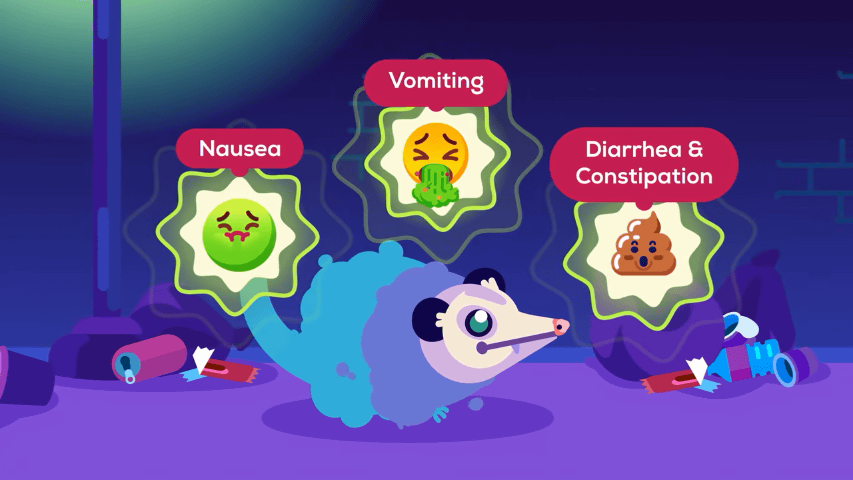
Side effects of GLP-1 receptor agonists are mainly mild, such as nausea, diarrhea, and constipation, with serious side effects occurring in less than 5% of cases. However, rapid weight loss can also lead to rapid muscle loss, so adequate protein intake and strength training are essential. It is also believed that many people regain the weight when they stop taking the drug, so long-term or lifelong administration may be necessary.
In addition, some people have reported experiencing a dislike for meat, fried foods, and salty foods after taking GLP-1 receptor agonists. Researchers believe that GLP-1 receptor agonists bind to GLP-1 receptors in the brain area involved in the reward pathway, which suppresses the pleasure response to food, thereby changing food preferences. Other studies have shown that GLP-1 receptor agonists reduce the ability to sense all five basic tastes (sweet, sour, salty, bitter, and umami), and that drug side effects, including nausea, are more severe in people with a stronger sense of taste and smell. Therefore, it remains unclear whether GLP-1 receptor agonists dull or sharpen taste buds.
The reason why obesity medication makes you dislike meat and fried foods is becoming clear - GIGAZINE

Until GLP-1 receptor agonists become more common, supply shortages and rising prices will be an issue, but these may improve as research progresses. Kurzgesagt argues that GLP-1 receptor agonists such as Ozempic are useful with few major drawbacks, but he also says that you should always consult with your doctor and that medications are meant to support your health and that healthy habits are necessary.
Kurzgesagt's video has also attracted skepticism about GLP-1 receptor agonists, with some saying the video looks like an advertisement for Ozempic, while others say they can't wait for the video to say, 'We were wrong about Ozempic.'
Related Posts: