Would audiophiles be able to tell the difference if professional-grade copper wire, bananas, and mud were used as conductors in audio cables?
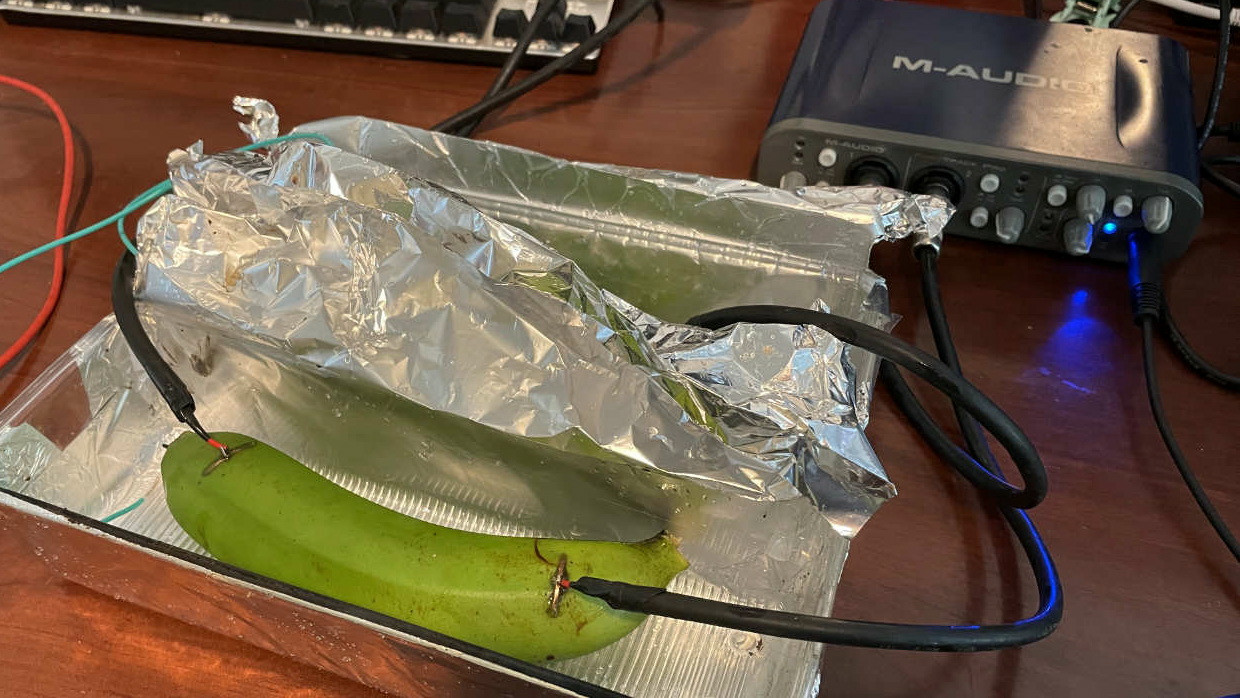
The results of a blind test conducted by moderator Pano on the audio community diyAudio, in which professional copper wire, a banana, and wet mud were used as audio signal transmission media, were published by hardware news site Tom's Hardware.
Copper wire vs bananas vs mud - An interconnect test | diyAudio
In a blind test, audiophiles couldn't tell the difference between audio signals sent through copper wire, a banana, or wet mud — 'The mud should sound perfectly awful, but it doesn't,' notes the experiment creator | Tom's Hardware
https://www.tomshardware.com/speakers/in-a-blind-test-audiophiles-couldnt-tell-the-difference-between-audio-signals-sent-through-copper-wire-a-banana-or-wet-mud-the-mud-should-sound-perfectly-awful-but-it-doesnt-notes-the-experiment-creator
For this experiment, four different versions of the audio signal were prepared as a comparison standard: the original file captured directly from the CD, a recording made solely through 180cm of professional audio copper wire, a recording made through 20cm of wet mud combined with 120cm of copper wire, and a recording made through 13cm of banana combined with 120cm of copper wire.
The test tracks were selected from genres such as rock, jazz, and classical to help listeners judge the quality of the audio. Each sample was 30 seconds long and was assigned a four-digit code, allowing listeners to listen blindly to the source of each sample.
The playback and recording system was a Dell laptop running Windows 10. M-Audio's Fast Track Pro was used as the audio interface, with optimal input and output levels set using the REW software's RTA function. The recording process used the DAW software Reaper to simultaneously play and record using the loopback method, and the recorded files were trimmed and level-corrected using Goldwave 7.0 .
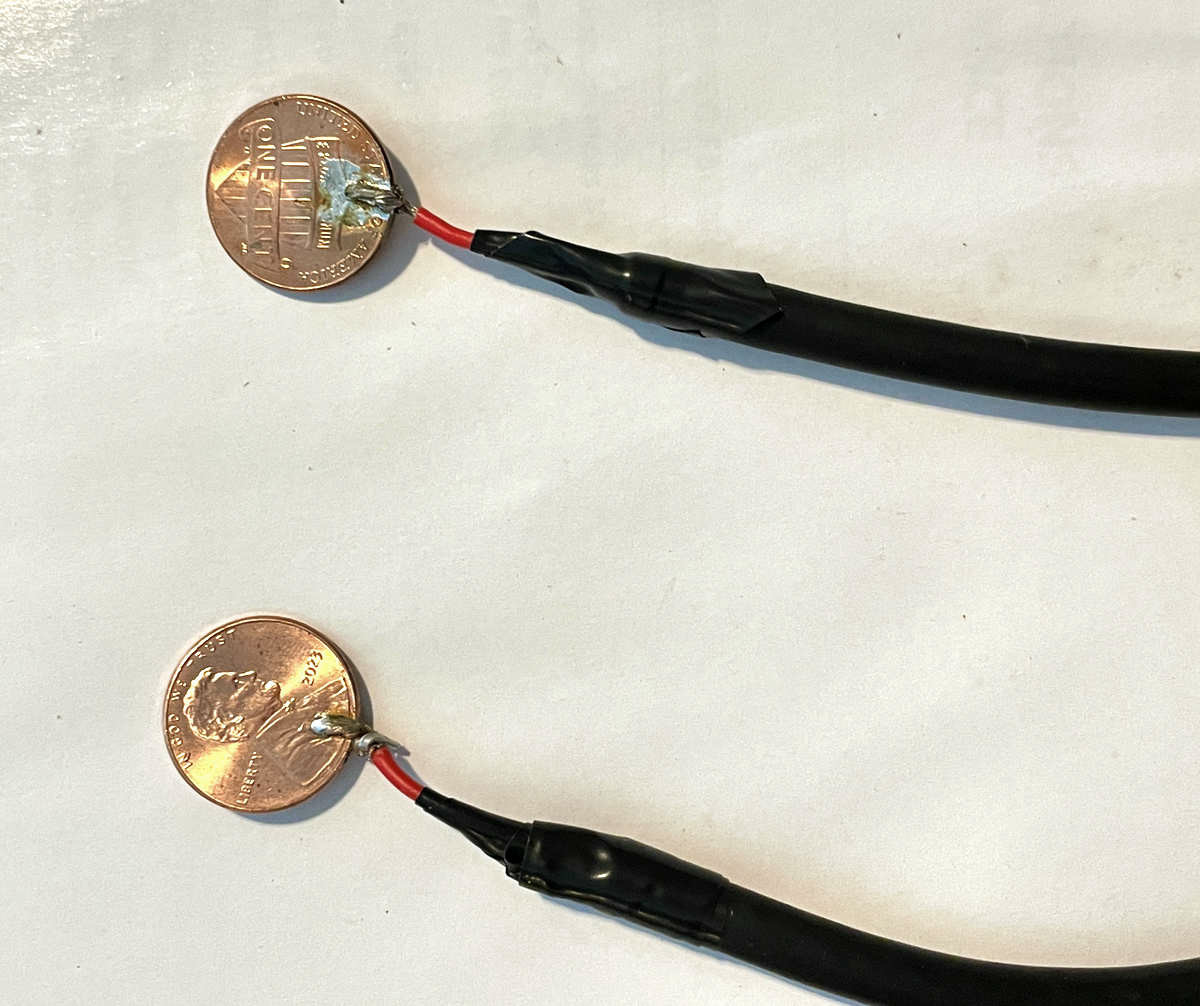
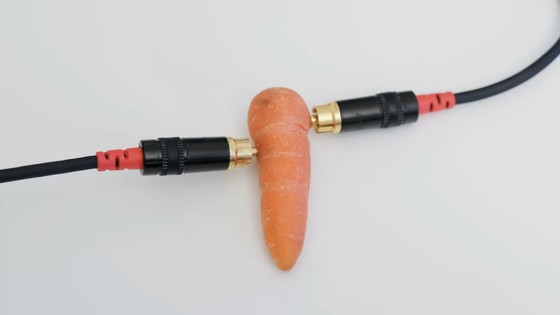
The physical connection to get the signal to the medium was made using an old microphone cable and a homemade test probe made from a soldered American penny.
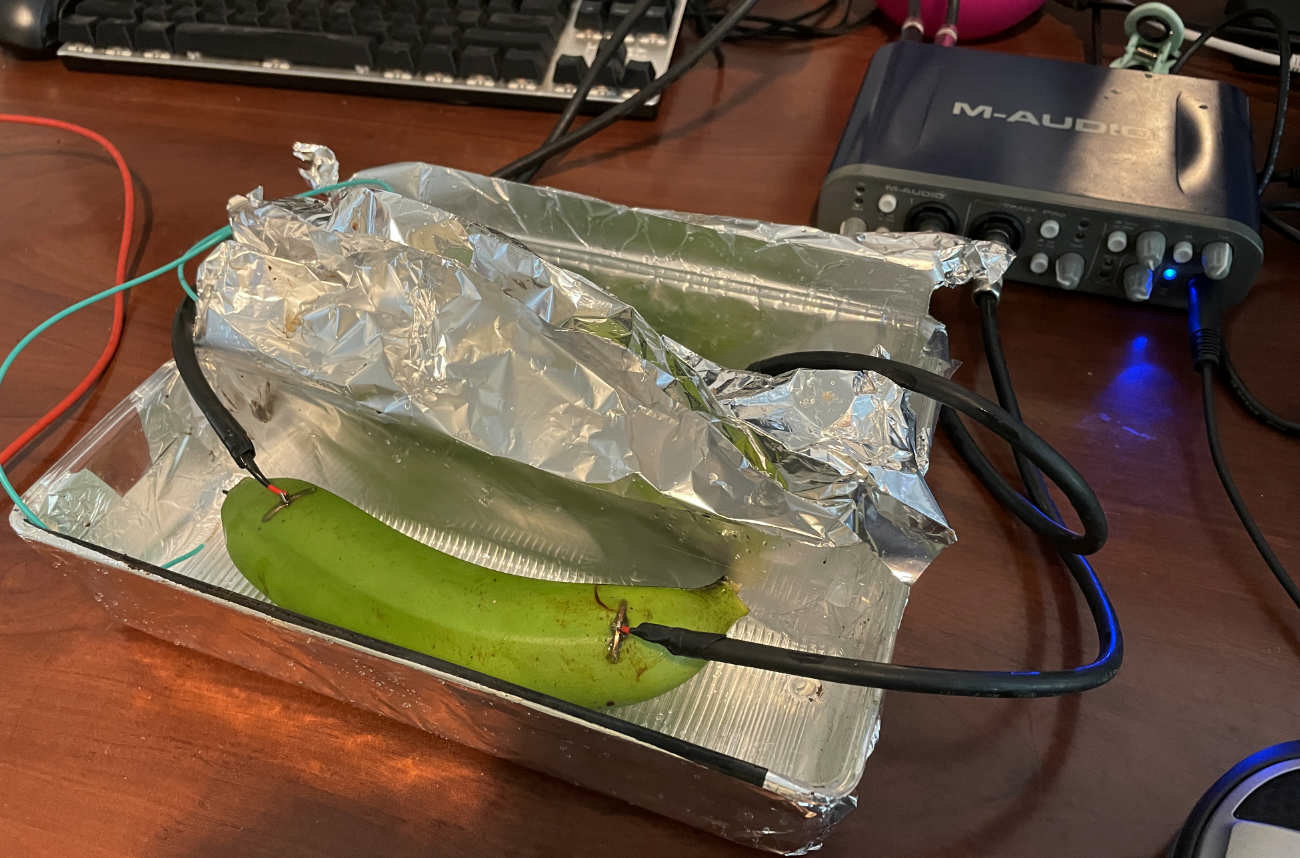
Both ripe and unripe bananas were tested, and no significant difference in sound quality was found between them. The DC resistance of the green bananas was 5.1 kΩ. The mud was collected from volcanic areas in Central America and was used in a well-moistened state.
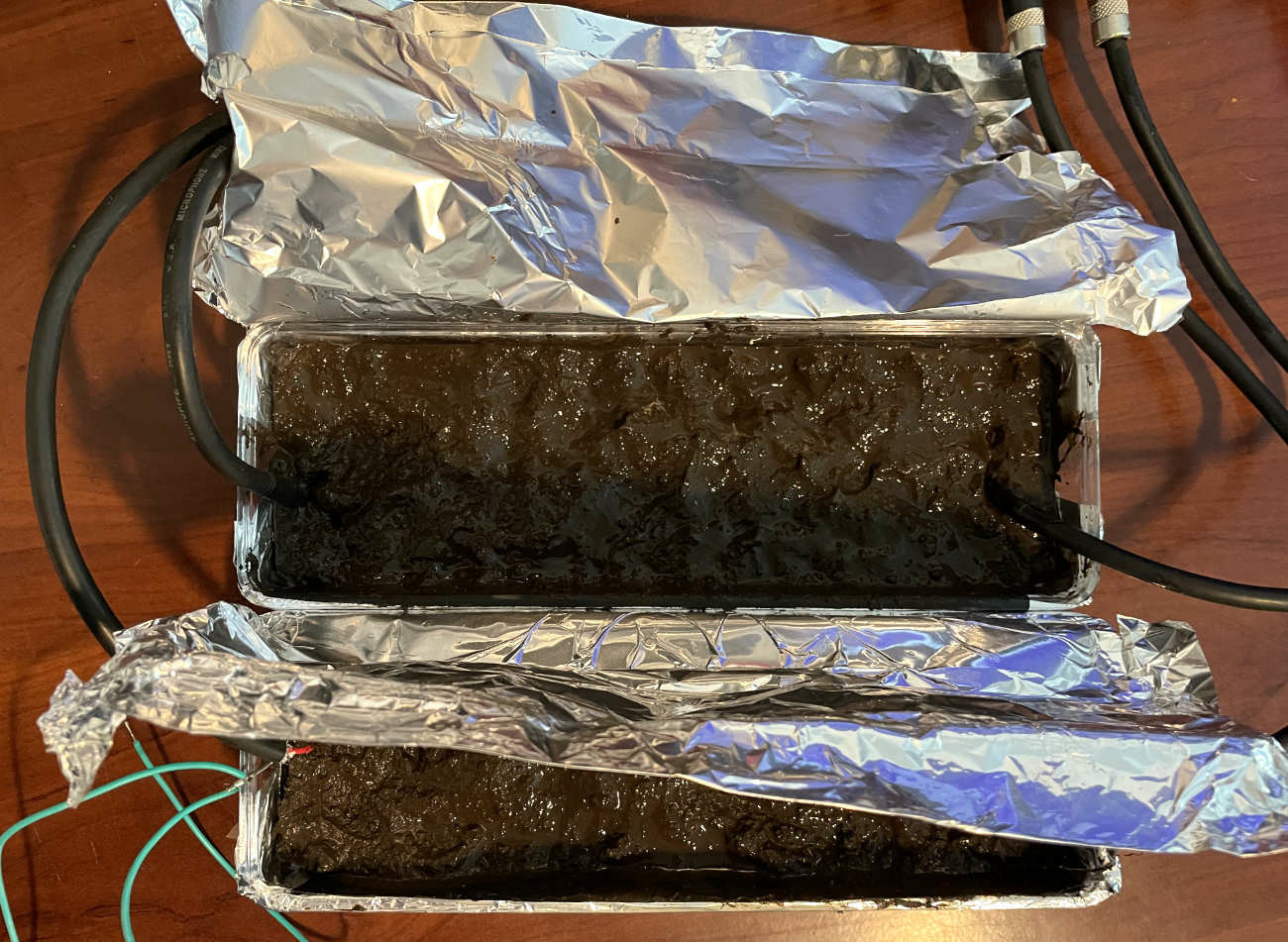
The bananas and mud are placed in a plastic tray wrapped in aluminium foil, which provides shielding for an extremely low noise floor, and a green wire is attached to the foil, which connects to the cable shield.
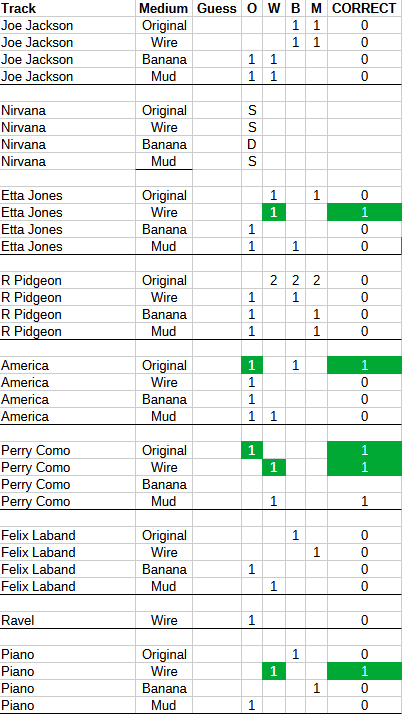
The test results showed that the accuracy rate of the listeners who responded was extremely low. Only six of the 43 guesses were correct, for an accuracy rate of just 13.95%. A statistical analysis using binomial distribution calculated that if listeners had answered completely randomly, there would have been a 6.12% chance of getting the same or lower number of correct answers. This is above the commonly used significance level of 5%, indicating that the results were likely due to chance. In other words, listeners were unable to accurately distinguish between the banana and the copper wire.
Pano believes that the banana and mud acted like a series resistor in the circuit, attenuating the signal level without dramatically distorting the audio quality to an audible degree.
Pano was inspired by a documentary about how the US military used the Earth itself as a return route when laying telegraph lines in the Philippines, and he realized that even low-conductivity materials could transmit audio signals at a practical level.
Related Posts:
in Hardware, Posted by log1i_yk