Research shows that reducing PTSD symptoms is associated with improved cognitive function

Cognition improvement in US veterans undergoing treatment for posttraumatic stress disorder: Secondary analyzes from a randomized controlled trial - Mamat - Journal of Traumatic Stress - Wiley Online Library
https://onlinelibrary.wiley.com/doi/10.1002/jts.70033

Reduction in PTSD symptoms linked to better cognitive performance in new study of veterans
https://www.psypost.org/reduction-in-ptsd-symptoms-linked-to-better-cognitive-performance-in-new-study-of-veterans/
PTSD can be caused by war or combat, physical or sexual assault, a serious accident or natural disaster, or the death of a loved one. PTSD is more common among military veterans, emergency responders, refugees, and victims of violence, but it can develop in anyone who has experienced trauma.
Symptoms include flashbacks or nightmares of the traumatic memory, avoidance of events that remind one of the trauma, negative changes in mood or beliefs, and irritability or hypervigilance, which persist for more than a month and cause significant distress and impairment to daily life.
A research team led by Zulqaida Mamat, a postdoctoral researcher at the Stanford University School of Medicine, investigated cognitive changes in American veterans with PTSD. The research team hypothesized that cognitive domains that are impaired in PTSD patients, such as attention, working memory, episodic memory, information processing speed, and executive function, would improve with treatment and symptom improvement.

The study involved 85 veterans with clinically significant PTSD symptoms, 62 of whom completed PTSD treatment sessions and pre- and post-treatment cognitive assessments. Participants were randomly assigned to receive either
Cognitive Processing Therapy is a systematic, evidence-based treatment for PTSD that aims to reduce distress and improve quality of life by identifying and modifying harmful beliefs related to trauma, while Sudarshan Kriya Yoga uses specific breathing techniques to reduce stress and regulate emotions to support mental well-being.
The group assigned to cognitive processing therapy received two one-hour sessions per week for six weeks, for a total of 12 hours. The group assigned to yoga received five three-hour workshops, followed by two group sessions per week for six weeks, for a total of approximately 40 hours of treatment. At the end of the treatment sessions, the participants' average ages were 58 years old in the cognitive processing therapy group and 61 years old in the yoga group.
Before and after the treatment sessions, participants were assessed for PTSD severity, depression, and cognitive function, including episodic visual memory and learning, visual-motor comprehension, sustained visual attention, working memory, and strategy use.
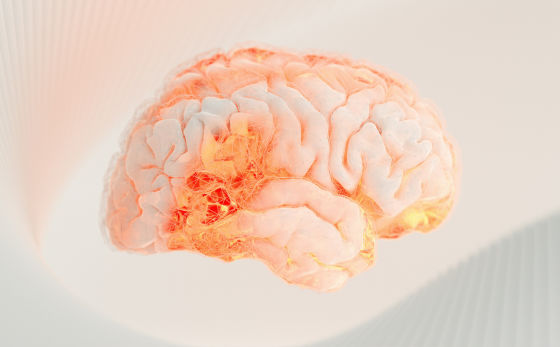
The results showed that cognitive function in both groups improved after the treatment sessions, specifically in episodic visual memory, visual-motor comprehension, and sustained visual attention, with moderate improvements. However, spatial working memory performance declined in both groups.
The degree of cognitive improvement was similar in both groups, and it was also shown that improvement in overall cognitive function was associated with a reduction in PTSD symptoms. However, a more detailed analysis showed that the association between improvement in cognitive function and reduction in PTSD symptoms was statistically significant only in the CPT group, and not in the yoga group.
The research team concluded, 'Regardless of the type of treatment, cognitive function improved along with the reduction in PTSD symptoms. These findings provide evidence that PTSD treatment may not only alleviate PTSD symptoms but also improve associated cognitive function.'
PsyPost, a psychology media outlet, pointed out that the study did not include a group of PTSD patients who did not receive treatment, so it's unclear whether the reduction in PTSD symptoms and improvements in cognitive function observed in the two groups were due to the treatment or the passage of time.
Related Posts:







in Science, Posted by log1h_ik