Shueisha's piracy lawsuit rules that 'personal information obtained through DMCA subpoenas cannot be used in foreign copyright lawsuits'
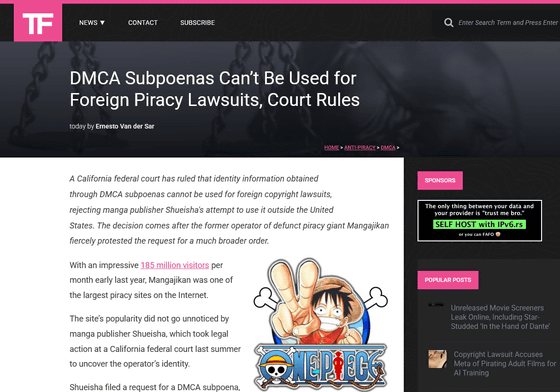
In order to crack down on a large-scale manga piracy website with 185 million monthly visitors, Shueisha filed
DMCA Subpoenas Can't Be Used for Foreign Piracy Lawsuits, Court Rules * TorrentFreak
https://torrentfreak.com/dmca-subpoenas-cant-be-used-for-foreign-piracy-lawsuits-court-rules/
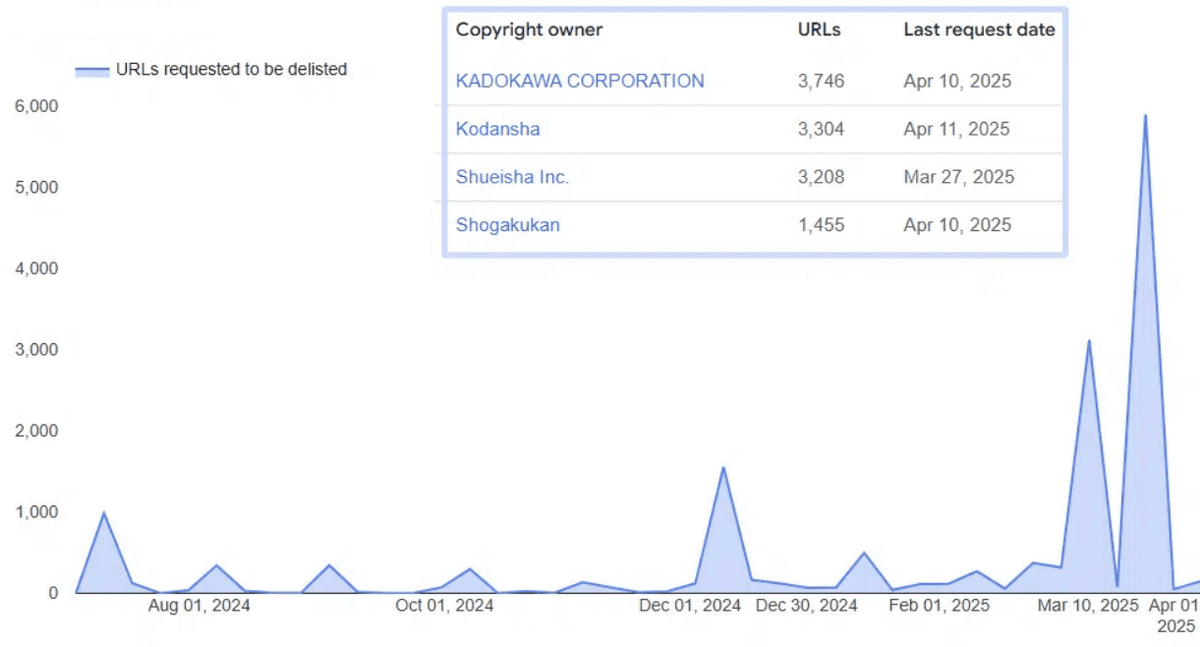
The manga site Shueisha accused of infringing on appeared in May 2024 and began to see a significant increase in hits around March 2025. Between March and April 2025, a total of more than 10,000 manga chapters from KADOKAWA, Kodansha, Shueisha, and Shogakukan were illegally published, and monthly hits reached 185 million in May 2025.
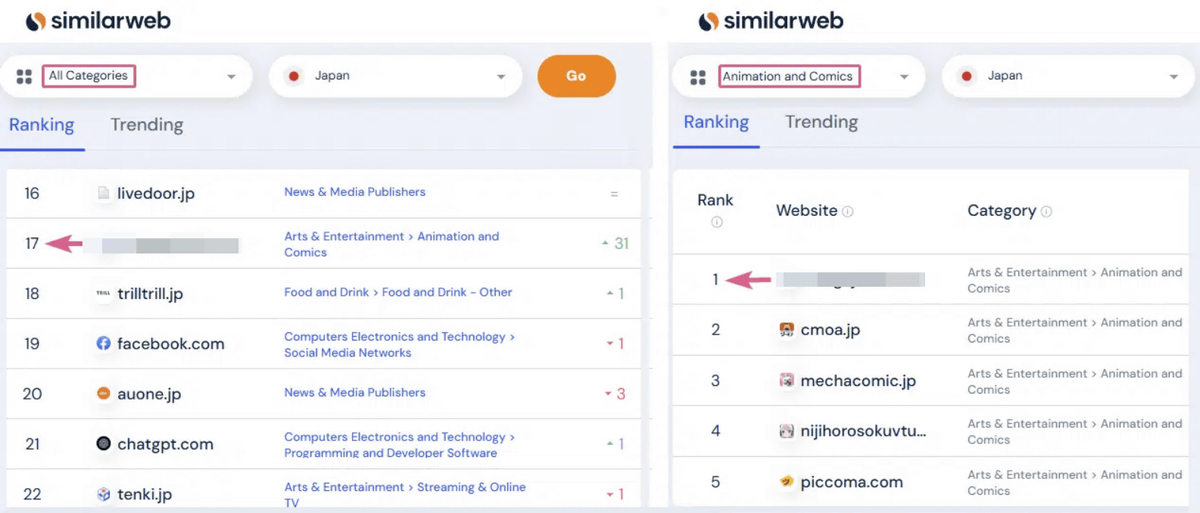
According to SimilarWeb, which analyzes web data, the number of visitors during that period was 17th, surpassing Facebook and ChatGPT, and in the 'Anime/Manga' category it was number one, surpassing major legitimate distribution sites.
Shueisha filed a DMCA subpoena in California federal court to compel hosting service Cloudflare to disclose the identity of the pirate site's operator. The DMCA subpoena was effective immediately, and the pirate site and associated domains were quickly taken down.
However, a court decision issued on February 2, 2026, partially denied Shueisha's request for a DMCA subpoena.
A DMCA subpoena is a system under which a court clerk can issue a subpoena to an ISP or platform to request the disclosure of a user's identifying information in order to obtain evidence of copyright infringement. Shueisha argued that the information needed to be disclosed was necessary, arguing that 'even if the site is shut down, it will be difficult to litigate if the operator's whereabouts remain unknown.' Meanwhile, the pirate site operator requested maximum privacy, with the information provided by Cloudflare being limited to 'Shueisha's outside counsel in the United States.' Therefore, even if disclosure of information based on a DMCA subpoena was approved, the issue of 'how much information should be disclosed' became a point of contention.

Judge Thomas S. Hixson of the California Federal Court of Appeals denied Shueisha's request for flexible disclosure, stating that the legally required affidavit states that the subpoena is 'used solely for the purpose of protecting rights under this Act,' and that Shueisha cannot use the identities of pirate site operators in copyright litigation in Japan or other foreign jurisdictions. According to Judge Hixson, DMCA subpoenas are strictly for allegations of copyright infringement based in the United States, and pirate site information obtained through DMCA subpoenas cannot be used in foreign litigation.
The lawyers for the pirate site operators had argued that Shueisha was circumventing the DMCA's restrictions by obtaining identifying information through DMCA subpoenas, filing 'pro forma lawsuits' in the United States to release the information, and then using that information in foreign lawsuits. Judge Hixson agreed, ruling that 'inappropriate use for other purposes is not permitted.'
The final order stipulates that Shueisha can disclose the names of the operators in its US court filings, while personal information such as contact and financial data will remain protected. While Shueisha's decision on the matter remains unclear at the time of writing, the case is gaining attention as an example of international legal efforts to combat copyright infringement.
Related Posts:








in Web Service, Posted by log1e_dh