A burnt and holed NVIDIA RTX 5070 Ti is paired with an AMD RX 580 and an NVIDIA RTX 2080 Ti to achieve an astounding record
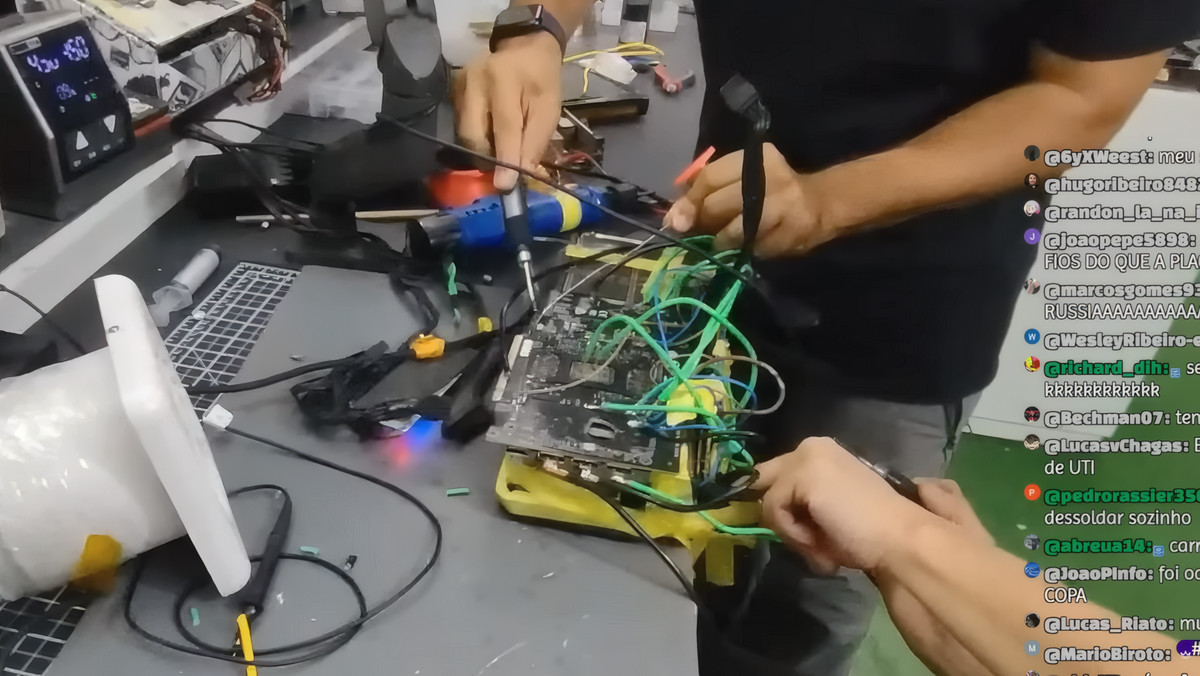
Brazilian YouTuber Paulo Gomes and ET's LGA1155 have managed to revive an
TESTANDO A RTX 5070Ti BURACO EDITION ft. @PauloGomesVGA - YouTube
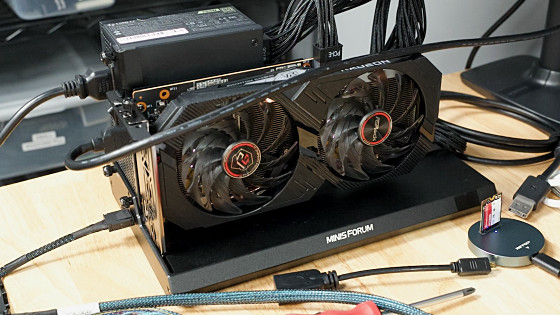
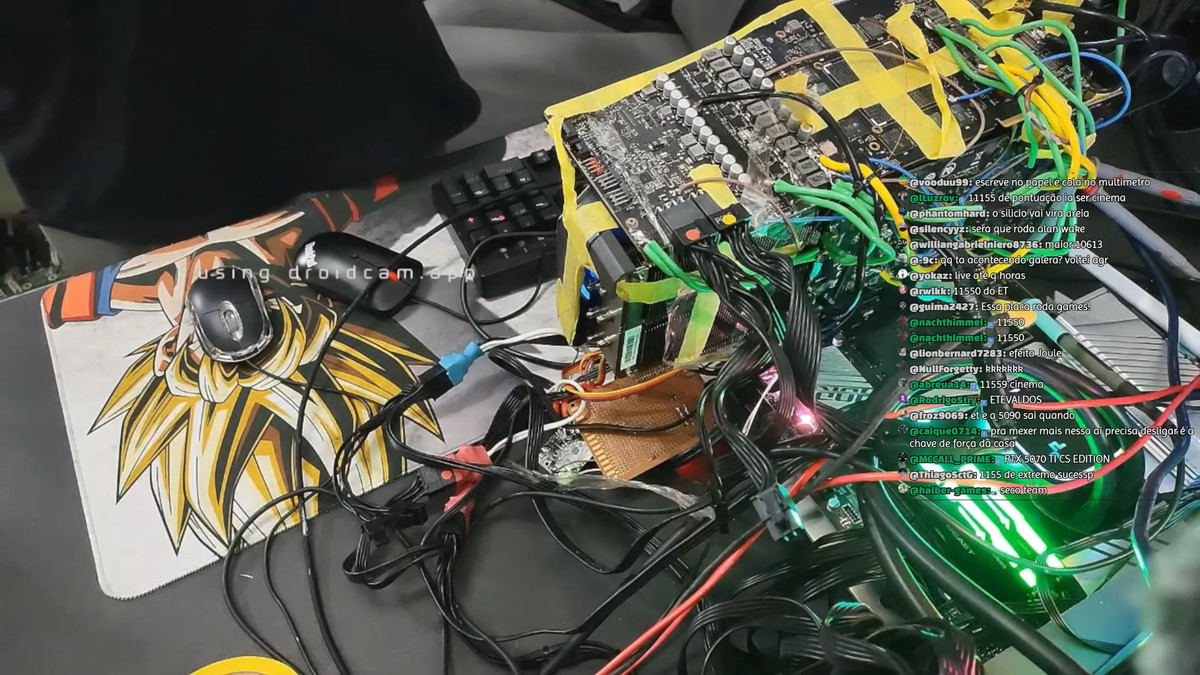
The RTX 5070 Ti graphics board was so damaged that it would normally be difficult to even start. The lightning surge burned and created a hole in the board, but the GPU core and VRAM were safe. Since the power supply system was the only thing affected, Gomez connected it to the power line of the AMD Radeon RX 580 board to make the RTX 5070 Ti board operational.
RTX 5070TI COM BURACO - EXPERIENCIA MALUCA DO CANAL. - YouTube
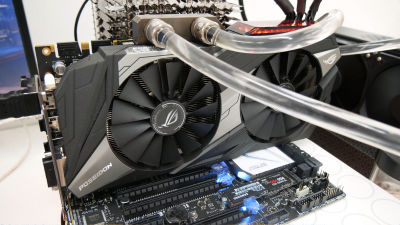
This time, with the help of ET's LGA1155, Gomez combined a modified RTX 5070 Ti + RX 580 with an ASUS RTX 2080 Ti board, and completed the card over seven hours.
There were many challenges during the modification process. Initially, performance was only at the RTX 3070 level, and due to limitations on the benchmark PC, only a 4-lane PCIe 4.0 connection could be used. In addition, a voltage drop of around 400mV occurred under load, but this was eventually reduced to around 30mV.
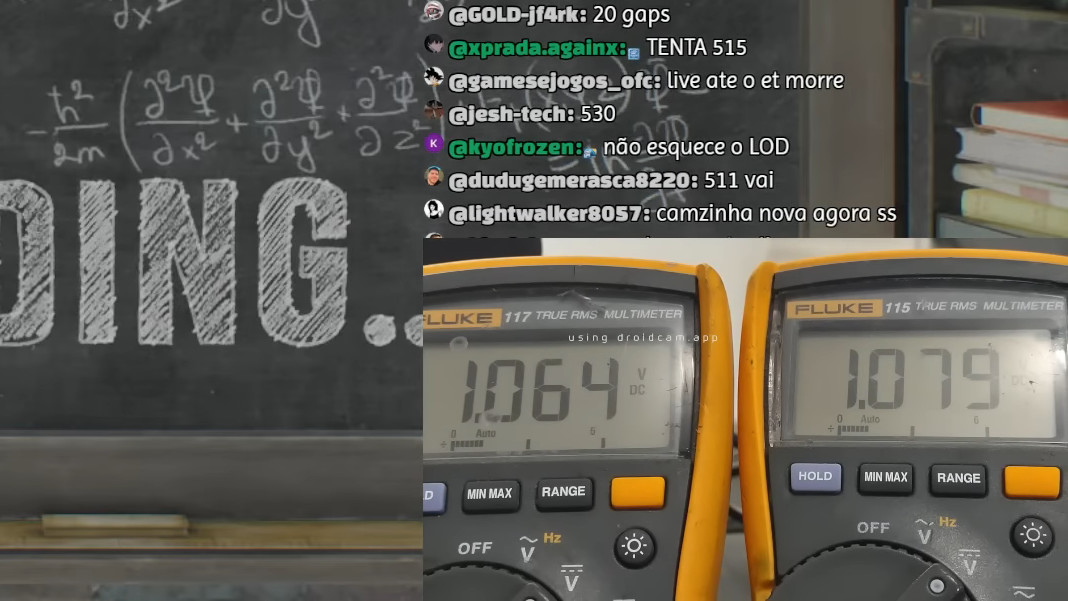
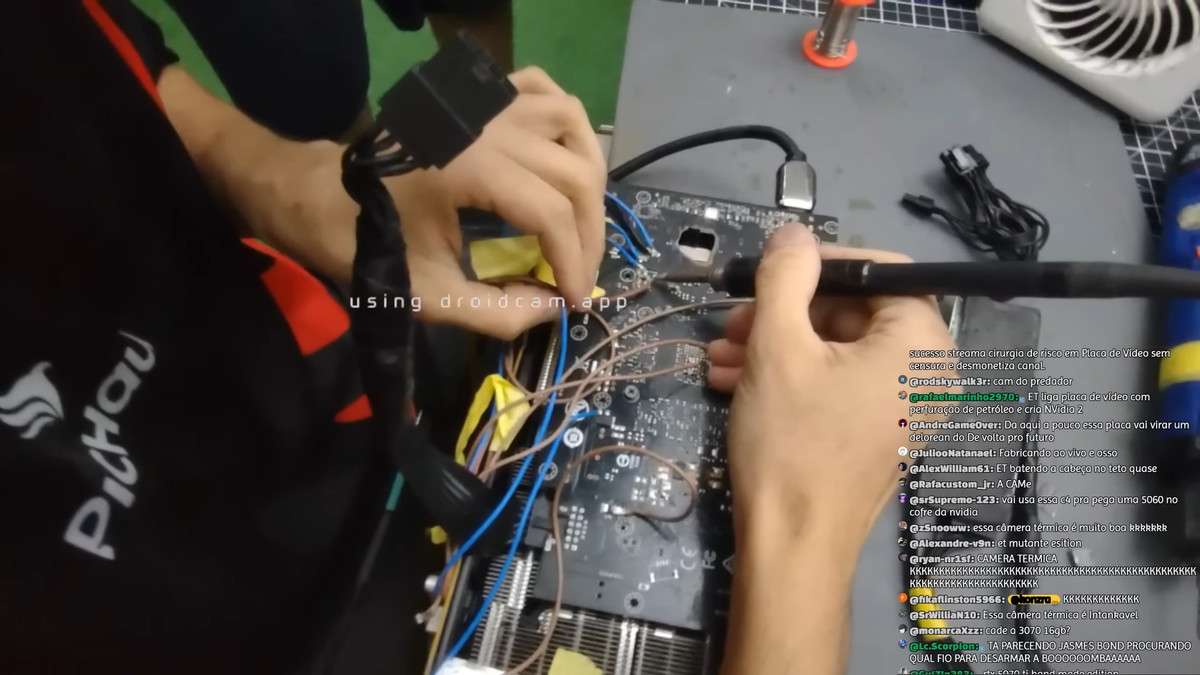
They also encountered problems with the 1080p display signal and driver conflicts, so to stabilize it, they soldered additional wiring to the power and ground paths between the PCB on the RTX 2080 Ti and the original RTX 5070 Ti.
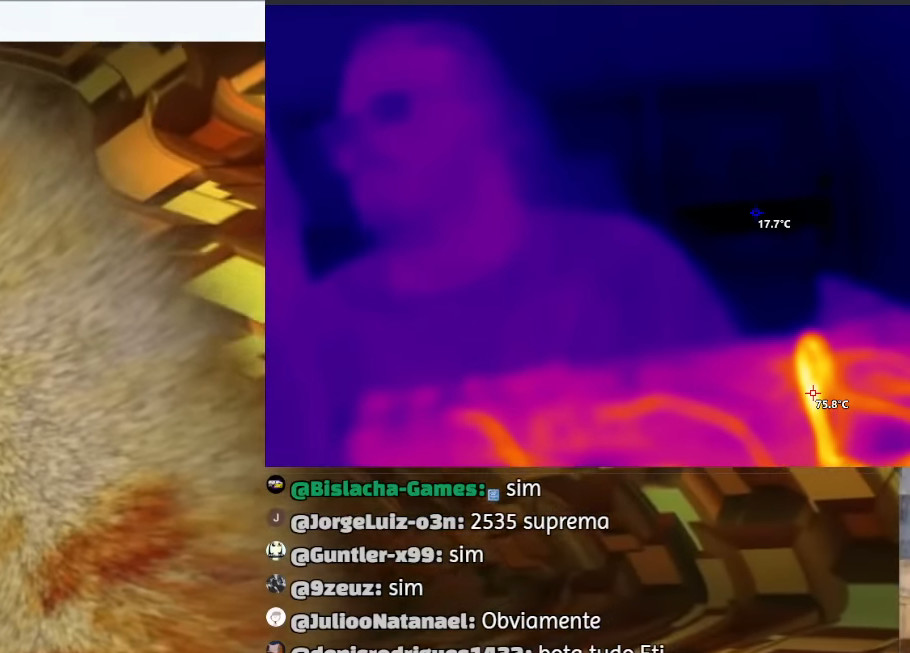
On the other hand, there were significant thermal risks, with temperatures spiking from 50°C to 80°C in just one second. During benchmarking, the 12V wiring quickly exceeded 70°C, eventually reaching nearly 100°C. Therefore, Gomez concluded that the modified RTX 5070 Ti is not suitable for the average gamer's home use. Some performance improvements were achieved by switching to a different benchmark PC, where bandwidth was doubled by switching from four PCIe 4.0 lanes to 16 PCIe 3.0 lanes.
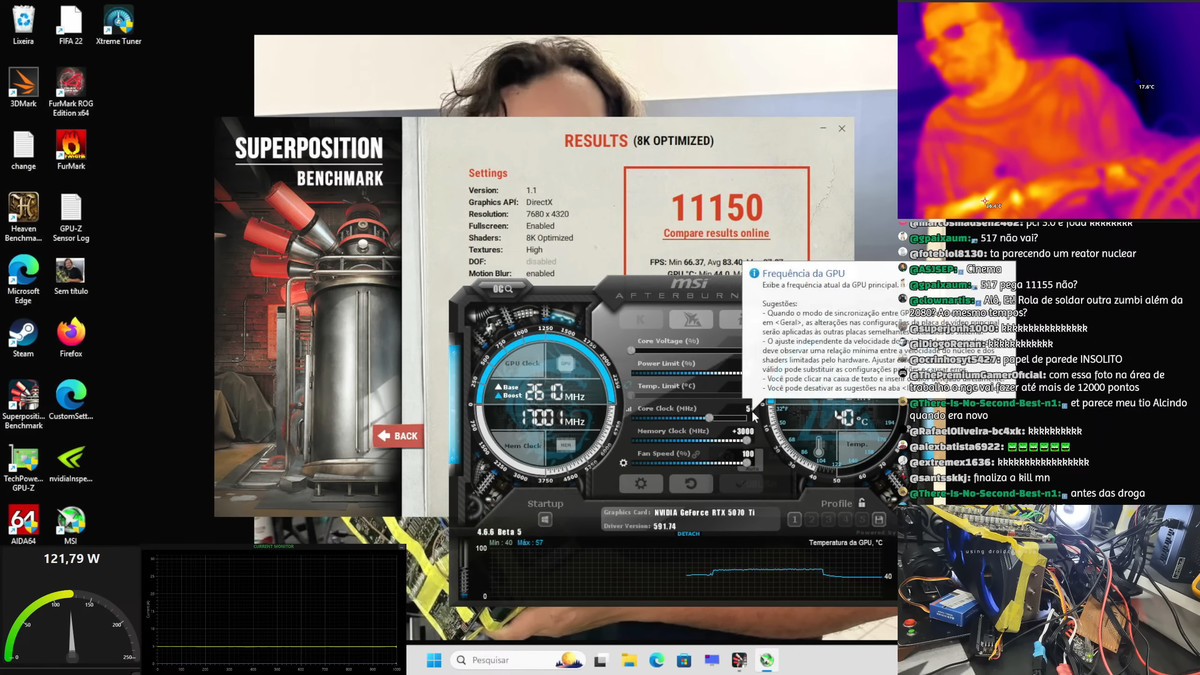
The finished product was noticeably affected by electrical tape and numerous solder joints, making it hard to describe as a neat modification, but it did work, achieving a maximum core clock of 3.23GHz and a memory bandwidth of 34Gbps.
We used Unigine's Superposition benchmark to measure the benchmark, and the final score was 11,150, making it the best-performing RTX 5070 Ti ever recorded using the tool.
'It's rare for a card with such physical damage to even work, and achieving top-tier benchmark results is a technical triumph,' says Tom's Hardware, a hardware news site. 'Reproducing this card is a technical triumph,' he says, adding that serious electrical engineering knowledge is required.
Related Posts: