AI analyzes 100 million Hubble Space Telescope image archives in just 2.5 days and identifies over 1,300 anomalous objects
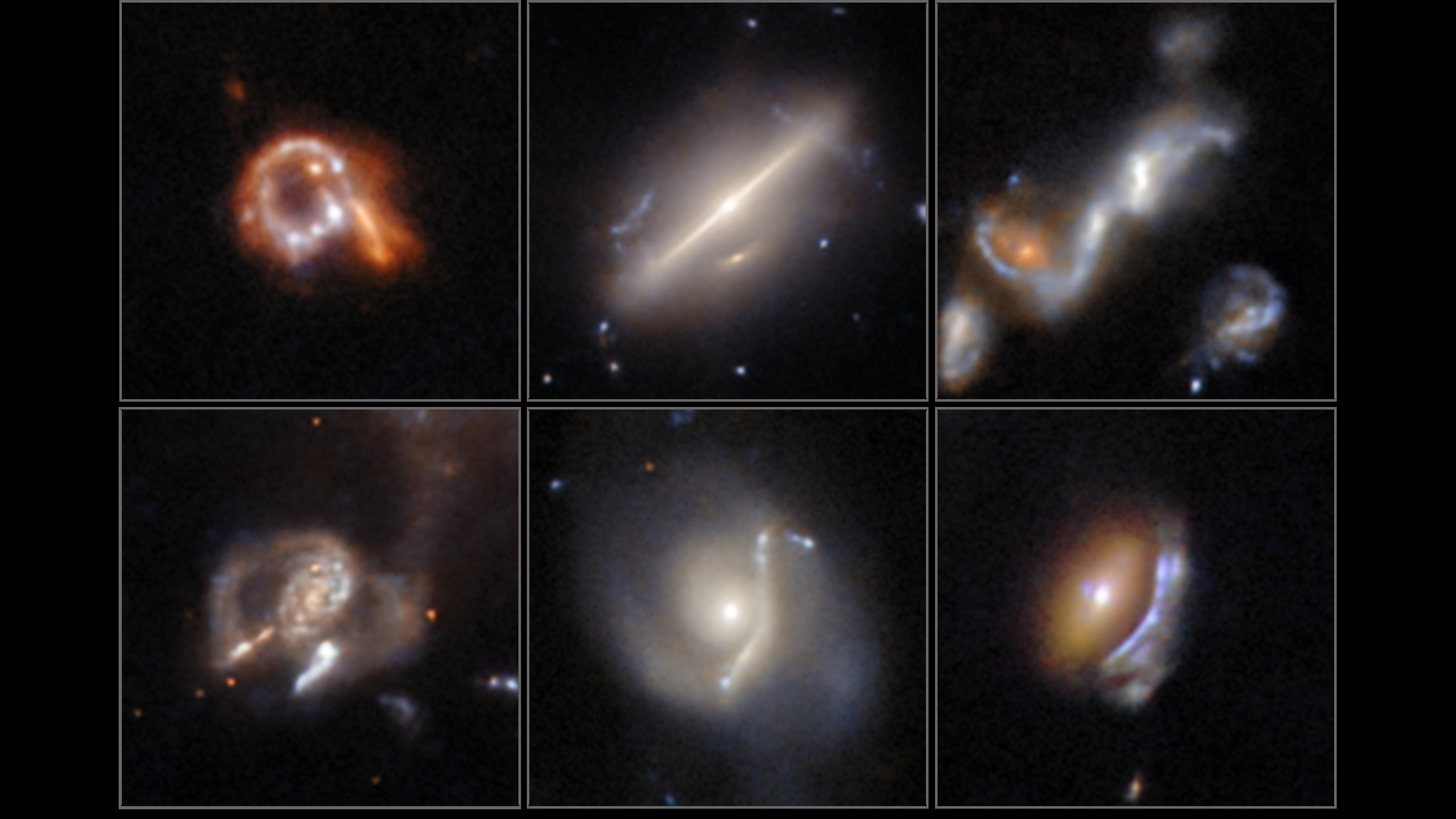
A joint research team from the European Space Agency (ESA) and the National Aeronautics and Space Administration (NASA) announced that they used the AI model '
Researchers discover hundreds of cosmic anomalies with help from AI | ESA/Hubble
https://esahubble.org/news/heic2603/
AI Unlocks Hundreds of Cosmic Anomalies in Hubble Archive - NASA Science
https://science.nasa.gov/missions/hubble/ai-unlocks-hundreds-of-cosmic-anomalies-in-hubble-archive/
Space Sparks Episode 22: Researchers discover hundreds of cosmic anomalies - YouTube
Developed by ESA researchers David O'Ryan and Pablo Gomes, AnomalyMatch is a neural network that mimics the way the human brain processes visual information and is trained to detect rare and unusual celestial objects by recognizing patterns in the data.
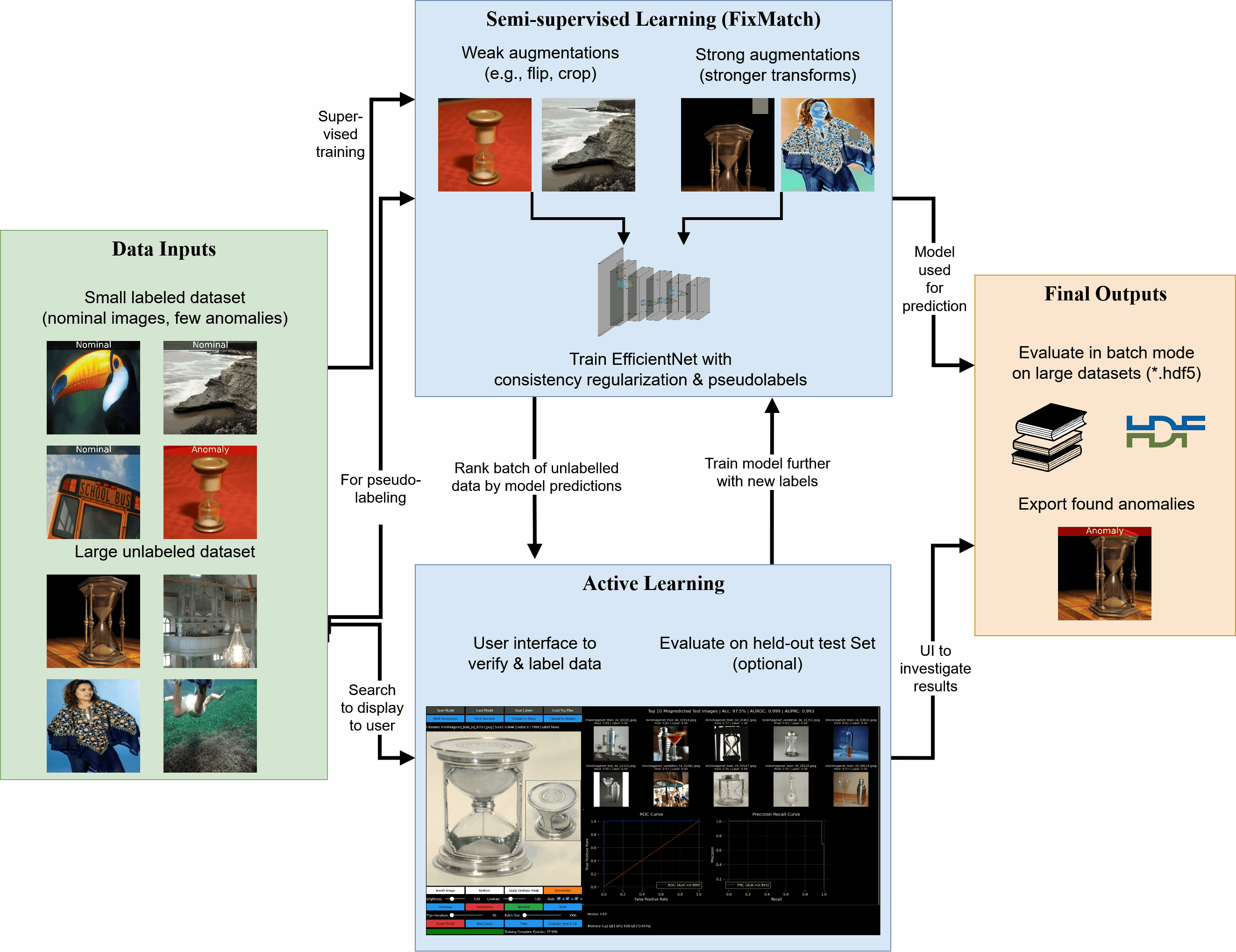
The task of searching for anomalies in the vast amount of observational data accumulated by the Hubble Space Telescope over 35 years was far too large for experts to do manually, but the introduction of AnomalyMatch has made it possible to systematically search the entire archive for the first time.
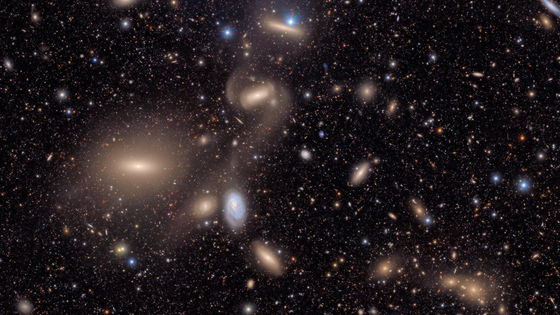
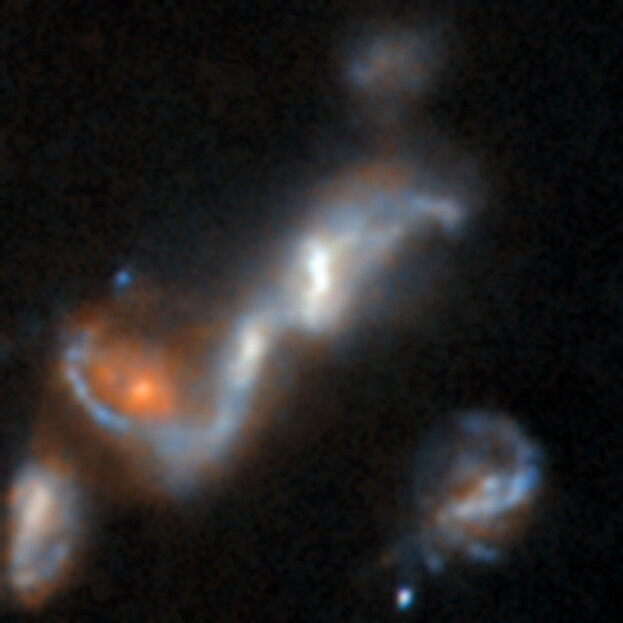
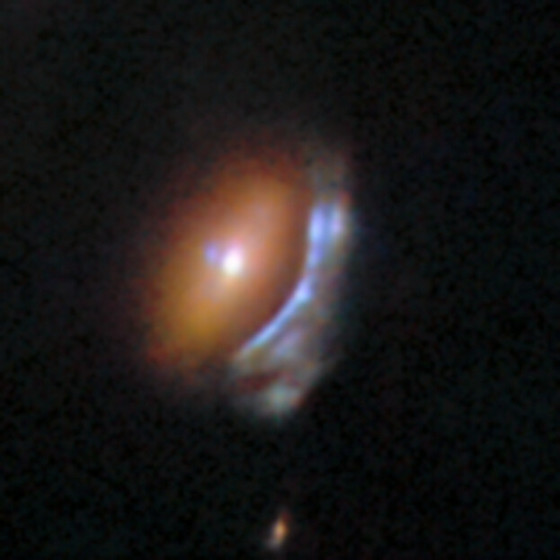
The 'anomalous objects' identified were diverse. Many of the discovered objects were galaxies in the process of merging or interacting with one another, exhibiting distorted shapes different from those of normal galaxies and long, elongated streams of stars and gas that resemble tails. Gravitational lensing, in which the gravity of a foreground galaxy distorts space-time and bends the light of background galaxies into arcs or rings, was also observed in numerous instances.
Other discoveries include a 'jellyfish galaxy' with gas extending like tentacles, and an unusual celestial object that looks like a hamburger when viewed edge-on from a planet-forming disk. Of particular note is the fact that dozens of objects have unknown shapes that do not fit into any existing classification system.
The research team believes this is the first systematic search for anomalous objects in the entire Hubble Legacy Archive. While citizen science has helped with classification, there are limitations as the archive grows in size. They emphasize the importance of combining AI sifting with expert review.
Looking ahead, ESA expects even more data to be collected from space telescopes and wide-field surveys, and similar AI tools will be key to navigating the deluge of data. ESA says the massive amounts of data collected by Euclid , the soon-to-be fully operational Vera Rubin Observatory , and the Nancy Grace Roman Space Telescope, scheduled for launch by May 2027 at the latest, will lead to the discovery of undiscovered phenomena and unprecedented celestial objects.
Related Posts: