The spread of 'dry-loving mold' is threatening museums and art galleries
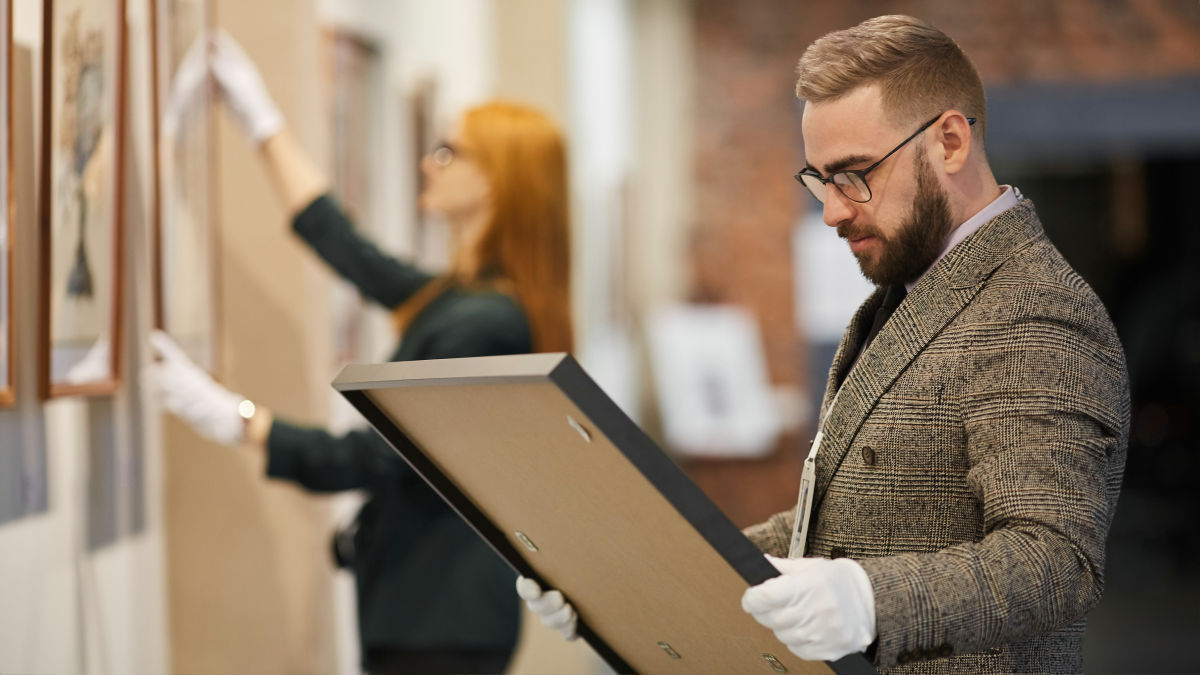
Mold is a thorny issue for art galleries and museums, and many institutions have established protocols to prevent mold growth by keeping humidity low and maintaining dry conditions. However, in recent years, a new type of mold that thrives in dry conditions has been spreading, and Danish freelance journalist
How extremophile molds are destroying museum artifacts | Scientific American
https://www.scientificamerican.com/article/how-extremophile-molds-are-destroying-museum-artifacts/

Mold is generally believed to thrive in humid environments, so art galleries and museums invest in equipment to reduce humidity. Mold is a major scandal in the museum industry, and even a rumor that a museum is experiencing a mold infestation can be devastating and can result in the museum being excluded from traveling exhibitions. For this reason, even if a mold infestation does occur, it is often kept secret from the public, and preservation teams commissioned to remove the mold sign confidentiality agreements before confirming the extent of the damage.
But in recent years, conservators and academic researchers have begun discussing the spread of mold in museum repositories, monastery archives, and cathedrals. Brown says that these discussions have highlighted the existence of mold that thrives in dry places, places long thought to be protected from mold.
These molds, known as 'xerophilic' because they prefer dry conditions, can survive in harsh, dry environments such as volcanic calderas and deserts, and they thrive on surfaces of cultural heritage such as canvas and wooden artifacts. Flavia Pinzali, a mycologist at the Italian National Research Council, pointed out that museums and other institutions have accidentally created environments favorable for xerophilic molds by trying to protect their collections from mold. 'All the rules on conservation didn't take these molds into account,' she said.
For example, Leonardo da Vinci 's 'Self-Portrait' in the Royal Library of Turin, Italy, has bruise-like stains, and the walls of Tutankhamun's burial chamber in Luxor, Egypt, also have brown stains. These are said to be the result of the growth of xerophilic mold.

by Wikimedia Commons
In 2012, Camilla Juhl-Basholm, chief conservator at
These spots appeared to be the result of chemicals sprayed to prevent insects and mold, but Bathholm recalled seeing similar spots when he worked as a contract conservator in another storage facility. A colleague who had been in the storage facility with him for eight hours at the time showed early flu-like symptoms, including watery eyes and headaches, which led Bathholm to suspect that these symptoms were due to mold.
After further investigation, it was discovered that similar white spots were found on roughly half of the items stored in the Roskilde Museum's warehouse. Furthermore, two museum staff members were also showing flu-like symptoms similar to those experienced by Bathholm's colleague, which led the museum staff to believe that mold had been growing. Finally, in 2017, it was discovered that the white spots on the items were a closely related species of xerophilic mold called Aspergillus restrictus .
Around the same time that Bathholm discovered the xerophilic mold in the Danish museum, Pinzari of Italy was investigating the problem of white mold in libraries and archives in Rome and Genoa. While all of these affected facilities had adequate air conditioning, they all shared a common feature: they used mobile shelving systems known as 'compact units.' These units consist of refrigerator-sized shelves that slide on rails, making each unit space-saving and airtight. Pinzari was unable to grow white mold on any fungal culture medium he used, but under a high-powered microscope, he was able to identify numerous fibrous tendrils characteristic of Aspergillus restrictus.
Aspergillus halophilicus , a species of Aspergillus restrictus identified in Denmark and Italy, utilizes salt crystals when its spores adhere to waterless environments. Because salt is highly effective at absorbing moisture from the air, Aspergillus halophilicus forms salt-rich exopolymers, forming a moist layer that prevents tissue drying. The inside of the compact unit provides a stable environment with no air disturbances, allowing Aspergillus halophilicus to grow stably by forming polymers.
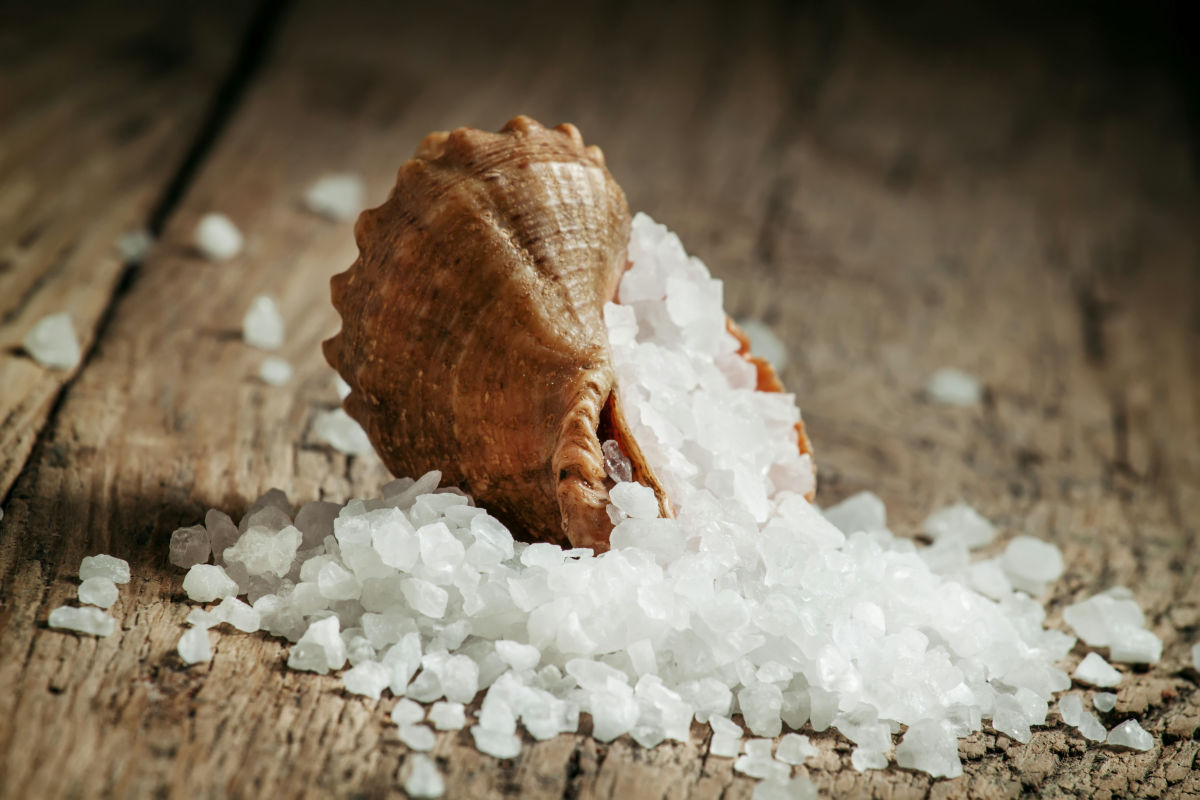
From a conservator's perspective, xerophilic molds such as Aspergillus halophilicus can feed directly on objects such as egg-based
The existence of xerophilic molds has been known for some time, and in the 1980s, Hideo Arai , a researcher emeritus at the National Research Institute for Cultural Properties in Tokyo, began using a low-moisture active medium to isolate xerophilic molds from cultural properties. In 1984, Arai discovered xerophilic molds in the murals of Byodo-in Temple in Uji, Kyoto, and in 1993, he successfully identified molds growing in the tomb of King Tutankhamun.
However, experts have long believed that contamination by xerophilic molds is rare. Brown attributes this to the difficulty of obtaining the low-moisture active media used to detect xerophilic molds. 'You can't buy low-moisture active media industrially; no one makes it,' Bathholm says. 'If you want to detect these xerophilic molds, you have to work with a research lab.'
In addition, Brown argues that the presence of xerophilic molds may be difficult to detect because 'by the time museum staff notice mold infestations, the xerophilic molds may already be dead.' For example, when Aspergillus halophilicus grows in harsh environments, other molds may use the tissue of the dead Aspergillus halophilicus to grow. In other words, some xerophilic molds may function as 'pioneers' for reproduction, attracting other molds.
'The damage caused by xerophilic mold is much more widespread than we thought,' Pinzari said.
When museums found damage to their collections, they would previously resort to large-scale antibiotic spraying or chemical fumigation , but these methods risk encouraging the growth of new microorganisms or damaging the collection itself. Therefore, experts say the only way to prevent mold growth is to isolate the moldy artwork, vacuum up the most severe mold, and, if possible, treat it with ethanol.
Ultimately, Bathholm implemented this treatment at Roskilde Museum, and in 2025, a small group of conservators donned protective gear and began caring for the museum's collection. The group is currently examining over 100,000 items, ranging from oyster shells to paintings and carriages, inspecting them for mold and removing any dirt or dust. While most of Roskilde Museum's important archaeological treasures, including Stone Age and Viking artifacts, have escaped contamination, some have had mold growing on their boxes, and some items, such as 'moldy fish skin,' are problematic.
To prevent the spread of xerophilic mold, museums must first put aside prejudices about mold, promote information sharing and research, and gain a deeper understanding of the mold's basic biological characteristics. After publicizing the xerophilic mold outbreak at Roskilde Museum, Basholm received messages from institutions around the world, including in Europe, the United States, Pakistan, Israel, and Asia, about suspected xerophilic mold outbreaks that had not been publicized.
In order to write this article, Brown conducted a survey of major European art museums asking, 'Have you recently experienced mold infestations on your collections?' However, many museums did not respond.
Related Posts: