What are the results of asking five experts whether AI can help eliminate 'writer's block,' which causes writing slumps and stagnation?

While some studies have shown that using AI in creative writing
Would you use AI to break writer's block? We asked 5 experts
https://theconversation.com/would-you-use-ai-to-break-writers-block-we-asked-5-experts-271627
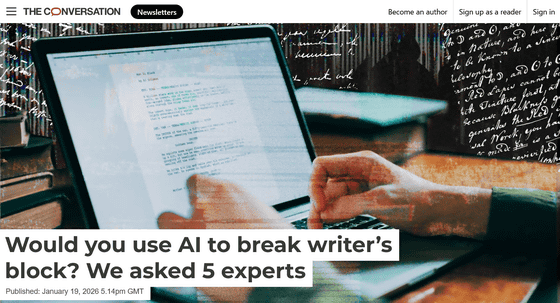
When working creatively, writers can experience writer's block, where they just can't think of one more sentence or a new story or episode. While each person has their own way of overcoming writer's block, some cases can be resolved by communicating with others, such as by consulting with others or discussing unrelated topics to expand on ideas. A similar effect can be expected from communicating with AI, and Nigel Newton, founder and CEO of Bloomsbury Publishing in the UK, said , 'AI will aid creativity, helping writers overcome their slumps.'
When asked whether AI can be used to overcome writer's block, Nicola Redhouse, a lecturer in publishing editing at the University of Melbourne, replied, 'I don't want to use AI to generate text or to get ideas for plot or structure.' According to Redhouse, AI fundamentally lacks the ability to generate 'unique associations' at the level of meaning, ideas, and words. Unique associations are the lifeblood of good writing, and they are the 'individuality' that distinguishes your writing from others'. Therefore, relying on AI can lead to 'commonplace writing,' Redhouse said.
Christopher Lees, a writer and doctoral student in creative writing at the University of New England, didn't mention using AI to generate text, but he pointed out that AI can help with ' visual accessibility.' Aphantasia, the inability to close your eyes and visualize people or scenes in your head, can be a major creative hindrance. By inputting text and using AI to generate images, he can more firmly capture the atmosphere of his ideas. 'Technology is helping me find my voice again,' Lees said.
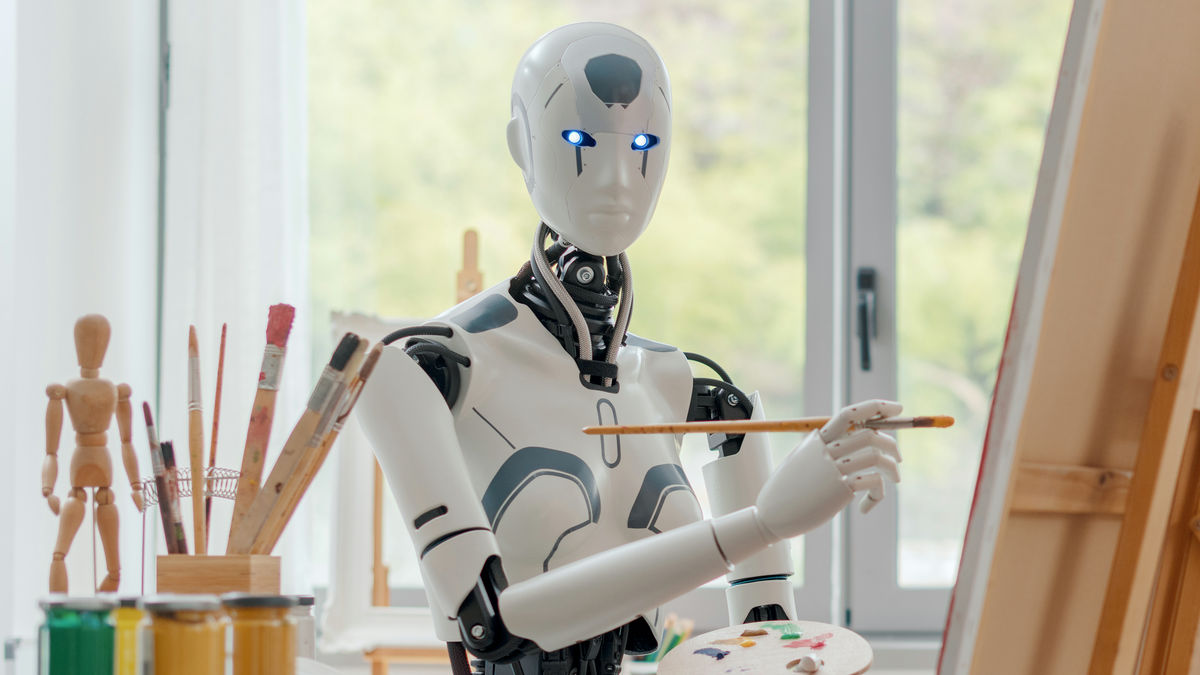
Seth Robinson, a writer and lecturer in creative writing at the University of Melbourne, explicitly rejects the use of AI to alleviate writer's block for 'ethical reasons.' Robinson warns that AI is fraught with ethical issues, as it may have been trained on unauthorized or pirated works, and that using text generated by AI could be complicit in plagiarism. 'So, while this may change in the future if ethically compliant AI emerges, today's AI doesn't inherently offer opportunities for creativity or collaboration,' Robinson said.
Sally Breen, an associate professor of creative writing at Griffith University, says that 'interacting with AI' can be beneficial not only for relieving writer's block but also for creative expression. Breen previously experimented with a 'call-and-response' approach in a collaborative art project, where participants responded to images generated by AI. She described the experience as a 'disturbing yet fascinating collaborative experience.' 'When your imagination is projected into an AI-generated world, it becomes a dialogue that forces you to consider whether it's the dark side of the algorithm or your own inner self,' she said.
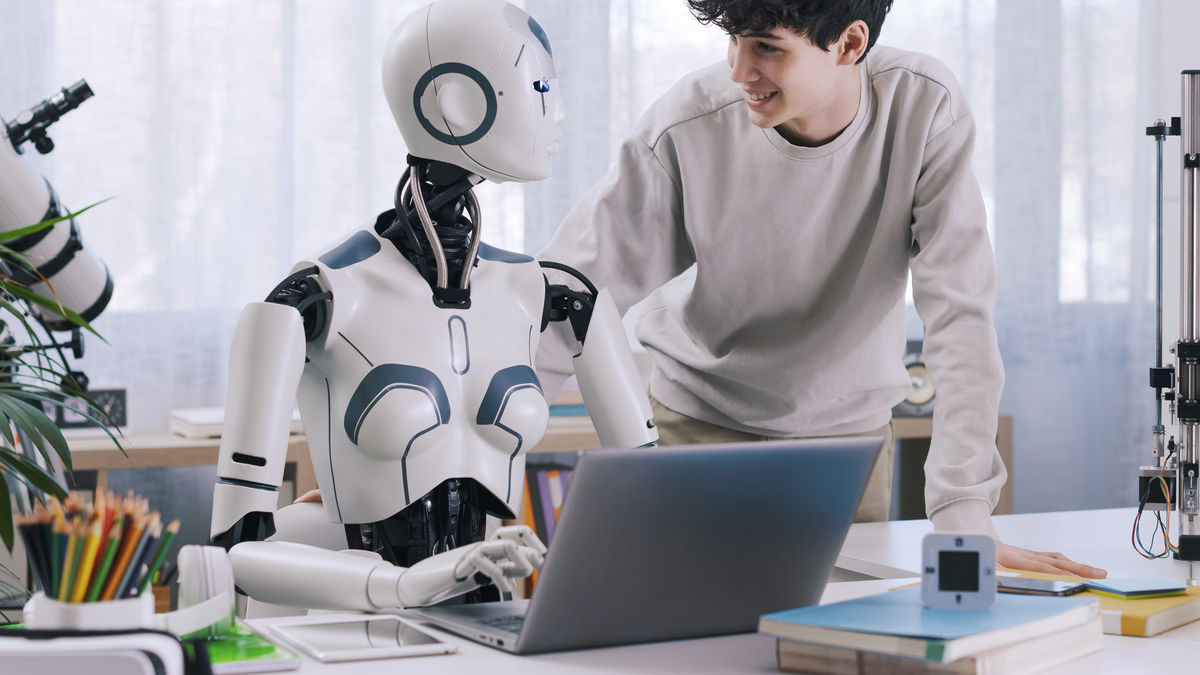
Ariella Van Lewin, a senior lecturer in creative writing at the University of New England, said she supports using AI to overcome writer's block, but only under certain conditions. While AI-generated texts can broaden creativity by showing the differences between humans and machines, they also have certain biases and limitations, so they need to be modified using human experience. Therefore, Van Lewin pointed out, 'AI should be used only after all other options have been exhausted.'
Related Posts: