Man suffers seizures when trying to solve Sudoku

Seizures From Solving Sudoku Puzzles | Epilepsy and Seizures | JAMA Neurology | JAMA Network
https://jamanetwork.com/journals/jamaneurology/article-abstract/2456131
Diagnostic dilemma: A man's sudden seizures were set off by sudoku | Live Science
https://www.livescience.com/health/mind/diagnostic-dilemma-a-mans-sudden-seizures-were-set-off-by-sudoku
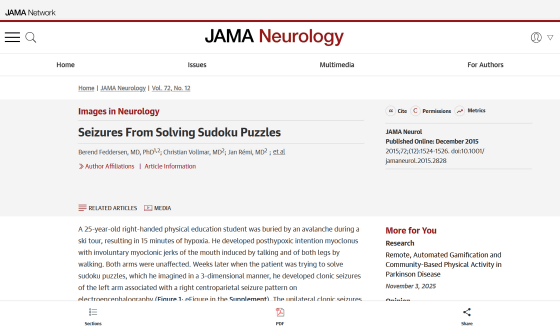
In November 2008, a 25-year-old German man was caught in an avalanche while skiing and was buried alive for 15 minutes before being rescued by a friend. The man suffered from hypoxia due to being buried alive, but he survived and was taken to hospital.
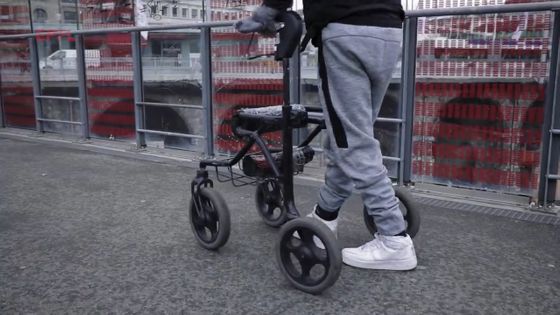
The man suffered motor impairments due to hypoxia, and uncontrollable muscle spasms in his legs and mouth occurred when he walked or spoke. After treatment for his injuries, he moved to a rehabilitation facility and began working on Sudoku, a hobby he had enjoyed before the accident.
However, when the man tried to solve Sudoku puzzles, he experienced repeated spasms in his left arm ( clonic seizures ). The spasms stopped when he stopped solving Sudoku puzzles, so doctors performed a brain scan to better understand what was happening to the man.

First, electroencephalography (EEG) measuring brain surface activity revealed that the patient's brain exhibited a right-sided and centro-parietal seizure pattern, meaning that the seizures were originating from the central region of the right hemisphere and
The doctors then performed functional magnetic resonance imaging (fMRI), which tracks brain activity using blood flow, while the man solved the puzzle. The fMRI results showed widespread brain activation, with particularly strong activity in the central parietal lobe.
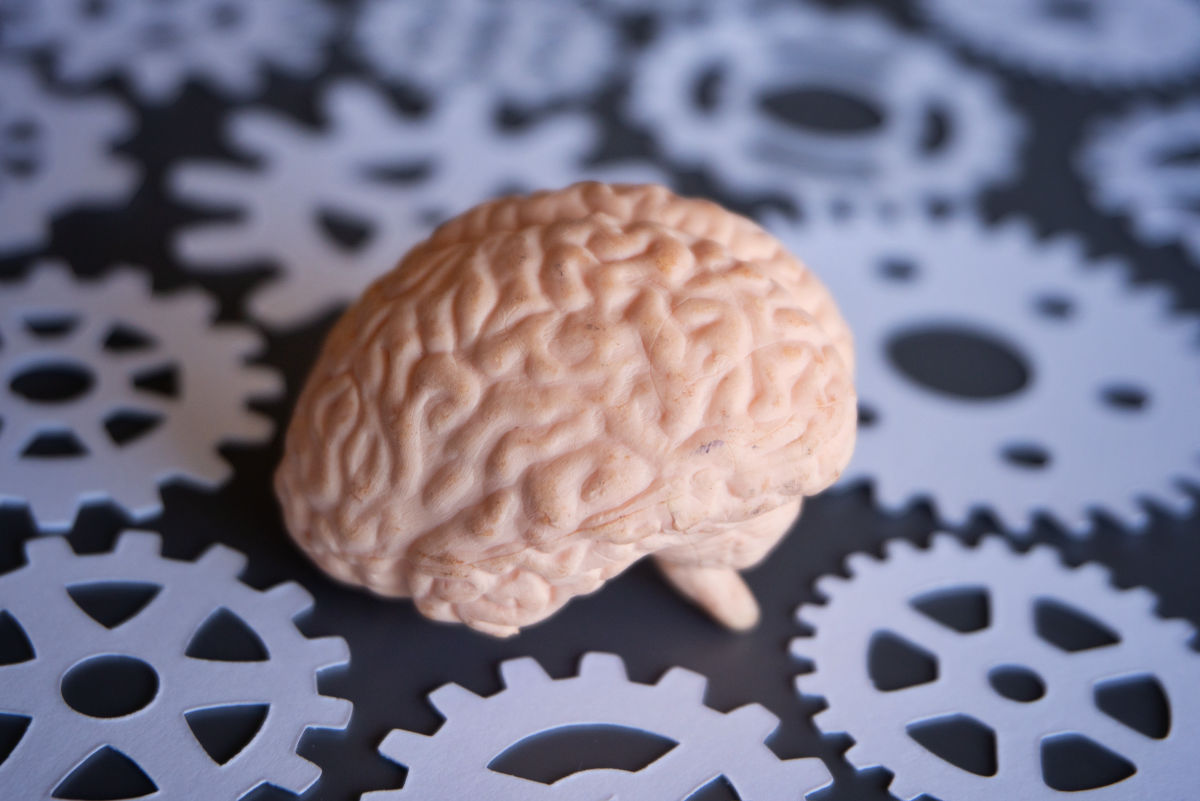
Further detailed examination using diffusion tensor imaging , which maps the brain's white matter fibers , revealed a reduction in inhibitory fibers in this brain region, likely due to the hypoxia caused by the avalanche.
The loss of white matter fibers that inhibit brain activity meant that nerve activity in the man's left arm was three times higher than normal, leading doctors to conclude that overactivity in the central parietal lobe was causing the reflex seizures .
Reflex epilepsy is a condition in which seizures are triggered by specific stimuli, such as light or sound. When solving Sudoku, the man imagines the numbers in a three-dimensional space and arranges them in order, and this 'three-dimensional image' is thought to have triggered the seizures. The man did not experience seizures when performing tasks such as reading, writing, or arithmetic, but seizures were triggered when given a visuospatial task, such as 'arranging randomly arranged numbers from smallest to largest.'
The man was prescribed anti-epileptic medication and became seizure-free. As of 2015, he had been seizure-free for over five years, and physical therapy had reduced the spasms he felt when walking and speaking. However, he said he began to avoid solving Sudoku puzzles.
Related Posts:


in Free Member, Science, Posted by log1h_ik