Ultrasound-based cancer liquefaction treatment emerges, destroying tumors without surgery
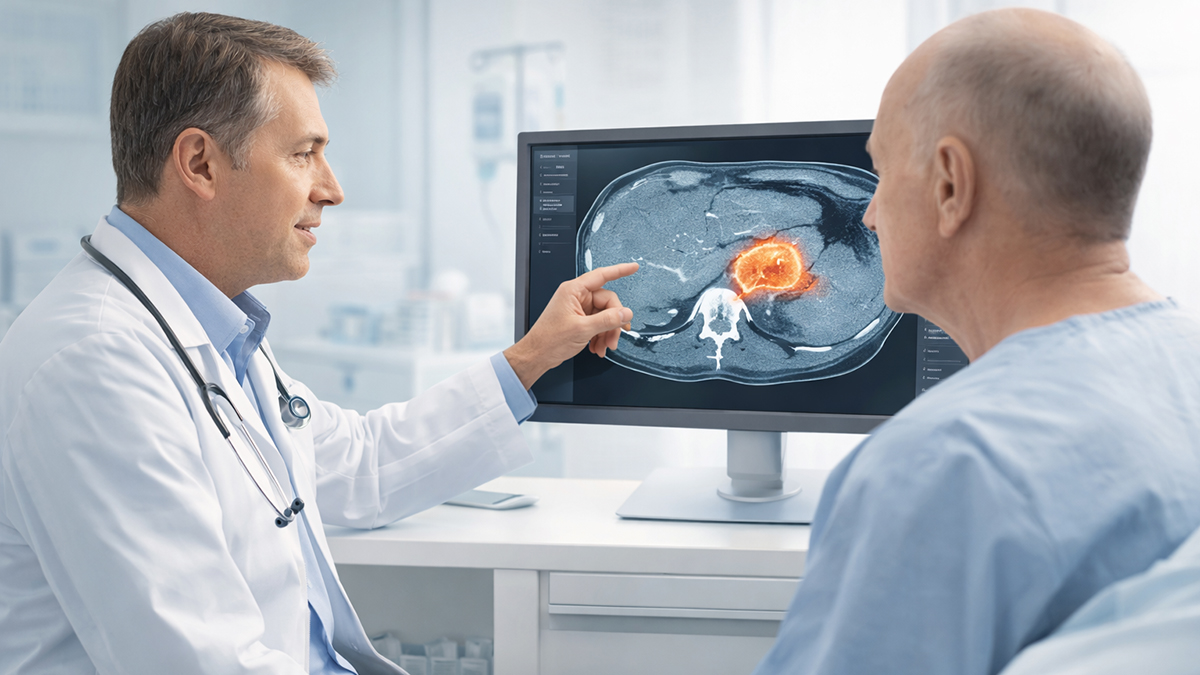
While cancer treatments typically involve surgery, radiation therapy, and chemotherapy, there is ongoing research into non-invasive techniques that target tumors without incising the body. One such approach, histotripsy , uses focused ultrasound to mechanically destroy tumor tissue, as reported in IEEE Spectrum, a specialized publication covering the fields of engineering, medicine, and science and technology.
Ultrasound Cancer Treatment: Sound Waves Fight Tumors - IEEE Spectrum
Histotripsy is a treatment that uses focused ultrasound waves from outside the body to rapidly create and collapse gas bubbles inside tumors, generating mechanical forces that destroy cancer cells. The tumor tissue is broken down into small particles, liquefied, and then removed by the body's natural processes. Unlike traditional ablation treatments, which use heat to burn tissue, histotripsy is designed to minimize heat buildup.
The background to this idea is cavitation , which has long been avoided in medical ultrasound. Cavitation is a phenomenon in which bubbles are generated and collapse due to pressure changes. It was difficult to control the location and size of cavitation, and it was thought that there was a risk of it affecting surrounding healthy tissue. In the early 2000s, researchers at the University of Michigan in the United States began research, thinking that if they could control this cavitation, it could be used to destroy tumors.

Researchers at the University of Michigan, led by Zeng Xu, demonstrated that by irradiating high-power ultrasound in very short pulses with long intervals between pulses, they could induce the formation and collapse of bubbles while suppressing heat buildup. Under these conditions, the mechanical forces of cavitation are concentrated in the targeted tissue, minimizing the impact on surrounding tissue.
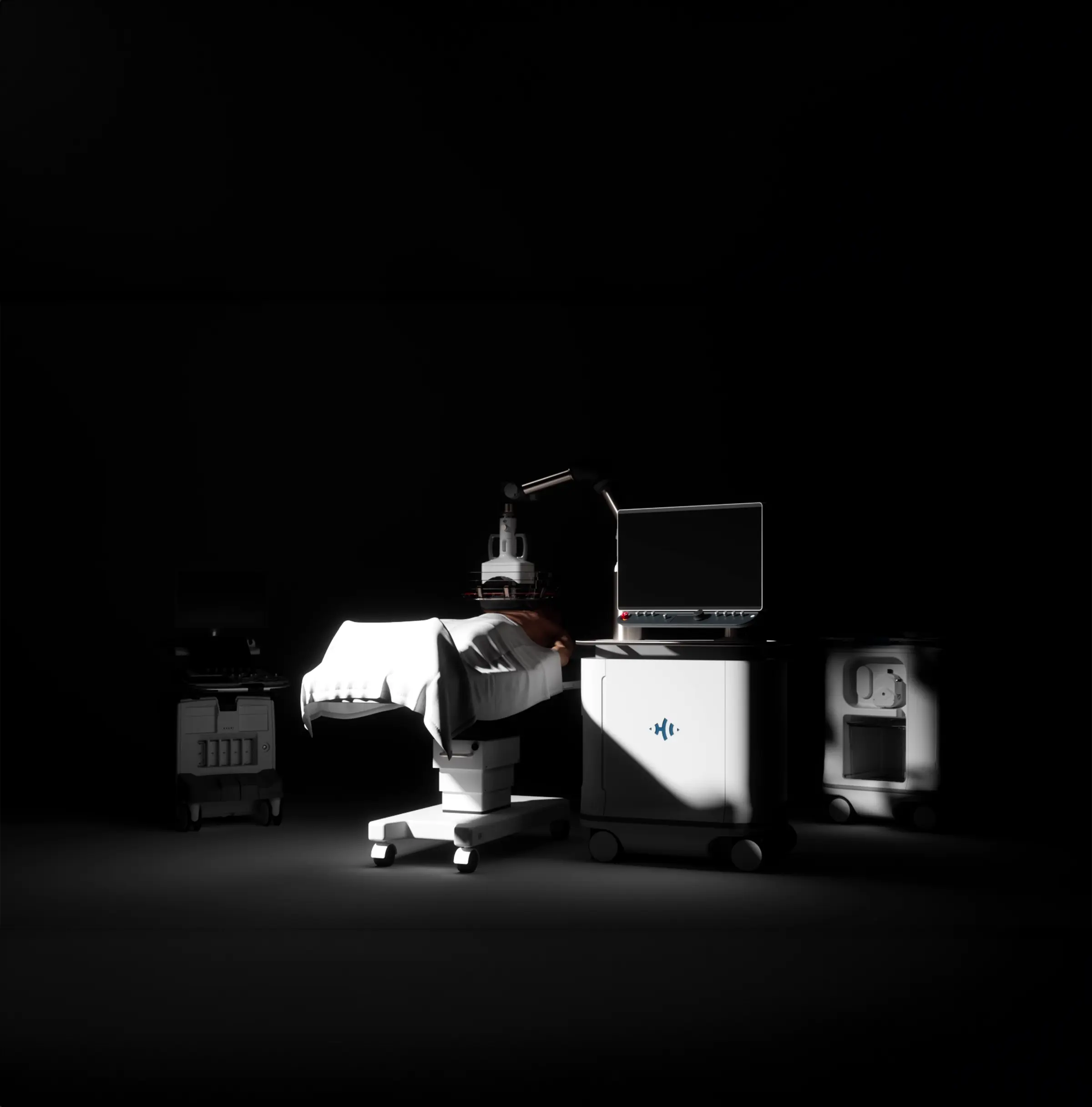
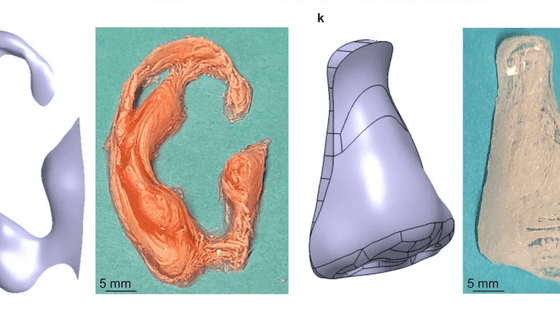
'It's a multidisciplinary system that integrates physics, biology, and biomedical engineering,' said Bradford Wood, an interventional radiologist at the National Institutes of Health (NIH). He added that, depending on the adjustments, it may be possible to treat tumors while leaving their internal blood vessels and fibrous tissue intact.
Histotripsy is being considered for use not only in liver tumors, but also in kidney cancer and pancreatic cancer, which is often already advanced at the time of diagnosis and difficult to surgically remove. 'The initial results are significant, showing that focused ultrasound can destroy tumors deep within the pancreas and that patients can tolerate the procedure,' said Tatyana Kokhlova, an ultrasound researcher at the University of Washington. 'To maximize the benefits of histotripsy, combining ablation of the primary pancreatic tumor with other treatments will be key.'
Histotripsy is unique in that it destroys tumors mechanically rather than thermally. Researchers believe that physically destroying tumors leaves behind fragments of cancer proteins that may be recognized by the immune system. For this reason, they are also conducting research to determine what kind of immune response occurs when histotripsy is combined with immunotherapy.
HistoSonics CEO Mike Blue said the company is working on new technologies in addition to its current equipment, including a new guidance system that uses a form of X-ray, and a feedback system that analyzes the reflections of therapeutic ultrasound to detect the progress of tissue destruction and display that information in real time.
Related Posts:


in Science, Posted by log1b_ok