What is the reason behind the sudden rise in sales of cassette tapes, which were once on the verge of disappearing?
Cassette tapes are making a comeback. Yes, really
https://theconversation.com/cassette-tapes-are-making-a-comeback-yes-really-268108
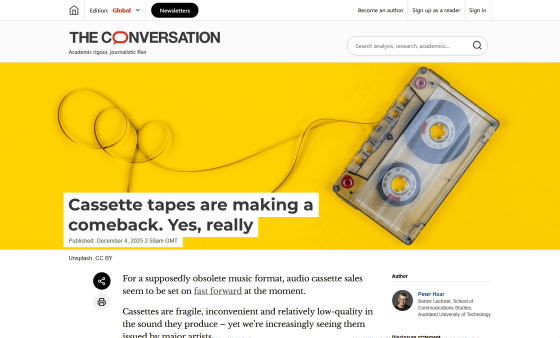
Cassette tapes reached their peak from the mid-1980s to the early 1990s, with an estimated 500 million cassette tapes sold in Japan alone in 1989. However, with the advent of CDs and the spread of subscription services, demand for cassette tapes declined, and they began to end up on the shelves of second-hand stores and in landfills.
However, cassette tape sales have been increasing over the past decade. According to the British Phonographic Industry , cassette tape sales in 2022 reachedtheir highest level since 2003. In the US, cassette tape sales in the first quarter of 2025 jumped 204.7% year-on-year .
Artists have also turned to cassette tapes, with many famous artists releasing music on cassette, including Taylor Swift, Billie Eilish, Lady Gaga, Charli XCX, The Weeknd, and Royel Otis.
While many news reports have been circulating about the cassette tape's comeback, Hoar believes it's not yet fully back in vogue. In fact, sales were far higher in the 1980s and 1990s, with 436,400 cassettes sold annually in the US in 2023, still far short of the 440 million sold annually in the 1980s.
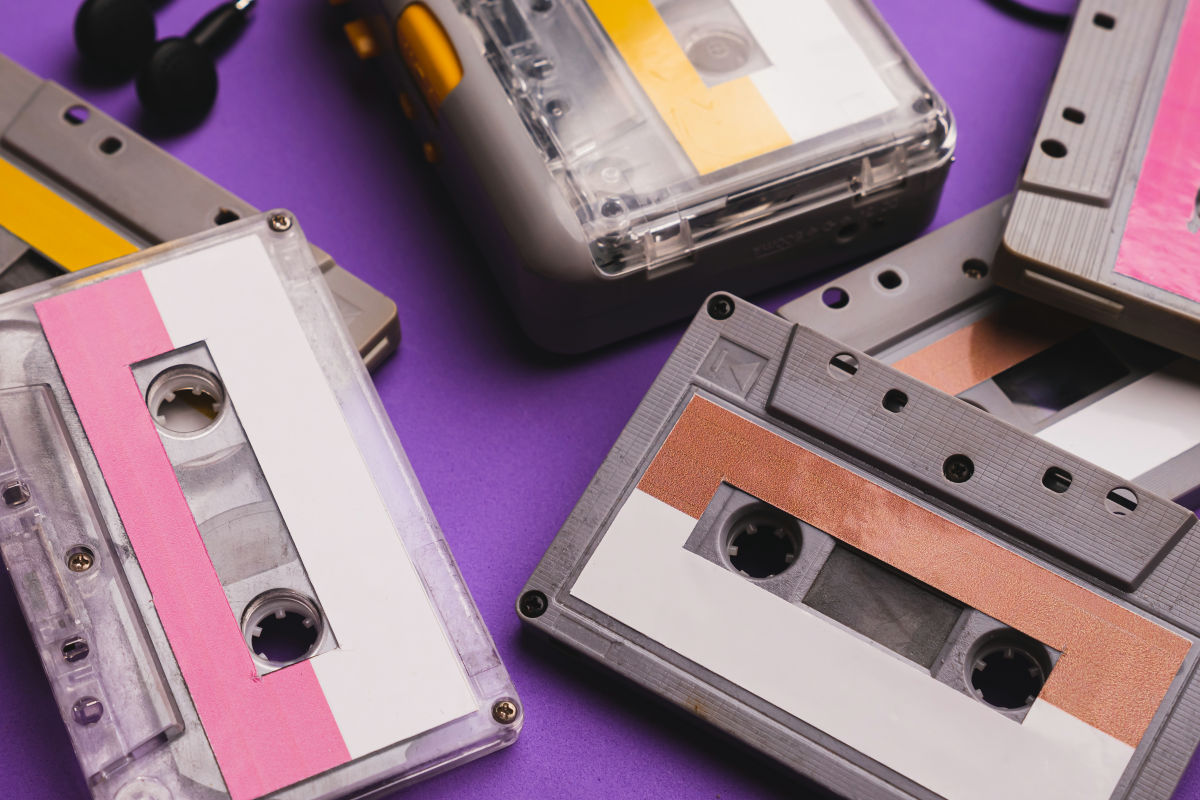
Hoar attributes the recent rise of cassette tapes to 'a rediscovery, or rediscovery by younger listeners.'
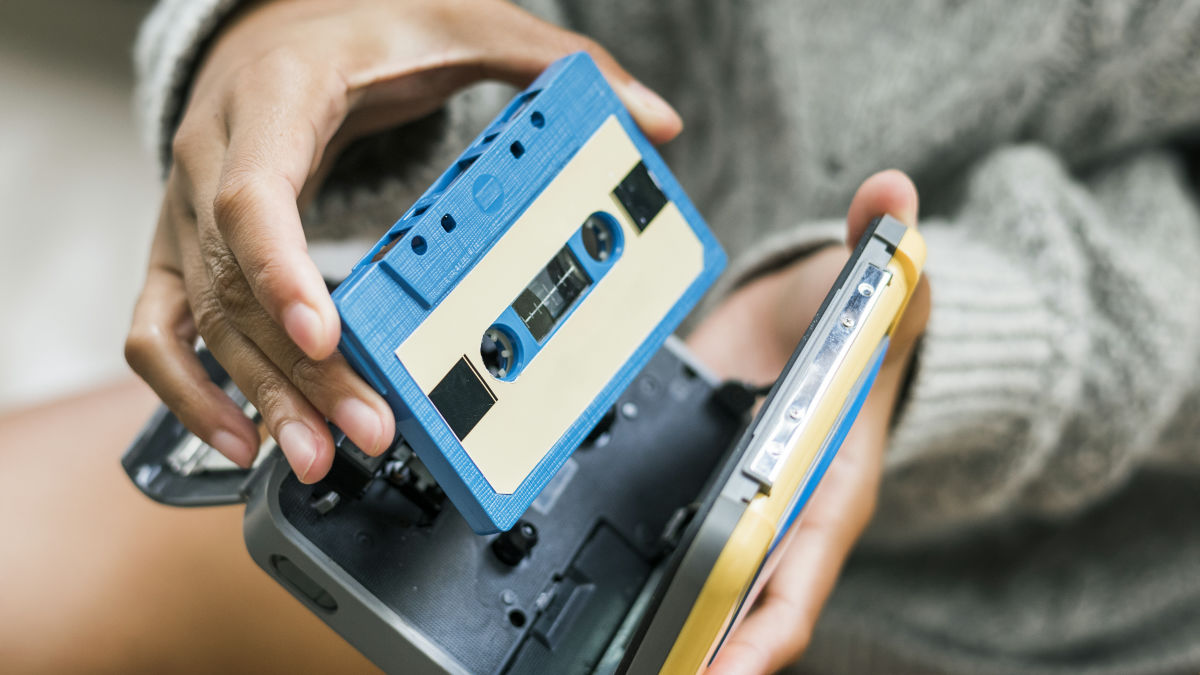
Today, most recorded music is listened to through digital channels like Spotify and Apple Music, eliminating the risk of corrupted audio sources. Cassette tapes, on the other hand, are prone to breaking, jamming, and requiring you to fast-forward or rewind a few minutes to hear a particular song. Furthermore, the sound quality is generally poor, and over time the tape deteriorates, creating a hissing noise in the background.
At first glance, it seems like there's no reason for a generation accustomed to the convenience and high-quality digital media to turn to cassette tapes, which have many drawbacks. However, some listeners appreciate the tactile feel and sense of connection to the artist and music that cassette tapes and vinyl records provide, rather than the sound quality.
The joy of cassette tapes lies in their 'materiality' and 'location,' as opposed to subscription services, which rely on electronic signals stored on distant, corporate-owned servers. 'The renewed interest in cassette tapes could be interpreted as a questioning of the bland, sleek, ubiquitous, and inescapable digital world,' Hoar said.
Of course, many consumers are drawn to the retro cool vibe of cassette tapes, and some people also see purchasing cassette versions of their favorite artists' releases as a material way to show their devotion to the artist.
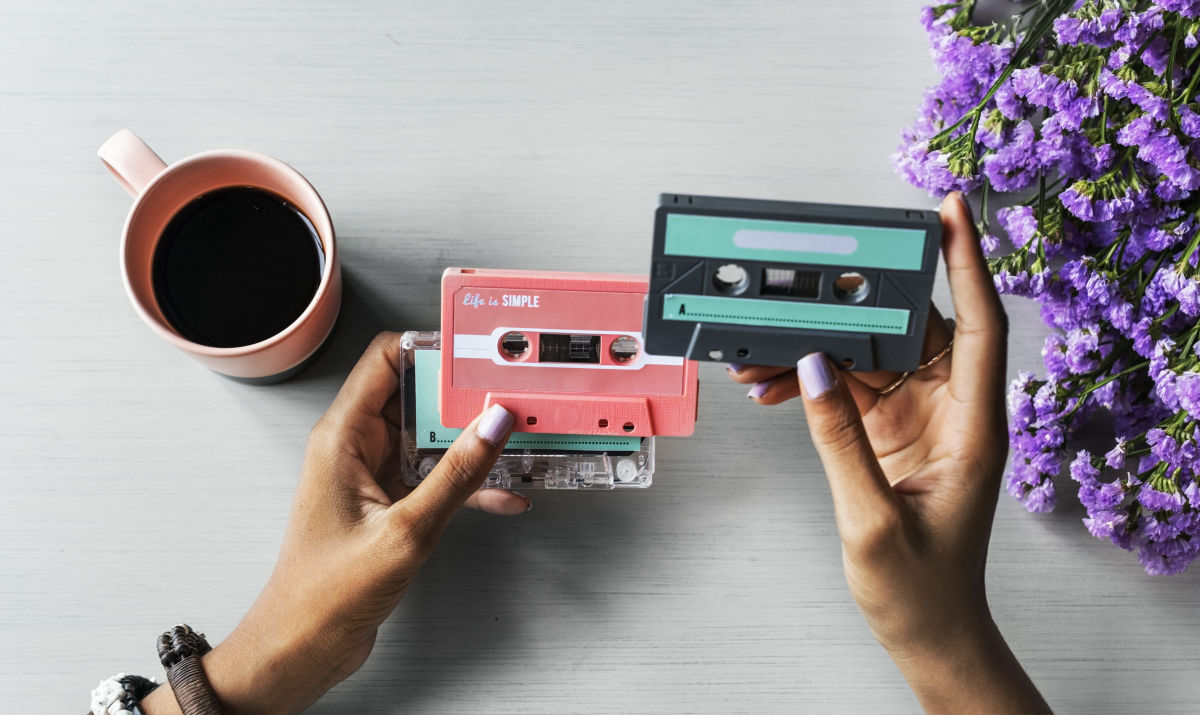
The cassette tape was also a medium that gave consumers the power to 'customize and reconfigure recorded sound, intervening in the creative process themselves.' Since the 1970s, people have been recording their own music onto blank cassettes, chopping up and rearranging existing albums, and copying commercially available music. Therefore, the cassette tape has also become a symbol of self-expression and freedom from corporate control.
'Cassette tapes aren't going to be replaced by streaming services anytime soon, but that's okay,' Hoar said. 'They offer a way of listening that bucks the digital hegemony we're facing - until the tape runs out, of course.'
Cassette tapes are also becoming increasingly popular in Japan, especially among younger generations, with popular artists such as Vaundy and Aimyon also selling cassette tapes.
New release in the Reiwa era: Nostalgic boomboxes. Young people buy cassette tapes for their cheap sound, and popular artists are returning to analog. | Feature | MBS News
https://www.mbs.jp/news/feature/kansai/article/2024/04/099870.shtml
Related Posts:



in Hardware, Posted by log1h_ik