Is it possible to destroy a meteorite that could destroy the Earth?

A massive meteorite impact would be a catastrophe that could cause a mass extinction of all living things. Educational YouTube channel Kurzgesagt explains how to destroy an approaching asteroid before it hits Earth.
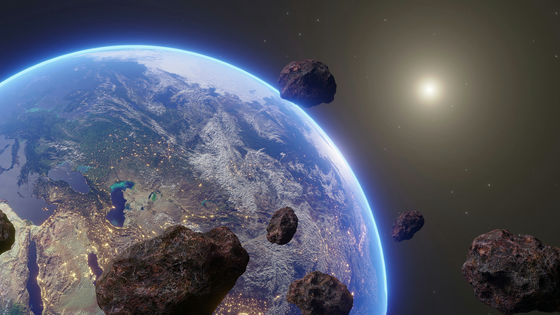
Giant asteroids frequently approach Earth, and it has been revealed that in 2023, 2023 NT1, the size of a 20-story building, approached closer than the moon. However, humanity only became aware of the existence of 2023 NT1 after it passed close to Earth.
A meteorite the size of a 20-story building approached Earth, passing closer than the moon, but astronomers didn't notice it until two days later - GIGAZINE

Similar incidents have occurred in other areas, such as the 2019 OK event in 2019, which had the energy equivalent to 3,000 Hiroshima-type atomic bombs, and the 2024 MK event in 2024, which had the energy equivalent to 9,000 Hiroshima-type atomic bombs.

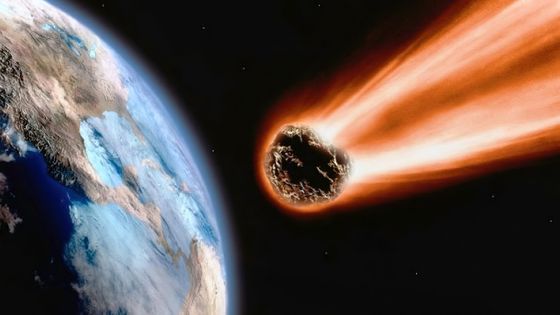
If these asteroids were to collide with Earth, they could cause massive damage.
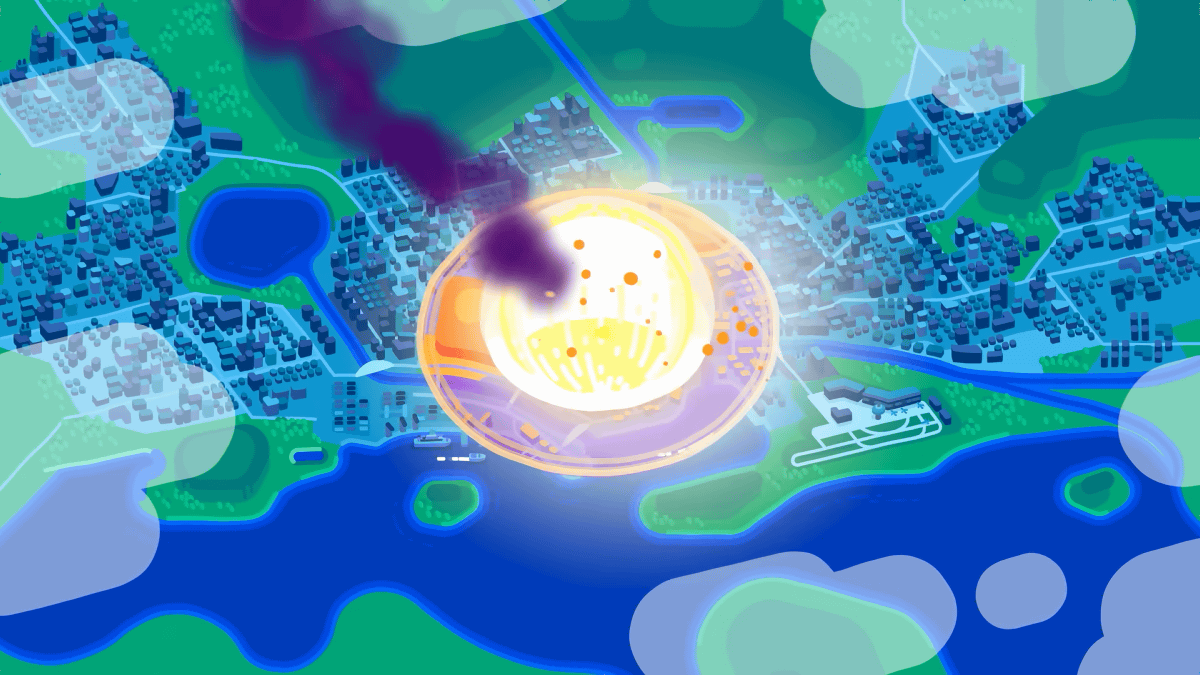
Approaches to reduce the damage caused by an asteroid collision include 'shifting its orbit' and 'destroying it.' Of these, 'shifting its orbit' is 'like throwing a potato sack at a large tanker, and it's not very effective,' Kurzgesagt said. On the other hand, asteroids are aggregates of dust and ice and are surprisingly fragile, so 'destroying' is a realistic option.

Nuclear weapons are the most destructive weapons on earth.

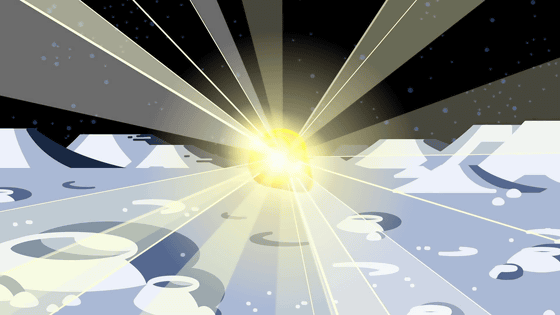
However, the power of nuclear weapons is extremely limited due to the fact that shock waves do not travel through a vacuum.

One idea is to send brave astronauts to an asteroid, dig a hole in it, and plant a nuclear weapon to destroy it from the inside.
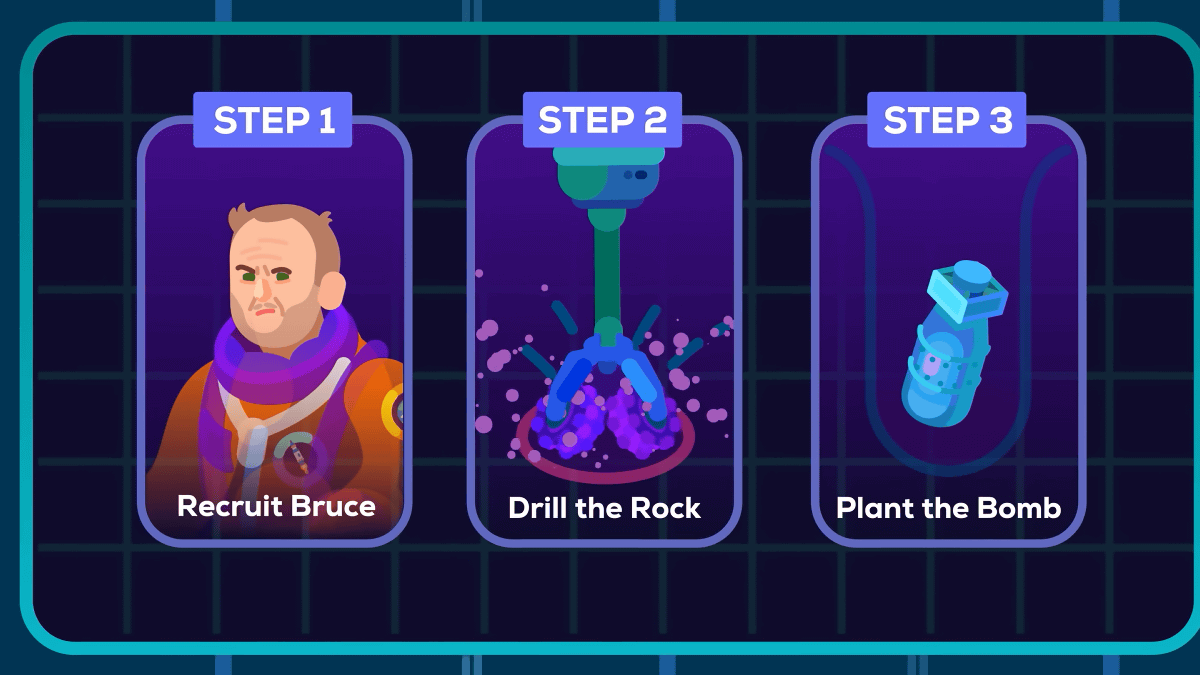
However, landing safely on a fast-moving asteroid is extremely difficult, and digging a hole on an asteroid with low gravity is also difficult, making this strategy unfeasible.

Kurzgesagt cites the use of 'very hard penetrators made of tungsten' as a promising method.

The plan is to place a penetrator in the asteroid's orbit to destroy it into pieces.

Consider a situation where an asteroid 100m in diameter is approaching the Earth.
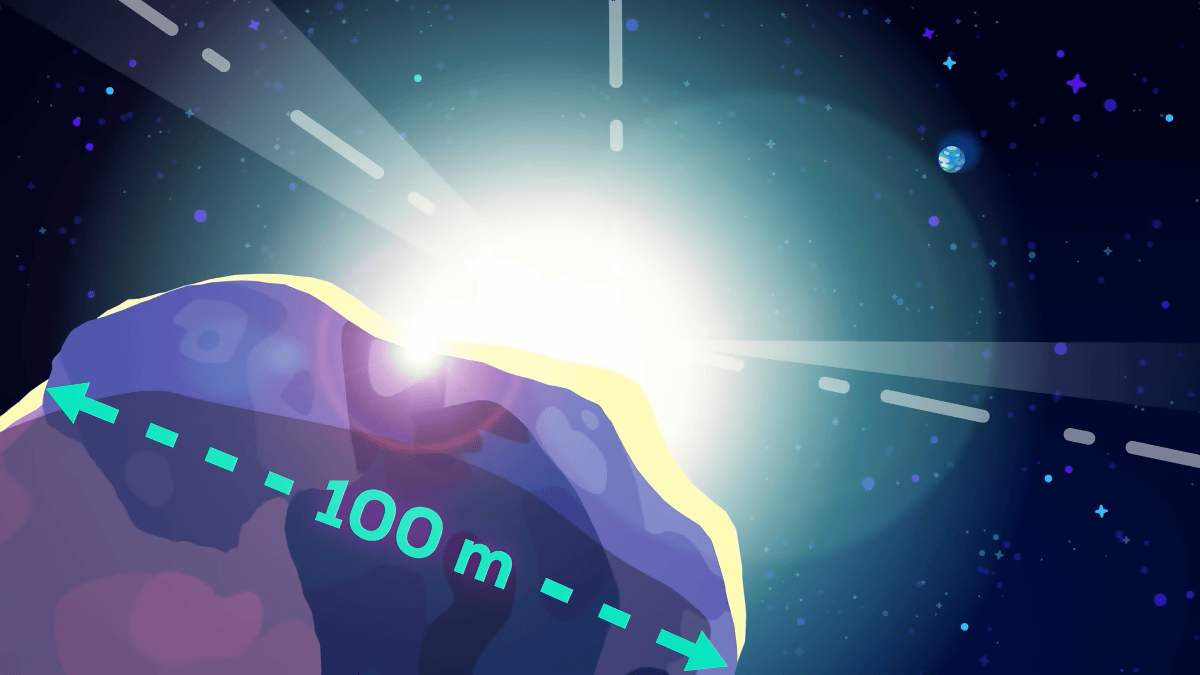
If it were to break down near the Earth, it would be extremely dangerous as large fragments would rain down on the Earth.
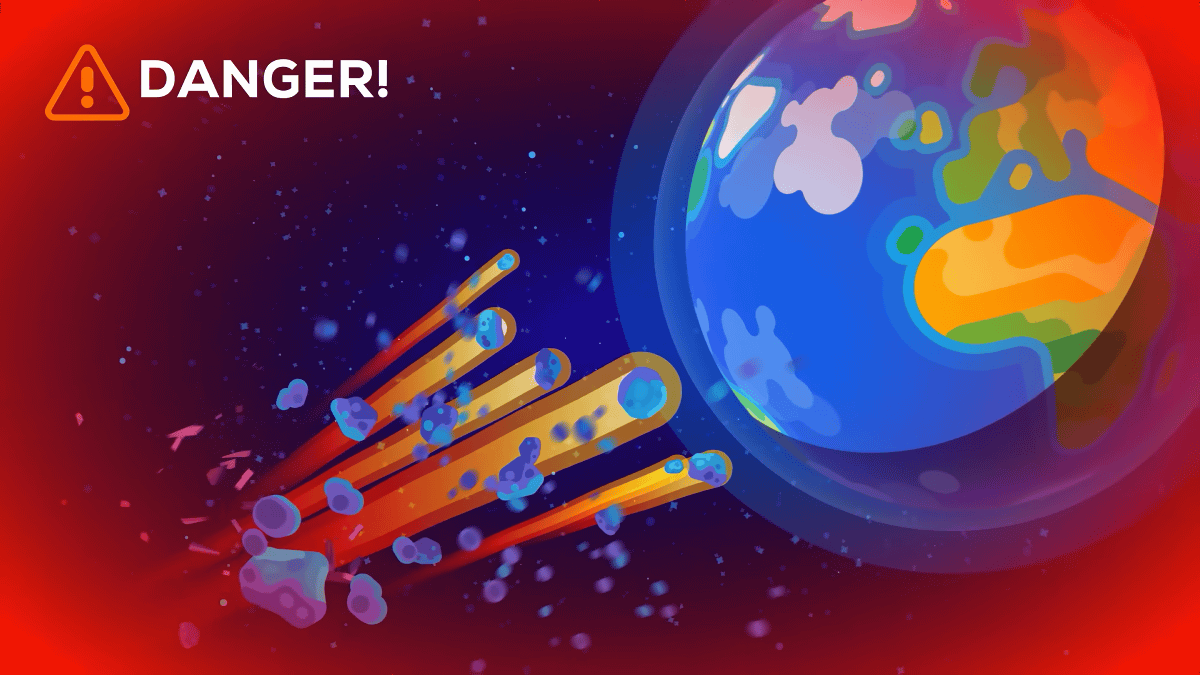
For this reason, the destruction operation must be carried out 2 million km from Earth.
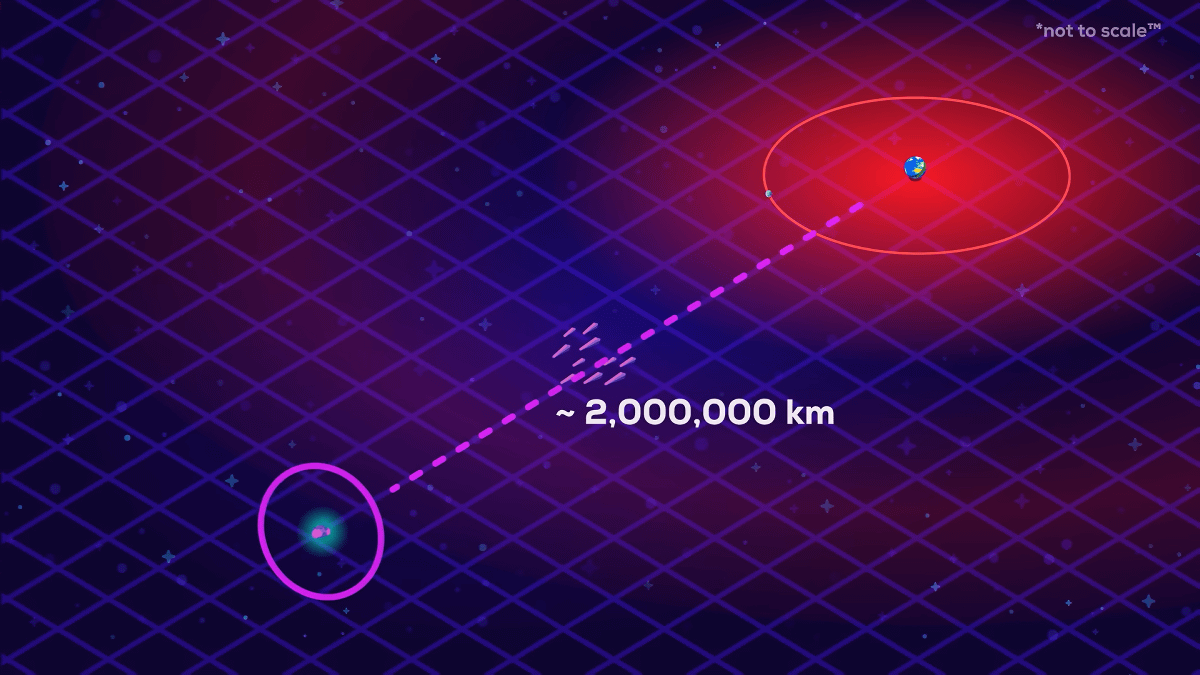
The 2m-long, 2.5-tonne penetrator will be carried into space by rocket.
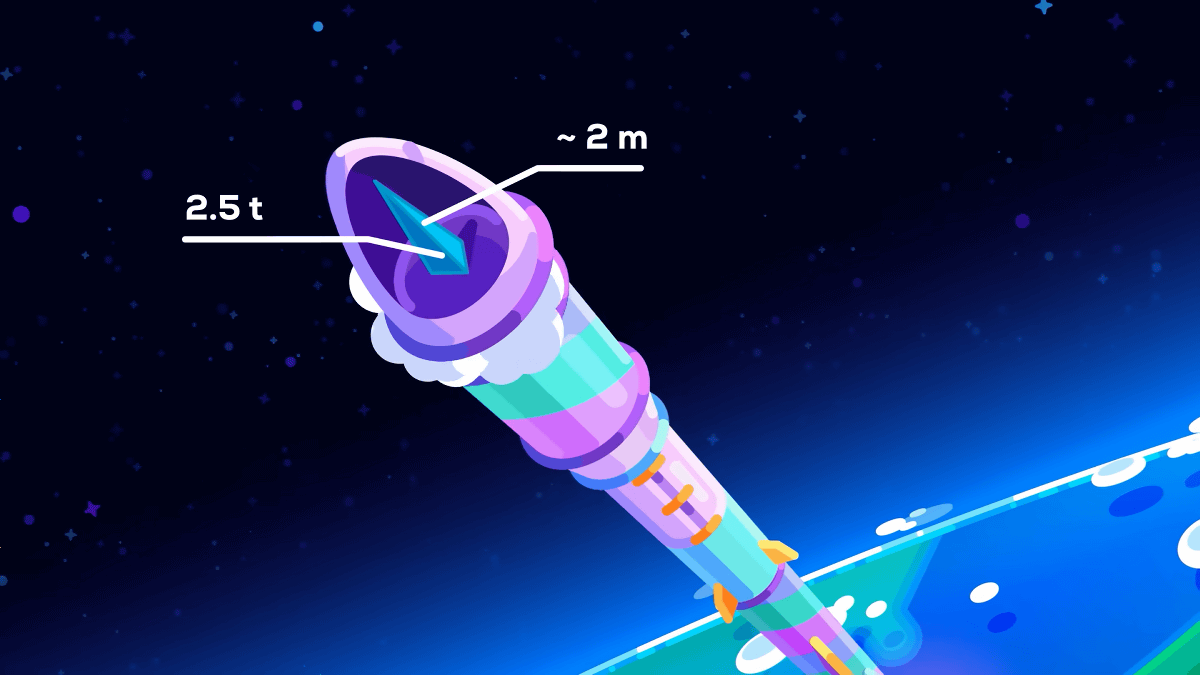
The penetrator is placed at the predicted asteroid pass point.

An asteroid traveling at ultra-high speed hits the penetrator.

The asteroid then continues its course, leaving a hole in it with the force of a 120-ton TNT explosion.
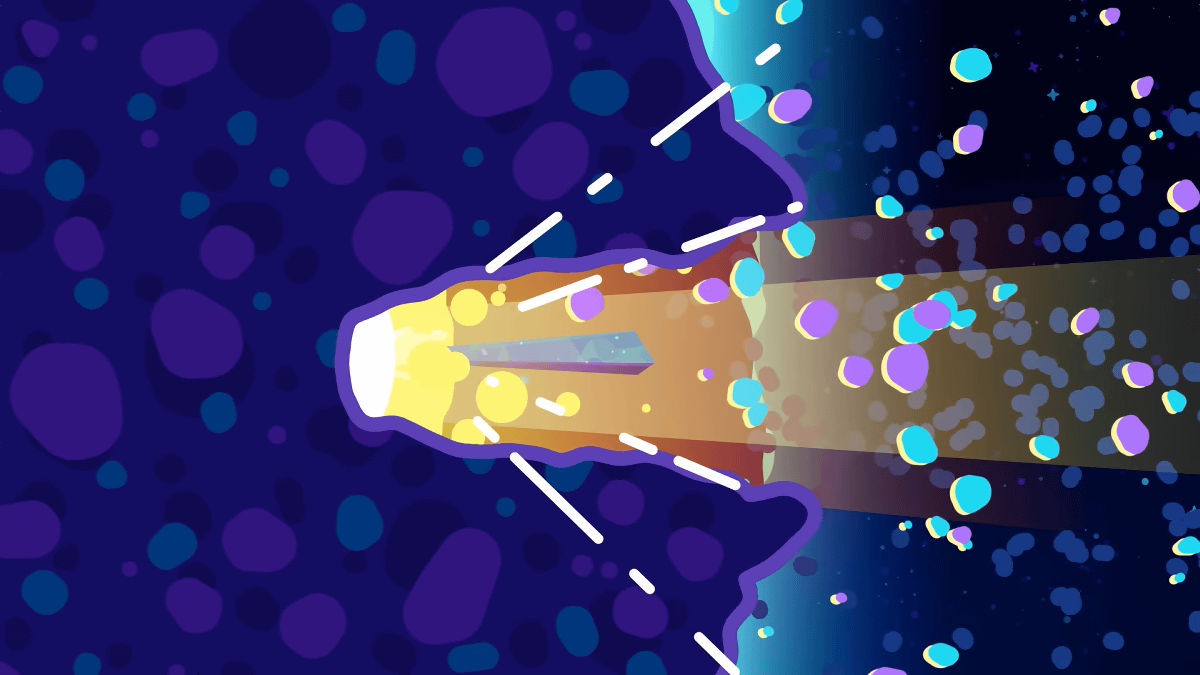
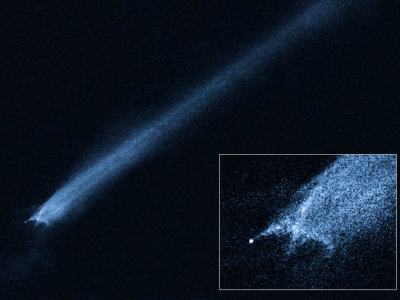
This will cause the asteroid to explode.
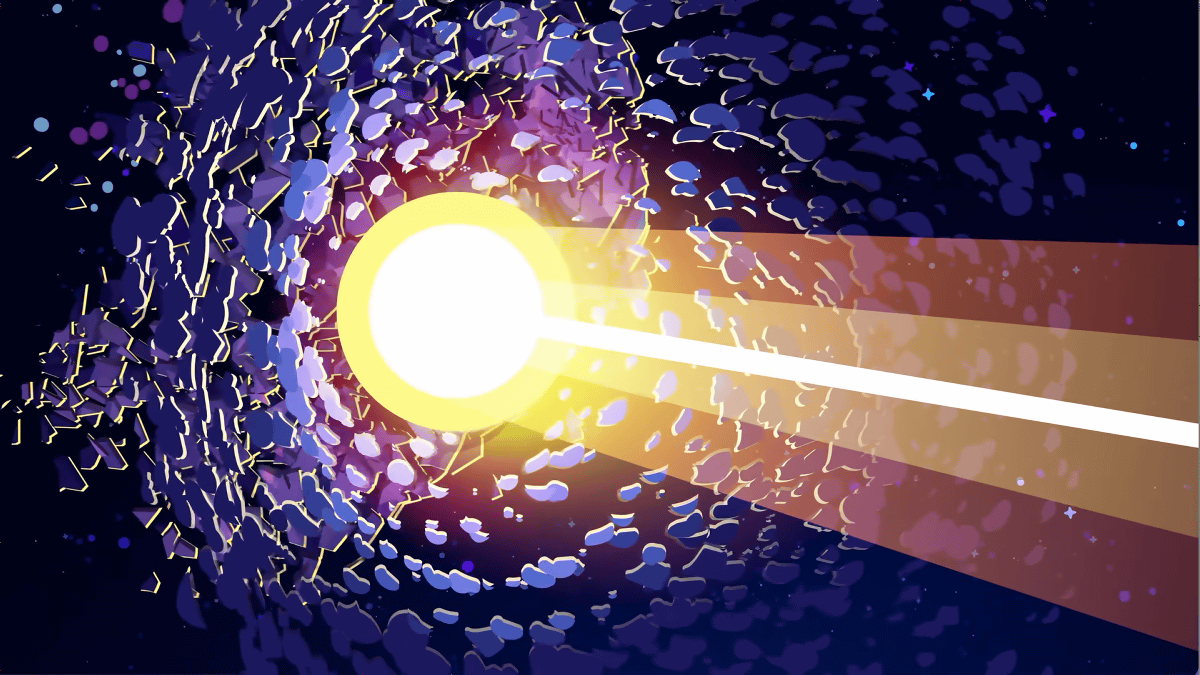
Because the destruction occurred at a sufficient distance, no damage was caused to Earth, and people will be able to enjoy an astronomical show with countless lights shining in the sky.

While the above method can destroy a 100m-class asteroid, it's a different story when it comes to giant comets coming from outside the solar system. Giant comets are as large as mountains and travel at speeds of up to 140,000 km per hour.

The comet Neowise, which approached Earth in 2020, had 6,000 times more energy than all the nuclear bombs on Earth combined. If an object of this magnitude were to collide with Earth, it would be inevitable that life would be wiped out.
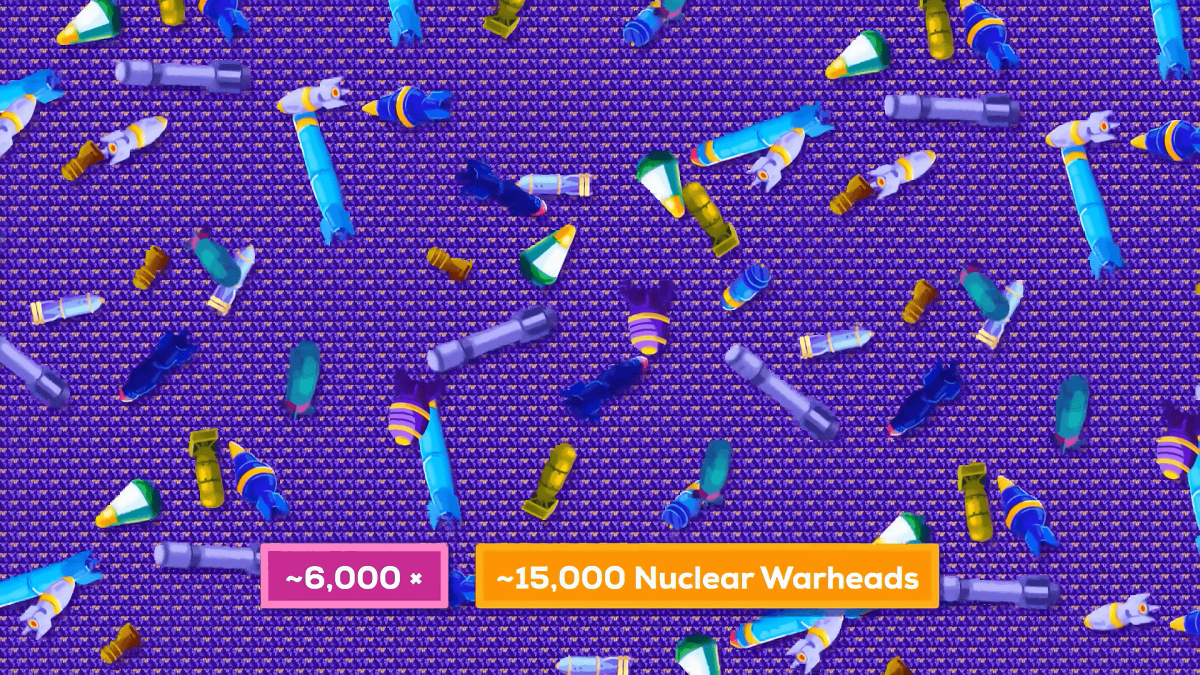
To safely destroy a giant comet, it would have to be destroyed at a distance about the same as Earth and Mars.
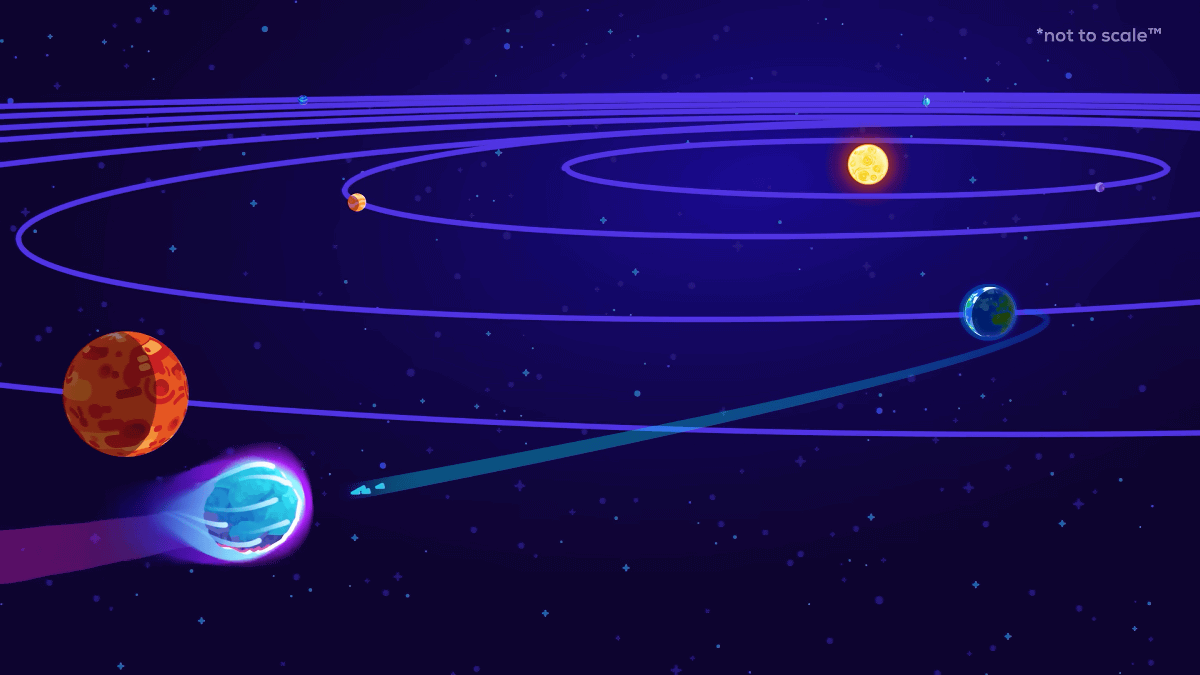
If we were to use the penetrators mentioned above, we would need to prepare hundreds of thousands of them, but our current civilization on Earth cannot transport that many penetrators into space.

The plan is to place four larger 10-ton penetrators and one penetrator equipped with a nuclear warhead precisely in the comet's orbit.
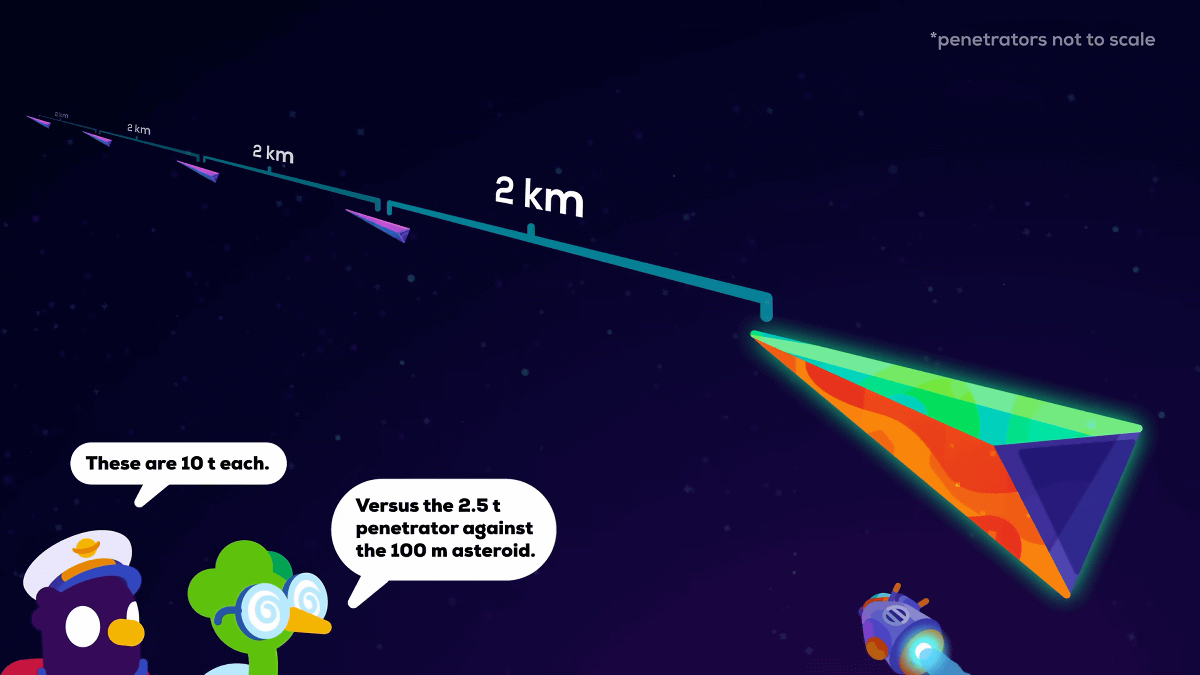
The positioning of the penetrator is very important in this operation.

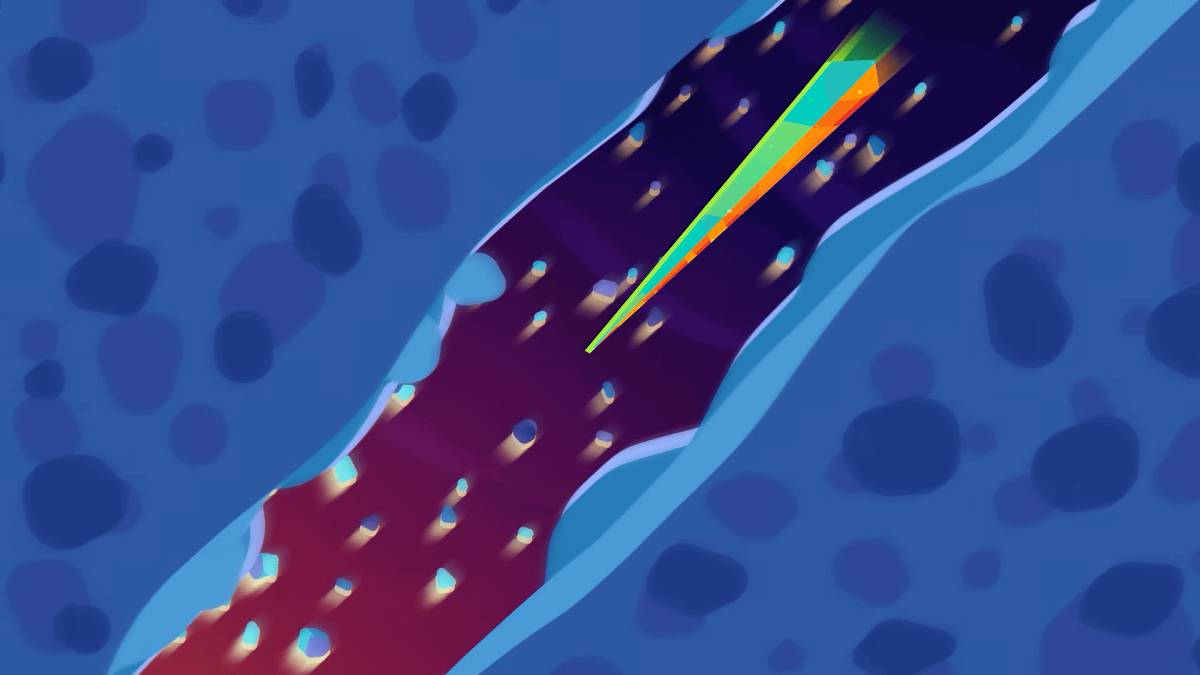
First, the first penetrator hits the comet.
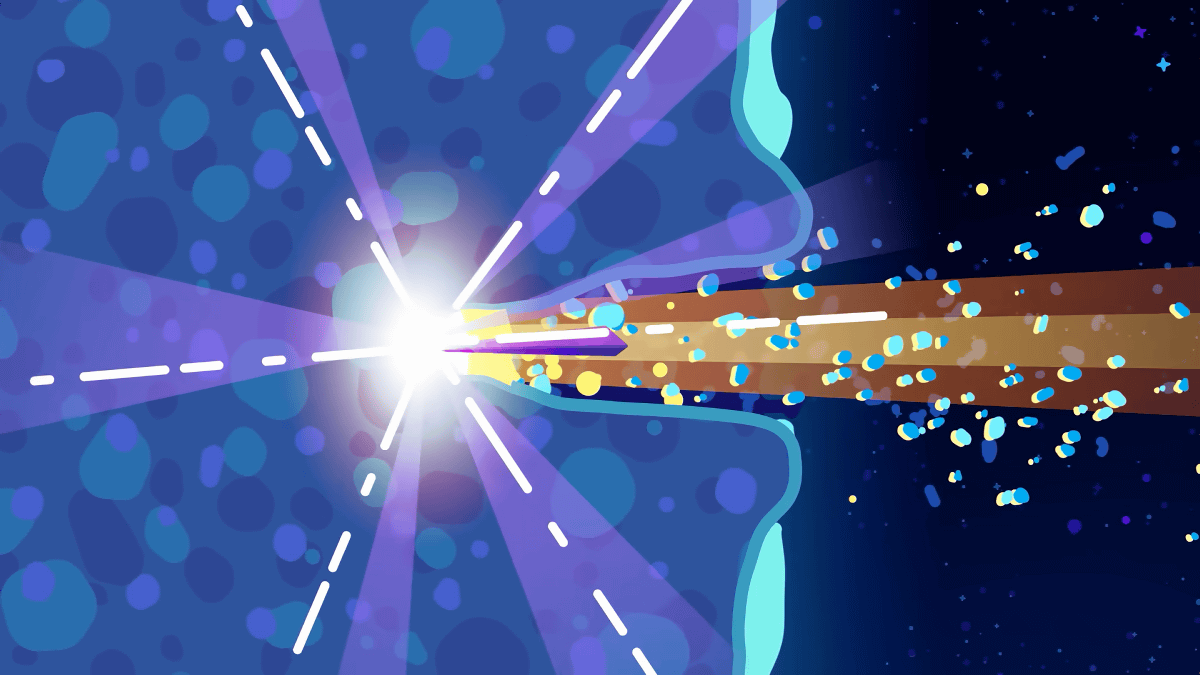
A hole appears in the comet's outer shell.

Then, the second to fourth penetrators penetrate into the exact same position as the hole created by the first penetrator.
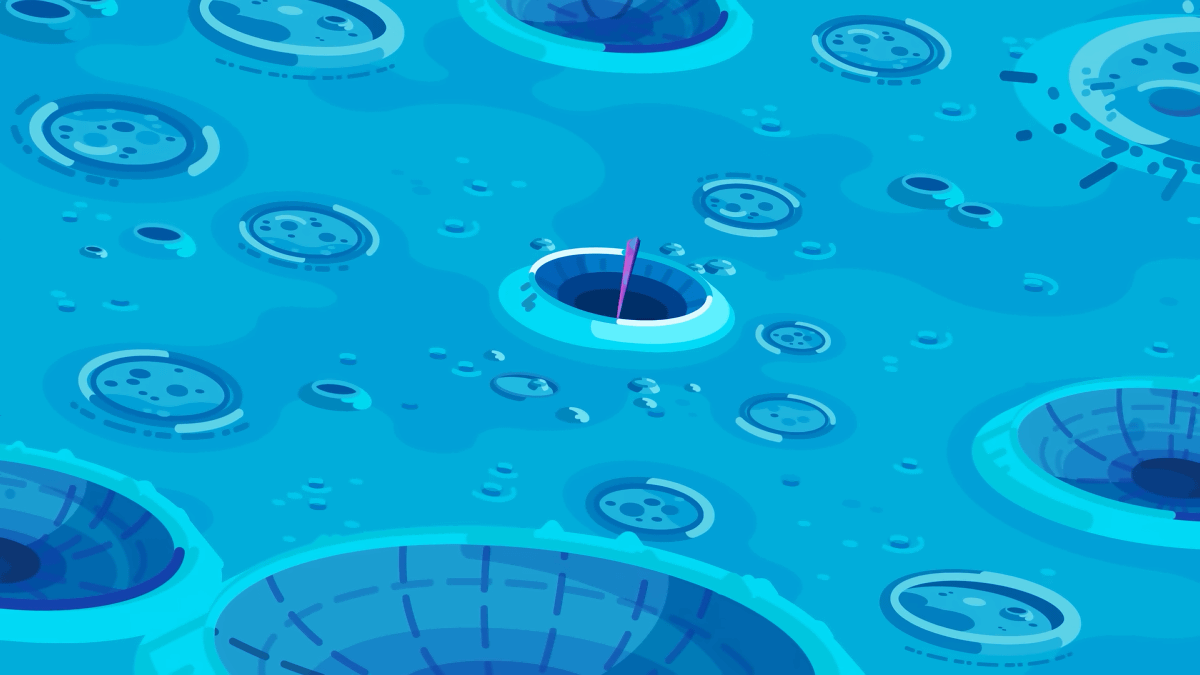
This completes the deep hole that reaches the fragile parts of the comet.
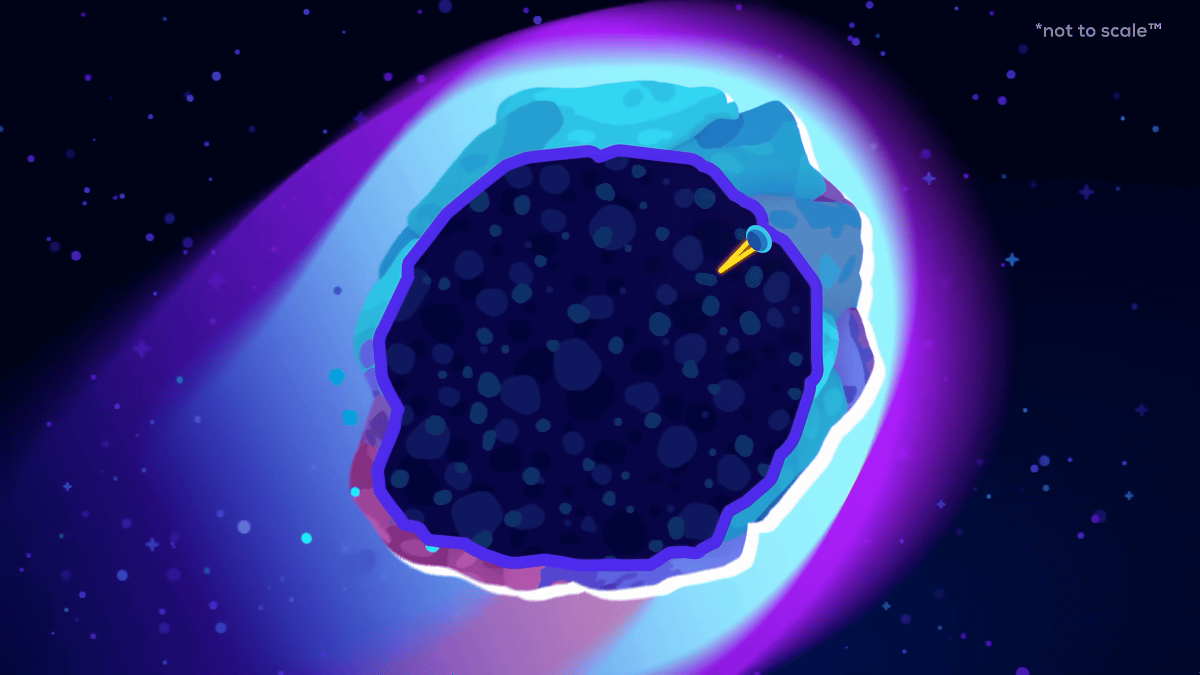
A penetrator equipped with a nuclear warhead will enter through this hole.
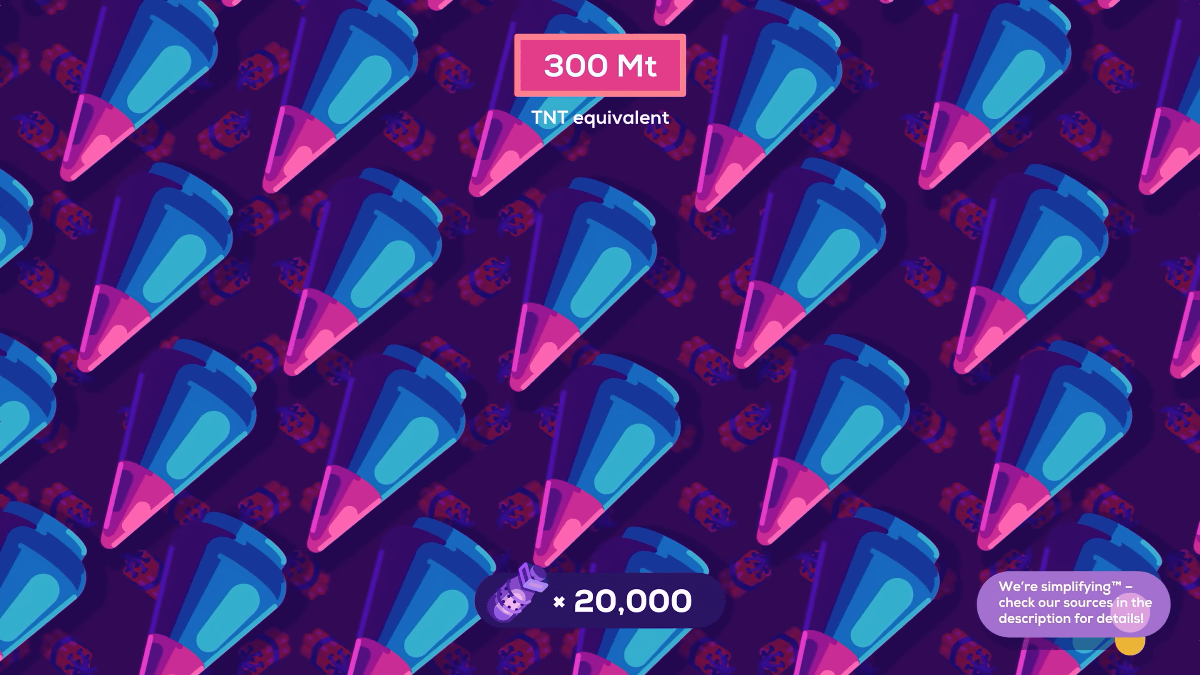
The penetrator is equipped with a nuclear warhead with the energy equivalent of 300 million tons of TNT.
A nuclear explosion occurs inside the comet.
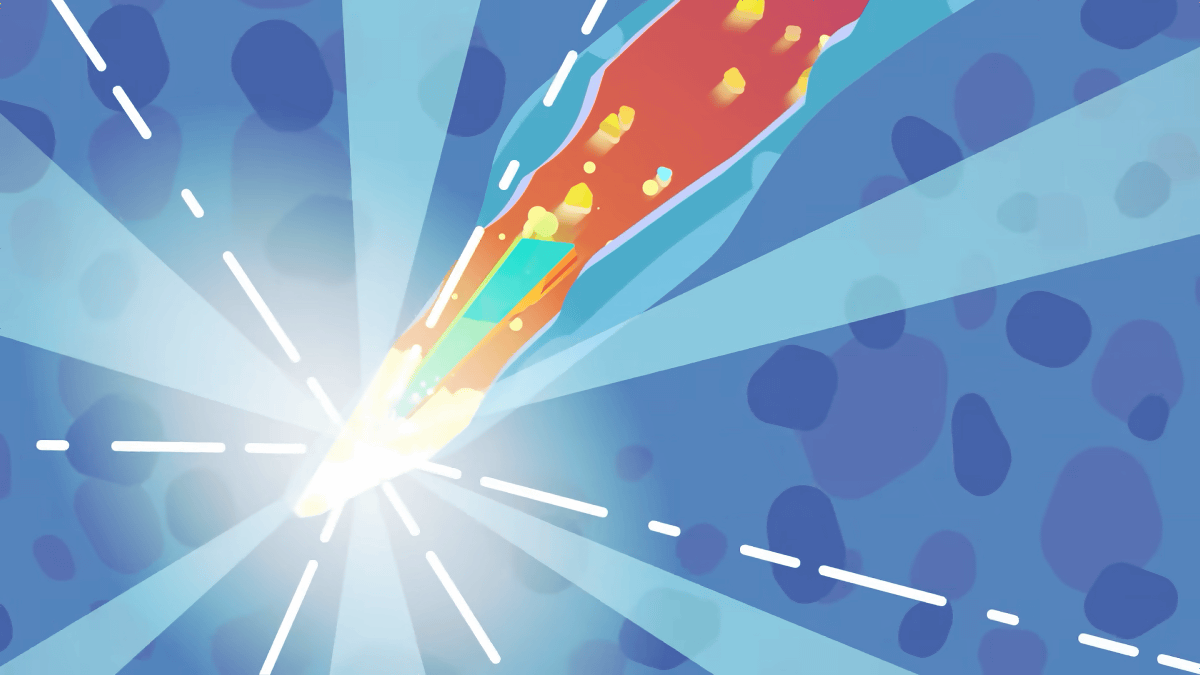
This succeeded in destroying the comet.

Kurzgesagt claims that modern science and technology can destroy asteroids and comets using the above method, but the challenge is that dangerous celestial bodies need to be discovered early in order to be destroyed using a penetrator.
Related Posts: