What happened after Armenia made chess compulsory education?
Chess mania captures Armenia's attention - Features - Al Jazeera English
http://www.aljazeera.com/indepth/features/2013/03/201331792224757326.html
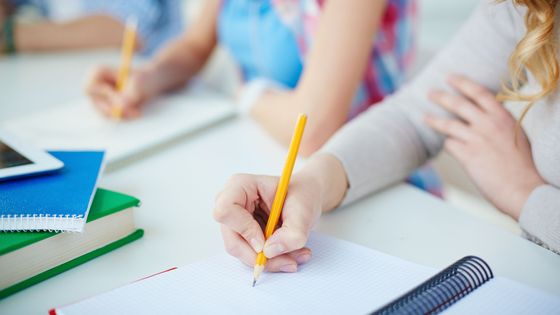
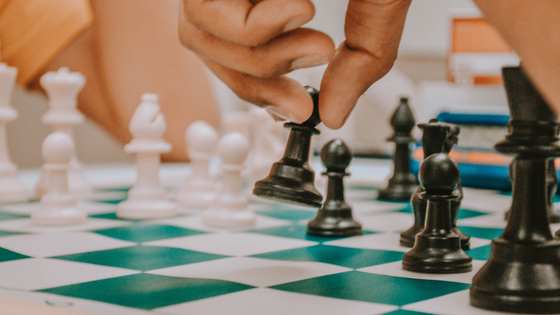
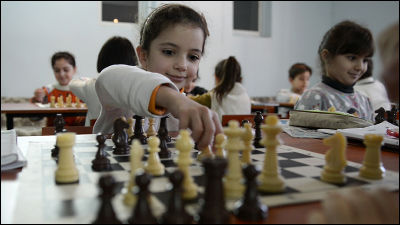
Susie Hannayan, now 7 years old and in the second grade of elementary school, was taught chess by her grandfather, but after starting chess classes at school, she says she's become better at chess than her grandfather. She says she wants to become like Levon Aronian , the Armenian chess champion and world chess player ranked third. According to her elementary school teacher, Rosanna Putanyan, chess classes help children develop their 'thinking skills,' which helps them gain self-confidence and leads to better grades in other subjects.
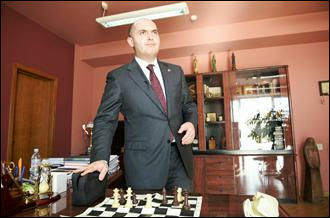
Armenia's Minister of Education, Armen Ashotyan, said the goal of making chess compulsory education is to develop children's leadership skills, decision-making abilities, strategic planning, logical thinking, and responsibility, as well as foster creative thinking. He said the country has spent more than $3 million (approximately 284.5 million yen) on compulsory chess education to date.
By
'Psychologist Ruben Agzamshtyan, who has been leading a study on the psychological effects of chess on children since last year, conducted a preliminary study and found that children who are good at chess have better creative thinking, reflexes, and comparative analysis. Furthermore, another psychologist said that chess can strengthen the mind and develop social skills.'
In response to the question, 'Why has chess become so popular in Armenia, a country with a troubled history?', Dr. Agzamshityan replied, 'As a result of Armenia's difficult history and many problems, Armenians have become accustomed to solving problems. It is no coincidence that Armenia has become a powerhouse in chess, a board game that requires problem-solving skills.' In fact, Armenia has a history of genocide at the hands of the Ottoman Empire during World War I, and the problem Armenians had to solve was not 'whether to live happily or not,' but 'whether to live or die.'
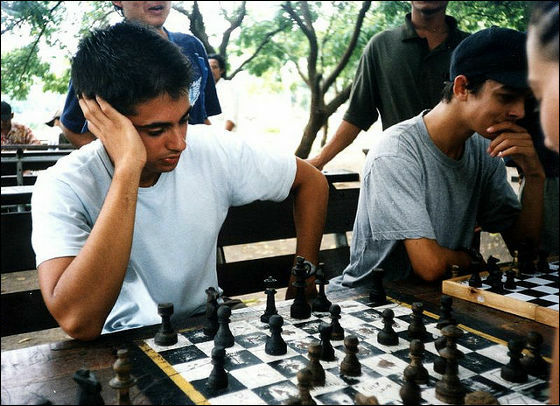
The Armenian government is also committed to producing chess grandmasters, providing free equipment for chess players. On Sundays, chess players, some as young as four, train at a training center on the outskirts of the Armenian capital, Yerevan.
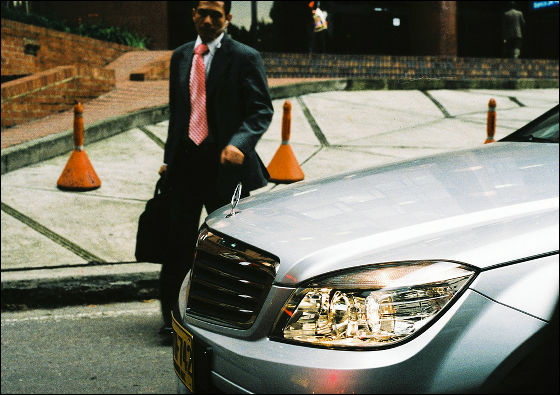
Successful chess players in Armenia seem to be rewarded with high salaries and prestige. Tigran Petrosyan, a member of the Armenian team that won the gold medal at the 2012 Chess Olympiad, said he was surrounded by fans when he walked down the street and received tons of emails from them when he returned home. Incidentally, Petrosyan's car is a luxury Mercedes-Benz S550 , clearly demonstrating the advantages of being successful as a chess player in economically disadvantaged Armenia.
By
Chess television programs are also popular in Armenia, with ' Chess 64 ' being a long-established program that has been broadcast since 1974, and ' Chess World ,' a chess program targeted at young people that the Armenian government began broadcasting this year. This program has been well-received by children, who say it is useful for the chess homework they receive from school.
While not all Armenians are chess fans, players and fans of other sports seem to work hard every day in the hope that their favorite sports will become as big in Armenia as chess in the future, and it is clear that chess is contributing to the development of other fields as well. Armenia's compulsory chess education program can be said to have been a success in the sense that it gives children dreams by giving the country something to be proud of on the world stage, contributing to the development of other fields, and ultimately having a positive impact on the country as a whole.
By GoGap
Related Posts: