A WHO study suggests that approximately 12% of all cancer cases worldwide are likely caused by infectious diseases.

A study published by the World Health Organization (WHO) at the end of September 2026 in
Global burden of cancer attributable to infections in 2024: a worldwide incidence analysis - The Lancet Oncology
https://www.thelancet.com/journals/lanonc/article/PIIS1470-2045(26)00307-4/fulltext
One in eight cancers are likely caused by an infection worldwide – new study
https://theconversation.com/one-in-eight-cancers-are-likely-caused-by-an-infection-worldwide-new-study-292996
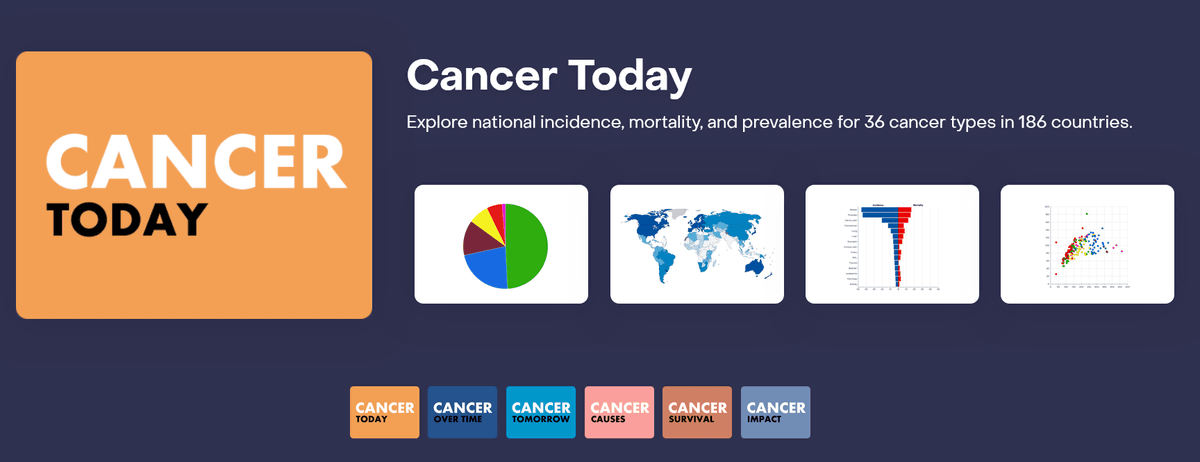
The research team used data from 'Cancer Today,' part of the International Agency for Research on Cancer's (IARC) Global Cancer Observatory , to estimate the number of cancer cases associated with 12 potentially cancer-causing infectious pathogens in 2024.
According to the paper, it is estimated that approximately 2.3 million new cancer cases worldwide in 2024 were attributed to infectious diseases. This represents about 12% of all new cancer cases.
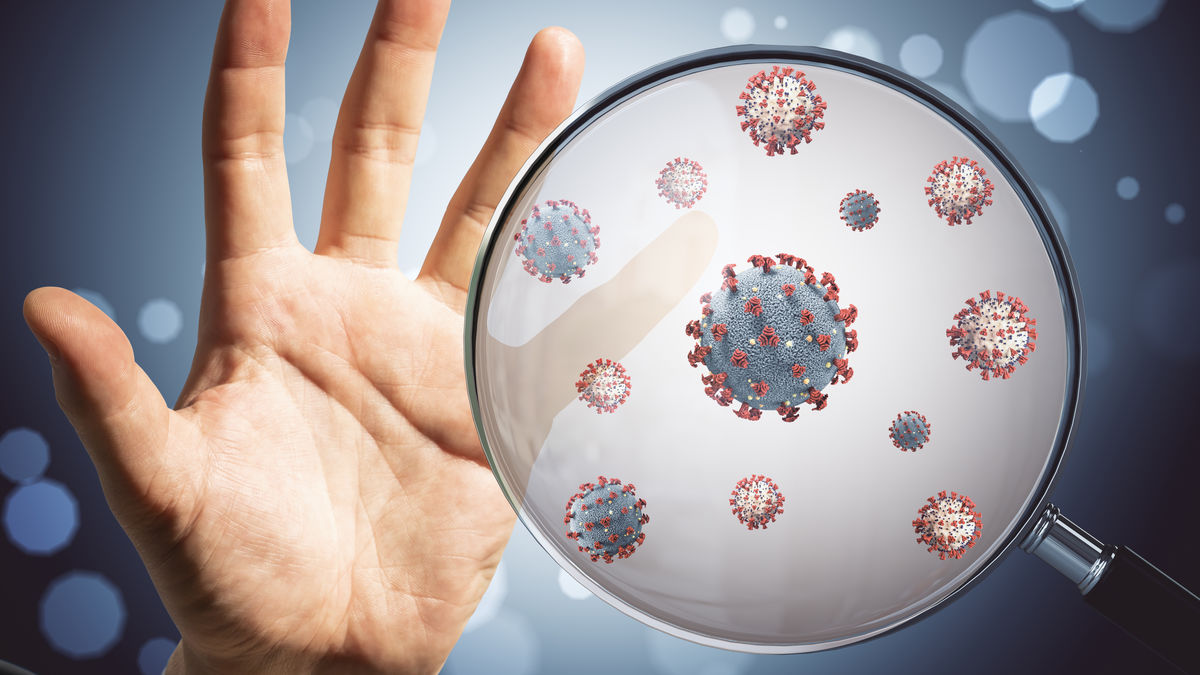
The most common infection was Helicobacter pylori (H. pylori), accounting for approximately 4% of the total, or about 760,000 cases. This was followed by human papillomavirus (HPV) with about 750,000 cases, hepatitis B virus with about 360,000 cases, Epstein-Barr virus (EBV) with about 260,000 cases, and hepatitis C virus (HCV) with about 160,000 cases, showing a strong bias towards these five pathogens. These infections can potentially cause more than 20 types of cancer, including stomach cancer, liver cancer, blood cancer, and cervical cancer.
There are thought to be three ways in which pathogens cause cancer. The first is that when healthy cells are infected with a virus, they exhibit the ability to self-destruct or stop cell division, but infection with a pathogen blocks these abilities, causing them to transform into cancer cells. The second is that the virus's own DNA is inserted into the host cell's DNA, unintentionally destroying genes that control cell death and cell division, potentially leading to cancer cells. And the third is that the virus itself accidentally acquires and carries cancer-causing genes (oncogenes) from other organisms, and after infecting the human body, it causes cancer.
The paper also shows that the burden of cancer caused by infectious diseases differed by region. East Asia had the highest number of cases of cancer caused by infectious diseases, accounting for approximately 990,000 cases, or 42% of the global total. In terms of age-adjusted incidence per capita, East Asia had 31.9 cases per 100,000 people, exceeding the global average of 22.7 cases. Sub-Saharan Africa, Central and Eastern Europe, and Southeast Asia also reported values exceeding the global average.
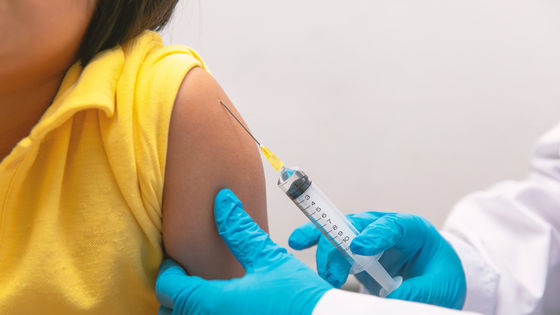
These regional differences are related to factors such as the prevalence of pathogens and the widespread adoption of infection prevention measures. For example, in Australia, a preventive vaccine against specific HPV strains strongly associated with cervical cancer is widely available. Since the program began in 2007, the HPV infection rate among those vaccinated has decreased by 90%, and it is expected that cervical cancer will be eradicated by 2035. In Denmark, a study reported that the HPV infection rate plummeted after 14-year-old girls were given the quadrivalent HPV vaccine in 2008, which reduces the risk of infection from four types of HPV.
HPV vaccination for teenagers has drastically reduced the infection rate of the virus that carries a high risk of cervical cancer to less than 1% - GIGAZINE
On the other hand, differences in national approaches and disparities in wealth have created significant disparities in measures to combat cancer caused by infectious diseases. John (Eddie) La Malca of the Walter and Eliza Hall Institute for Medical Research pointed out, 'Unfortunately, a new WHO study has revealed that approximately 75% of cancers caused by infectious diseases are found in low- and middle-income countries. Treating cancer-causing infections such as HIV, H. pylori, hepatitis B, and hepatitis C is one way to reduce the incidence of cancer. Preventive measures such as vaccination, condom use, and disease screening also play an important role. However, these programs may be limited in poor countries, and therefore access to cancer control remains a major issue of equity.'
Related Posts:




in Science, Posted by log1e_dh